
Onigiri, or rice balls, have been a staple of Japanese bento boxes for centuries. Historians say onigiri have been eaten since the Yayoi period (300 BCE to 300 CE) when rice cultivation began.
While these balls of rice ( they can be triangular or cylindrical) with fillings wrapped in seaweed have always been a 'home-made' dish, social media, inbound tourists, and rising living costs have helped hoist affordable onigiri onto the centre stage more recently.
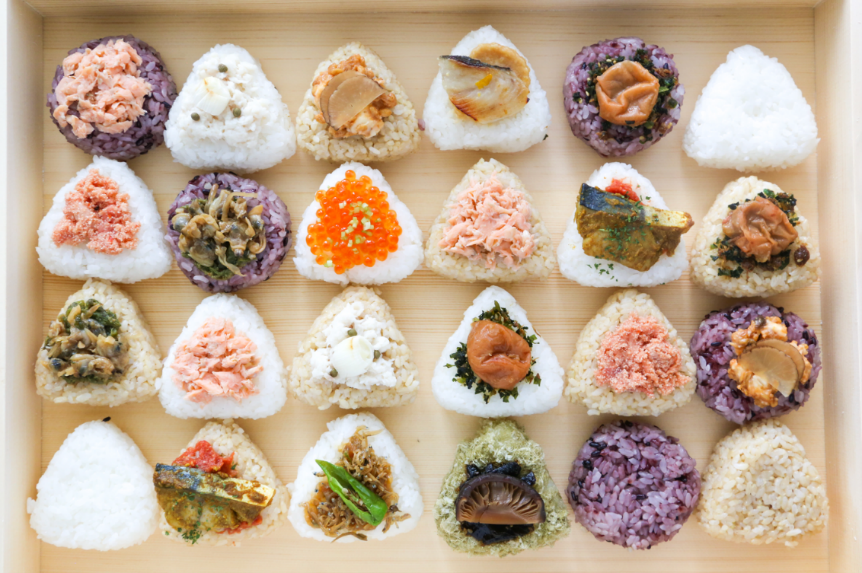
Onigiri-speciality shops are popping up everywhere in Japan, while long-established onigiri stores are enjoying sudden influx of customers. An onigiri store in Asakusa was even featured in the 2019 Michelin Guide.
Rice farmers are looking at this new trend with hope, as domestically, rice consumption in Japan is still on a downward trend, due to the population looking at bread as a convenient alternative.
Onigiri-stores in Australia
Mitsuhiro Yashio is a renowned chef in Sydney who recently boarded on to the trend, opening an onigiri-speciality store, Otogo, in Ultimo.
The Kyoto-trained chef is a well-respected community member, with diplomats visiting his Darlinghurst store, Yachio Japanese Dining, from as far as Canberra.
Serving onigiri along with other dishes such as soba and fried chicken, Otogo is an entirely different venture for the seasoned traditional chef.
“I wanted to provide a healthier alternative to what we consider as fast-food today”, he tells SBS Food.
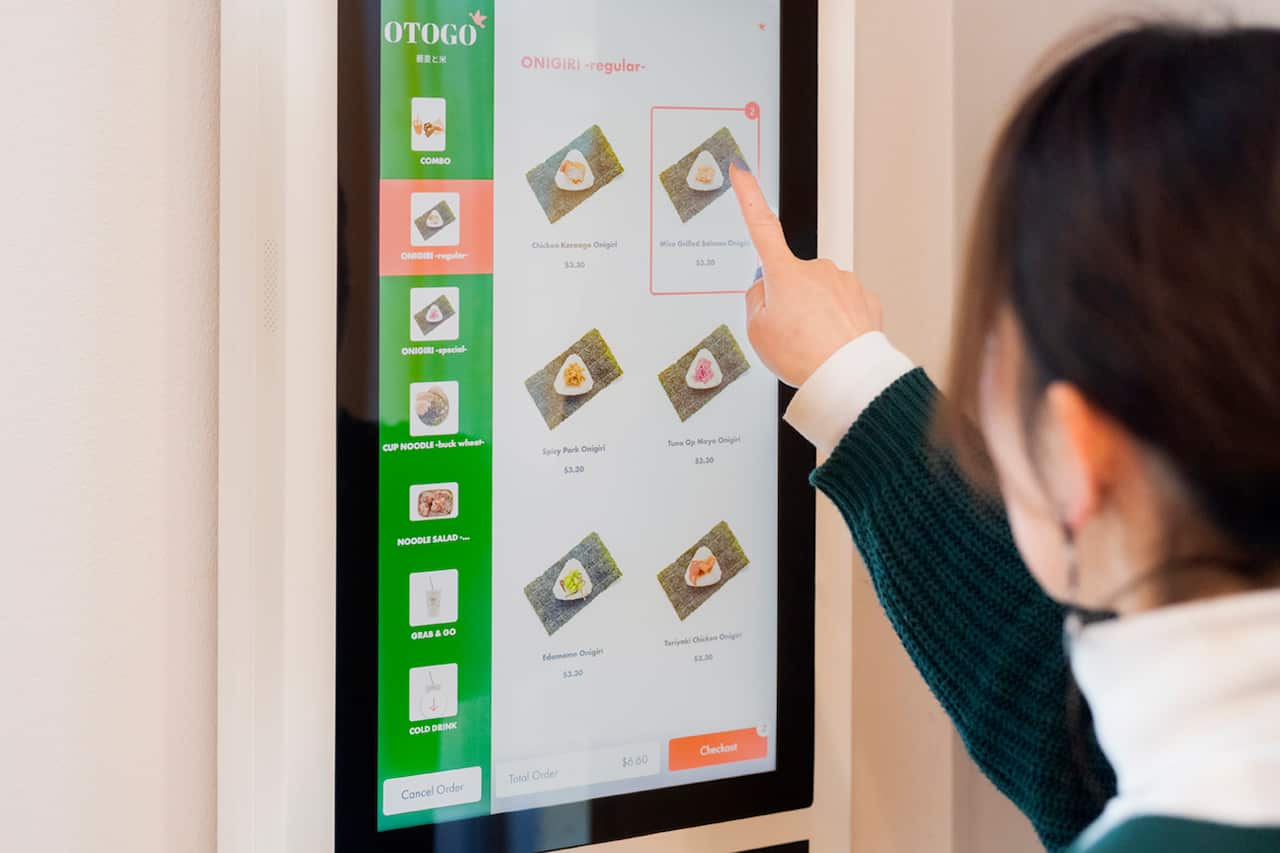
Otogo uses a state-of-the-art onigiri machine that carefully replicates the hand wrapping motion of the human hand to pump out over 1000 onigiri a day, allowing them to provide affordable onigiri without compromising on quality.
While the machine takes charge of the rice, Yashio focuses all his knowledge and experience on the fillings, including miso-grilled salmon, blue-fin tuna toro, shabu shabu pork, to just name a few.
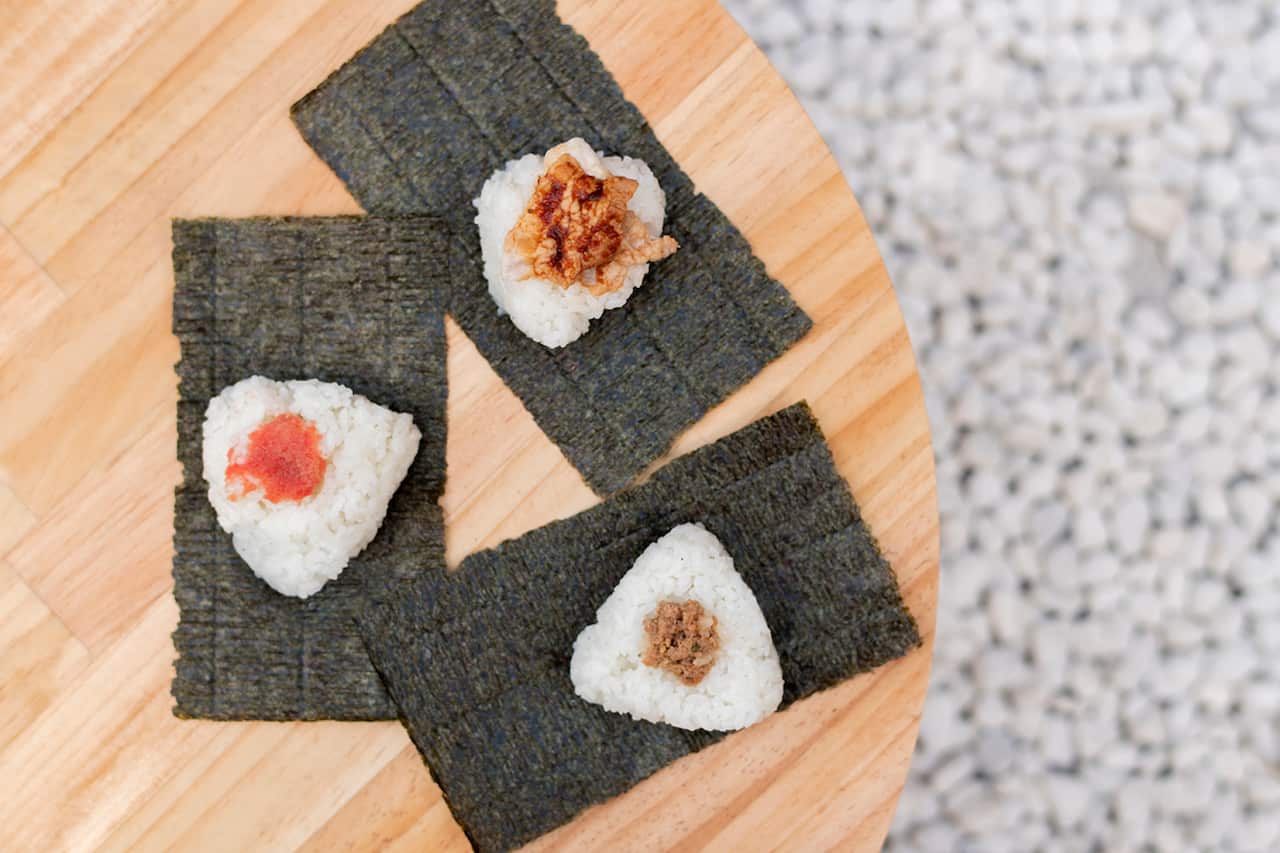
Parami is an onigiri café that opened its doors in Surry Hills last year. Mika Kazato, co-owner of the café, says she wanted to share Japanese comfort food with the Australian community.
In Japan, primary schools serve students lunches, so bento from home is often associated with excursions and sports carnivals. “Onigiri brings back so many childhood memories,” she says.
“I hope onigiri will become a light, everyday food that can be eaten as a substitute for sandwiches or as a snack,” she tells SBS Food.
The snack-sized onigiri is perfect as a grab-and-go lunch for office workers, people going on a morning stroll, and of course, children who can help themselves to the food.
Over in West Melbourne, 279 has gained a strong following since its opening in 2019. A venture by Japanese chef Kantaro Okada and coffee guru Austin Allen, 279 serves variety of onigiri from the traditional shiso-konbu and sha-ke (salmon) to modern versions such as mentai cream cheese and spicy tuna.
You can add osozai (side dishes) and miso soup to your onigiri and make it a meal, or take away Japanese-style bento boxes.
Onigirazu helping the boom
Helping the onigiri boom was the onigirazu trend, a few years back. Onigirazu is a type of onigiri that is not shaped in your hands, but rather, made like a sandwich, flat on the kitchen bench.
“Onigirazu is basically a sushi sandwich,” Adam Liaw explained on The Cook Up.
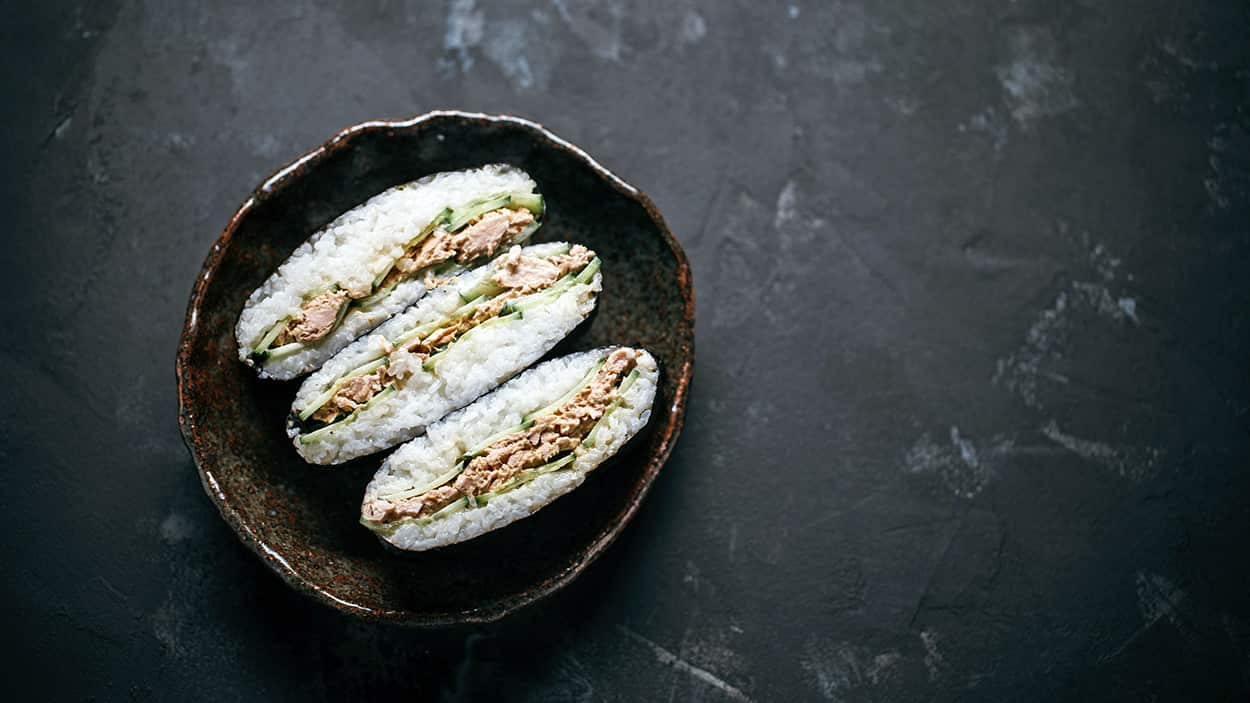
As they are not formed in your hands, you have the luxury of packing in more filling, and are a great way to use up leftovers.
“Quite often filling is not something that we make in the morning, it’s actually something that we had the night before,” says Adam, referring to lunch making in the Liaw household.
The versatility seen in onigirazu makes it a great way to use up leftovers. Now it's time for its smaller cousin, onigiri, to have a moment to shine.

SBS Food is a 24/7 foodie channel for all Australians, with a focus on simple, authentic and everyday food inspiration from cultures everywhere. NSW stream only. Read more about SBS Food

Have a story or comment? Contact Us