
See Rosheen Kaul in the 'Secret Sauces' episode of The Cook Up with Adam Liaw.
Black and brown sauces are the deep, dark abysses of flavour. The inky blackness of Asian pantry sauces is often a product of time and patience, precision and time-honoured tradition. The flavours are full and complex, often the result of skilful techniques passed down for hundreds and, in some cases, even a thousand years. Many fish sauces, soy sauces and vinegars are still made using traditional fermentation techniques, and high-grade sauces are made by artisans in small quantities with long maturation times.
The flavour and the complexity of black sauces varies depending on their style and origin, but you easily can find yourself reaching for chemically made soy sauces, so check your labels before purchasing.
Types of soy sauce
Traditional Chinese soy sauces are divided into ‘light’ and ‘dark’ categories – most recipes calling for ‘soy sauce’ imply Chinese light soy, made with first-press soybeans. ‘Dark soy’ has additional sugar or molasses, and is generally used to add depth and colour. Japanese soy sauces are a touch sweeter than their Chinese counterparts, with the addition of extra wheat in the fermentation process. Confusingly, Japanese ‘dark soy’ is a little more similar in texture to Chinese ‘light soy’, and the two can be used interchangeably. Meanwhile, Indonesian kecap manis shares little in common with any of the other soy sauces – it’s distinctly thick and sweet, seasoned with palm sugar, galangal and other warm spices.
It almost seems too easy that just by reaching into your pantry for a splash of soy sauce and Chinkiang vinegar you can enrich a dish with such a significant amount of flavour.
Two sauces to try
Ultimate dumpling sauce
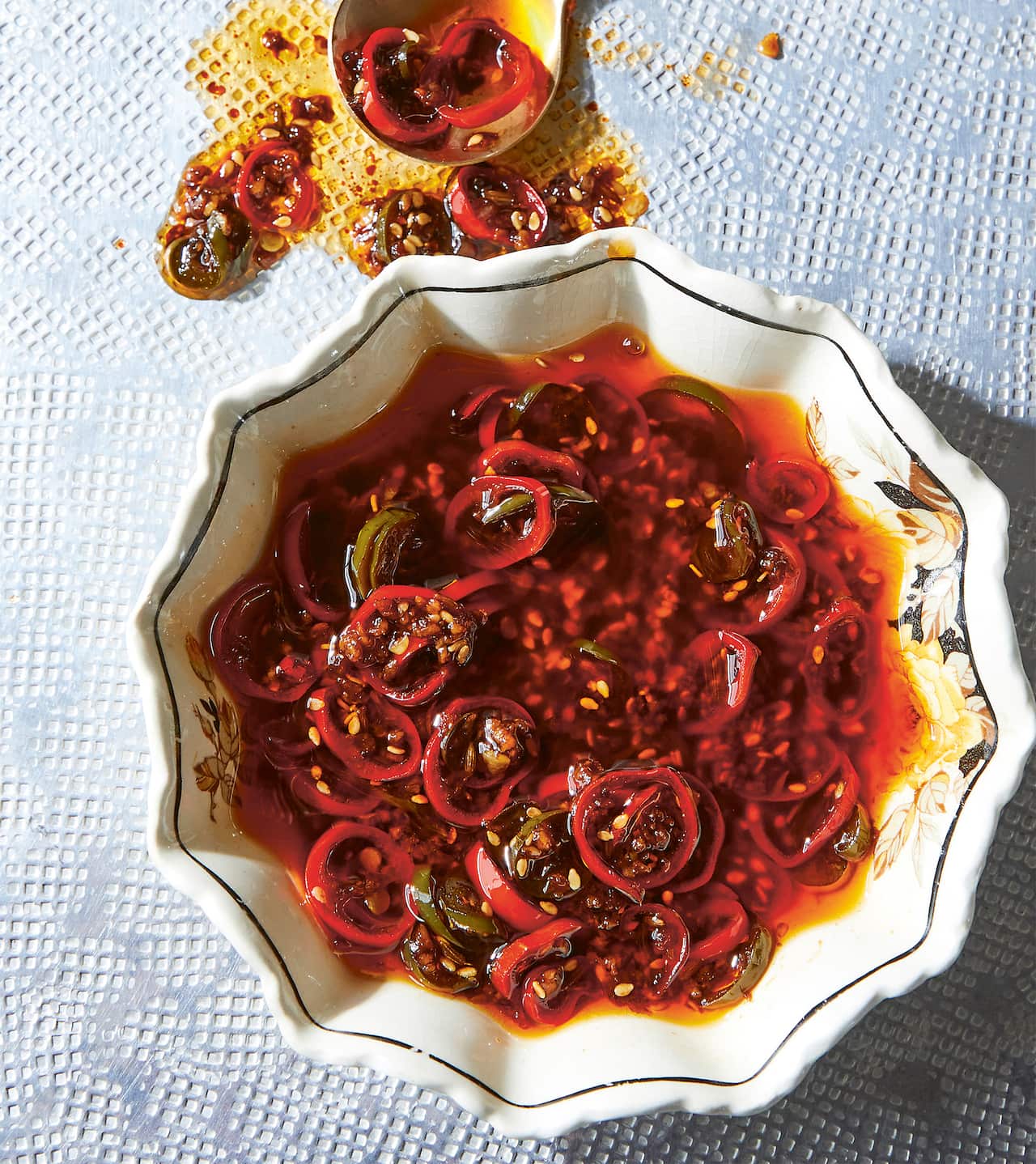
There’s a really deep spicing and lovely length of heat in this dressing, with red and green chilli and the warmth of chilli oil, sesame oil and cumin all brought together with the brightness of Chinkiang vinegar and fresh coriander. I love it on dumplings, on fried eggs or simply as a dressing for thicker noodles like udon or hand-cut noodles with shredded cucumber and a little sesame paste.
Perfect soy dressing
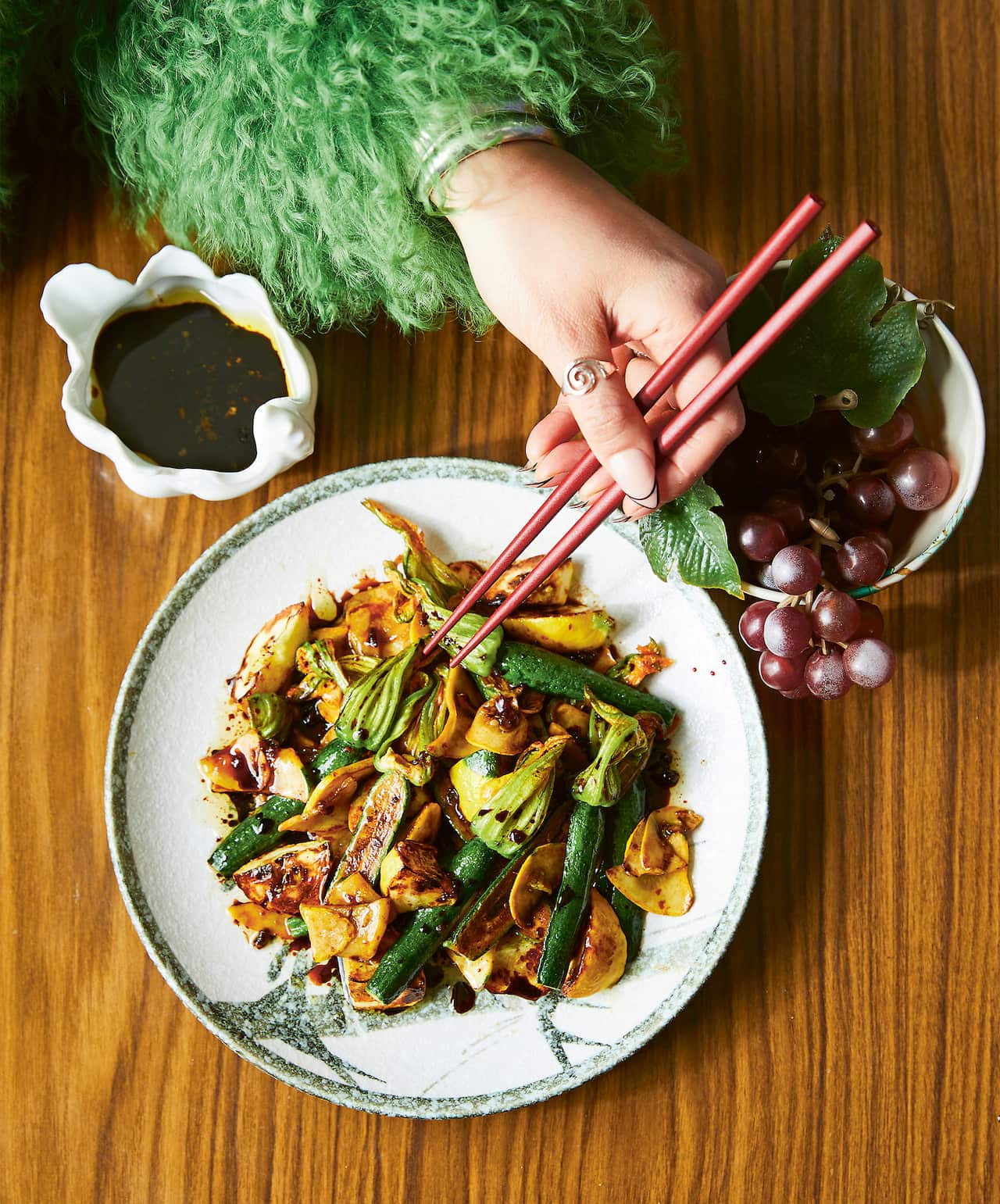
This has been my go-to simple stir-fry sauce for years. At Etta, my forever-favourite dish was a golden square of fried egg tofu topped with perfectly tender, smoky seasonal vegetables that had been tossed in a perforated wok over the woodfire to capture the wok hei – the breath of the wok. The dish won many fans in its lifetime. It was the most wonderful way to celebrate the best of the season using a bright, savoury dressing that let the vegetables speak for themselves.
This all-purpose sauce is perfectly balanced, with just the right amount of acid to enhance sweetness, supporting notes of aromatic ginger and garlic, and just enough soy sauce to enrobe the dish in umami. I use olive oil for this vinaigrette-style dressing – the soy and vinegar dial up its fruity characteristics and give it a much broader application than your regular stir-fry sauce. This sauce is genuinely good stir-fried with anything – use a little neutral oil to get the hot sear going for your ingredients, then add the sauce right at the end when the heat is off. It’s also fantastic tossed through shredded, blanched potatoes (cooked for 1½ minutes) with a chilli oil drizzle.
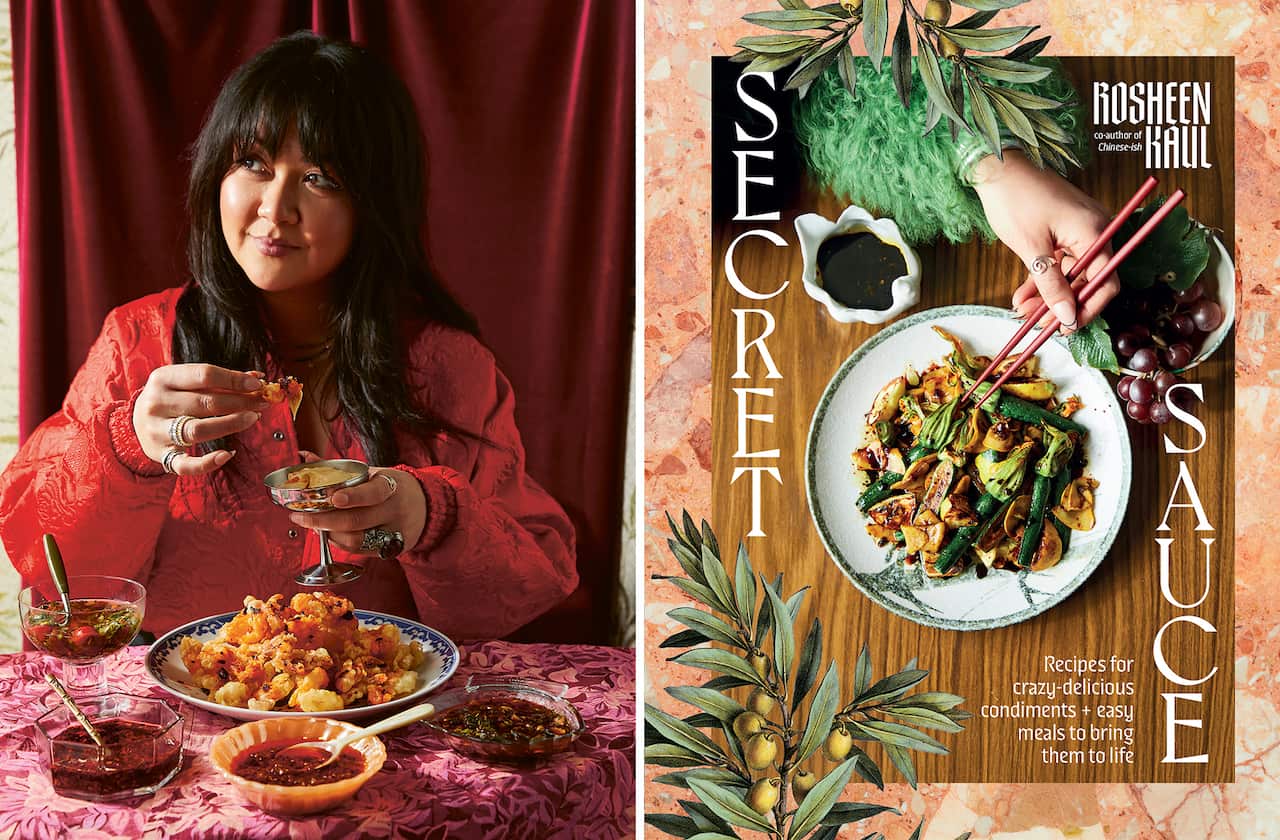
This is an edited extract from Secret Sauce by Rosheen Kaul, photography by Armelle Habib (Murdoch Books, $39.99)

SBS Food is a 24/7 foodie channel for all Australians, with a focus on simple, authentic and everyday food inspiration from cultures everywhere. NSW stream only. Read more about SBS Food

Have a story or comment? Contact Us