
ባሕሎች ከሀገር ሀገር በሚለያዩባቸው እና ባሕላዊ በዓላት የራሳቸውን ወግ በሚከተሉባቸው የዓለም ክፍሎች፣ የእናት ቀን በምዕራቡ ዓለም እንደሚታየው ዓይነት መደበኛ ዕውቅና ሳይሰጠው በአርምሞ ያልፋል።
በእርግጥ በአሁኑ ወቅት በበርካታ ሀገሮች፣ በተለይም በከተሞች ውስጥ፣ ቀኑ ቀስ በቀስ እየታወቀ ቢመጣም፥ ከምዕራባውያን አገሮች አንጻር ሲታይ ግና እስካሁን የንግድ መልክ አልተላበሰም።
በአንዳንድ ማኅበረሰቦች ውስጥ እናቶችን ማክበር በዕለት ተዕለት ሕይወት ውስጥ የሚገለፅ፣ ከባሕላዊ ሕይወታቸው ጋር የተጋመደ በመሆኑ፥ የቀን ውስንነት አስፈላጊ ሆኖ አይታይም። አንዳንድ ሃያስያንም 'እናቶች የቀን መቁጠሪያን ጠብቆ በሚመጣ አንድ ቀን ብቻ ሳይሆን በየቀኑ ሊከበሩና ሊወደዱ ይገባል' ብለው ይከራከራሉ።
ምንም እንኳን የእናት ቀን ይፋዊ የሕዝብ ወይም የሃይማኖት በዓል ባይሆንም፣ ለብዙዎች ጥልቅ ትርጉም ያለው አጋጣሚ ነው ማለት ይቻላል። ይህም ቆም ብሎ ለማሰብ፣ ለማሰላሰል እና እናቶችን በሁሉም መልካቸው ለማክበር የሚሆን ጊዜ ነው።
እናቶችን ለማክበር፣ ድካማቸውን ለማድነቅ፣ ጥንካሬያቸውን ለማወደስ፣ እንዲሁም በነፃና በሙሉ ልብ የሚሰጡትን ወደር የለሽ ፍቅርና አስተዋጽዖ ዕውቅና ለመስጠት የሚሆን ቀን ነው።
የእናት ቀን ከአበቦች፣ ከስጦታዎች ወይም ከዘመናዊ ክብረ በዓላት ባለፈ፣ እናቶች በቤተሰብ፣ በማኅበረሰብ እና በሀገር ላይ ያላቸውን ጥልቅ ተፅዕኖ ማስታወሻ ሆኖ ያገለግላል ወይም ሊያገለግል ይችላል። ይህ እናትን የማክበር ተፅዕኖ ደግሞ ቀኑ ካለፈ በኋላም ዓመቱን ሙሉ ዞሮ እስኪመጣ የሚዘልቅ አሻራ ይተዋል።
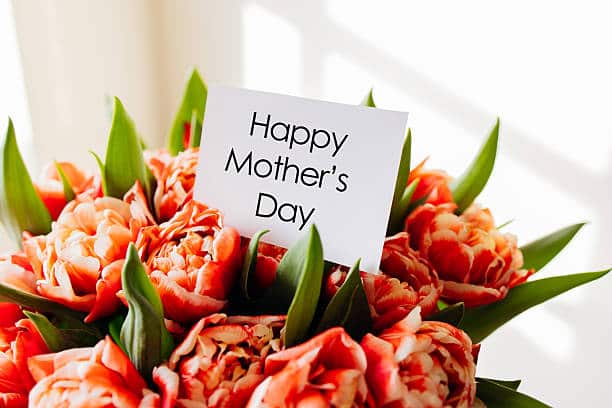
ለጥቂት ጊዜ ቆም ብለን የእናትን ሕይወት በእውነት ብንመለከት፣ የተወሳሰበውን የማንነቷን፣ የሥራ ድርሻዋንና የአስተዋጽዖዋን ባሕሪይ መረዳት እንጀምራለን።
እያንዳንዱን ቀን በተለያዩ የኃላፊነት ደረጃዎች ውስጥ፣ በሚያስደንቅ ቅልጥፍና፣ ጥንካሬ እና ትዕግስት ሚናዋን እየቀያየረች ትጓዛለች። ቀን ከሌሊት፣ ብዙ ጊዜ ያለ ዕረፍት ትሠራለች፤ ለሚፈልጓት ሁሉ ሁልጊዜም ዝግጁ ነች።
የእነዚህ ኃላፊነቶች ክብደት ቢኖርም፣ ማኅበረሰቡ እያንዳንዱን ሚና እንከን በሌለው መልኩ እንድትወጣ ይጠብቅባታል። ስለሆነም የእናት ቀን ከበዓልነት በላይ ነው። በዓለም ዙሪያ ያሉ እናቶች በየቀኑ የሚገልጡትን ፍቅር፣ ጥንካሬ፣ ልፋት፣ ጽናት እና የአእርምሞ ጀግንነት እውቅና እንድንሰጥ የሚያሳስብ ማስታወሻ ነው።
ለሠራተኛ እናቶች እና ላጤ እናቶች ደግሞ ሸክሙ ከዚህም ይከብዳል። የአባትነትንም ሚና ጨምሮ የተለያዩ ኃላፊነቶችንና ሚናዎችን ይሸከማሉ። በገጠር አካባቢዎች ብዙ እናቶች ውሃ ለመቅዳት፣ ምግብ ለማዘጋጀት፣ ከብቶችን ለመንከባከብ ወይም በእርሻ ቦታዎች ረጅም ሰዓታት ለመሥራት ለሊቱ ሳይነጋ መነሳት ግድ ሊላቸው ይችላል።
ድካማቸው በውጭው ሥራ አያበቃም። ወደ ቤት ሲመለሱም ሌላ ሙሉ የሥራ ፈረቃ የሚጠይቀውን የልጆች እንክብካቤ፣ ምግብ ማብሰል፣ ጽዳት እና ስሜታዊ ድጋፍ የመስጠት ሥራ ያከናውናሉ።
የመንግሥት እና የሌላ መሥሪያ ቤት ለቤታቸው የገቢ ምንጭ ለማግኘት የሚደክሙ እናቶች ደግሞ ድርብ ሸክምን ይሸከማሉ፤ ለኑሮ መሥራት እና ቤተሰብን መንከባከብ። የሥራ ቀጠሮዎችን ከህፃን ልጅ የሽንት ጨርቅ ከመለወጥ፣ የምግብ ዝግጅት፣ እንዲሁም ድካምን ከፍቅር ጋር ያጣጥማሉ። የሚከፈለውም ሆነ የማይከፈለው ልፋታቸው ቤተሰብንና ማኅበረሰብን አጽንቶ ያቆያል፤ ሆኖም አብዛኛው ድካማቸው ሳይታይና እውቅና ሳይሰጠው ይቀራል።
የእናት ሥራ በአካል፣ በስሜትና በሥነ-ልቦና ረገድ ምን ያህል አድካሚ እንደሆነ ቆም ብለን የምናስተውለው አልፎ አልፎ ነው። ቤተሰብን ማስተዳደርና ልጆችን ማሳደግ ቀላል ሥራ አለመሆኑን ሁላችንም ብናውቅም፣ እናት በየቀኑ የምትሸከመውን ክብደት ግን ብዙ ጊዜ እንዘነጋዋለን።
የምታከናውነው አብዛኛው ሥራ የማይታይ ነው። ቤተሰብ በተኛበት እንቅልፏን አጥታ የምታደርጋቸው ሥፍር ቁጥር የሌላቸው ክንዋኔዎች አሉ። ልቧ በደከመበት ጊዜ እንኳ የምትሰጠው ስሜታዊ ድጋፍ፣ ቤተሰቡን አንድ አድርጎ የሚይዘው በዝምታ የተዋጠ ልፋቷ ነው።
የጎደለውን የምታስተውል፣ ፍላጎቶች ሳይነገሩ አስቀድማ የምትረዳ፣ የልጆቿን ጭንቀት የምትጋራ፣ ገና በለጋነታቸው ሊሸከሙት ከማይችሉት ሸክም የምትከልላቸው እናት ናት። ሥራዋ የመውጫ ሰዓት፣ የቅዳሜና እሁድ እረፍት፣ ወይም ውደሳ ባይኖረውም፤ ለቤቷ፣ ለማኅበረሰብና ለትውልድ መሠረት ነው።
ለእናትነት ሚና መደበኛ ስልጠና የሚወስድ የለም። አንዳንዶቹ ከገዛ እናቶቻቸው ወይም ከታላላቅ ሰዎች በማየት ይማራሉ፤ ሌሎች ደግሞ መጻሕፍትን ወይም የኢንተርኔት መረጃዎችን ይጠቀማሉ። ነገር ግን የኢንተርኔት አገልግሎት ውስን በሆነባቸውና የትምህርት ዕድል ባልተስፋፋባቸው የገጠር አካባቢዎች፣ እናትነት ያለ ምንም መመሪያ ወይም ግብዓት ይጀምራል።
ከእነዚህ እናቶች መካከል አንዳንዶቹ ራሳቸው ገና ወጣት ሴቶች ሆነው ሳለ፣ በድንገት ከዕድሜያቸው በላይ የሆነ ኃላፊነት ተጭኖባቸው በሚያስደንቅ ድፍረት ይቀበሉታል። በእውነቱ፣ እያንዳንዷ ሴት ወደ እናትነት ስትጓዝ ፈጽሞ አዲስ ወደሆነ ዓለም እንደመግባት ነው፤ ይህም ምዕራፍ ተግዳሮቶች፣ አዳዲስ እውነታዎች እና ወደር የሌለው ፍቅር የሚገለጡበት ነው።
ይህ የሚጀምረው ሕይወት በማህፀኗ ውስጥ መፈጠር ከጀመረበት፣ የመጀመሪያውን የልብ ትርታ ከሰማችበት፣ የሕፃኑን እንቅስቃሴ ካስተዋለችበት፣ ወይም ከእርግዝና አለመመቸትና ጥርጣሬዎች ጋር የአካሏን መለወጥ ካየችበት ቅጽበት አንስቶ ነው። ከዚያ ጊዜ ጀምሮ፣ ሕይወቷ ሙሉ በሙሉ ልትዘጋጅበት በማትችለው መልኩ ይለወጣል።
እያንዳንዷ ሴት ወደ እናትነት ስትጓዝ ፈጽሞ አዲስ ወደሆነ ዓለም እንደመግባት ነው፤ ይህም ምዕራፍ ተግዳሮቶች፣ አዳዲስ እውነታዎች እና ወደር የሌለው ፍቅር የሚገለጡበት ነው።
ሐኪሞች ባልተገኙባቸውና ክሊኒኮች በራቁባቸው የገጠር አካባቢዎች ለሚኖሩ እናቶች እርግዝና በዝምታና በብቸኝነት ያልፋል። ያለ ሕክምና ክትትል ወይም ያለ አልትራሳውንድ ሕይወትን ይሸከማሉ።
የመውለጃው ጊዜ ሲደርስ፣ በተለምዶ አዋላጆች ወይም በማኅበረሰቡ ውስጥ ባሉ ትላልቅ ሴቶች እርዳታ ይወልዳሉ፤ ይህም በተገቢው የሕክምና ክትትል ሊቃለሉ የሚችሉ አደጋዎችን ያስከትላል። የእናትነት ጉዟቸው በጽናት፣ በድፍረት እና በሁኔታዎች አስገዳጅነት በሚገኝ ጥንካሬ የታጀበ ነው፤ ይህም ለሚያልፉበት ፈተናና ወደፊት ለሚገፋቸው ፍቅራቸው ድምፅ አልባ ምስክር ነው።
እርግዝናዋ እየገፋ ሲሄድ፣ ትንሹን ልጇን በዓይነ ሕሊናዋ መሳል ትጀምራለች። አንዳንዶቹ ጥቂት ልብሶችን በመግዛት እና ልጃቸውን የሚያቅፉበትን ጊዜ በማለም ቀደም ብለው ይዘጋጃሉ። አዲሱን የቤተሰብ አባል ለመቀበል መላው ቤተሰብ በጉጉት ይሞላል። ነገር ግን በገጠር አካባቢዎች የሕፃናት ሱቆች ወይም የተጌጡ መኝታ ቤቶች የሉም።
ይልቁንም ትናንሽ ልብሶችን በእጅ ይሰፋሉ፣ ከዘመድ አዝማድ ያረጁ ልብሶችን ይሰበስባሉ፣ ወይም በጎረቤቶች ደግነት ይተማመናሉ። ዝግጅታቸው እንደ ገጠር ሕይወት ዘይቤ ነው፣ ዝምተኛ፣ ተግባራዊ እና በማኅበረሰብ ልማዶች ውስጥ ጥልቅ ሥር ያለው።
እናትነት ለሁሉም ሰው በተመሳሳይ መንገድ አይገለጥም። አንዳንዶች የመውለድን ምጥ ብቻቸውን ይጋፈጣሉ። ሌሎች ደግሞ ከዚያ የከፋ ሐዘን ይደርስባቸዋል። ልጃቸውን ለማቀፍ የማይታደሉ፣ ወይም በመውለድ ሂደት ሕይወታቸውን አጥተው ጨቅላ ልጃቸውን ለዘመድ አዝማድ እንክብካቤ ትተው የሚሄዱ እናቶች አሉ። የእነዚህ እናቶች ታሪካቸው ሊታሰብ የማይችል የመስዋዕትነት ክብደት አለው።
ልጆቻቸውን ለማቀፍ ዕድል ካገኙት መካከል እንኳ፣ ሁሉም ሲያድጉ የማየት ዕድል ላይኖራቸው ይችላል። ብዙ እናቶች ለልጆቻቸው የተሻለ የወደፊት ሕይወት ለመፍጠር ሲሉ የስደት ምርጫን ወስደው፣ ከልጆቻቸው በባሕርና በየብስ ርቀው ይኖራሉ። ፍቅራቸው በደብዳቤዎች፣ በስልክ ጥሪዎች፣ በገንዘብ ዝውውሮች እና መስዋዕትነታቸው ለልጆቻቸው የተሻለ ሕይወት ያመጣል በሚል ተስፋ ድንበር ተሻግሮ ይዘልቃል።
ብዙ ስደተኛ እናቶች የልጆቻቸውን ፎቶግራፍ በፍቅር ከጎናቸው ያኖራሉ። ርቀቱ ሊሸከሙት የማይችሉት ሲሆንባቸው ፎቶውን በማየት ይጽናናሉ። ሆኖም ጮሌ ስልክ ወይም ቀላል ፎቶግራፍ እንኳ የሌላቸው ስፍር ቁጥር የሌላቸው እናቶች አሉ፤ እነሱም በሚደበዝዙ ትዝታዎች እና አልፎ አልፎ በሚደረጉ አጫጭር ጥሪዎች ይጽናናሉ። አንዳንዶቹ ከልጆቻቸው ጋር ሆነው በድህነት መኖር ወይም ልጆቻቸውን ትተው ለተሻለ ሕይወት መሰደድ በሚል አዳጋች ምርጫ ውስጥ ያሉ ላጤ እናቶች ናቸው።
በጦርነት ቀጠና ውስጥ ለሚገኙ ወይም በእሥር ላይ ለሚኖሩ እናቶች ደግሞ መለያየቱ ይበልጥ ያማል። አንዳንዶቹ ከጥቃት ለማምለጥ ልጆቻቸውን ከዘመድ ጋር ትተው ምንም ሳይዙ ይሰደዳሉ። ሌሎች ደግሞ በድንበር ወይም በኬላዎች ይገደባሉ።
በእሥር ቤት ላሉት ደግሞ፣ ግድግዳዎቹ አብረው ሊያሳልፏቸው የማይችሏቸው አጋጣሚዎች ዕለታዊ ማስታወሻ ይሆኑባቸዋል። የልደት ቀናት፣ የምረቃ በዓላት፣ ሠርግ እና ልጆቻቸው እናታቸውን አጠገባቸው በሚፈልጉበት የዝምታ ጊዜያት ሁሉ ያመልጧቸዋል። ዓመታት ያልፋሉ፤ ዳግም ሲገናኙም እነዚያ "ትንንሽ ልጆች" ጎልማሶች ሆነው ያገኟቸዋል። ጊዜ ይሄዳል፣ ፍቅራቸው ግን አይለወጥም።
ለሌሎች እናቶች ደግሞ ዕጣ ፈንታው ከዚህም የከፋ ይሆናል። አንዳንዶቹ ለልጆቻቸው የዕለት ጉርስ ለማቅረብ በአሰቃቂ ሁኔታዎች ውስጥ ለመሥራት ወይም ጥቃቶችን ለመታገስ ይገደዳሉ። ሌሎች ደግሞ አደገኛ ቆሻሻዎችን በማጽዳት፣ በፋብሪካዎች ውስጥ ረጅም ሰዓታት በመሥራት፣ ወይም በሚበደሉባቸው ቤቶች ውስጥ በማገልገል አድካሚ ሥራዎችን ይሰራሉ።
ብዙዎቹ ጠባብ ክፍሎች ውስጥ ይኖራሉ። በሚገባ አይመገቡም። እንዲሁም በቂ እንቅልፍ ሳያገኙ ወደ ቤት ገንዘብ ለመላክ በየቀኑ ይተጋሉ። አካላቸው ይዝላል፣ ልባቸው በመለያየት ይቆስላል፤ ቢሆንም ግን ድካምንና መከራን በሚቋቋም ፍቅር ተገፋፍተው ጉዟቸውን ይቀጥላሉ።
ሌሎች ደግሞ ሕይወታቸውን በአእምሮና በአካል ሕመም፣ በከባድ በሽታ ወይም በአካል ጉዳት ውስጥ ያሉ ልጆቻቸውን ለመንከባከብ ይሰጣሉ። ለእነዚህ እናቶች ቀኖቻቸው በዕንባ፣ በሐዘን፣ በሆስፒታል ምልልስ እና ልጆቻቸው ሲሰቃዩ በማየት ስሜታዊ ክብደት የተሞሉ ናቸው።
አንዳንዶቹ እናቶች ደግሞ ጥቃት፣ ችላ መባል ወይም ሌሎች አሳማሚ ገጠመኞች የደረሱባቸውን ልጆች ያሳድጋሉ። እነዚህ እናቶች ያለ እንቅልፍ የሚያድሩባቸውን ምሽቶች፣ የባህሪይ ተግዳሮቶችን እና ልጆቻቸው በውስጣቸው የሚያደርጉትን የማይታይ ፍልሚያ ያለ ባለሙያ እርዳታ ወይም ያለ ማኅበረሰብ ግንዛቤ ይጋፈጣሉ። በገጠር አካባቢዎች እነዚህ ተግዳሮቶች ይበልጥ ይከብዳሉ። ክሊኒኮች በሩቅ ናቸው፣ የልዩ ባለሙያ እንክብካቤም የቅንጦት ይሆናል።
ብዙ እናቶች ልጆቻቸው መሠረታዊ እንክብካቤ እንዲያገኙ ሲሉ የገዛ ጤናቸውን፣ ትምህርታቸውን እና ዕድላቸውን መስዋዕት ያደርጋሉ። የማኅበረሰብ መገለል ደግሞ ሌላው የችግር አካል ነው። የአካል ጉዳተኝነትን በተመለከተ ያለው የተሳሳተ አመለካከት አሁንም ጠንካራ በመሆኑ፣ እናቶች ያለ ስሜታዊ ድጋፍ ወይም ያለ ባለሙያ መመሪያ ብቻቸውን እንዲታገሉ ይተዋሉ።
አንዳንዶቹ ወቀሳ፣ ፍርድ ወይም ስለ ልጃቸው ሁኔታ የሚነገሩ ጎጂ ተረቶችን ይጋፈጣሉ፤ ይህም ጉዟቸውን ይበልጥ ያሳምመዋል። ዕለታዊ ሕይወት የጽናት መፈተኛ ይሆናል። መራመድ የማይችሉትን ልጆች ያነሳሉ፤ መናገር የማይችሉትን ያረጋጋሉ፤ እንዲሁም የገዛ ሕመማቸውን መረዳት የማይችሉትን ያስታምማሉ። ይህ ሁሉ ተግዳሮት ቢኖርም፣ የእናዚህ አይነቶቹ እናቶች ጽናት አስደናቂ ነው።
ያለ ስልጠና ወይም እውቅና ነርሶች፣ አማካሪዎች እና ጠባቂዎች ይሆናሉ። ጥንካሬያቸው ዝምተኛ ቢሆንም ኃያል ነው፤ ይህም ቤተሰባቸውን ብቻ ሳይሆን የገጠር ማህበረሰብንም ይቀርጻል። እነዚህ ሴቶች ጀግንነት ሁልጊዜ በጩኸት የሚገለጥ እንዳልሆነ ያስታውሱናል፤ ይልቁንም ርቀው ባሉ መንደሮች፣ በትህትና በተሞሉ ቤቶች እና ተስፋ በማይቆርጡ እናቶች የማይለወጥ ፍቅር ውስጥ ይኖራል።
ለሌሎች ደግሞ ሕመሙ ሌላ መልክ አለው። ልጆቻቸው በእስር ላይ ያሉባቸው እናቶች፣ በመስታወት በኩል እየጎበኟቸውና የናፈቃቸውን ልጃቸውን ማቀፍ ባይችሉም ዕንባቸውን እየተቆጣጠሩ መመሪያና መጽናኛ ይሰጣሉ።
ሌሎች ደግሞ በሆስፒታል አልጋ አጠገብ ለወራት ወይም ለዓመታት ይቀመጣሉ፤ ማሽኖች ለልጆቻቸው ሲተነፍሱ እያዩ፣ ተአምር እየተመኙ፣ ወይም የማይታሰበውን መራራ እውነት ለመቀበል ራሳቸውን እያዘጋጁ፣ ዓመታትን ሳይሆን ቅጽበታትን ይቆጥራሉ፤ እያንዳንዱን ፈገግታ፣ እያንዳንዱን ትንፋሽ እና የተሰጣቸውን እያንዳንዱን ቀን ያደንቃሉ።
በገጠር አካባቢዎች እንኳ እነዚህ ሁኔታዎች ያለ ሆስፒታል ወይም የሰለጠነ ሐኪም ይፈጸማሉ። እናቶች የታመሙ ልጆቻቸውን በቤት ውስጥ ያስታምማሉ፤ ክሊኒክ ለመድረስ ለብዙ ኪሎ ሜትሮች ይሸከሟቸዋል፣ ወይም ሕይወት አድን ሕክምና እንደሌለ ሲረዱ በተለምዶ መድኃኒቶችና በአዋቂዎች ምክር ይተማመናሉ። እነዚህ እናቶች ራሳቸው በደከሙበት ጊዜ እንኳ ትዕግስትን፣ እንክብካቤን እና ፍቅርን እያፈሰሱ አስታማሚ፣ ጠበቃ፣ ጠባቂ እና ፈዋሽ ይሆናሉ።
ለአንዳንዶች ደግሞ እናትነት ወደ ትራጄዲነት ይለወጣል። ልጆቻቸውን በደስታ ተቀብለው በበሽታ፣ በአደጋ ወይም በጦርነት ሊያጡ ይችላሉ።
ለወላጅ የገዛ ልጁን ከመቅበር በላይ ጥልቅ ሕመም የለም፤ ይህም በወላጆች ልብ ውስጥ ለዘላለም የሚኖርና በሕይወት ዘመናቸው ሁሉ የሚከተላቸው ጠባሳ ነው።
በገጠር አካባቢዎች እነዚህ አሳዛኝ ሁኔታዎች ብዙ ጊዜ በቤት ውስጥ ይከሰታሉ። እናቶች የታመሙ ልጆቻቸውን ይዘው የሚጠሩት ሐኪም፣ የሚመጣ አምቡላንስ የለም። እርዳታ ፍለጋ ለሰዓታት ተጉዘው ዘግይተው ይደርሳሉ። አንዳንድ ጊዜ ክሊኒክ ቢደርሱም ተዘግቶ ወይም በቂ ሠራተኛ ሳይኖረው ያገኙታል። ልጆች በቀላል መድኃኒት ሊታከሙ በሚችሉ እንደ ወባ፣ የሳምባ ምች ወይም ተቅማጥ ባሉ በሽታዎች ይሞታሉ። የመውለድ ችግሮች፣ የእባብ ንክሻዎችና አደጋዎች እርዳታ ርቆ በመገኘቱ ብቻ ለሕይወት አስጊ ይሆናሉ።
ሌሎች በድህነት ውስጥ ያሉ እናቶች ራሳቸውንም ሆነ ልጆቻቸውን በአግባቡ መመገብ አይችሉም። ልጆቻቸው ሲከሱ ያያሉ። ልጆቻቸው እንዲበሉ የገዛ ምግባቸውን ቀንሰው በየምሽቱ በረሀብ ይተኛሉ። ልጆቻቸው በሥርዓተ-ምግብ እጥረት ሲዳከሙ በማየት ልባቸው ይሰበራል፤ ነገ ከዛሬው የከፋ ሊሆን ይችላል የሚል ስውር ፍርሃትም ይከተላቸዋል።
በጦርነት ውስጥ ለሚኖሩ እናቶች ደግሞ ሕመሙ አሳዳጅ ነው። ልጆቻቸው ከጥይት ሲሸሹ ወይም ከፍንዳታ ሲደበቁ ያያሉ፤ በሳይረን ድምፅም ይንቀጠቀጣሉ። አንዳንዶች ልጆቻቸው በታጣቂ ቡድኖች ሲወሰዱ ወይም በግርግር ወቅት ሲለያዩባቸው ይመለከታሉ።
ሌሎች ደግሞ የመለያያ ጊዜ እንኳ ሳይኖራቸው ልጆቻቸውን በጊዜያዊ መቃብሮች ይቀብራሉ። ብዙዎች ስለ ልጆቻቸው ወሬ ለመስማት ያለ እንቅልፍ ያድራሉ። ጥርጣሬው የራሱ የሆነ ስቃይ አለው። እነዚህ ኪሳራዎች የማይሽር ቁስል ይተዋሉ። ሆኖም በሐዘን ውስጥም ቢሆን፣ እነዚህ እናቶች የልጆቻቸውን ትዝታ ይዘው ጉዟቸውን ይቀጥላሉ።
እናትነት ከወሊድም በላይ ይዘልቃል። ብዙ ሴቶች ባዮሎጂያዊ እናቶች ባይሆኑም፣ ለልጆች የሚሰጡት ፍቅር፣ እንክብካቤ፣ ትምህርትና መመሪያ በሁሉም ትርጉሙ እናት ያደርጋቸዋል። የእንጀራ እናቶች፣ መምህራን፣ አክስቶች፣ እህቶች፣ አያቶች፣ ጓደኞች እና ተንከባካቢዎች ሁሉ የእናትነትን መንፈስ ይሸከማሉ።
ይህ እውነት በአጋጣሚ ወይም በአሳዛኝ ሁኔታ ልጆቻቸውን ብቻቸውን የሚያሳድጉ አባቶችንም ያካትታል። ፀጉር መጎንጎንን፣ በፍቅር ምግብ ማብሰልን፣ መንከባከብንና ማስተማርን ይማራሉ። ርኅራኄን ከጥንካሬ ጋር በማጣመር ሙሉ የወላጅነት ሚናን ይወጣሉ።
ሁላችንም ዛሬ እናቶቻችን አጠገባችን ላይኖሩ ይችላሉ። አንዳንዶች እናቶቻቸውን ፈጽሞ አያውቋቸውም። ሌሎች ደግሞ በለጋነታቸው አጥተዋቸ ይሆናል። አንዳንድ እናቶች ታመው ይሆናል፣ ወይም ሌሎች ደግሞ በሕይወት የሉም፤ ቢሆንም በልባችን ውስጥ ለዘላለም ይኖራሉ።
እያንዳንዳችን እናት ወይም የእናትነትን ሚና የተወጣ፣ በፍቅሩና በመስዋዕትነቱ የቀረጸን ሰው አለን። አሳዳጊ እናቶች፣ የእንጀራ እናቶች፣ አክስቶች፣ አያቶች እና መምህራን፤ የእነሱ ታማኝነትና ፍቅር ወጣት ሕይወቶችን ይቀርጻል። እናትነት በሁሉም መልኩ ጊዜ የማይሽረው አሻራ ይተዋል።
በተለያዩ ባሕሎች፣ ቋንቋዎች፣ ልማዶች፣ ስነ-ጥበብ እና ሃይማኖቶች እናቶች ሁልጊዜም ይወደሳሉ፤ ይከበራሉ። በቅዱሳት መጻሕፍትም ሆነ በጥንታዊ ወጎች ከፍተኛ አክብሮት ይሰጣቸዋል። ዛሬ እና በየቀኑ እናቶቻችንን በሕይወታችን ውስጥ ስላፈሰሱት ፍቅርና እንክብካቤ እናመስግናቸው።
ስለ እናትነት ዘርፈ-ብዙ መልክ ስናስብ፣ የእናት ደህንነት የእሷ ብቻ ሸክም አለመሆኑን ማስታወስ ይኖርብናል። ቤተሰብ፣ ማኅበረሰብ እና መንግሥት እሷን የመደገፍ ኃላፊነት አለባቸው፤ ባዮሎጂያዊ እናትም ትሁን፣ ሁለቱንም ሚና የምትጫወት ላጤ እናት፣ የእንጀራ እናት፣ የልጅ ልጆቿን የምታሳድግ አያት፣ የሁለቱንም ሚና የሚሞላ ላጤ አባት፣ ወይም በፍቅር እናት የሆነች ሴት።
እናቶችን ማክበር ከምስጋና በላይ ነው፤ ደህንነታቸውን፣ ጤናቸውን፣ ትምህርታቸውን እና ኢኮኖሚያዊ ዕድሎችን ማረጋገጥ ማለት ነው። መስዋዕትነታቸው ሳይታይ የማይቀርበት፣ ልጆቻቸውን በክብር የሚያሳድጉበት አካባቢ መፍጠር ማለት ነው። እናቶችን መደገፍ ለማኅበረሰባችን እና ለሀገራችን የወደፊት ተስፋ የሚደረግ መዋዕለ-ንዋይ ነው።
'ለእናት የሚሰጥ ምርጡ ስጦታ ምንድነው?' ተብሎ ቢጠየቅ፣ መልሱ ቀላል ነው። እሷን ማሰብ፣ ማክበርና ማድነቅ፤ መደወል፣ ማመስገን፣ የደስታ ቅጽበት መፍጠር። በሕይወት ከሌለች ደግሞ፣ የዘላለም ዕረፍትን የሚመኝ ጸሎትና የፍቅር ሐሳብ መላክ፤ ምክንያቱም የእናት ፍቅር አይቆምም፣ የእኛም ፍቅር፣ ትዝታና አድናቆት ሊቆም አይገባም።
ለተወደደችው እናቴ ወይዘሮ ግላዲስ ኢማም፣ ለእናቶች ሁሉ፣ እኛን ላሳደጉ ልቦች፣ ነፍሶች እና እጆች ሁሉ፣
መልካም የእናት ቀን!
****************************************************************
Every Day is Mother's Day
Mother's Day has been celebrated for more than a century, first officially observed in the United States in 1908, and today, many parts of the world prepare for it every year with familiar enthusiasm. But the day is not universally observed in the same way.
In many parts of the world, where traditions vary from region to region, and cultural celebrations follow their own customs, Mother's Day often passes quietly, without the formal recognition seen elsewhere.
In some communities, the idea of dedicating a single day to mothers feels unnecessary, because honouring mothers is woven into daily life, expressed through respect, shared responsibilities, and longstanding customs.
In other places, especially in urban centres, the day is slowly gaining visibility, though it remains far less commercialised than in Western countries.
Some critics argue that mothers deserve to be cherished every day, not just on a calendar date. And while Mother's Day is not an official public or religious holiday, it remains a deeply meaningful occasion and moment for many: a time to pause, reflect, and honour mothers in all their forms.

Beyond flowers, gifts, or modern celebrations, it stands as a reminder of the profound impact mothers have on families, communities, and the nation, an impact that continues long after the day itself has passed.
If we pause for a moment and truly look at the life of a mother, we begin to see the multifaceted nature of her roles and contributions.
She moves through each day wearing multiple hats, shifting between roles with remarkable agility, strength, and patience.
She works around the clock, day and night, often without rest, and remains available to everyone around her who needs her. And despite the weight of these responsibilities, society expects her to perform each role flawlessly.
Mother's Day, then, is more than a celebration. It is a reminder to acknowledge the love, strength, hard work, resilience, and quiet heroism that mothers all over embody every single day.
For working mothers, the load is even heavier.
In rural areas, many rise before dawn to fetch water, prepare meals, tend to livestock, or work long hours on farms, only to return home to another full shift of childcare, cooking, cleaning, and emotional caregiving.
In towns and modern cities, mothers juggle demanding jobs, long commutes, and workplace pressures while still being expected to manage the home. Whether in fields, factories, offices, markets, or homes, these women carry a double burden: earning a living and nurturing a family.
Their labour, both paid and unpaid, keeps households and communities thriving, yet much of it remains unseen and unacknowledged.
We rarely pause to recognise just how exhausting a mother's work truly is.
Much of what she does is invisible: the countless decisions she makes before anyone else wakes up, the emotional support she offers even when her own heart is tired.
She is the one who notices what is missing, who anticipates needs before they are spoken, who absorbs her children's worries. Her work has no clock-out time, no weekends, no applause, yet it is the foundation upon which homes, communities, and generations stand.
No mother receives formal training for the role.
Some learn by watching their own mothers; others turn to books or online resources. But for many women in rural areas, where internet access is limited and educational opportunities are scarce, motherhood begins without guidance or resources.
Some of these mothers are themselves still young girls, suddenly carrying responsibilities far beyond their years, yet embracing them with remarkable courage. In truth, every woman enters motherhood as if stepping into an entirely new world.
It begins the moment life begins to grow within her, when she first hears the tiny heartbeat or feels the kick of her little one.
Yet for many mothers in rural areas, where doctors are scarce and clinics are far away, pregnancy unfolds in silence and solitude. They carry life without medical checkups or ultrasounds.
When the time comes to give birth, they rely on traditional midwives or the support of older women in the community, facing risks that could be eased with proper medical care. Their journey into motherhood is marked by resilience, courage, and a strength forged through necessity.
As her pregnancy progresses, she begins to picture her tiny child.
Some mothers begin preparing early, buying a few clothes and dreaming of the moment they will finally hold their baby. But for many women in rural areas, there are no baby boutiques or decorated nurseries. Instead, they sew small garments by hand, gather second-hand items from relatives, or rely on the generosity of neighbours.
Their preparations follow the rhythm of rural life: quiet, practical, and deeply rooted in community customs.
However, motherhood does not unfold the same way for everyone.
Some women face the pain of childbirth alone. Others endure an even deeper heartbreak: mothers who never get to welcome their babies, or who lose their lives during childbirth, leaving their newborns in the care of relatives. Their stories carry the weight of unimaginable sacrifice.
And even among those fortunate enough to hold their children, not all have the privilege of watching them grow. Many mothers live oceans away from their sons and daughters, making the painful choice to migrate so they can provide a better future for the little ones left behind.
Their love stretches across borders, carried in letters, phone calls, and remittances. Many migrant mothers carry photographs of their little ones.
Still, countless others do not have access to smartphones or even a simple photograph, relying instead on fading memories and rare, brief calls. Some are single mothers who face an impossible choice: remain with their children and endure poverty or leave them behind for a better future.
For mothers caught in war zones or living under confinement, the separation is even more painful.
Some flee violence with nothing, leaving children behind with relatives. Others are trapped behind borders or checkpoints. For those in detention or prison, the walls become a daily reminder of the moments they cannot share. They miss birthdays, graduations, weddings, and the quiet moments when their children needed a mother beside them. Years pass, and by the time they reunite, those "little ones" have grown into young men and women. Time moves on, but the love remains unchanged.
For other mothers, destiny takes an even harder turn. Some are forced to work under painful conditions or endure abuse to bring bread to the table.
Others are pushed into harsh, degrading labour, cleaning hazardous waste, working endless hours in factories, or serving in homes where they are mistreated, all in the hope of providing for their children.
Many live in cramped rooms, eat poorly, and survive on little sleep, yet they push through each day to send money home. Some are trapped in exploitative jobs with no legal protection. Their bodies ache, their hearts carry separation, yet they continue, driven by a love that withstands fatigue and hardship.
Others spend their lives caring for children with mental and physical illnesses, chronic sicknesses, or disabilities. Their days are filled with hospital visits and the emotional weight of watching their children struggle.
In rural areas, these challenges are even heavier. Clinics are miles away, and specialist care is almost non-existent. A simple doctor's visit can mean hours of travel and lost wages.
Many mothers sacrifice their own health. Stigma around disability remains strong, and mothers cope alone. Yet their resilience is extraordinary. They become nurses, therapists, and protectors, often without training or recognition. Their strength is quiet but powerful, shaping not only their families but rural society itself.
For others, the pain takes a different form. Some have children behind bars, visiting through glass windows. Others sit beside hospital beds for months or years.
Some face the unbearable reality of terminal illness, cherishing every smile, every breath. In rural areas, even these moments unfold without hospitals or trained doctors. Mothers care for sick children at home, carrying them for miles to reach a clinic, or facing the heartbreak that lifesaving treatment does not exist.
And for some, motherhood becomes a tragedy.
They may have welcomed their children only to lose them to illness, accident, or war. There is no deeper pain than a parent burying their own child. In rural areas, these tragedies often unfold at home. Mothers hold their sick children with no doctor to call, no ambulance to summon. They walk for hours seeking help, only to arrive too late.
Some reach a clinic to find it closed or understaffed. Children die from preventable diseases like malaria, pneumonia, or diarrhoea that could have been treated with a simple antibiotic. Complications during childbirth, snake bites, and injuries become life-threatening simply because help is too far away.
Other mothers in poverty cannot feed themselves or their children properly. They watch their little ones grow thinner. They ration their own meals so children can eat, going to bed hungry night after night. They face the heartbreak of seeing children weakened by malnutrition and preventable illnesses, carrying the silent fear that tomorrow may bring even less.
For mothers living through war, the pain is haunting.
They watch children flee from gunfire or hide from explosions. Some see their sons and daughters taken by armed groups. Others bury children in makeshift graves, with no time for goodbyes.
Many spend sleepless nights waiting for news. The uncertainty becomes its own torment. These losses carve wounds that never fully heal. Yet even in sorrow, these mothers carry on, holding their children's memories close.
Motherhood extends far beyond womanhood.
Many women may never become biological mothers, yet the love and care they pour into children make them mothers in every meaningful sense. Stepmothers, teachers, aunts, sisters, grandmothers, friends, and caregivers carry the spirit of motherhood.
This truth also embraces fathers who, through tragedy or circumstance, find themselves raising children alone. They learn to braid hair, to cook with love, to nurture and teach. They balance softness with strength, embodying the full spectrum of parenthood.
Not all of us have our mothers beside us today.
Some never knew their mothers. Others lost them at a young age. Some mothers are ill or have passed on. Yet each of us has had a mother or someone who stepped into that role, someone whose love, guidance, or sacrifice shaped us. Adoptive mothers, stepmothers, grandmothers, and teachers; their devotion shapes young lives with the same unconditional love. Motherhood, in all its forms, leaves an imprint that time cannot erase.
Across cultures, languages, customs, traditions, and religions, mothers have always been praised and honoured. Today and every day, let us honour our mothers by appreciating the love and care they have poured into our lives.
As we reflect on the countless forms motherhood takes, we must remind ourselves that a mother's well-being is not hers to shoulder alone.
Families, communities, and society share a responsibility to support her—whether she is a biological mother, a stepmother, a grandmother raising grandchildren, a single father filling two roles, or a woman who mothers through love.
Honouring mothers means more than praise; it means ensuring they have safety, healthcare, education, and economic opportunities. It means creating environments where they can raise their children with dignity, where their sacrifices are not invisible.
Supporting mothers is an investment in the future of our communities and our nation.
If one were to ask the best gift for a mother, the answer is simple: to remember her, to honour her, and to appreciate her. To call her, to thank her, to bring a moment of joy.
And if she is no longer among us, to send prayers and loving thoughts that reach her eternally, because a mother's love does not end, and neither should our love and remembrance of her.
To My Beloved Mother, Gladys Imam, to all the mothers, to the Hearts, Souls, and Hands that raised us,
Happy Mother's Day!
Nadia V. Pietro Monaia is an Ethiopian, Eritrean, and Italian multilingual and multicultural PhD research student at the University of Exeter (UK), within the Graduate School of Education at the Faculty of Humanities, Arts, and Social Sciences.
The author can be contacted at: nadiamonaia@gmail.com