


Concepts of motherhood vary from culture to culture. As part of SBS Arabic24's ‘She’ podcast, Arab women who migrated to Australia share how their mothers have influenced the way they raise their own children.
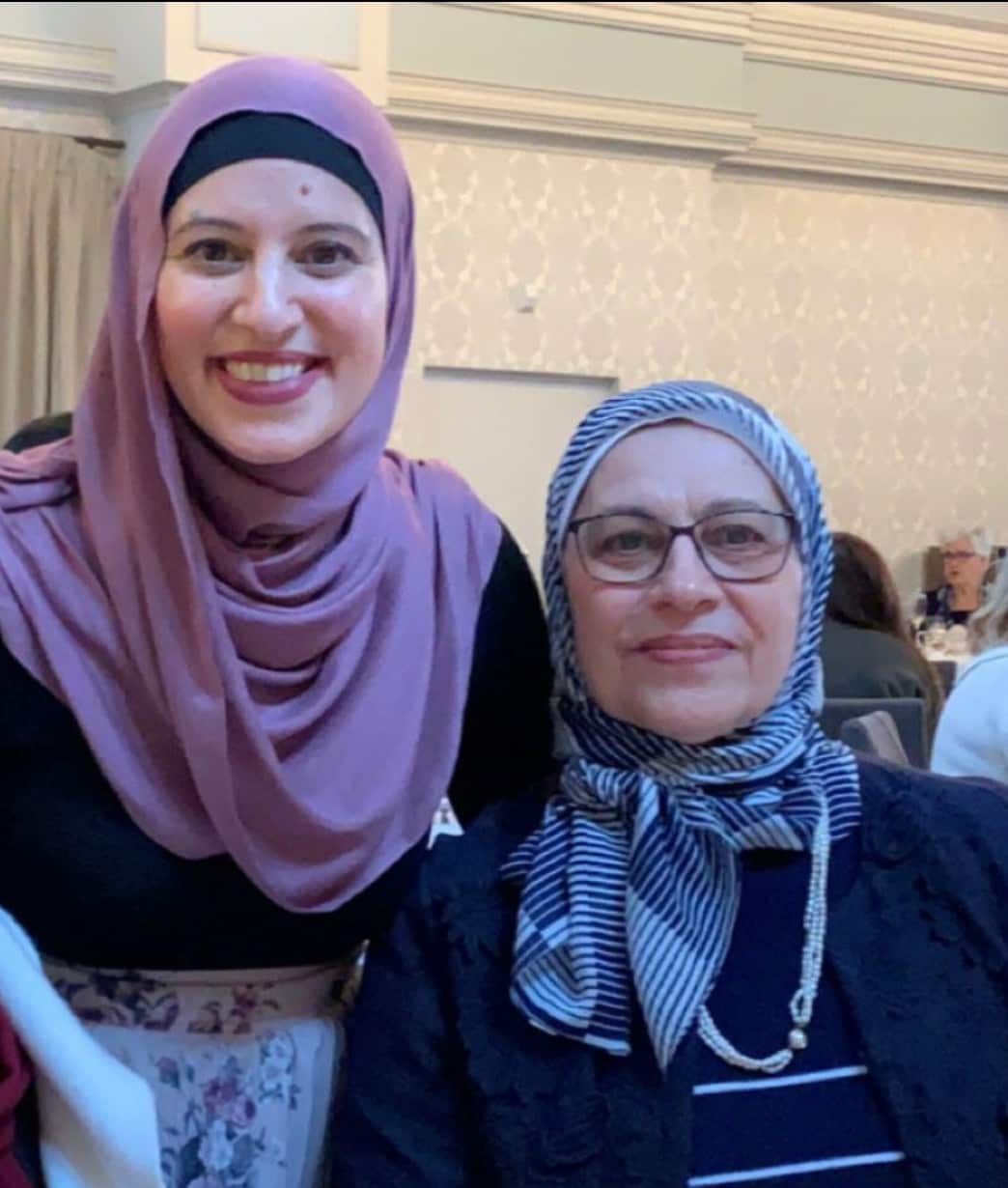
Amal Taki was raised in a conservative home in Tripoli in northern Lebanon.
Growing up without the distractions of technology and electronic devices, she formed a "sacred" relationship with her mother and grandmother.
From them, she learned the basic principles of life and adopted the holy Arab traditions.
We learned sacrifice, forgiveness, kindness and generosity, in addition to respecting elders and helping relatives and the needy. Today I have preserved all these beautiful principles.Amal Taki
Maryam's* (not her real name) childhood experience was rather different, and she says she suffered from her mother’s tough character.
Due to her father's travel commitments, Maryam says her mum took on a dual parenting role.
But according to Maryam, who is also from Lebanon, her mother's excessive care and fear for them made her lose the motherly qualities her children needed.
She says her mother controlled the house in a way that deprived them of their childhood.
My mother was very tough, I did not live my childhood like other children, everything was forbidden.Maryam*

Psychologist and family relations specialist Rand Faeid says, regardless of whether it's borne out of excessive care or fear, no child deserves to be treated harshly.
The mother must be firm, not harsh, and has the awareness to strike a balance between firmness and laxity, which are among the fundamentals of healthy nurturing.Rand Faeid
Amal migrated to Australia from Lebanon at the age of 20, and says she encountered massive societal differences.
Shortly after getting married, she became a mother, with self-discipline central to her parenting style.
Amal says she followed her mum's steps in raising her children, despite being in a country whose customs and traditions differed greatly from what she grew up with.
I used the method of encouragement, not intimidation, so I considered my children as friends of mine. I would sit and talk to them wisely and explain everything in a simple way, so that they would understand the difference between right and wrong.Amal
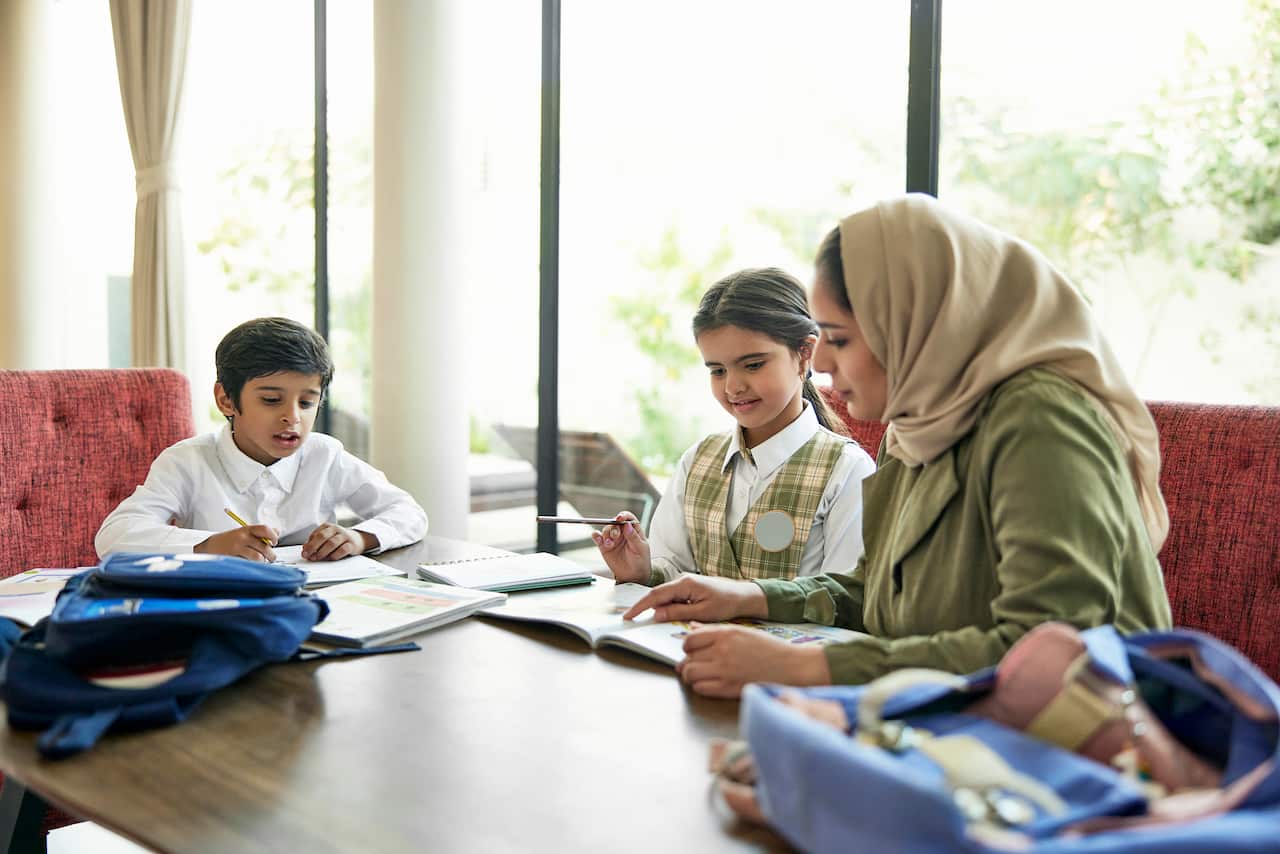
For Hind, Amal’s daughter, this approach has had a lasting legacy on her own parenting.
"I learned from my mother the principles of sacrifice, respect, community service and helping those in need. I also make sure to discuss everything with my children the same way my mother did with me and my siblings," she says.
"This method enables my children to understand what is permitted and what is prohibited, and the reasons behind that.”
As for Maryam, who experienced her mother's tough approach to parenting, she says her ideal way of "taking revenge" was to raise her own children in a completely different way.
At some instances, I do things completely the opposite way my mum used to do with us, even though it may not be right.Maryam
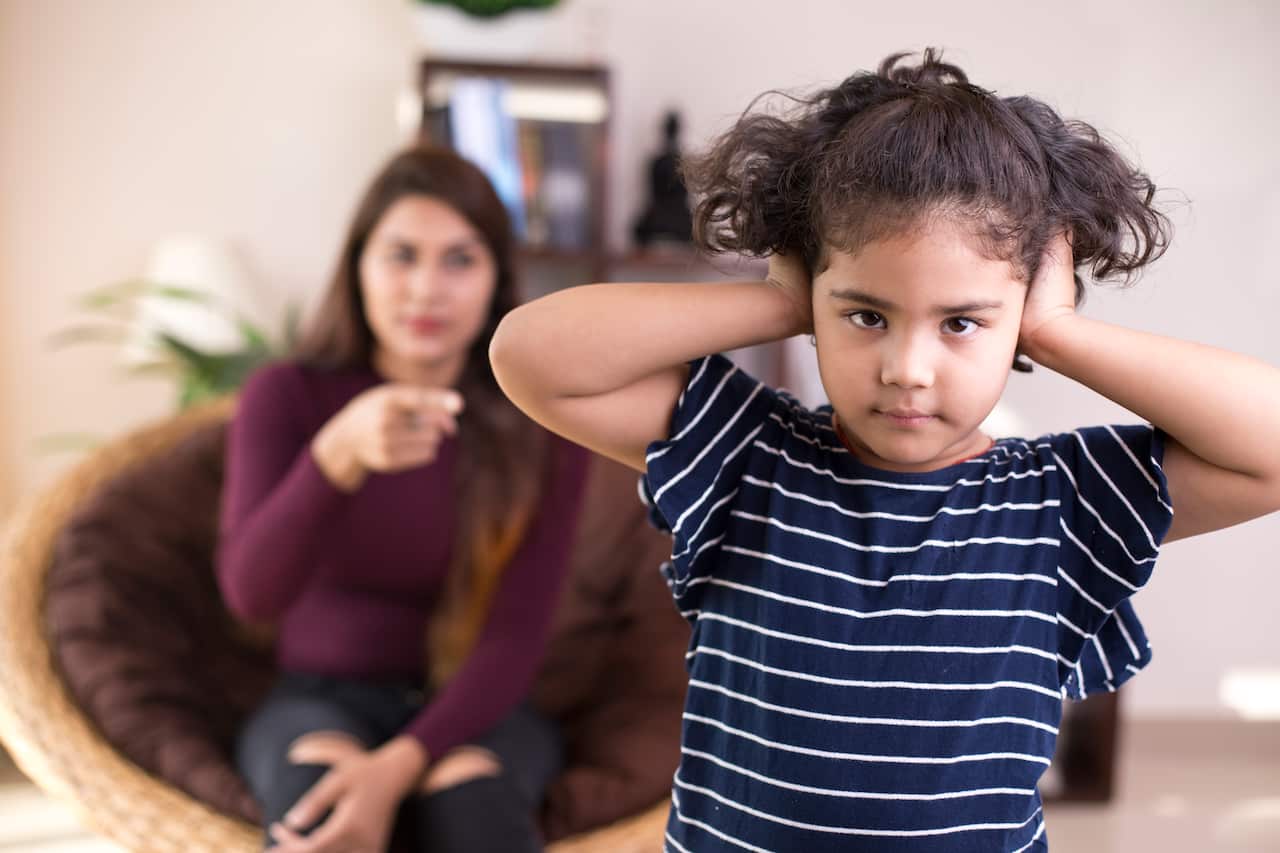
Maryam says there was no place for dialogue in her household growing up, so she tries to compensate by discussing all matters with her children.
She places emphasis on explaining the pros and cons of things, so that her children can make the right decisions themselves without her interference.
In this regard, psychologist Rand Faeid stresses the importance of dialogue between mother and children because of its effective role in enhancing self-confidence and interaction with others.
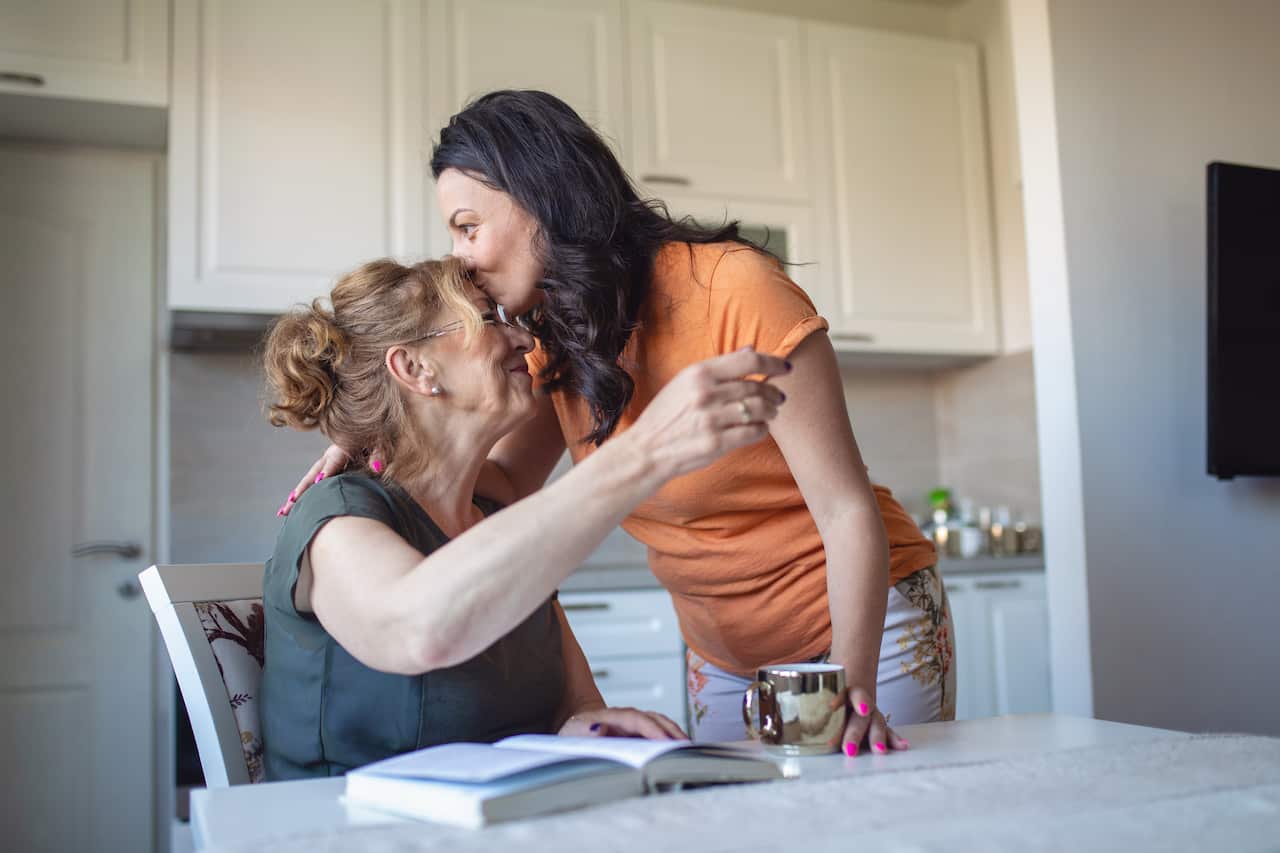
She says the culture of dialogue is not prevalent in Arab societies, which affects a child's personality.
Even though Amal used discussion and encouragement as pillars for her parenting, living in a Western society imposed many challenges.
"The different environment and traditions made things hard, but I was patient and devoted my time to my children even though I was working.
"But I used to choose the right times and choose any opportunity and use it as a lesson and a lesson for them to learn from."
I used the best of the Australian traditions and combined them with the Arabic customs for my children to compare between the best of the two civilisations.Amal
As for Hind, Amal’s daughter, her main concern for raising her children is the widespread use of electronics and technology.
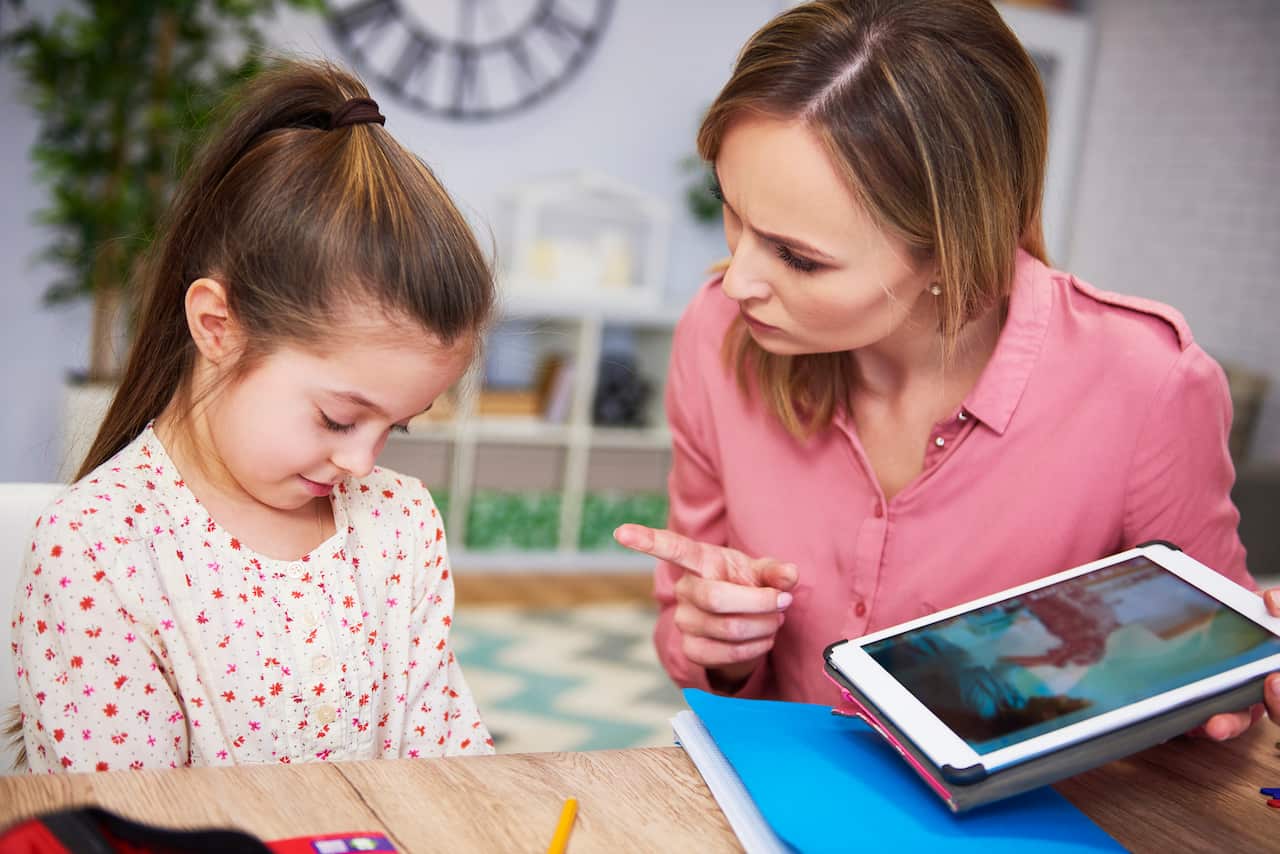
In order to face these challenges, Hind believes that it is necessary to monitor and set limits on the use of these devices and educate children about their dangers.
On the other hand, Maryam believes that the technical revolution and globalisation have opened children’s eyes to different cultures.
She argues that nowadays there is no difference in raising her children in a foreign country compared to her homeland, as long as their relationship is based on honesty and discussion.
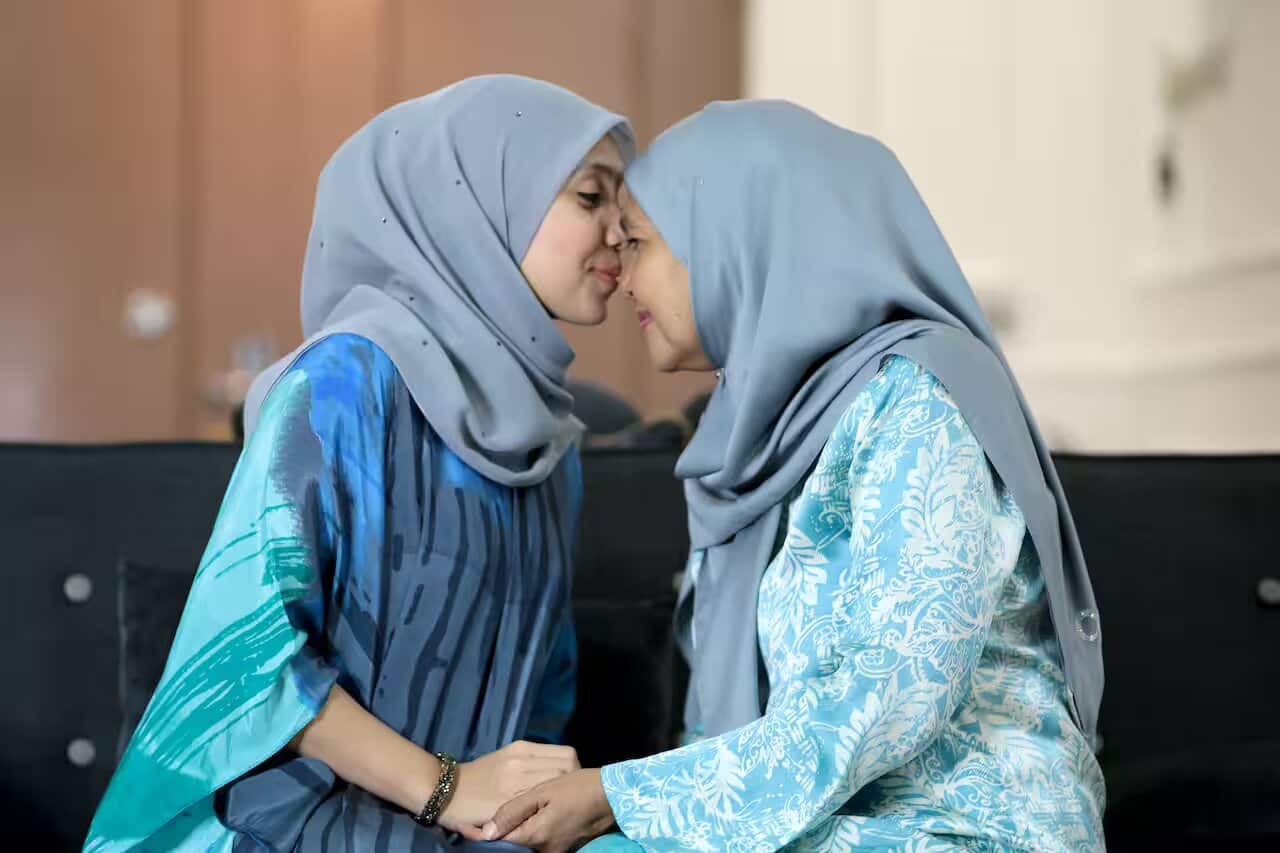
Psychologist Rand Faeid notes that children enjoy many rights in Australia that may not exist in Arab societies, such as the freedom to leave their parents' house upon turning 18.
In her opinion, the only way to ensure that children remain under supervision and face the challenges of raising them in a Western society is to give them unconditional love.
We cannot raise our children as we were raised [in Arab countries]. The only bond that makes our children respect us and listen to us is love, because we have no form of guardianship over our children in this country.Rand Faeid, psychologist

One of the common aspects in Arab societies is for parents to be more lenient with boys than girls. Although Amal was strongly influenced by her mother's nurturing, she did not follow her steps in this matter, and was keen on treating her children equally without any discrimination.
What was not permitted for my girls, was also forbidden for my son especially matters that do not fit our principles and ethics, such as living outside the family home before marriage or establishing relationships outside the frame of official engagement and marriage.Amal
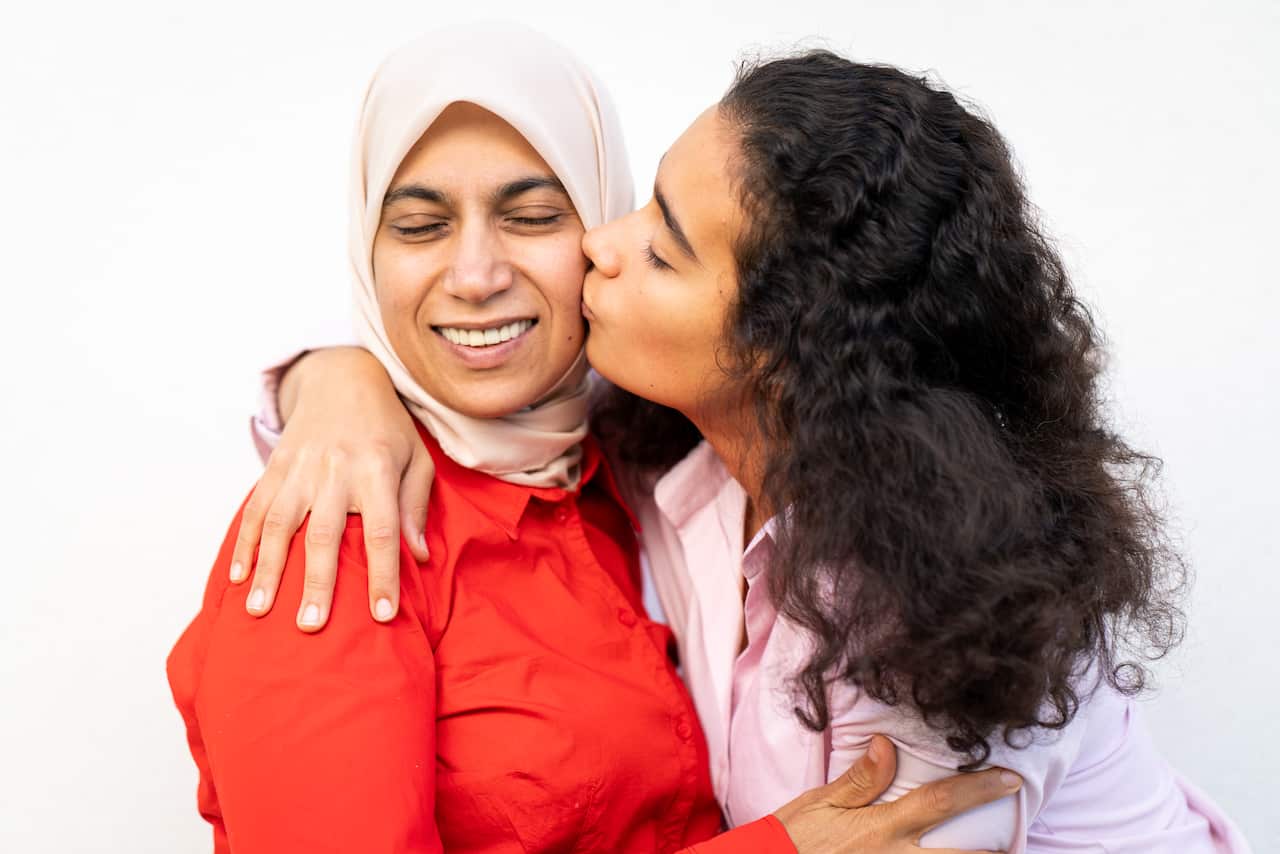
Amal also has her say on who her children decide to get married to. She wants to ensure they choose the right partner to avoid any problems in the future.
In comparison, Maryam believes marriage is a completely personal choice. Therefore, she would never interfere in her children's decisions, even if they choose people of a different nationality or background, as long as they love each other.
No matter what parenting style a mother uses, there will always be differences of opinion.
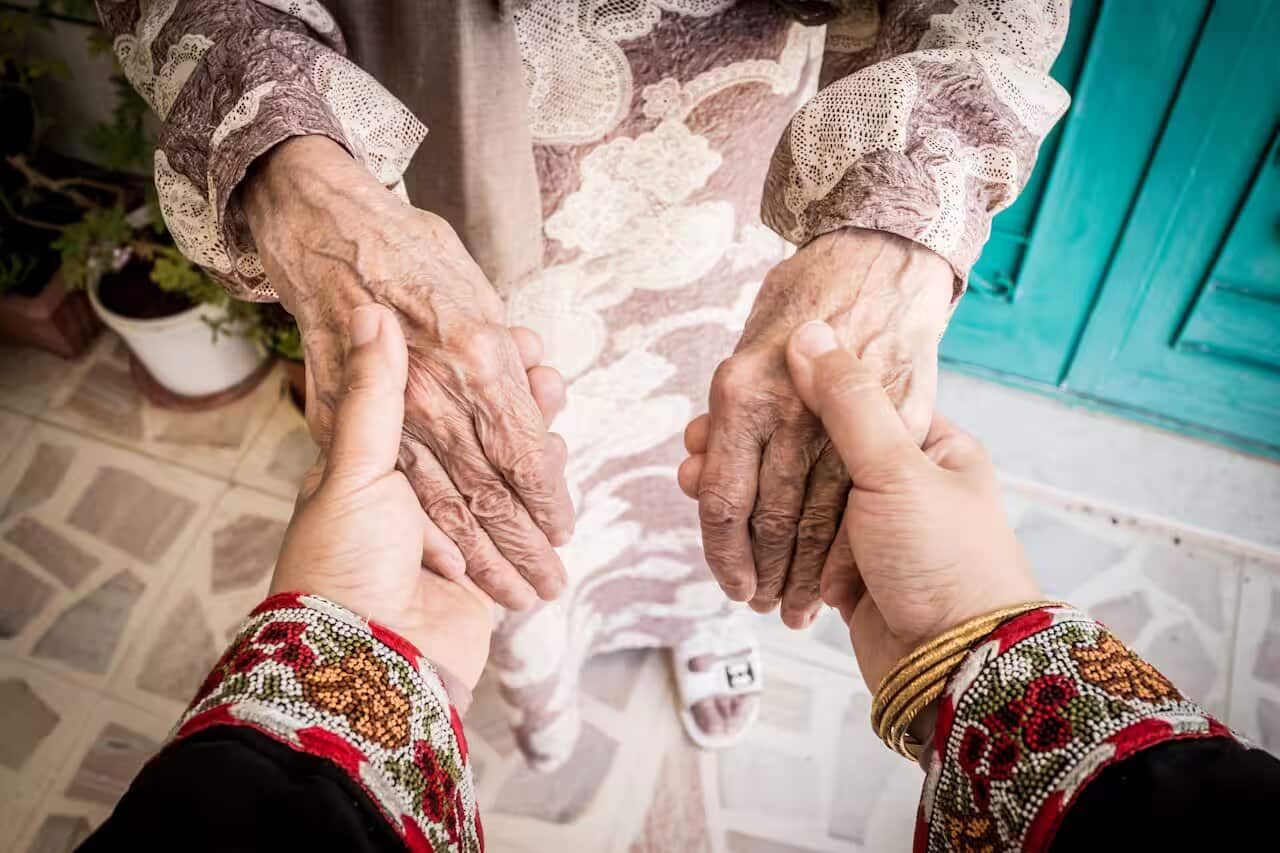
Despite all the gratitude Amal has for her mother, there are some parenting aspects she did not want to pass down to her children.
Instead of having them sacrifice themselves in order to avoid trouble within the family, she taught them to never keep silent when it comes to their right to express themselves.
As for Maryam, she says she grew up as a weak-willed and vulnerable girl as a result of her mother's toughness.
In turn, she wants her children to develop strong personalities and be able to face all the challenges of life.
Psychologist Rand Fayed explains that when a girl grows up suffering from cruelty, she experiences love and emotional deprivation.
"Therefore, some will be aware enough not to repeat her mother's mistakes and expose her children to what she lived.
"Meanwhile, there are mothers who do not have sufficient awareness to acquire new parenting skills, and they follow the example of their mothers because this harsh method is all they know in life."
The three mothers, Amal, Hind and Maryam, agree that no matter how much they sacrifice for their children, they could not do what their mothers did: prioritise their children’s interests completely to the detriment of their own personal life.
Each say that some limits must be set, as a mother must make time for herself and take care of her health in order to remain able to serve her family.
Subscribe and listen to 'She' podcast on the SBS Arabic24 website, SBS Audio app or on your favourite podcast app.





