SKIP TO MAIN CONTENT

What are my basic rights and obligations when approached by police?

police.jpg
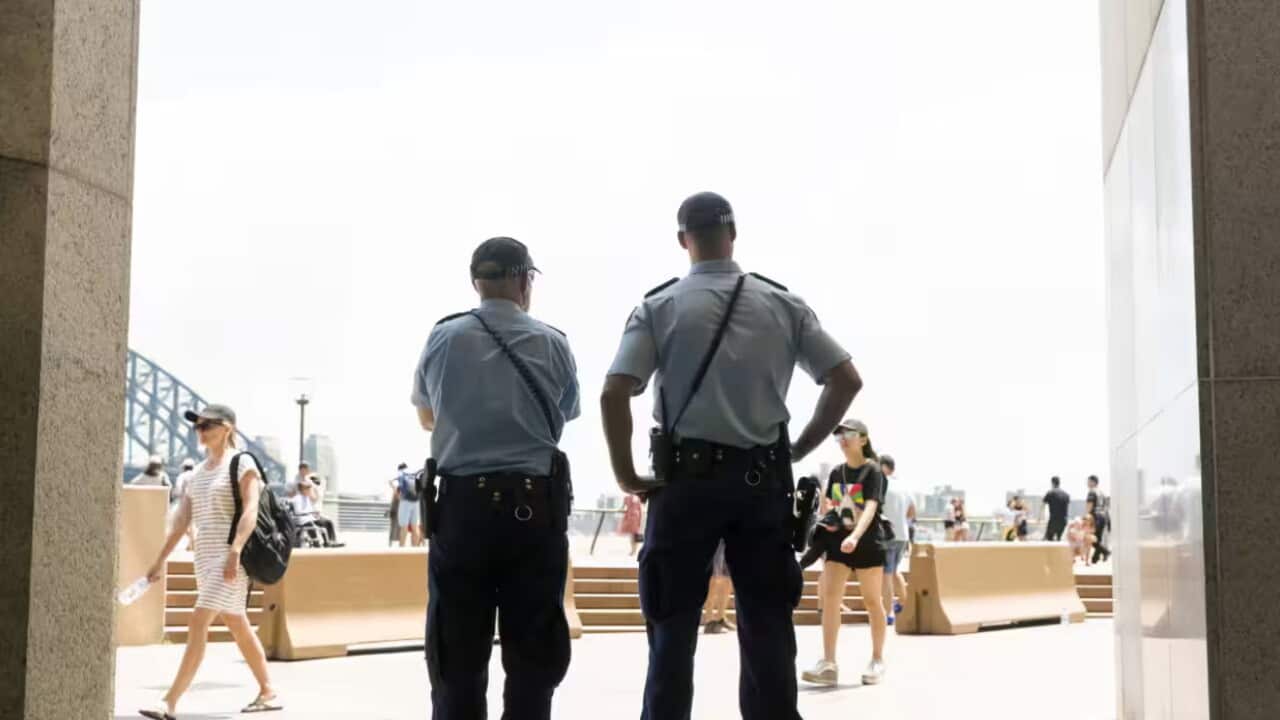
t's common to see police officers patrolling public spaces Credit: imamember/Getty Images

Police officers have a range of operational powers they can exercise under legislation, including to ask questions, give ‘move on’ directions and conduct searches. Here’s what you need to know about your basic rights and obligations in a police interaction.


Published

By Zoe Thomaidou

Presented by Ninos Emmauel

Source: SBS


Skip to podcast episode content

Police officers have a range of operational powers they can exercise under legislation, including to ask questions, give ‘move on’ directions and conduct searches. Here’s what you need to know about your basic rights and obligations in a police interaction.


Key Points

  • Police powers may differ across states and territories.
  • Not complying with a breath test is an offence.
  • You may be legally required to provide identification details but choose not to answer more questions.
  • Seek legal advice if you have concerns about a police interaction.

Read more


Latest podcast episodes

Follow SBS Assyrian

Download our apps

Listen to our podcasts

Get the latest with our exclusive in-language podcasts on your favourite podcast apps.

Watch on SBS

SBS World News

Take a global view with Australia's most comprehensive world news service

Stream now