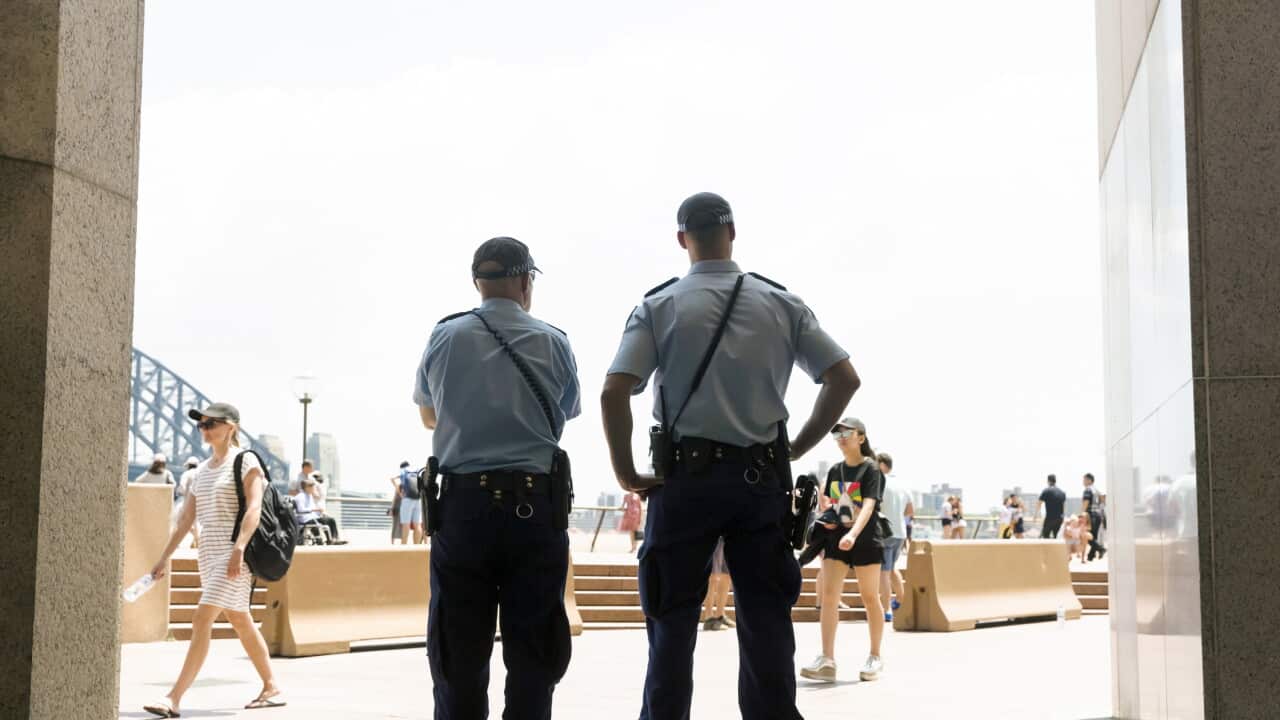

Police officers have a range of operational powers they can exercise under legislation, including to ask questions, give ‘move on’ directions and conduct searches. Here’s what you need to know about your basic rights and obligations in a police interaction.
Key Points
- Police powers may differ across states and territories.
- Not complying with a breath test is an offence.
- You may be legally required to provide identification details but choose not to answer more questions.
- Seek legal advice if you have concerns about a police interaction.
- When can police use force against me?
- What are my basic rights and obligations when approached by police?
- What are move-on orders?
- When can police ask me for ID?
- Can I film the police?
- What if I’m concerned about a police encounter?
Do you know your basic rights if you are stopped by police in Australia?
According to Samantha Lee, assistant principal solicitor at Redfern Legal Centre, many people, whether Australian-born or new to the country, are unaware of limits to police powers.
When can police use force against me?
One common misconception around police powers concerns the use of force.
“It's important for people to know that just because they're police officers, they don't have a right to use force."
They can use force in certain situations, but only if it's reasonably necessary in the circumstances.Samantha Lee
The use of ‘reasonable’ force as a last resort must be proportionate; not more than what is necessary.
There are similar laws across the country for when police can lawfully use force.
However, every jurisdiction in Australia has its own legislation governing police powers.
“So, you do need to check your state and territory laws.”
What are my basic rights and obligations when approached by police?
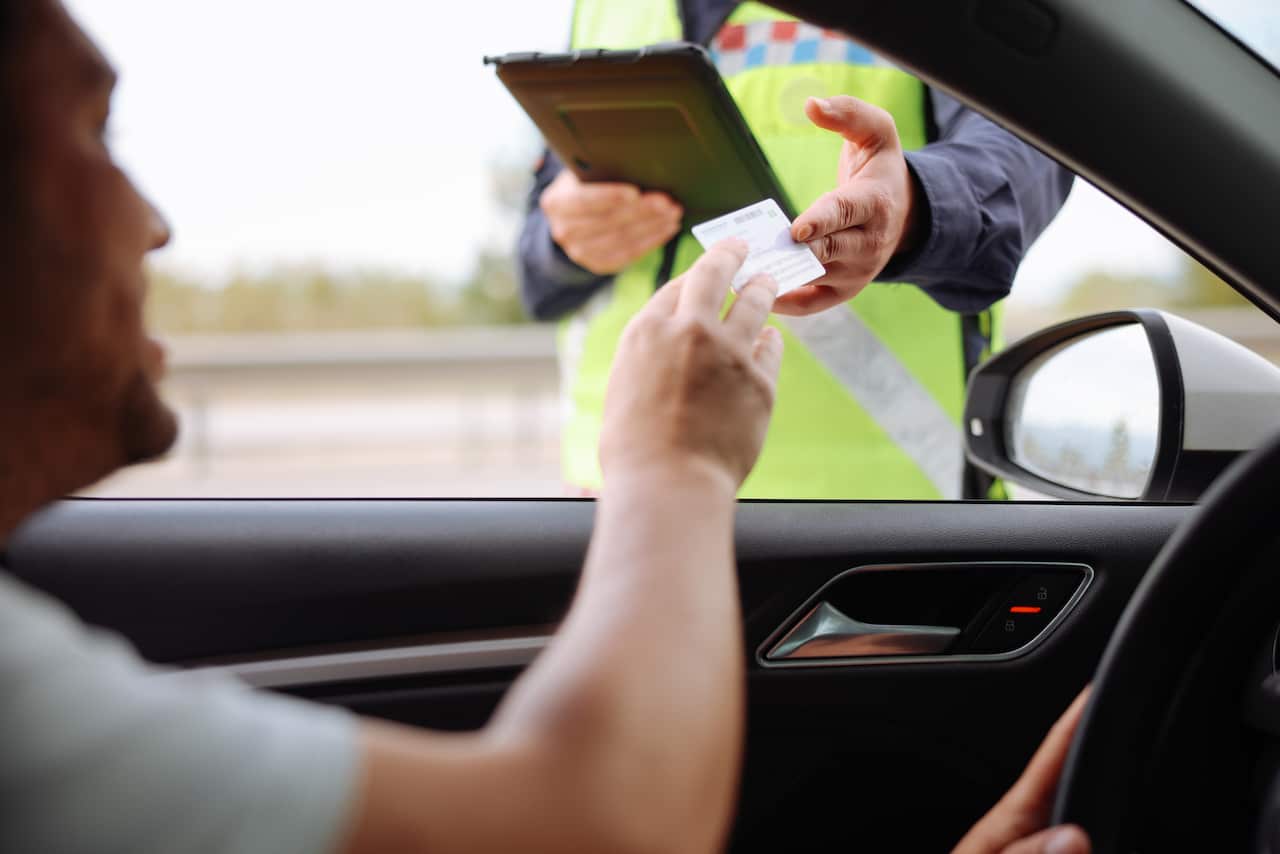
While in certain cases you are required by law to provide identification details, there is no general obligation to carry physical ID in Australia.
However, in most Australian states and territories, you must carry a valid driver's licence whenever you are driving. In some jurisdictions, you may be allowed up to two days to present your driver's licence at a police station if you are unable to produce it when requested.
If police ask for your name and address, they need to tell you the reasons for stopping you and seeking your ID.
In any police interaction, Ms Lee says it’s advisable to ask the officer turn on their body-worn camera.
“And when the footage is turned on, ask them why you have been stopped.”
Exceptions apply, but generally you are not legally obligated to answer more questions beyond identification, Klaire Coles, legal practise director at Brisbane’s Caxton Legal Centre explains.
“People should always be as cooperative as possible […] they can be polite and comply with what is asked, but also not give more information than what police need to perform their job.
“They have a right to remain silent and not to say anything which might incriminate them in a criminal offence,” Ms Coles says.
What are move-on orders?
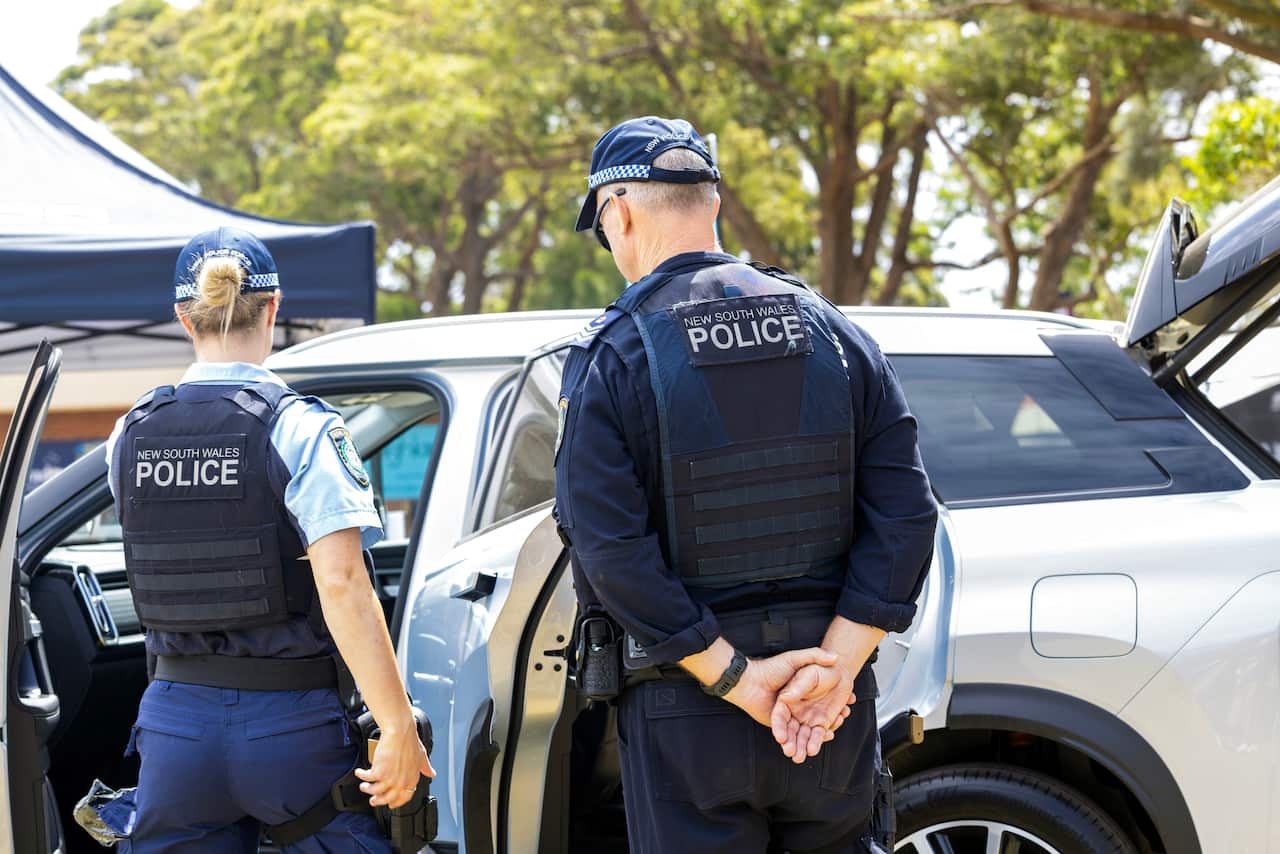
Police can issue legal directives on-the-spot, asking you to leave a public space and stay away for a limited time, typically up to 24 hours.
The law in every jurisdiction specifies the reasons allowing police to exercise move-on powers.
They include cases where they have reasonable belief that you are obstructing traffic, harassing another person or creating a safety risk.
It’s within your rights to ask why they’re issuing a move-on order.
“If you are asked to leave a place or move on from an area, understanding why, for how long, where you have to go, what the police are asking you to do, is really important,” Ms Coles says.
When can police ask me for ID?
Police need a valid reason to ask for your ID in situations specified in state and territory legislation.
Marlene Dixon, director of legal practise at Inner Melbourne Community Legal, outlines the main scenarios:
- If police believe someone has committed or is about to commit an offence
- If someone is driving a car, boat or other vehicle
- If they’re on public transport
- In a place that serves alcohol
- If police believe they have information that could help investigate a serious crime
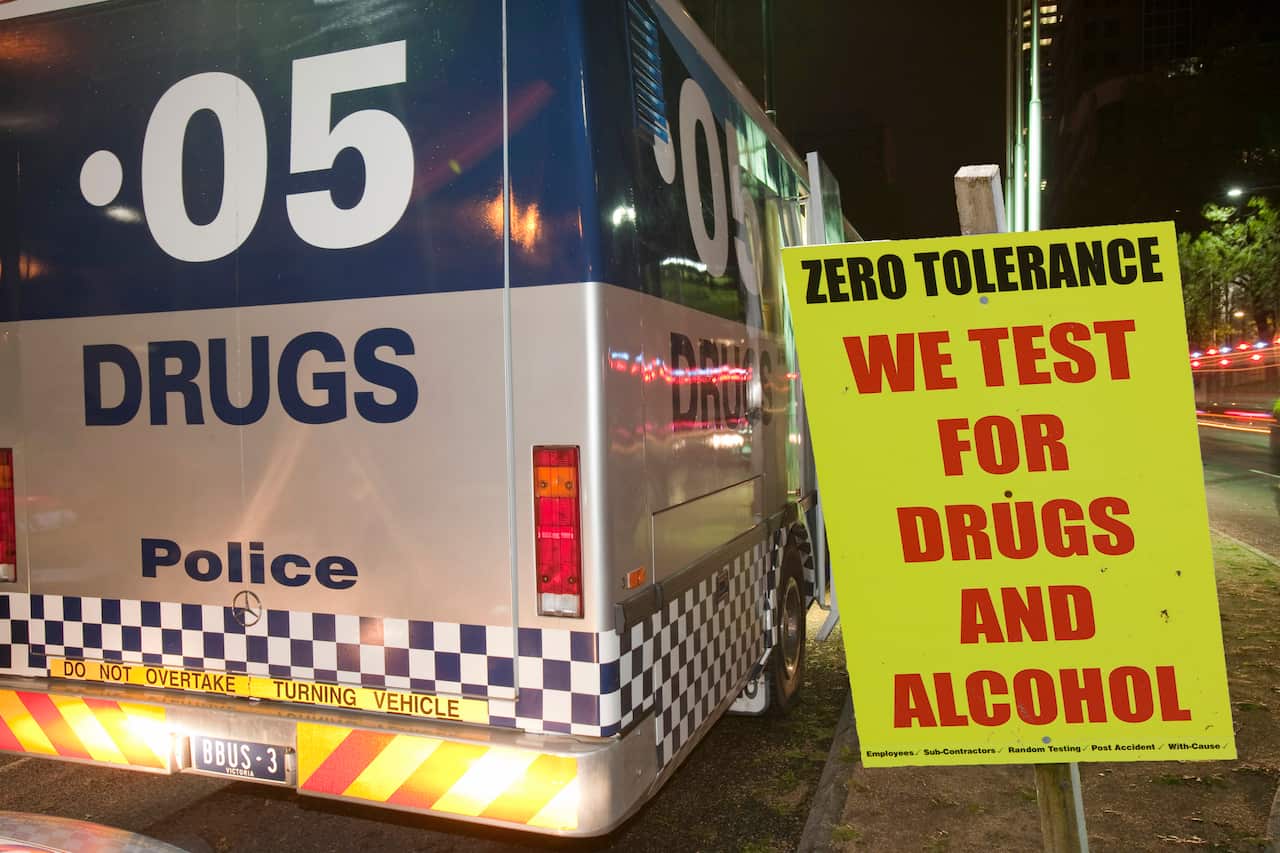
Across Australia, drivers are legally required to pull over if police start their siren or there is a roadside random breath test.
“Police have broad powers when it comes to pulling people over and asking them to submit to a breath test.
You need to comply with a breath test. If you don’t, you can be charged with an offence.Marlene Dixon
Can I film the police?
Filming a police interaction in a public space is allowed across Australia, provided the person filming is not interfering with officers.
“People can film police, but they just need to make sure it's done at a distance and respectfully, such that it's not actually hindering police in their duties,” Ms Dixon says.
Police cannot lawfully confiscate a person’s recording device simply because they are filming them.
“They need to seek the device through formal mechanisms if they're going to do that.”
What if I’m concerned about a police encounter?
Police are mandated to follow legislation and procedures.
“If you think police have acted unlawfully, just rudely or have made a racial slur, you should write down immediately or when you get home what happened,” Ms Lee from Redfern Legal Centre says.
You should also:
- Keep the footage if you filmed the interaction
- Get a doctor’s report and photos if you suffered any injuries
- Seek legal advice.
* This information is general in nature and does not cover all possible scenarios and different laws across jurisdictions. You should seek legal advice for information specific to your situation.
Subscribe to or follow the Australia Explained podcast for more valuable information and tips about settling into your new life in Australia.
Do you have any questions or topic ideas? Email australiaexplained@sbs.com.au