
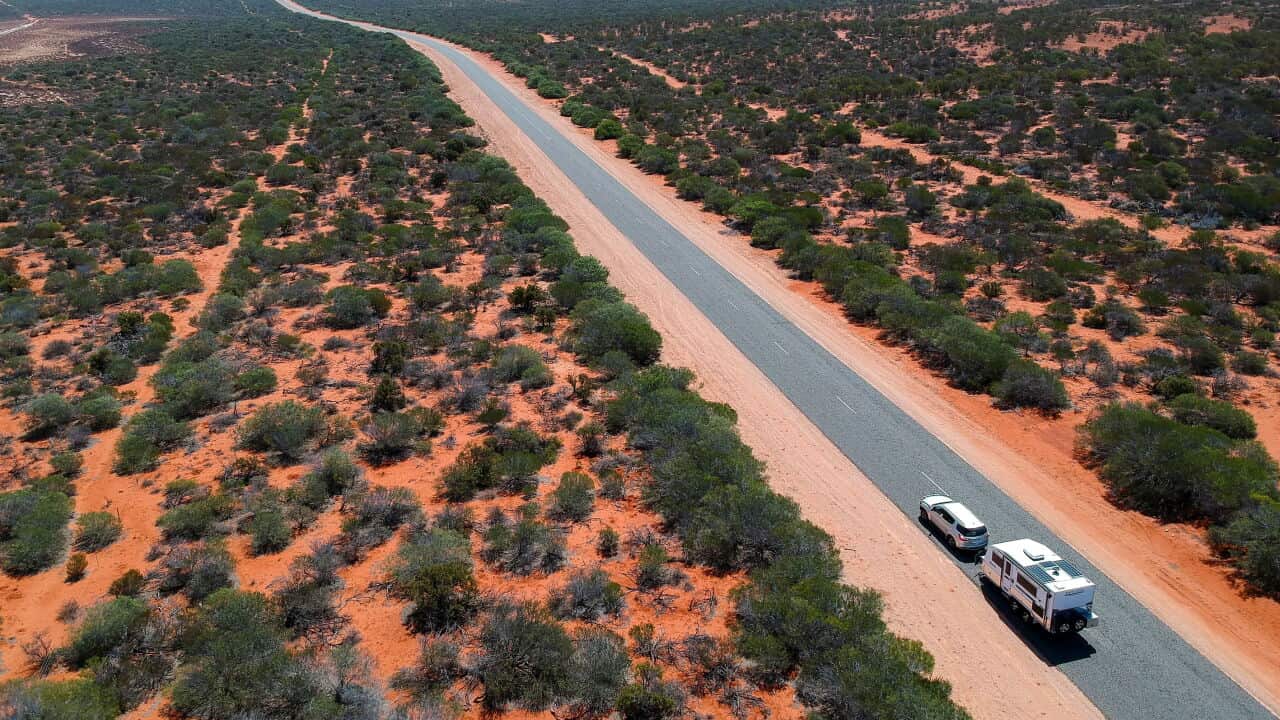

Australia is a vast and diverse country to explore, but driving in rural and remote areas can involve conditions you may not encounter in cities. Knowing what to expect and how to prepare can help you travel more safely and confidently.
Key Points
- Before you leave, make sure your vehicle is roadworthy and you have appropriate safety equipment and supplies.
- Road and weather conditions can change quickly. Check official information before and during your journey and never drive through floodwater.
- Drive safely to the conditions, take regular breaks and only overtake when it is safe and legal to do so.
How do I prepare for a road trip?
How can I drive safely on rural or remote roads?
How can I stay informed about road and weather conditions?
How can I share the road safely with trucks?
How do I prepare for a road trip?
Preparation is important if you are planning to head off on a road trip into rural and remote areas of Australia.
Before you leave, check current road and weather conditions and make sure your vehicle is serviced and ready for the road, as Rhys Heron, from the Royal Automobile Club of WA, or RAC WA, explains.
“Check your car’s tyres, lights and brakes before heading off, a well-maintained vehicle is essential to keeping safe on the roads. If you're towing a trailer or a caravan, check those tyres as well, and make sure that the weights are properly balanced.”
“Even if you have made the trip before, roads might have changed since the last time that you visited, and there's nothing worse than getting lost a long way from home after a really stressful drive, that's not the best way to start your getaway,” Mr Heron says.
Take supplies and safety equipment to suit the trip, adds Kylee Petersen from the Queensland Department of Transport and Main Roads.
“Make sure you have enough food, water, first aid, spare fuel, recovery gear and at least two spare tyres if you're travelling on unsealed roads,” Ms Petersen says.
“The rural remoteness of Australia is really quite vast, and the phone network is slowly catching up to what it needs to be, but if you can carry a satellite phone or an emergency positioning radio beacon - that's great, but also ensure that you know how to use them correctly.”
Before you leave, tell someone where you’re going, the route you plan to take and when you expect to arrive.
Let your family and relatives know what you're doing, where you're going, and that you’re travelling from A to B today and it should take this long.Kylee Petersen
“Also consider informing local authorities if you're using remote tracks, so the local council or the police service – so that should the worst happen, at least people know where to start looking for you.”
How can I drive safely on rural or remote roads?
Australia’s rural and remote roads can vary in condition, with long distances between towns, fuel stops and other services. You may also encounter wildlife, wandering livestock and changing weather conditions.
Never drive through floodwater or enter a road that has been closed because of flooding.
Put road safety at the top of your to-do list. Slow down, take regular breaks and switch drivers if you’re able to, so you don't get too fatigued behind the wheel, and try to avoid driving at night.Rhys Heron
Fatigue is a particular risk on long journeys. Government road safety advice recommends taking a break at least every two hours.
“If you do need to stop and pull over for any reason in an emergency, try to choose a place with a wider shoulder, a pull-in bay or a rest stop. Now these aren't always an option, so if not, choose somewhere with lots of visibility on a straight road, not on a bend, and put your hazard lights on.”
Using low-beam headlights during the day can make your vehicle more visible to other road users. At night, remember to dip your high beams when required, including when approaching another vehicle.
Only overtake when it is legal and you have enough distance and visibility to do so safely.
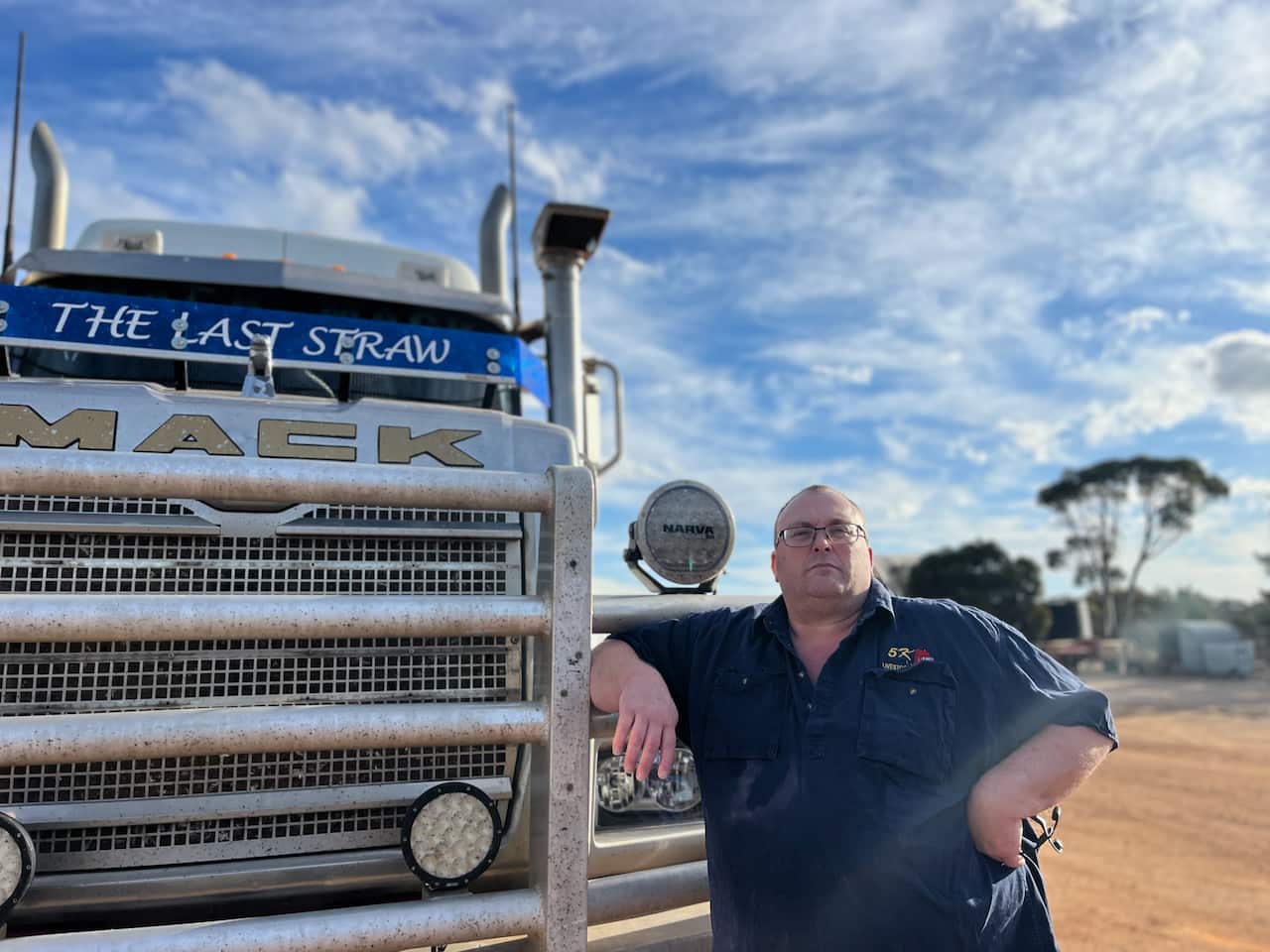
You may also encounter road trains, which are heavy vehicles made up of a prime mover towing two or more trailers.
Ben Sutherland is the President of the Livestock and Rural Transport Association of Western Australia, and he explains that overtaking a road train requires care and skill.
“Stay a reasonable and safe distance behind the truck... When you do overtake, make sure it's safe and you've got even a kilometer of room to overtake and you probably need to be able to be looking ahead, probably two kilometers,” Mr Sutherland says.
“Also, if you are being overtaken by a road train, as we do overtake slow cars - give the truck right of way and slow down a little bit so they can keep going around you.”
Mr Heron highlights that it can be very risky to overtake large road trains, especially if you are towing a caravan or trailer.
“Trucks can only drive up to 100 kilometers an hour, and so the amount of time it takes to overtake those large road trains is significant, up to 30 seconds, and when you're driving, spending 30 seconds on the wrong side of the road is very dangerous. So the best thing you can do is wait for an opportunity for an overtaking lane rather than taking the risk,” Mr Heron says.
How can I stay informed about road and weather conditions?
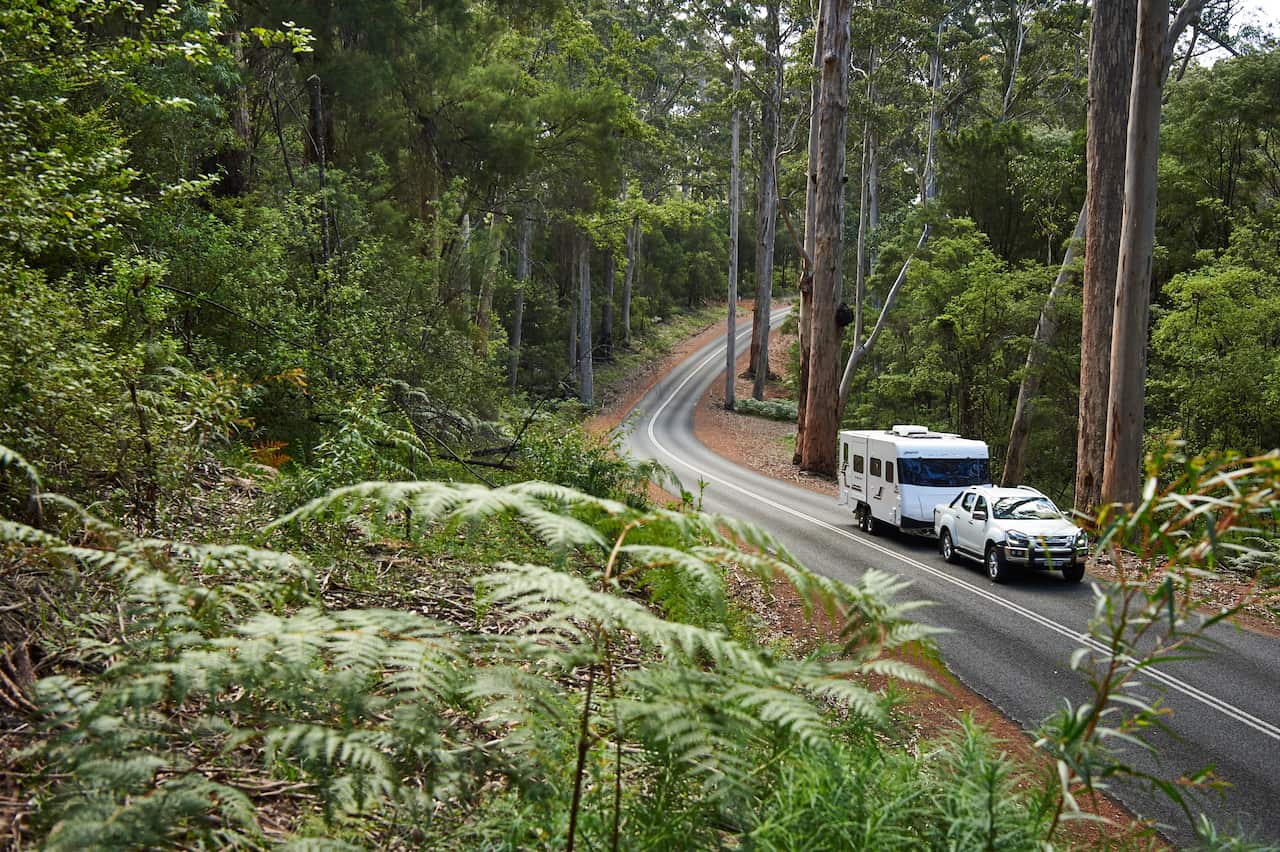
Road conditions can change during your journey, so check for road closures and weather warnings and don’t rely solely on online navigation, as Ms Petersen explains.
“Carry a paper-based map or offline navigation as a backup... as the apps don't always reflect the up-to-date road conditions... And as you get more rural and remote, with less phone coverage these apps aren't always refreshed as quickly as they should.” she says.
Local sources can also help you understand current conditions.
If it's bushfire season, remember to check the fire danger rating in terms of fire risk. Tune into local radio for news bulletins about other emergency situations.Rhys Heron
It’s important to check official road information for the state or territory you’re traveling through.
You can also check Bureau of Meteorology forecasts and warnings, as well as official emergency information for the areas you’re travelling through.

How can I share the road and rest areas safely?
Being considerate of others also extends to the places where you stop along the way.
“Any rubbish that you create on your trip, make sure you pop that in the bin, and if there isn't a bin, take that rubbish away with you. When using public toilets, keep the toilets clean...” Mr Heron says.
Some rest areas and parking bays are provided specifically for heavy vehicles, whose drivers must take legally required rest breaks.
Australia has incredible landscapes and destinations to experience and enjoy, so as Ms Petersen reminds us, being a patient and courteous driver will ensure a positive experience for everyone on the road.
“Driver frustration can lead to some poor decision making. So please drive to the road conditions, be patient, stay alert and treat the road and other drivers with respect.”
Subscribe to or follow the Australia Explained podcast for more valuable information and tips about settling into your new life in Australia.
Do you have any questions or topic ideas? Email australiaexplained@sbs.com.au