
Whether you’re new to taking photographs, a social media content creator or a professional photographer, it’s important to be aware of where you can and can’t take photographs. Here’s what to consider before you take that perfect photograph, legally.
Key Points
- You can take photographs of people in public areas, but you can't use the images for commercial purposes without their consent.
- You must gain permission to photograph private property, including farm paddocks.
- Photography of military facilities is prohibited.
- It’s best to follow any signage or local advice regarding photography of Indigenous areas or public memorials.
- Can I photograph someone in a public place?
- Can I enter a farmer’s paddock to take photographs?
- Are there any areas where photography is prohibited?
- Can I use a recreational drone for photography?
- What is good photographic etiquette?
Can I photograph someone in a public place?
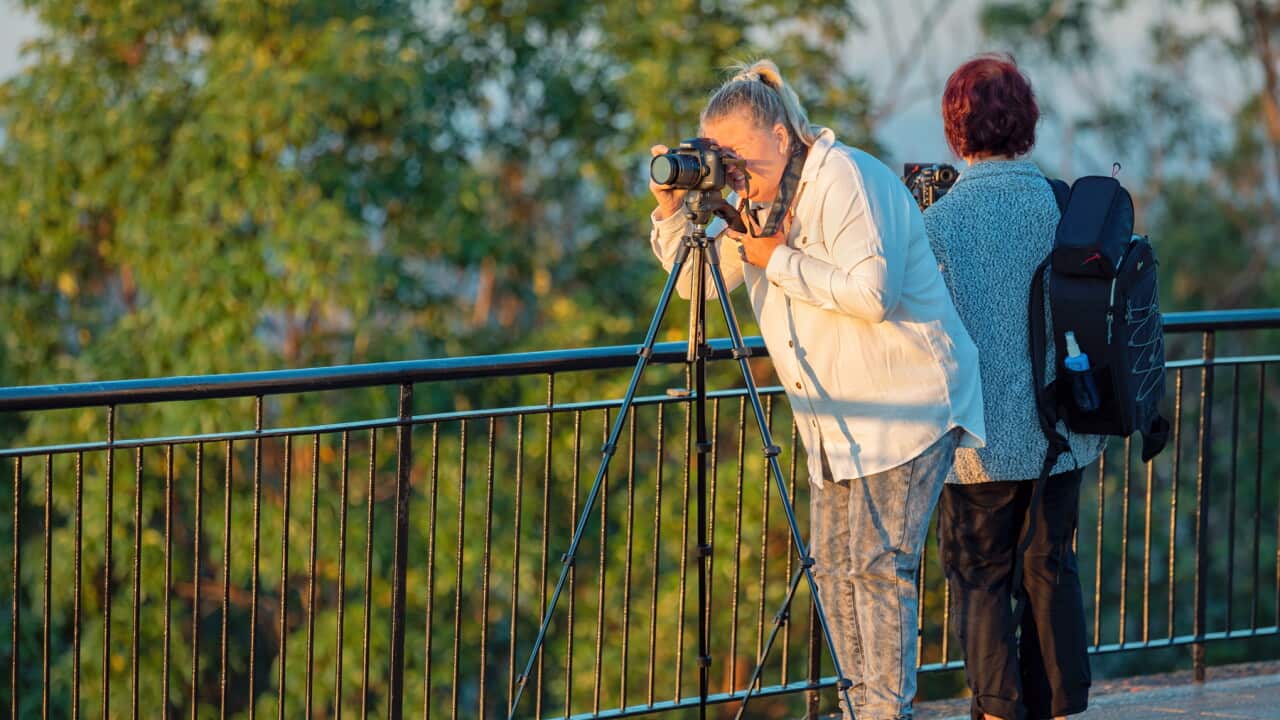
Whether you’re photographing in the street, a park or at the beach, Pia Jessen, President of the Australian Photographic Society, explains that it’s important to understand when it’s okay to photograph someone in a public place.
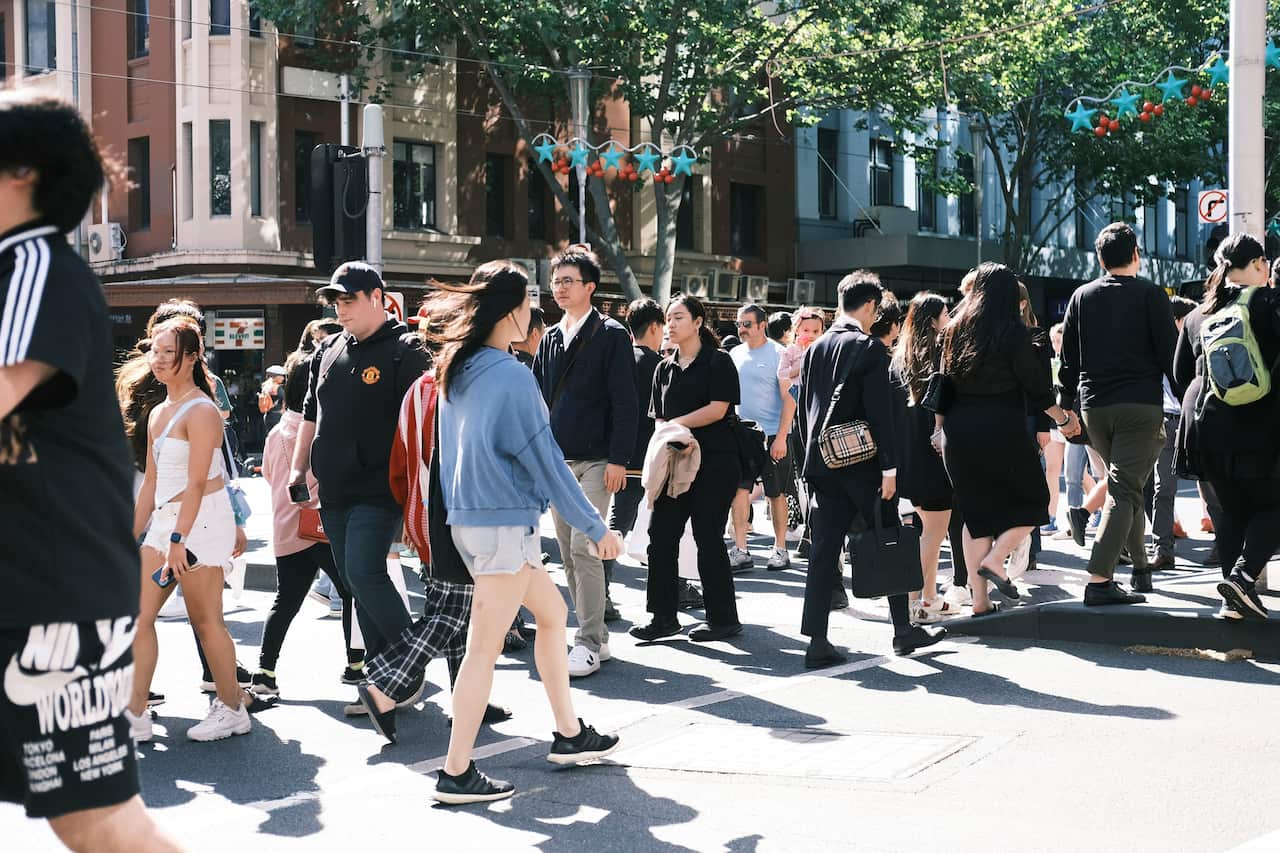
“Generally speaking, photos and video can be taken in public places in Australia without the person's permission. So in essence, the public does not have the right not to be photographed."
In Australia, photographing people in public is usually permitted. However, using those images for commercial purposes usually requires consent, and photographing people in private spaces or in a way that amounts to harassment may be unlawful.
There are other things to be aware of too, says Sharon Givoni, a commercial and creative arts lawyer.
“If you do take a photograph of someone in a particular way that's disparaging or hurtful or otherwise, they may have a cause of action against you,” she says.
“Every single place, once we leave our doorstep, has rules. So for example, your gym might have rules, your local pool might have rules. So I guess the best advice is always check.”
Can I enter a farmer’s paddock to take photographs?
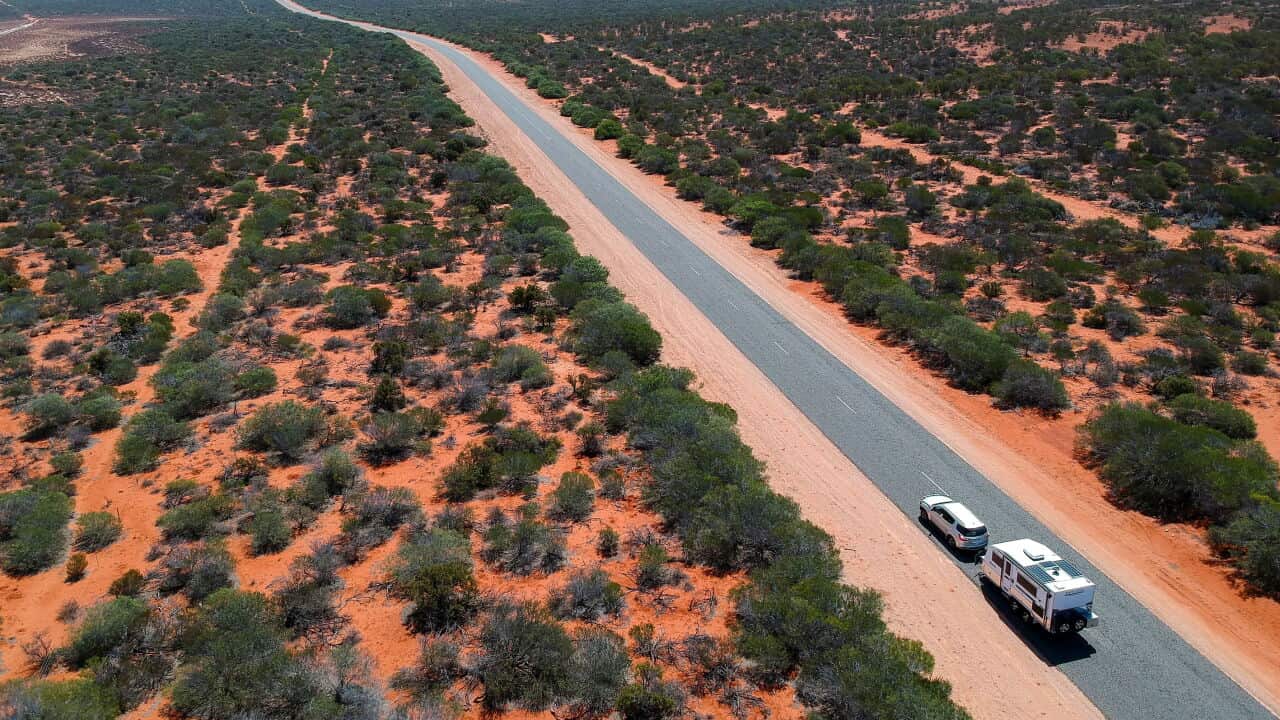
Social media platforms are awash with beautiful landscape images, such as farm paddocks in bloom with canola and other crops.
With social media, it becomes a colour palette, it becomes fields of gold... We can see this paddock and we can think, 'wow', that's going to be our content. But that's someone's workplace, or it might be a farmer's annual income.Sharon Givoni
So, social media may show the perfect photo, but not the consequences of getting it. Entering private property without permission can be trespassing, and damaging crops can result in financial loss for landowners.
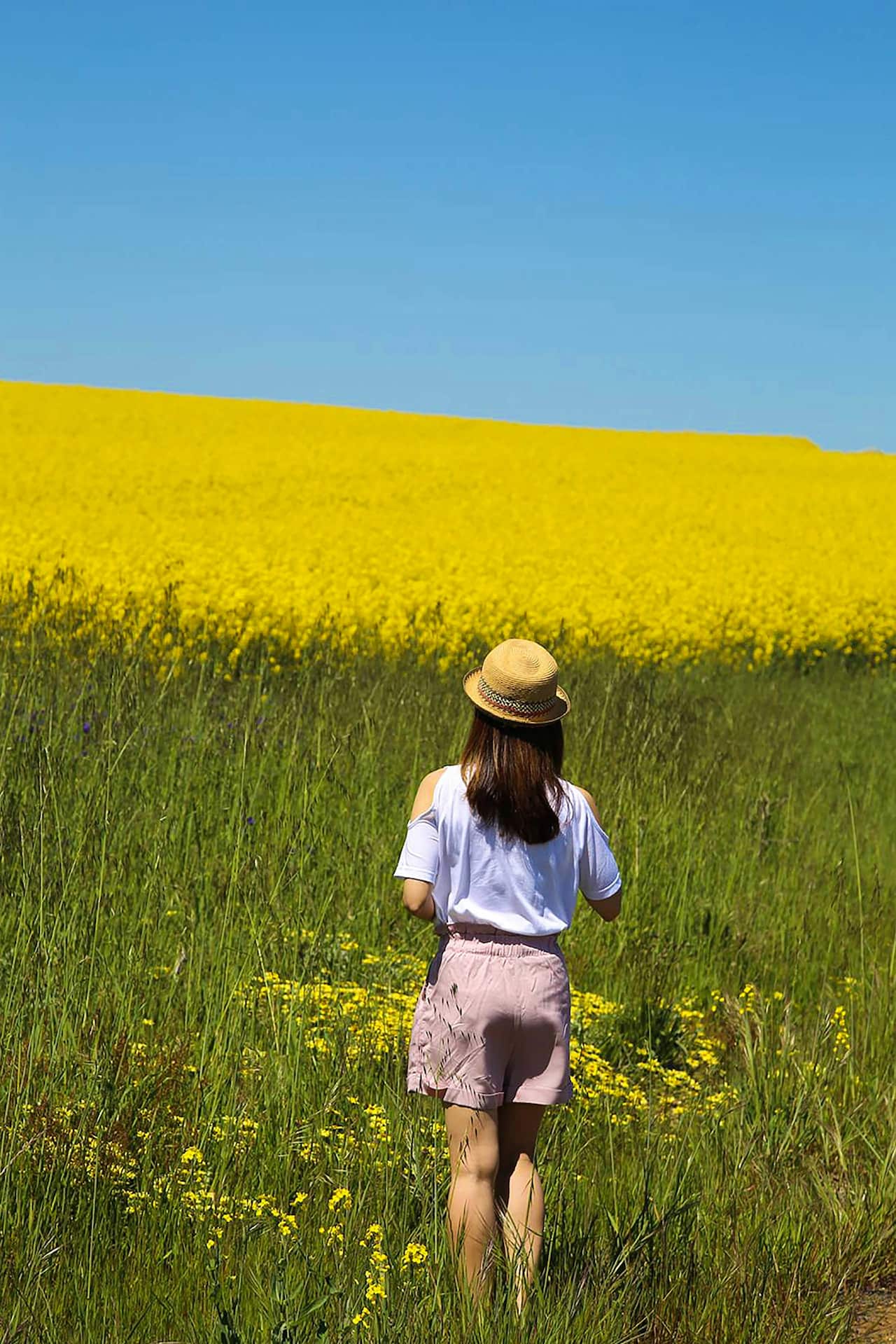
Justin Hobson farms in a scenic area near Ballarat in regional Victoria.
“Where we are, we've got a pretty good backdrop. But a lot of people, when the canola's out, like to go in and take photos – it's just a biosecurity hazard," he says.
The biosecurity risk relates to people inadvertently bringing soil or seeds onto a property, which might spread disease or introduce weeds.
"If someone does go on your farm to get photos, if someone does get injured, who's liable? And just leaving rubbish and not leaving gates closed. It might be a paddock that's 500 acres."
At the end of the day, it's no different for me walking into your backyard and looking at your veggie garden and you're going to be like, 'what are you doing?' It's nearly identical on a larger scale – you're trespassing onto someone's farm.Justin Hobson
So the best advice is to photograph from outside the farm fence and seek permission before entering a paddock. Most landowners are happy to accommodate respectful visitors.
Are there any areas where photography is prohibited?
There are some locations where photography may not be allowed due to cultural reasons, such as Indigenous sacred sites and protected areas.
"These are areas that are managed by Traditional Owners and they're not necessarily public free-for-alls, and whether you're allowed to photograph will depend on a specific area," Ms Givoni says.
“Some require permits and some are just completely restricted, and the reason for this is some sites may have cultural or spiritual significance, and there are actually laws involved here as well, and the best tip is to check first who manages the land and look for permit requirements and of course if in doubt it’s always best to ask.”
Religious sites and memorials may also have photography restrictions. Permission is also required to photograph privately owned mining facilities or government defence facilities, which have safety and security considerations.
Defence comes in a very different category. Access is restricted. Photographing sensitive facilities can raise national security issues, even from outside the fence in some cases.Sharon Givoni
And whilst places like shopping centres and botanical gardens are open to the public, permission is required for professional photography.
Can I use a recreational drone for photography?
Drones are an increasingly popular piece of photographic kit. If you intend to use a drone for commercial photography purposes, you must register it and get a licence from the Civil Aviation Safety Authority.
However, if you’re a recreational drone user, and only fly for fun, no accreditation is required – although there are still rules for their safe use.
“The best and most important thing is to go and check to become very, very familiar with all of the requirements. just to ensure the safety for both people and animals while you're using your drone,” Ms Jessen says.
Some examples of the rules around drone use include not flying them higher than 120 metres above ground level, keeping them at least 30 metres away from other people, and not flying the drone in a way that creates a hazard to other people, property or aircraft.
There are also restrictions around flying drones near bushfires, and wildlife such as whales.
What is good photographic etiquette?
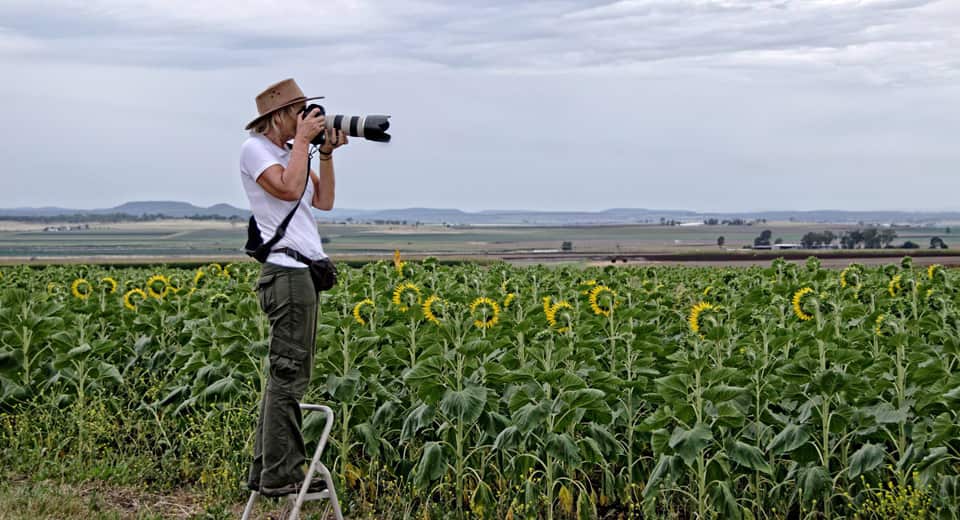
Depending on what you’re hoping to photograph, Ms Jessen says that it’s important to follow any local regulations.
“If there is signage, definitely follow it. And if not, then just keep in mind respect for people and nature."
It's also essential to be mindful of your own safety where you walk, avoid damaging the environment and treat other people's property with respect.
So, just because a place is visible or accessible doesn't mean you have permission to be there or that it's safe, Ms Givoni says.
“The golden rule really is asking first and then shooting the photo second.”
Subscribe to or follow the Australia Explained podcast for more valuable information and tips about settling into your new life in Australia.
Do you have any questions or topic ideas? Email australiaexplained@sbs.com.au