
It’s no exaggeration when we hear that the FIFA World Cup is bringing the world together. After all, football is known as the world’s most popular sport. But football really begins on the suburban ovals and in the local clubs, with everyday players of all ages and abilities. Here’s how you can become one of them.
Key Points
- Football brings people together regardless of background, gender, age or ability.
- Walking football and futsal are two of the fastest growing games in Australia.
- You can find your local club at Play Football, Football Australia's digital home of community football.
- What should we call the game?
- Why is football so popular?
- How do I get started?
- Is football really for everyone?
- Can I play all year round?
- Are there different forms of football?
- What if I’m really serious about football?
What should we call the game?
Let’s settle the most important question first: Do we call the game football or soccer?
We ask Heather Garriock, Executive Director of Football at Football Australia.
“I think we should call football ‘football’ in Australia. It's the global game.”
Why is football so popular?
Football is an exceptionally inclusive sport, with an incredible 1.9 million participants nationwide.
“It's the largest participated sport in the country and growing rapidly,” Ms Garriock says. “We’ve got over 87 different nationalities, and 35 different language groups across football in Australia. We know that over 72 per cent of participants are born overseas and we're very proud of football being the most inclusive sport in the country.”
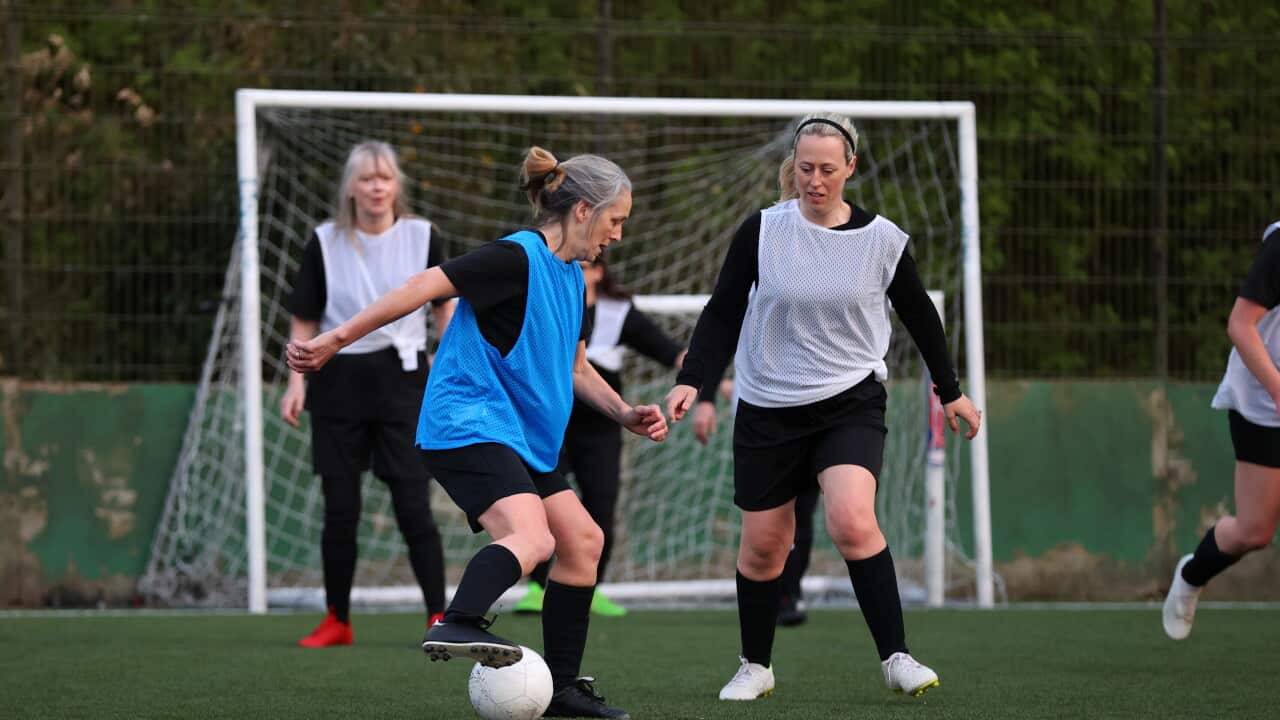
Football’s popularity lies in how effortlessly it brings people together regardless of background, gender, age or ability.
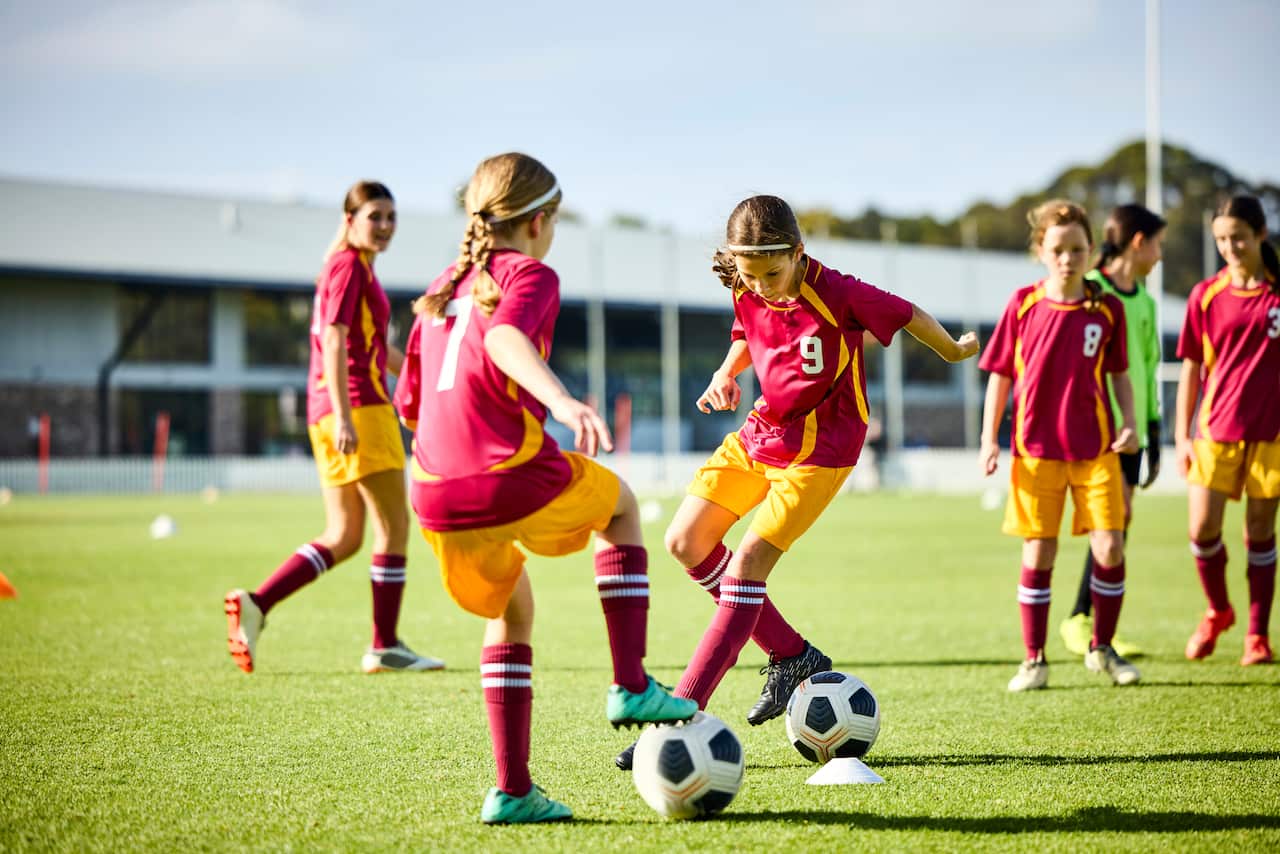
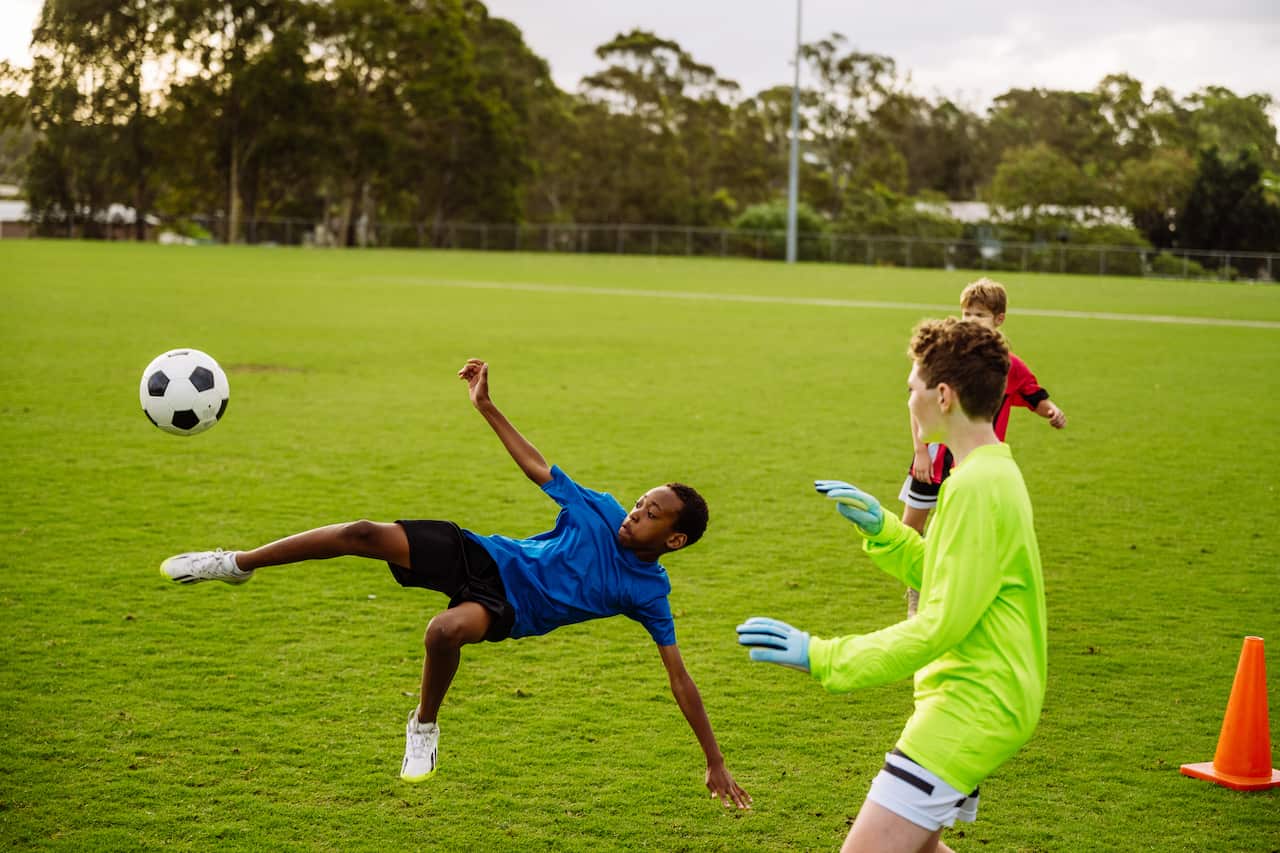
You can play at grassroots level from the age of four or five, or join a walking football team if your mobility isn’t what it used to be.

How do I get started?
Football Australia has all the resources you need.
On their website you’ll find the Play Football platform, Football Australia's official digital home of community football.
“It's basically used nationwide for players, coaches, referees and volunteers, and it means registration is recognised across all clubs, competitions and member federations,” Ms Garriock explains.
This is where you can register with your local club.
“Across Australia there are more than 2000 clubs, and each of those clubs provides a front door to our game,” Aaron Dibdin, Head of Community & Member Services with Football NSW, says.
“We've got players from all sorts of nations, cultures, backgrounds already playing football in Australia, and our clubs are enormously welcoming, friendly places for everyone to come and join.”
Is football really for everyone?
The name of the game is inclusivity. There are programs for young and old, for First Nations players, for players with special needs and abilities, and for people from culturally and linguistically diverse communities.
While exploring the Football Australia website you’ll come across the MiniRoos Settlement Program and the Multicultural Youth Program.
These are free initiatives run with Football Australia, Mr Dibdin explains.
“Both of these programs are intended to basically provide a good front door for football so that people can come and do an introductory football program and get engaged with the game, but also get linked in with a club and hopefully sign up to become a member of one of our 600 plus clubs—because our clubs are communities.”
We see programs like this as being an excellent way of helping people bridge the gap between their cultural communities and their football communities.Aaron Dibdin
It’s the social inclusion that attracted Lal Rochan Takluem to community football.
She started out with a free girls’ football program through the SSI Multicultural Sports Club in Queensland, and never left.
“And then through participating in MSC, I was also able to go to the mainstream football club as well. What I normally say to other young people is sports does not discriminate, so you feel welcomed.”
Can I play all year round?
You probably know football as a winter game, but in NSW alone around 80,000 players sign up for summer football.
Summer, or off-season football, is a big sport in itself, perfectly suited to people who aren't playing in the wintertime, but want to give the game a go, Mr Dibdin says.
“We find that a lot of people try summer football, and they love it, and then they wind up signing for winter club football the following year.”
Played with smaller teams on a smaller field, it's a more casual game.
People find that they might try some tricks or fun things that they might not otherwise try in a winter game. It feels like lower stakes and more fun.Aaron Dibdin
Are there different forms of football?
Perhaps you’d like to try one of the fastest growing indoor sport in the world. Futsal is a smaller indoor variation of football. Described as quick, explosive and skilled, it’s got a lot of the best players to where they are today.
Maybe you're looking for a low impact sport.
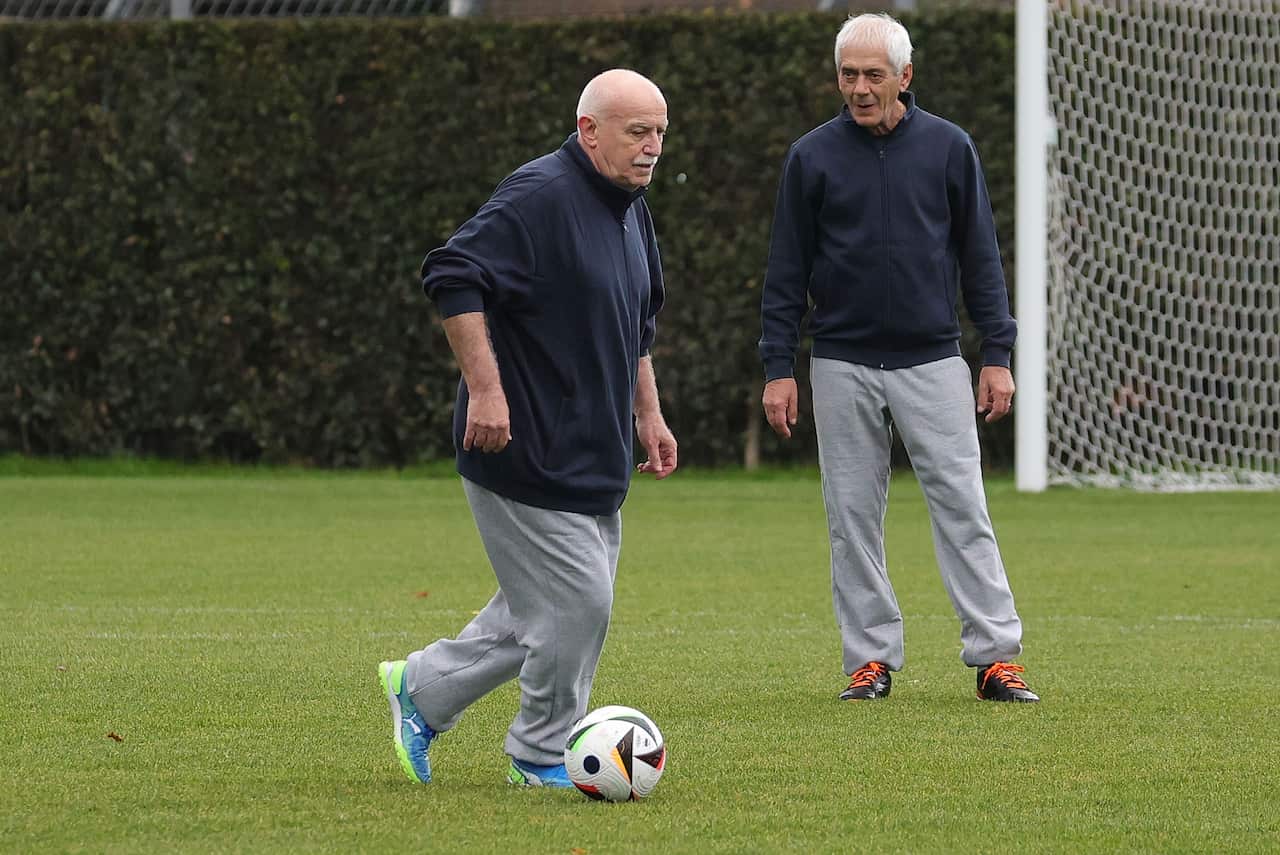
Ms Garriock says walking football is also experiencing major growth.
“It's been such a hit with older Australians, particularly in our diverse communities, and to get involved it's obviously registering through our clubs.”
Best of all is the community of players that you become part of.
Ahmad Gheisari Nia discovered walking football through his local council in Melbourne. He loves the way it gets his heart pumping.
Don't let walking football fool you because it's a total sweat fest and a great mood booster.Ahmad Gheisari Nia
But you don’t have to play with the same vigour as Mr Gheisari Nia, who has played football for 50 years. Walking football is designed to be low impact and social.
No tackling or running is permitted, and because it’s low impact it’s a great sport for people with health issues or low confidence. In fact you can find walking football sessions for all ages.
“At first I thought I'm just going to try it but after the first time that I went there, I found it so fantastic,” Mr Gheisari Nia says. “The people… I never had that experience. Walking football is really enjoyable for ages like me. I'm 73 actually.”
What if I’m really serious about football?
Heather Garriock says everyone's got their own pathway to the top.
“If you're a great player and you'd like to pursue the elite development pathway, then it's about starting at your club. And then from your club, you can find a youth A-league club as part of an academy and then obviously the emerging championships, which is our emerging Matildas and Socceroos. And we've got our Indigenous teams within that which is at 14, 15, 16 years old. And then our youth national team start at under 16.”
Subscribe to or follow the Australia Explained podcast for more valuable information and tips about settling into your new life in Australia.
Do you have any questions or topic ideas? Email australiaexplained@sbs.com.au