
The Garma Festival is Australia’s largest Indigenous cultural gathering where thousands of people travel to a remote town in Nhulunbuy on northeast Arnhem Land in the Northern Territory. Here's what happens at Garma and who can attend.
Key Points
- Garma is the largest Indigenous cultural gathering in Australia.
- The festival takes place every year in August and is hosted by the Yothu Yindi Foundation.
- The festival brings together Australia’s top political leaders, executives, advocates and artists as the festival bridges traditional ceremony and political advocacy.
- What is the Garma Festival?
- How did the Garma Festival begin?
- Where is the Garma Festival held?
- Why is the Garma Festival Important?
- Who attends the Garma Festival?
- What happens at the Garma Festival?
Indigenous words in this article and their meanings:
- Yolŋu: Means ‘person' in Yolŋu Matha, refers to a group of clans who live in the towns and surrounding areas of northeast Arnhem Land.
- Yolŋu Matha: Refers to the languages spoken by Yolŋu.
- Garma: Means two-way learning process in Yolŋu Matha.
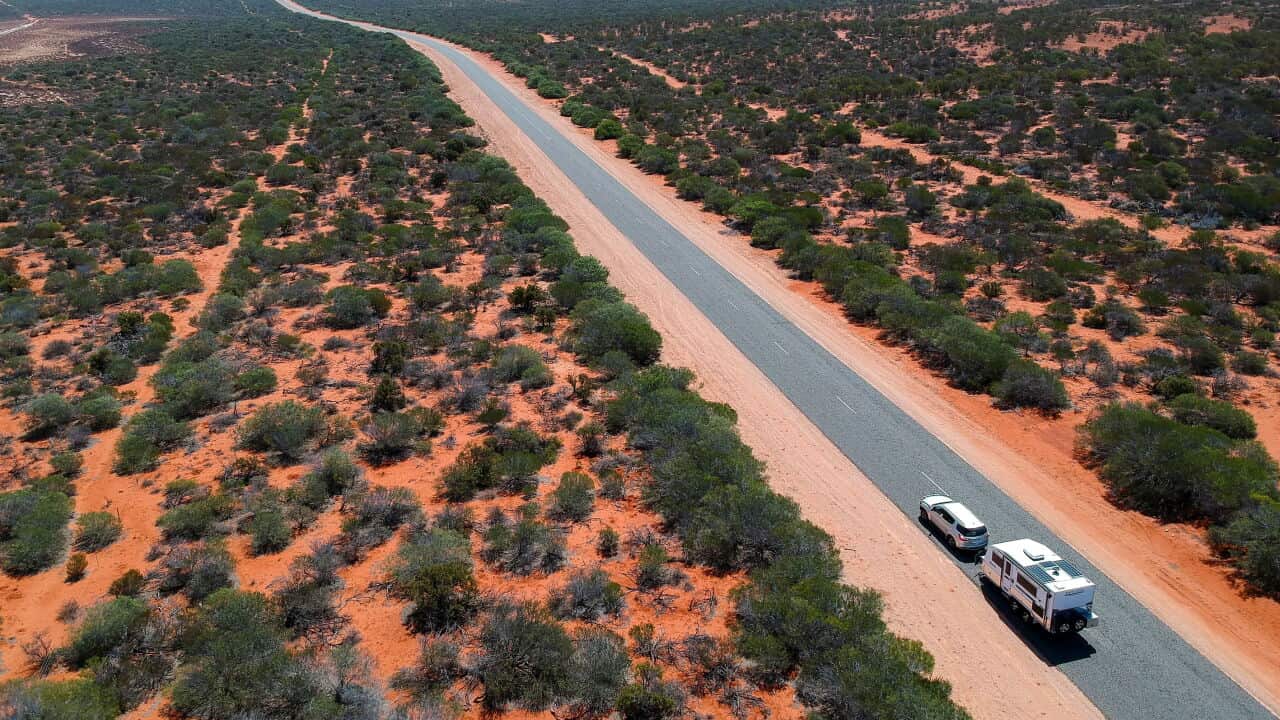
- Arnhem Land: Located in the Top End of the Northern Territory approximately 500 kilometres east of Darwin.
- Nhulunbuy: The largest town in East Arnhem Land, Northern Territory, approximately 1,000km east of Darwin.
- Gulkula: A traditional meeting place.
- Ganbulapula: An ancestor who is believed to have brought the Yidaki to the Yolŋu.
- Yidaki (also known as didgeridoo): an Aboriginal wind instrument.
- Miny’tji: Sacred paintings.
- Manikay: Ancestral songs.
- Bunggul: Traditional ceremonial dances.
- Bilma: Clapsticks.
Warning: Aboriginal and Torres Strait Islander people are advised that the following article contains the names of Indigenous peoples who have passed.
What is the Garma Festival?
The Garma Festival is Australia’s largest Indigenous cultural gathering where thousands of people travel to a remote town in Nhulunbuy on northeast Arnhem Land in the Northern Territory.
It occurs every year in August and is a four-day celebration of Yolŋu culture.
The Yolŋu are the Aboriginal peoples of northeast Arnhem Land and in Yolŋu Matha, Garma is a term meaning “two-way learning process”.
It’s the concept that recognises everyone has knowledge to share. Rather than one group teaching another, people learn together by listening, asking questions and respecting different ways of life.
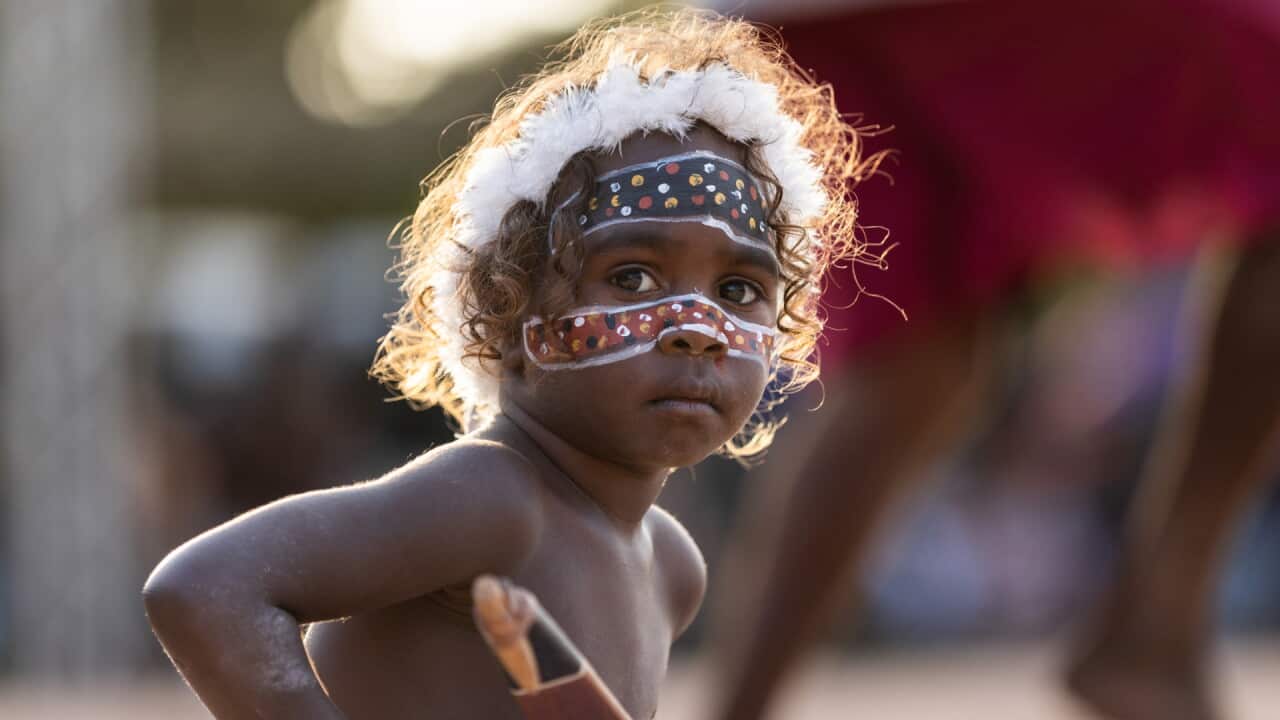
The festival showcases traditional miny’tji (art), manikay (song), and the famous bunggul (dance).
Most importantly, Garma is a forum for a variety of social, political and environmental discourse relating to First Nations communities.
How did the Garma festival begin?
Founded in 1999 by the late brothers, Dr Yunupingu AC and Yothu Yindi frontman, Dr M Yunupingu, the idea for the Garma festival came from wanting to preserve, protect and promote Yolŋu culture.
At the time, many Elders in the community were concerned that important cultural knowledge was being lost. Garma was established as place where cultural strength and political discussion could come together.
“The aim was to bridge cultural divides and empower Indigenous communities through dialogue and a celebration of Yolŋu culture,” John-Paul Janke says. He is the National Indigenous Affairs Editor at the SBS and co-host of The Point on NITV.
Where is the Garma Festival held?
The festival is held at Gulkula, a traditional meeting place for five regional clans in northeast Arnhem Land: the Gumatj, Rirratjingu, Djapu, Galpu and Wangurri.
For the Gumatj clan, Gulkula is a sacred ceremonial site.
In Yolŋu culture, Gulkula is the place where an ancestor, Ganbulapula, is believed to have brought the Yidaki (also known as didgeridoo), an Aboriginal wind instrument, to the Yolŋu.
Today, Gulkula continues to be the festival’s annual meeting place.
Why is the Garma Festival important?
Tanya Denning-Orman, the SBS Director of First Nations, says Garma is unlike anything else in the world.
“Garma’s uniquely positioned... geographically, but also who attends this meeting place. So, for many, many hundreds of years, it's fostered that sort of collaborative conversation and political conversation and discourse.”
The Garma Festival was created to protect Yolŋu cultural knowledge, while celebrating First Nations strength and resilience.
Holding Garma on Yolŋu Country is essential to the festival because visitors learn in the place where cultural knowledge has been passed down for thousands of years.
It provides a culturally safe environment for people from different backgrounds to learn from one another.
For many people, the festival is their first opportunity to spend time on Country and learn directly from Traditional Custodians.
Alongside the cultural program are discussions about public policy involving Aboriginal and Torres Strait Islander peoples. This allows Indigenous leaders to guide conversation with cultural authority, which is an important part of self-determination.
Self-determination is the ongoing process of ensuring that Indigenous peoples are directly involved in making decisions about issues that affect them.
Who attends the Garma Festival?
A common misconception is that attending the Garma festival is by invitation only.
CEO of the Yothu Yindi, Denise Bowden, says Garma is for everyone as anyone can purchase a ticket to attend through the Yothu Yindi Foundation website.
"The Yothu Yindi Foundation delivers the event from not only sponsorship, but a lot of our ticket sales goes back into the region. That's where our artists can be paid for delivering aspects of the event."
The Yothu Yindi Foundation invites politicians from all sides, in previous years, Australia’s prime minister has attended.
Researchers, educators, advocates, artists and community organisations also attend, making Garma a place where people from many backgrounds can share ideas, build partnerships and discuss policies.
What happens at the Garma Festival?
Garma offers an opportunity to better understand one of the world's oldest living cultures.
During the day, cultural workshops occur, allowing guests to learn from senior Yolŋu leaders about Yolŋu Matha, kinship systems, art, song and more.
At sunset, the bunggul is performed and accompanied by the yidaki (didgeridoo), the bilma (clapsticks) and the voices of Yolŋu song-men. Different clans take turns to perform their stories.
But it is important to remember that Garma is much more than a cultural festival.
It provides a unique opportunity to discuss and debate important issues impacting Yolŋu and other Indigenous people across the country.
During the festival, there are two conferences which occur, these are:
- Key Forum: A policy conference for Indigenous and non-Indigenous leaders to discuss topics which reflects the Garma theme for the year.
- Youth Forum: For children aged eight to 18, where schools from around the country come together for a range of activities and workshops aimed at sharing knowledge.
These cultural activities and discussions make Garma a unique gathering where culture, learning and leadership come together.
Subscribe to or follow the Australia Explained podcast for more valuable information and tips about settling into your new life in Australia.
Do you have any questions or topic ideas? Email australiaexplained@sbs.com.au