

If you’ve spent any time in Australia, you’ve probably noticed how relaxed the style is. You might notice activewear, surf brands and casual clothes everywhere. But there’s another side to Australian fashion. Aboriginal and Torres Strait Islander designers have been creating clothes and accessories for thousands of years — and that work is very much alive today. You’ll see it on runways, in global fashion campaigns and in everyday clothing. Find out what makes First Nations fashion different, how it connects to the environment and what you should be aware of if you want to wear it.
Key Points
- Aboriginal and Torres Strait Islander people have designed clothing and accessories for thousands of years, adapting to climate and celebrating culture, community and stories.
- First Nations designers are proudly represented globally.
- First Nations fashions often include artworks by First Nations artists who are credited and paid.
- Drawing on traditional knowledge, First Nations designers are leading on sustainability.
- Where can you find First Nations fashion today?
- What makes First Nations fashion different?
- Is First Nations fashion sustainable?
- Creating pathways for First Nations creatives
- Can I wear Aboriginal brands?
Before colonisation, First Nations people across Australia developed clothing that suited their climate, environment and way of life. What people wore could show who they were, where they came from and how they belonged.
Many First Nations designers still see fashion in this way today, as something that carries story, culture and care for Country into everyday life.
Where can you find First Nations fashion today?
For a long time, Aboriginal and Torres Strait Islander fashion was rarely visible in mainstream media. Western-style clothing was pushed through missions, schools and government policies, While First Nations people kept cultural clothing alive in communities and ceremony.
In the past decade, that has begun to change. First Nations designers are now proudly represented around the world.
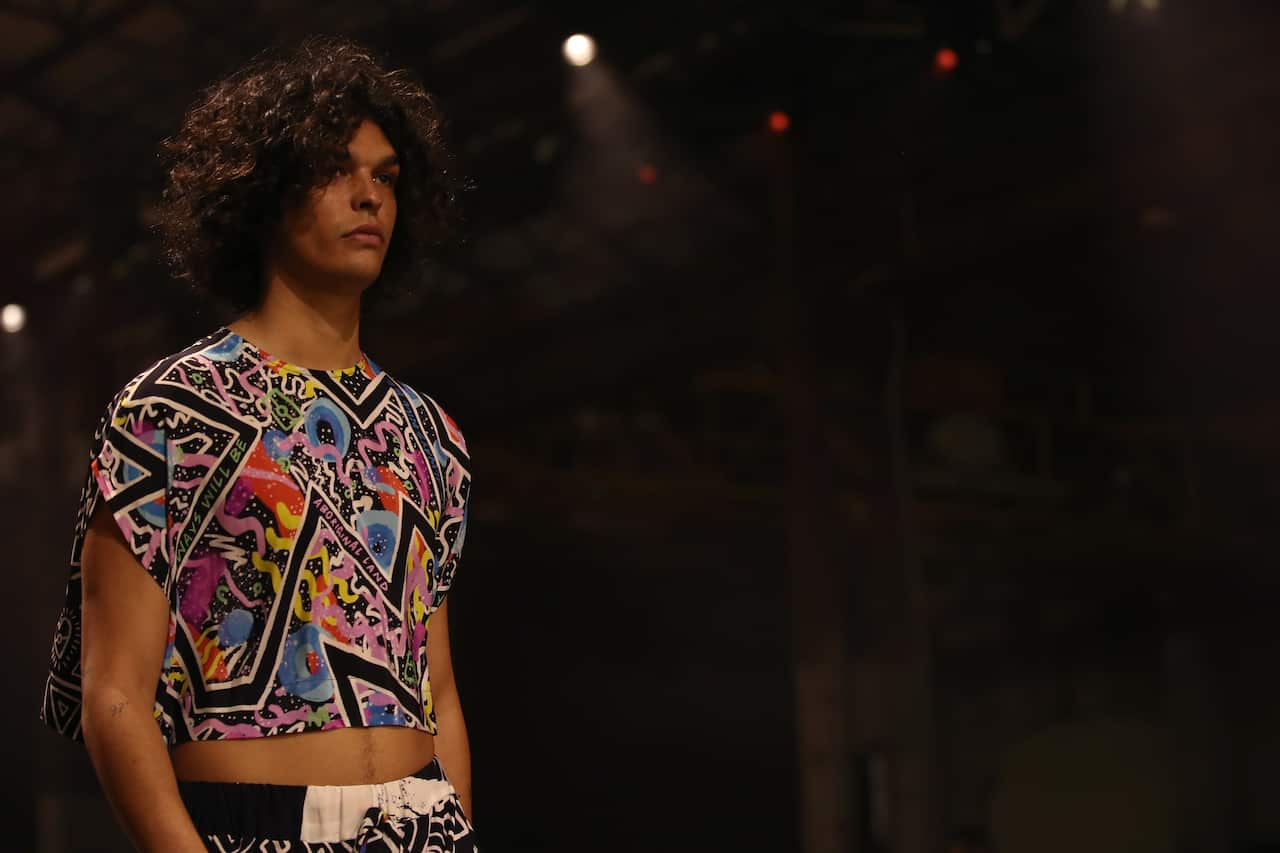
You can see Aboriginal and Torres Strait Islander fashion at national events like Australian Fashion Week, at the annual First Nations runway Country to Couture and featured on the covers of major magazines such as Vogue. Initiatives like First Nations Fashion + Design and the National Indigenous Fashion Awards have helped create more visible, independent platforms for First Nations creatives.
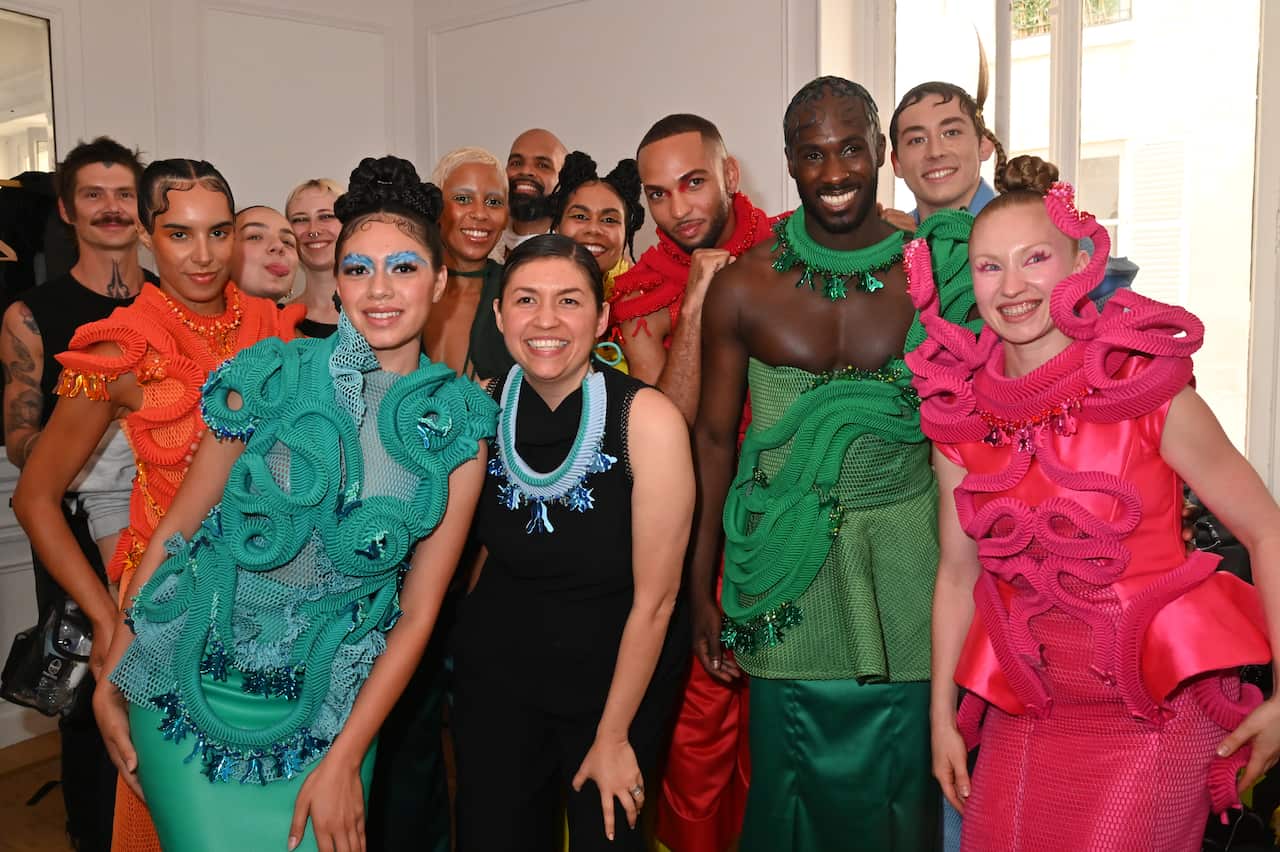
Dunghutti and Anaiwan creative, and founder of online community Aus Indigenous Fashion, Yatu Widders Hunt, remembers how limited representation was when she was growing up in Sydney.
I was also looking for ways to connect to my own identity and also to contemporary expressions of First Nations identity, and I found fashion was a really great way to do that.Yatu Widders Hunt
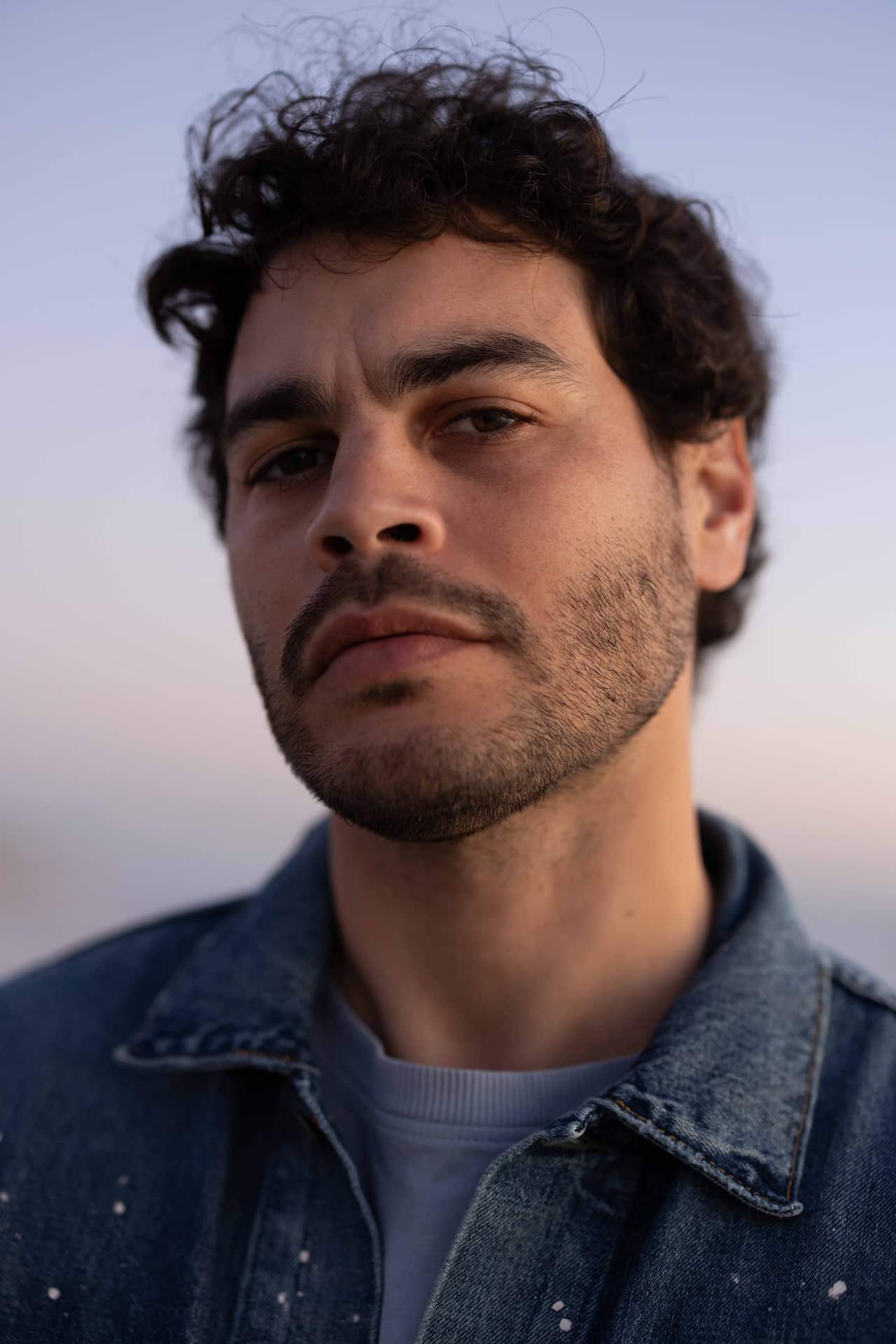
Whadjuk Noongar model and Mob in Fashion founder Nathan McGuire says he was often the only Aboriginal person on set when he began modelling.
Today he sees more First Nations talent in the industry.
“That's about our people being seen and our beauty being appreciated in the country. And you know, it's actually meant to happen,” he says.
What makes First Nations fashion different?
Many First Nations labels describe themselves as story-driven or connected to Country. Here, ‘Country’ refers to land, water, sky, community and culture.
Designs often link to specific places, languages or cultural themes.
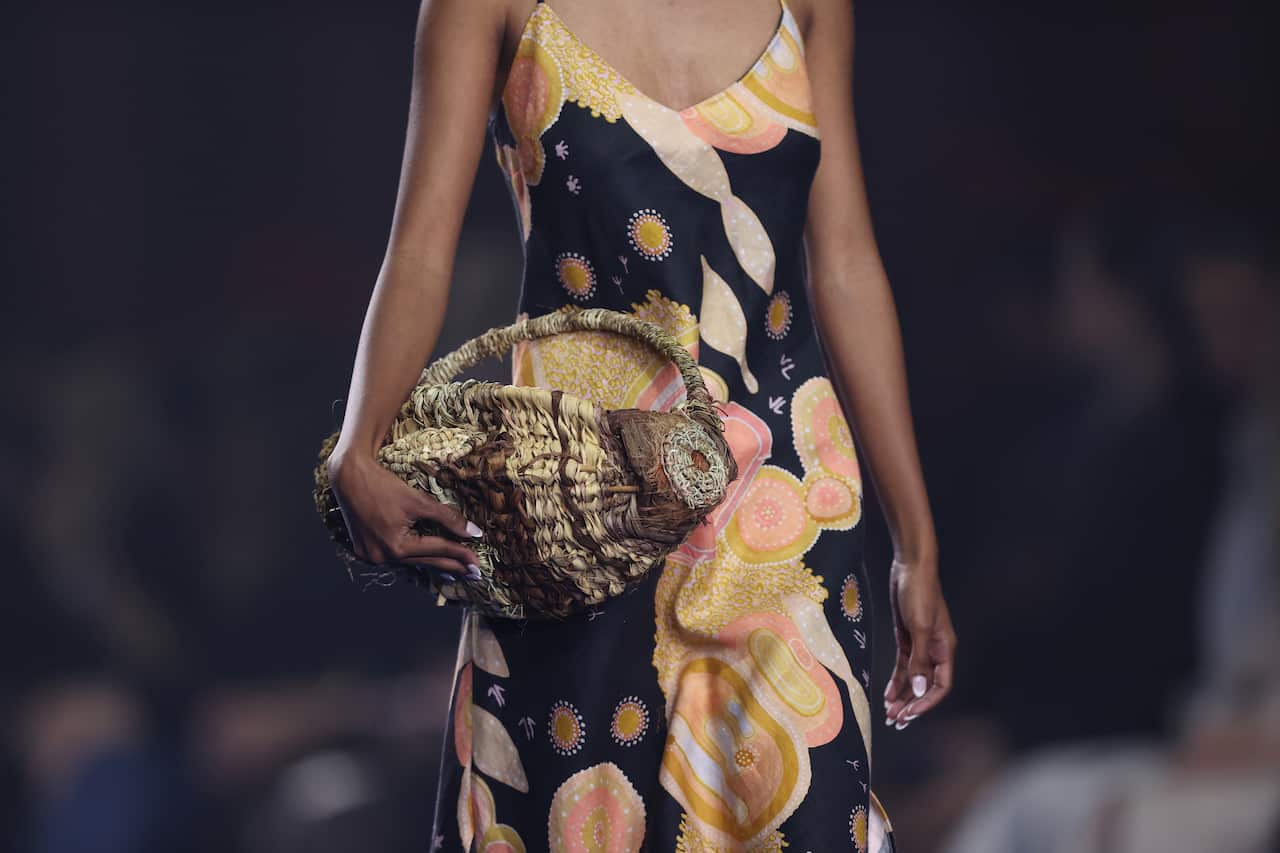
Prints come from artworks by First Nations artists who are credited and paid. Many brands also work slowly, releasing smaller collections that support sustainability and quality.
Liandra Gaykamangu, a Yolŋu creative director and founder of resort wear label Liandra, says her brand was built to share culture in an open, inviting way.
We have always championed colour, culture and joy... really using fashion as an open invitation for other people beyond our community to be able to engage and celebrate the diversity of Australia's identity and cultural nuances through the brand.Liandra Gaykamangu
From the start, each of her collections has carried a story. The pattern on a dress or shirt is rarely just for fun—it can be a conversation starter about culture, history or community.
Is First Nations fashion sustainable?
Many First Nations designers see their work as part of a much older relationship with land and resources. Traditional clothing practices were based on using only what was needed, respecting animals and plants and understanding seasons. Modern brands are adapting that thinking to today's fashion system.
Yatu believes First Nations knowledge is crucial for industries trying to respond to climate change and environmental damage. “First Nations designers are leading the way in creating for-profit businesses in ways that are mindful of Countries,” she notes.
For consumers, that can mean choosing clothes that support both culture and more careful, long-term ways of making.

Creating pathways for First Nations creatives.
A growing number of Aboriginal and Torres Strait Islander-owned labels and studios are creating pathways into paid work across the whole fashion ecosystem.
Liandra uses her brand to connect remote and regional communities with industry-level opportunities. Through projects and partnerships, her label has helped emerging creatives gain experience and then move into their own careers: “We've had models signed to top Australian agencies, walk international runways, go on to book incredible campaigns beyond and create their own economic independence.”
At a national level, Yatu notes that First Nations businesses are already a major part of the economy that should be supported.
“We have a really thriving and growing First Nations business sector, we have designers and artists working all across the country, including in remote areas, so you're also supporting First Nations business by buying First Nations fashion.”
Can I wear Aboriginal brands?
It might be hard to know how to engage with First Nations fashion in a respectful way. Here are some simple tips.
Many First Nations brands clearly state when designs are ‘ally friendly’, meaning anyone can wear them.
Some items, usually for ceremony or special cultural roles, are only for Aboriginal and Torres Strait Islander people. These are often clearly marked online or on tags.
Many brands share information online or on the tag about the artist, the community and the story behind the design.
“I'd say the majority of First Nations designers create work that is accessible to everyone, so not just Indigenous people,” Yatu explains. “And I think it's exciting because First Nations storytelling is actually central to Australian identity and I think our culture is extremely generous and warm, and we love and want people to feel proud of that.”
Nathan sees fashion as a modern, enjoyable way for new migrants to connect with First Nations communities. Buying from a First Nations label, going to a runway show or following designers on social media can all be entry points.
“As an extension of what is to be a part of Australian culture, this is a really good way to engage with our community.”
First Nations fashion can offer a way to build respect and connection through something as simple as the clothes we wear.
Subscribe to or follow the Australia Explained podcast for more valuable information and tips about settling into your new life in Australia.
Do you have any questions or topic ideas? Email australiaexplained@sbs.com.au