How to recover from bushfires

Australia Explained: Bushfire Recovery

A resident walks away from her flood-damaged house in the bushfire-affected town of Cooma on January 5, 2020. Source: AFP / SAEED KHAN/AFP

Australia’s hot, dry climate and unique landscapes make it one of the most bushfire-prone countries in the world. As climate change drives higher temperatures and drier conditions, we can expect more frequent and more intense bushfires in the future. But once the fire is out, how do you return home safely, find support, and look after yourself?


Key Points
  • Return home only when authorities say it’s safe and take precautions like checking for lingering embers.
  • Recovery centres, financial assistance and mental health services are available to help you navigate the practical and emotional impacts of bushfires.
  • Bushfire recovery takes time, and leaning on community support and caring for your wellbeing is essential.

Recovering from a bushfire can feel overwhelming, but help is available. From returning home safely to supporting your health and wellbeing, these are the key steps to take after a bushfire.

When is it safe to return home after a bushfire?

Australians are regularly reminded about the importance of having a bushfire plan. But what happens after the flames are gone?

If you’ve evacuated, only return home once your State Emergency Service (SES) tells you it’s safe to do so. Returning too early can put you at risk from unstable structures, fallen power lines or lingering hot spots.
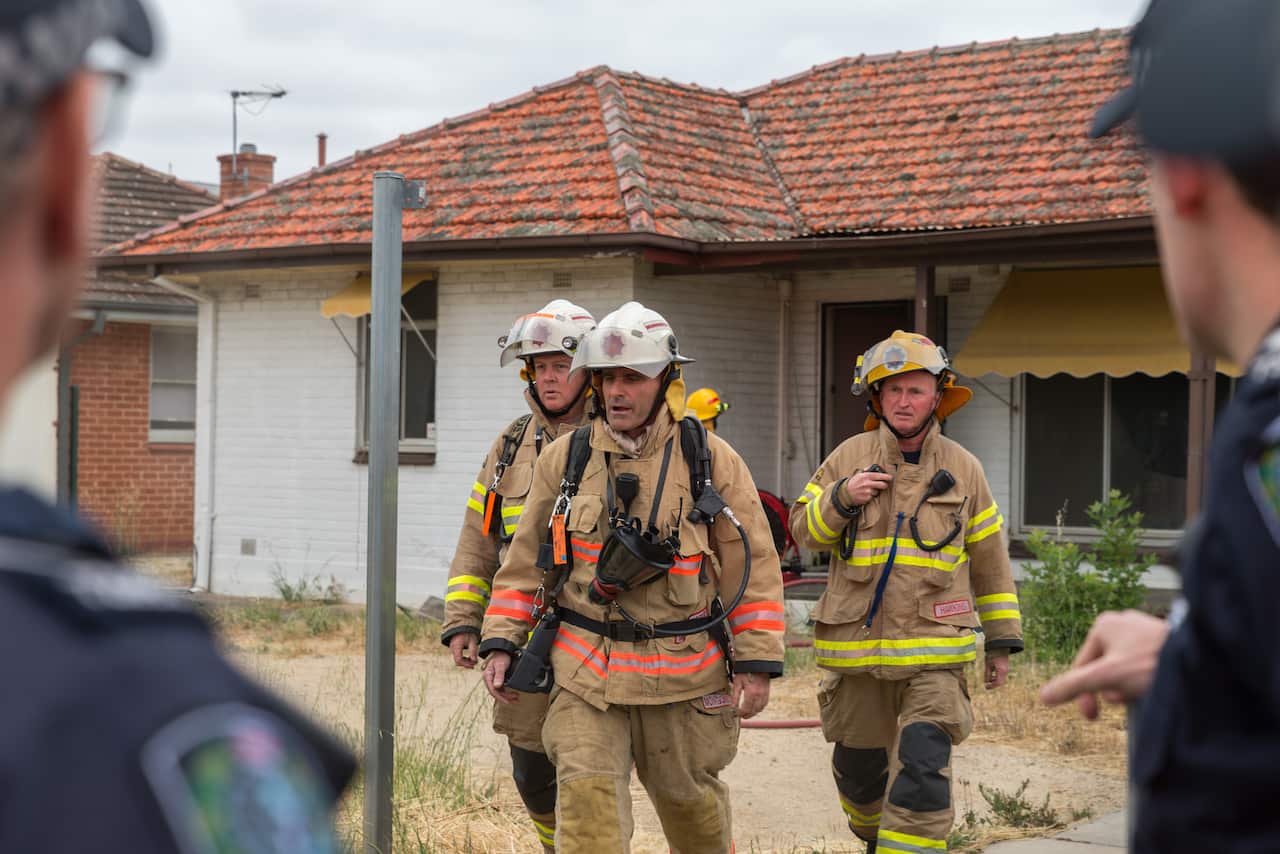
Metropolitan Fire Service Firefighters in the front of the fire site house.
Metropolitan Fire Service Firefighters in the front of the fire site house. Credit: mastersky/Getty Images

What should you do when returning to a fire-affected property?

Once you’re allowed to return home, bring essentials such as non-perishable food, bottled water, cash, a torch and spare batteries.

If your home is still standing, start by checking for visible structural damage before going inside. When entering a fire-affected property, wear a respirator, gloves, long sleeves and sturdy shoes. If possible, keep children and pets away at first.

Look carefully for burning embers, as these can reignite days after the main fire front has passed.

Sharif Baytieh, deputy captain of the Rural Fire Service brigade in Nana Glen in New South Wales, has seen this happen many times. Across Australia, more than 100,000 volunteer firefighters like Sharif educate communities, fight fires and support recovery. He experienced his first major bushfire in 2019.

“We constantly had callouts after the fires for about two weeks, and it would be some property owner who would've had a log that he didn't realise was still hot, and smouldering,” he recalls. “We had some winds about seven to eight days later that ignited these things and next thing you know, they're looking at their back window and there's a log on fire. Those embers and those hot spots, they can reignite fires, especially if they're close to your home.”

What recovery centres and financial support are available after bushfires?

Emergency shelters and relief centres are set up to provide immediate safety and support. They usually offer shelter, food, water and charging stations, and may also have trauma-informed counsellors and referral services.

State-based services such as Emergency Recovery Victoria, Service NSW or the Queensland Recovery Hotline can help people navigate what comes next.

Government disaster financial assistance may also be available, depending on your circumstances.

If you have insurance, document everything before you move or clean anything. Take photos and videos and keep a written record of losses. Some insurers offer fast payouts for essentials such as temporary accommodation.
Australia Explained: Bushfire Recovery
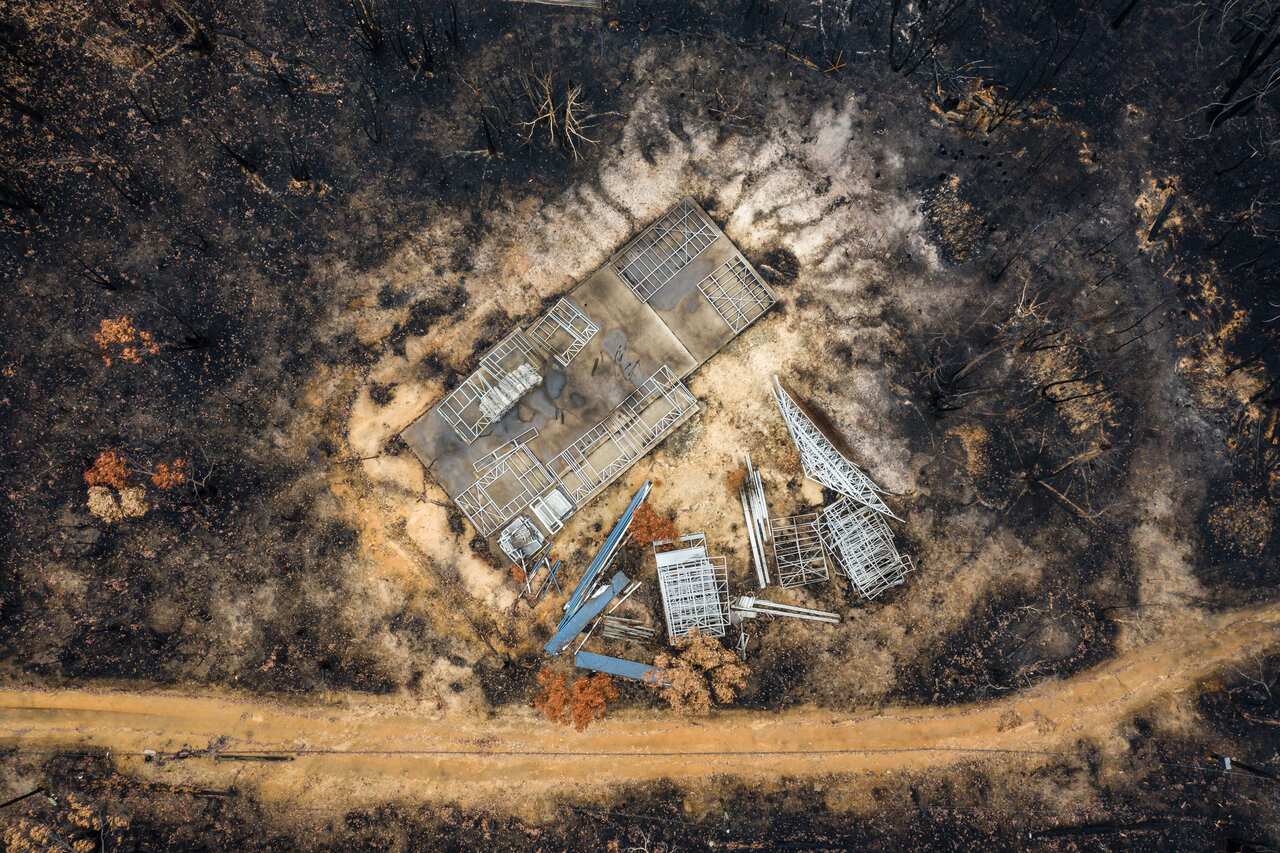
Aerial view of the Australian bush fire destruction with a burnt home & property. Bell NSW 2020 bush fires - Blue Mountains Credit: mikulas1/Getty Images

How can bushfire smoke affect your health?

Bushfire smoke affects people both near and far from the fire, impacting air quality, health and daily life. People living with heart or respiratory conditions are especially vulnerable.

Emergency physician and public health and disaster expert Dr Lai Heng Foong says the effects can last long after the smoke clears.

“As we saw in the Black Summer bushfires, prolonged exposure actually can affect growth of unborn babies. It contributes to heart disease, dementia, cancers, strokes, diabetes and let's not forget, poor mental health,” she says.

Where can you find mental health support after a bushfire?

The mental health impacts of repeated disasters can be significant, especially as climate change increases the frequency and severity of bushfires.

“And when it comes over and over again, which we will see in the future because climate change causes compounding effects on disaster occurrence, making it more frequent and also more severe, and each time that occurs, people get triggered by the experience, they have increased risk of anxiety and depression and all the effects of post-traumatic stress,” Dr Lai says.

Support is available through recovery centres, your GP, and 24/7 helplines such as Lifeline or Beyond Blue.
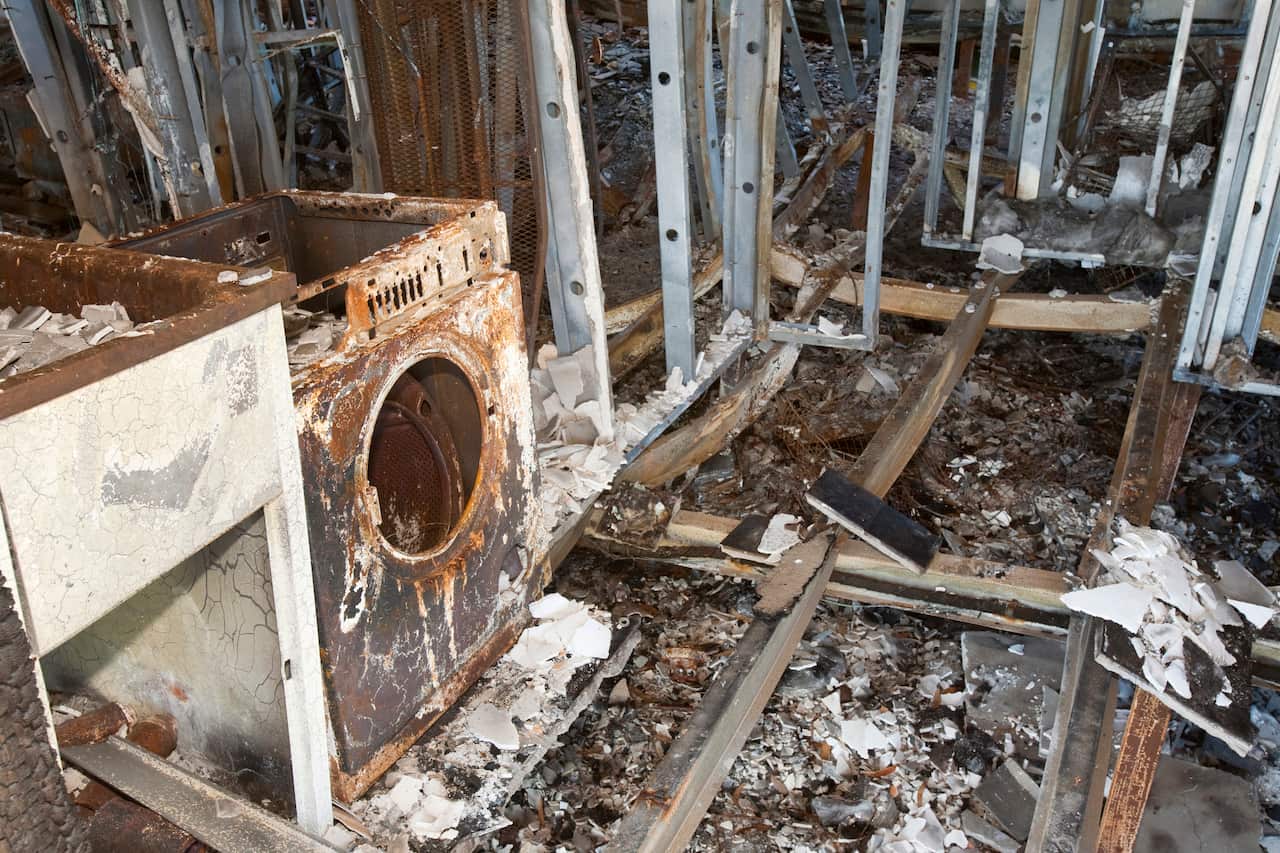
Australia Explained: Bushfire Recovery
A house belonging to Allan Lehepuu in the mountains near Michelago that was destroyed by bush fires, New South Wales, Australia. Allan is a volunteer fire fighted and went to help fight the fire at the bottom of the mountain. The fire spread rapidly and destroyed Allans and other houses in the area. Credit: Ashley Cooper/Getty Images

How can parents support children and young people after a disaster?

Supporting children and young people after a disaster is crucial. A parent’s wellbeing plays a major role in how children cope.

Erin Pelly, Red Cross Australia’s national manager for recovery and emergency services, says parenting after a disaster can be especially challenging.

“Parenting after a disaster is really, really hard. There’s so many different things to navigate. Your kids might be experiencing similar or challenging feelings and thoughts or reactions to the disaster. That's really normal. You've all been through a lot, so reassuring them and providing that care and comfort is probably the most important thing you can do. No one knows your child as well as you do.”

If you notice worrying behaviour in your child, seek help early through your GP or a helpline. Kids Helpline provides confidential phone and online counselling for young people aged five to 25.

Why is community support so important during bushfire recovery?

Recovery looks different for everyone and often takes longer than people expect.

Erin Pelly encourages people to make time for small moments of joy during recovery, whether that’s making a cup of tea, going for a walk with family or organising a picnic with neighbours.

If you have the capacity to help others, it doesn’t have to be anything big. Simply being present can make an enormous difference.

“Knowing that someone cares, knowing that someone listens to what you're going through and helps you come to terms with what's happened, is so important for people. So, it doesn't have to be donating stuff or donating money or donating time but really sharing your heart with someone on your ear,” she says.

Recovering from a bushfire is a long journey, but support is available for your safety, your home and your wellbeing.

Subscribe to or follow the Australia Explained podcast for more valuable information and tips about settling into your new life in Australia.

Do you have any questions or topic ideas? Email australiaexplained@sbs.com.au

spk_0

SBS acknowledges the Traditional Custodians of Country and their connections and continuous care for the skies, lands and waterways across Australia.

spk_1

You're listening to Australia Explained, an SBS audio podcast helping you navigate life in Australia.

spk_2

Australia's hot, dry climate and unique landscapes make it one of the most bushfire-prone countries in the world. As climate change drives higher temperatures and drier conditions, we can expect more frequent and more intense bushfires in the future. Australians are regularly reminded about the

spk_2

importance of having a bushfire plan. But what happens after the flames are gone? Once the fire is out, how do you return home safely, find support and look after yourself?

spk_3

What we know from experience is that it takes a lot longer than anyone anticipates. People have so many different priorities.

spk_3

At them, whether it's the school being closed, whether it's dealing with your insurance company, whether it's applying for the different grants that are available.

spk_2

This is Australia Explained, and I'm your host, Maram Ismail. In this episode, experts discuss steps from emergency response to long-term recovery after a bushfire.

spk_2

Experiencing a bushfire is confronting. Sharif Baytieh is the deputy captain of the Rural Fire Service Brigade in Nana Glen, a small village in New South Wales. Across Australia, more than 100,000 volunteer.

spk_2

Firefighters do what Sharif does, educating communities, fighting fires, and supporting recovery. He experienced his first major bushfire in 2019. Years on, the memories are still vivid.

spk_4

When you're driving down the road and you're seeing the bushland and it's all burnt to a crisp, you see a, a possum running across the road that's been burnt out of his log. It's surreal, but it, it's not until the hours later when you're back at the station and you're having a debrief, that the reality of what you went through and the stories of the people around you and their experience and their feelings, you gotta remember we're all volunteers, um, this was our first bushfire as a

spk_2

crew.

spk_2

Returning home after evacuating can be overwhelming. Before anything else, wait for official advice. You can only go back once your state emergency service, the SES says it's safe. Bring basics like non-perishable food, bottled water, cash, a torch, and spare batteries. If your home is still standing. Check for obvious structural damage before going inside. If you're entering a fire-affected property.

spk_2

Wear a respirator, gloves, long sleeves, and sturdy shoes, and if possible, keep children and pets away at first. Once you're on the property, look carefully for burning embers. They can stay hidden and dangerous, reigniting days after the main fire front has passed.

spk_4

We consistently had call out after the fires for about 2 weeks, and it'd be some property owner who would have had a log that he didn't realise was still hot and smouldering.

spk_4

That we had some winds about 78 days later that ignited these things, and next thing you know, they're looking out their back window, and there's a log on fire, and of course, the first thing they do is they call RFS. Those embers

spk_4

And those hotspots, they can reignite fires as well, especially if they're close to your home.

spk_2

If you have insurance, document everything before you move or clean anything. Take photos and videos and keep a written record of losses. Some insurers offer fast payouts for essentials like temporary accommodation. Emergency shelters, and relief centres are set up to provide immediate safety and support

spk_2

usually offer shelter, food, water, and charging stations. State-based services like Emergency Recovery Victoria, Service New South Wales, or the Queensland Recovery Hotline can also help people navigate the next steps. Depending on your situation. Government disaster financial assistance may also be available. Sherif Bety says the road to recovery looks different for

spk_2

everyone.

spk_4

To restore normality to someone who's lost their house and all their belongings, it's impossible. But to get the roads cleared, the debris cleared off the road, you know, they had a backhoe, there were trees had fallen down on the roads, um, there were trees on the sides of the road that had already been pushed out of the way. To cut down those trees that could be a nuisance in the future and chip them up, that is a long recovery. So yeah, it, it all, it all comes down to and dependent on how much you lost and how much was damaged in the process.

spk_2

Bushfire smoke affects people near and far from the fire, impacting air quality, health, and daily life. People with heart or respiratory conditions are especially vulnerable. Emergency physician and public health and disaster expert Dr Lai Heng Foong

spk_2

says the effects can last long after the smoke clears.

spk_5

As we saw in the black summer bushfires, um, prolonged exposure actually can affect growth of unborn babies. Um, it contributes to heart disease, dementia.

spk_5

cancers, strokes, diabetes, and let's not forget poor mental health.

spk_2

She says the mental health impacts of repeated disasters can be significant.

spk_5

And when it comes over and over again, which we will see in the future because climate change causes

spk_5

compounding effects um on disaster occurrence, making it more frequent and also more severe, and each time that occurs, um, people get triggered by the experience, they have increased risk of anxiety and

spk_5

Depression and all the effects of post-traumatic stress.

spk_2

After major bushfires, recovery centres open with trauma-informed counsellors and referral services. Your GP can also help you find support, and helplines like Lifeline or Beyond Blue are available 24/7.

spk_2

Erin Pelly, Red Cross Australia's national manager for recovery and emergency services, says supporting children and young people after a disaster is crucial. A parent's wellbeing plays a big role in how children cope.

spk_3

Parenting after a disaster is really, really hard. There's so many different things to navigate.

spk_3

Um, your kids might be experiencing similar or, or challenging, um, feelings and thoughts or reactions to the disaster, that's really normal. You've all been through a lot. So reassuring them and providing that care and comfort is probably the most important thing you can do.

spk_3

No one knows your child as well as you do.

spk_2

If you notice worrying behaviour in your child, she recommends seeking help early through your GP or a helpline. Kids Helpline provides a confidential phone and online counselling service for young people aged from 5 to 25, and she reminds us that disaster recovery takes time.

spk_3

What we know from experience is that it takes a lot longer than,

spk_3

anyone anticipates. People have so many different priorities coming at them, whether it's the school being closed, whether it's dealing with your insurance company, whether it's applying for the different grants that are available. The fact that whole communities often get impacted all at once. So your normal ways of coping and the people who you normally reach out to sometimes is challenging because they've got their own.

spk_3

Paperwork to deal with and they're dealing with their own disaster.

spk_3

At the same time.

spk_2

On a more positive note, Erin Pelli says most people recover well with the support of family, friends, and their community. She encourages people to make time for small moments of joy, even during recovery.

spk_3

Whether that's going for a walk, walking the dog, walking around the block with your kids, organising a picnic with your neighbours so the kids can run wild while you can chat to someone.

spk_3

Someone who's been through a similar experience with you is so important for making sure that you can keep getting through the demands of disaster recovery.

spk_2

And if you have the capacity to help others, you don't need to do anything big. Simply being present can make an enormous difference.

spk_3

What we know over and over again is knowing that someone cares, knowing that someone listens to what you're

spk_3

Going through and help, help you kind of come to terms with what's happened is so important for people. So it doesn't have to be donating stuff or donating money or donating time, but really sharing your heart with someone and your ear.

spk_2

Recovering from a bushfire is a long journey, but you don't have to face it alone. Support is available for your safety, your home, and your wellbeing.

spk_2

Thank you for listening to this episode of Australia Explained. Written and produced by Audrey Bourget, hosted and mixed by me, Maram Ismail. Australia Explained managing editor is Roza Germian.

spk_1

This was an SBS audio podcast. For more Australia Explained stories, visit SBS.com.au/australiaexplained.

spk_2

Subscribe or follow the Australia Explained podcast for more valuable information and tips about settling into your new life in Australia. Do you have any questions or topic ideas? Send us an email to australiaexplained@sbs.com.au.

END OF TRANSCRIPT

Share

Recommended for you