

Customs is generally the first point of contact for people entering Australia. Our Border Force Officers are there waiting. They ensure that we don’t bring in prohibited goods that could threaten Australia’s unique environment, economy and communities. Before you zip up your suitcase, here’s what you need to know about what can—and can’t—cross the border, and what’s at stake if biosecurity rules are ignored.
Key Points
- Border control measures exist to protect our unique environment and economy.
- Everyone must complete and Incoming Passenger Card. This is a legal document.
- Food and plant items are high risk and must be declared.
- Concealing items can lead to fines and jail time.
- If unsure, declare it.
- Why does Australia take biosecurity so seriously?
- What is the Incoming Passenger Card?
- What if I need help filling in the card?
- What are some other prohibited items?
- What if I fail to declare prohibited goods?
- What are some common items to declare?
Why does Australia take biosecurity so seriously?
Australia’s biosecurity laws are considered some of the strictest in the world, and for good reason.
There’s a long list of food and plant items that are not permitted into Australia as they could introduce pests and disease that we have managed to keep out.
“Our biosecurity status on this great big island is absolutely essential for our trade, for our community comfort, for our agricultural productivity and for our beautiful environment and our incredible native species. That is what we are trying to protect,” Vikki Fischer says. She is Assistant Secretary of Traveller Policy and Operations with the Department of Agriculture, Fisheries and Forestry.
Agriculture underpins thousands of livelihoods across the country. Strict biosecurity laws also ensure Australia can trade internationally, free from pests and disease.
What is the Incoming Passenger Card?
When we enter Australia by plane or ship, we’re given an Incoming Passenger Card (IPC) that we’re required to complete on the plane or before reaching customs.
By answering all the questions on the card, we’re alerting the Australian Border Force (ABF) Officers to any potentially prohibited goods that we might be carrying—even unknowingly.
“That yellow card, the IPC, is a legal document,” Vikki Fischer warns. “You are declaring, on that legal document, whether or not you are carrying any sort of food items, [… ] any plant products, any animal products, any dirt on your boots, perhaps.”
All food, plant material, animal products that might seem harmless, must be declared.Vikki Fischer
If you’re carrying anything listed on the card it must be declared. You’ll then be directed to a Biosecurity Officer who can assess whether or not the goods are a biosecurity risk.
Declaring an item does not automatically mean it will be confiscated. In many cases, officers simply assess the risk and allow safe items through.
Some foods like chocolate or processed lollies have no biosecurity risk, but if you’re unsure, declare it.
It’s vital that you know exactly what’s packed in your luggage, seasoned traveller Eleni Moutselou warns.
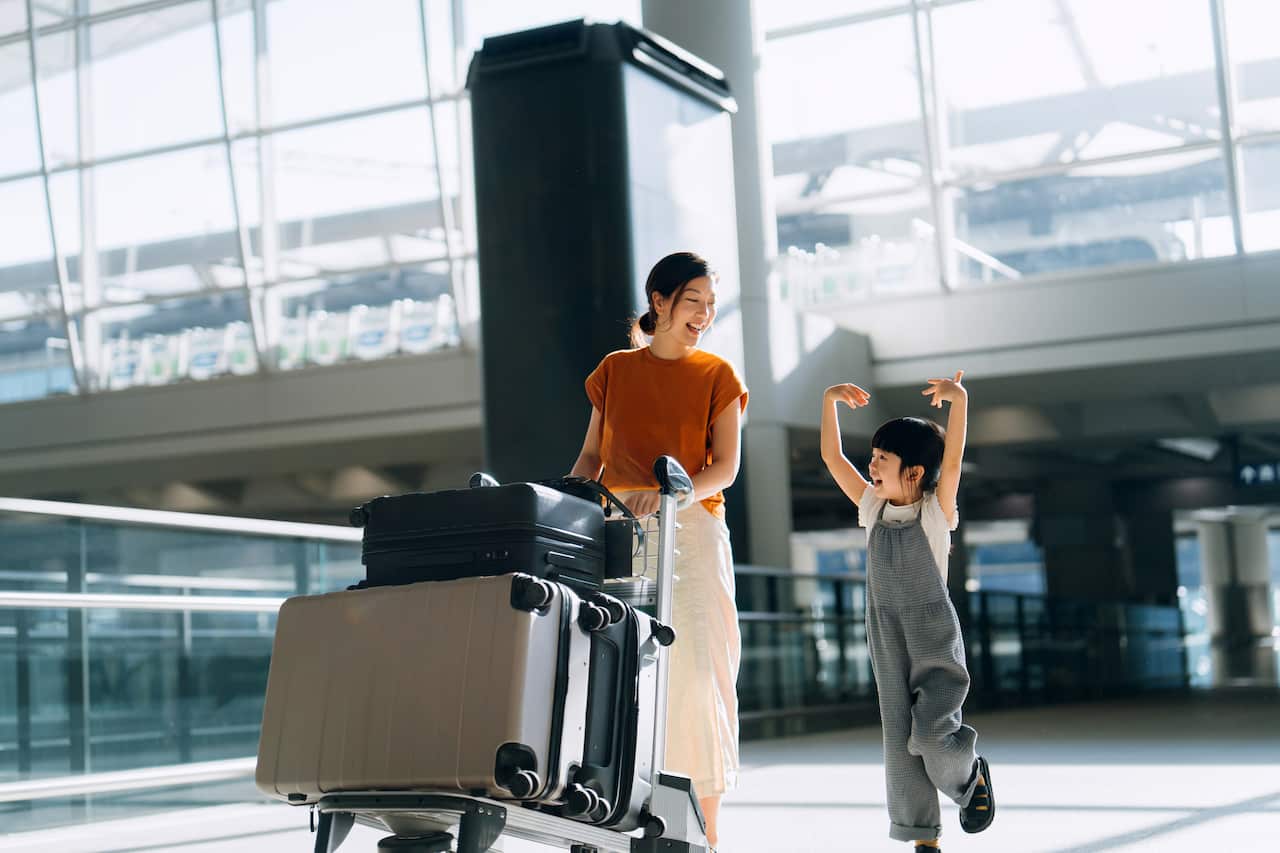
When going through customs, ABF Officers discovered high-risk meats and dairy products in her bags.
“They were very annoyed, and I was terrified of course. But as it had happened, my mother had put those things in my suitcase at the last minute without my knowing, and I told them that. They said, ‘do you know you could be fined or go to prison for that?”
What if I need help filling in the card?
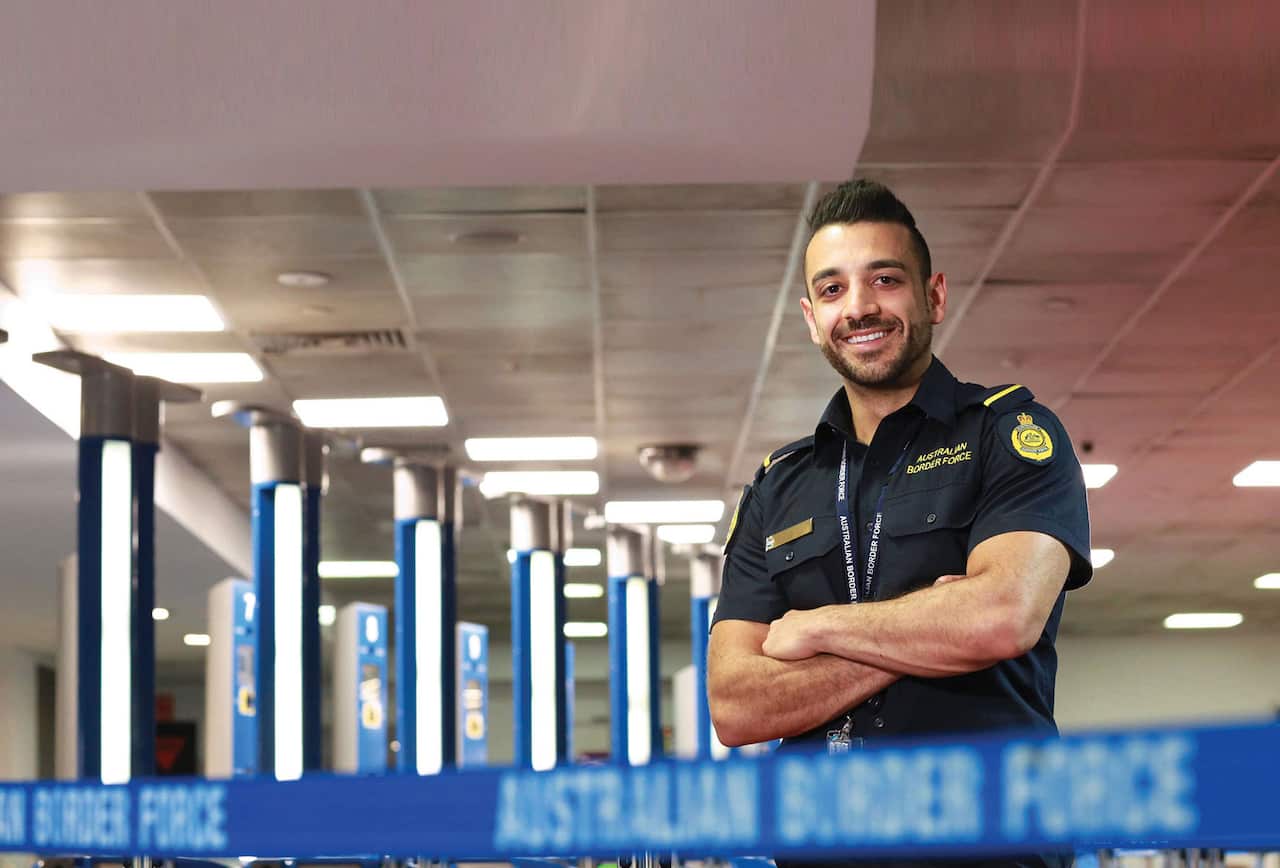
If you find it difficult to understand the card, ABF Officers are there to assist once you arrive at the immigration line, ABF Acting Superintendent Neil Singh says.
The International Passenger Card comes in 48 different languages so we can cater for people from all different countries that arrive into Australia.Neil Singh
What are some other prohibited items?
Carrying items that pose security risks such as weapons, illicit drugs and hazardous materials, and even sharp objects, is highly regulated. Everything must be declared. There are serious consequences for concealing items, Mr Singh warns.
“Usually if you haven't deliberately done something wrong then the item will just be seized off you. But if you have deliberately intended to hide it from us, then obviously there will be further consequences which can lead anywhere from seizure, infringement notices up into jail time.”
What if I fail to declare prohibited goods?
The prohibited items list is lengthy so if you're unsure, declare it. Sometimes what you think is safe to bring in can actually lead to the biggest penalties.
Declaring anything you’re unsure about allows Biosecurity Officers to assess the risks and prevent the threat of invasive species.
The times when you are fined are when you fail to make a truthful declaration on the Incoming Passenger Card, Ms Fischer warns.
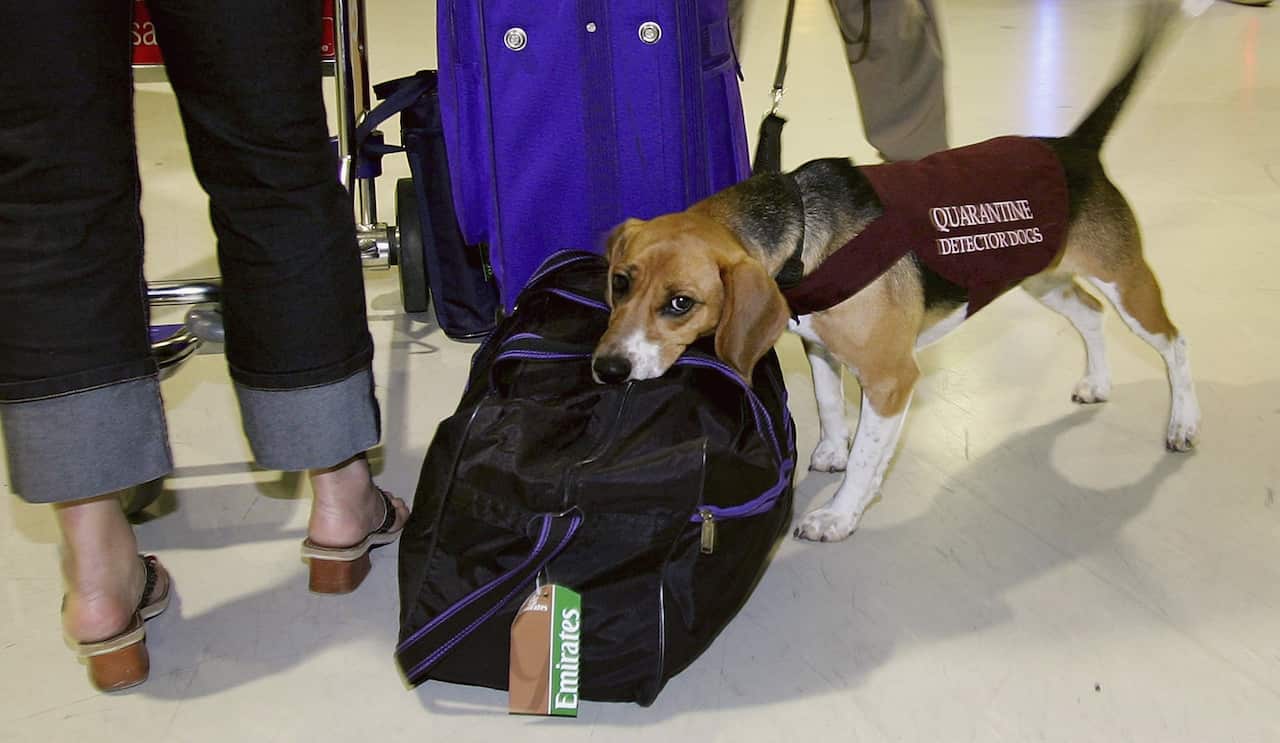
“If you say, ‘I've got no food products, I‘ve got no plant products, I’ve got no animal products’, then if your bag is screened or the dog checks your bag over and we find that you do actually have material in your bag, that is when people are fined. It's only when they don't declare.”
What are some common items to declare?
Medicines
Common medicines such as aspirin and paracetamol are permitted but most pharmaceuticals should be declared—even if they’re issued over the counter.
“I always declare all my medicines, everything,” Ms Moutselou says. “My GP has written a letter about why I need those medications, so I can present it if they need it, but once I produce all the medicines, they're very understanding.”
If you can carry a doctor’s certificate with you, that makes things easier but it’s not mandatory.
“Personal medications aren't an issue coming into Australia as long as you keep the medication in its original packaging,” Mr Singh adds.
You can carry up to three months’ worth of medication.
Cash
There’s no limit to the amount of cash we can lawfully bring into Australia, however any funds above $10,000 must be declared and registered.
Alcohol and tobacco
Individuals are permitted 2.25 litres of alcohol and 25 cigarettes, or 25 grams of tobacco. This includes any duty-free that you purchase on the way in.
Gifts
Rules also apply to the gifts and souvenirs we bring into Australia.
“We obviously want you to bring presents back to the family or friends,” Mr Singh says. “And with that you have a limit up to $900.
“And what people should remember is personal items for yourself such as clothing, shoes and so forth aren't part of that $900. If it is more than $900, you could be liable for duty and taxes.”
A comprehensive list of prohibited goods is available online: Australian Border Force
If you’re in doubt, declare it. A few extra minutes at the airport can help you avoid penalties and protect Australia’s environment, economy and way of life.
Subscribe to or follow the Australia Explained podcast for more valuable information and tips about settling into your new life in Australia.
Do you have any questions or topic ideas? Email australiaexplained@sbs.com.au