

Regular veterinary visits play an important role in keeping your pet healthy and happy. Find out what to expect at a veterinary clinic in Australia, from routine check-ups and vaccinations to advice on caring for your pet’s wellbeing.
Key Points
- Regular veterinary care for your pet helps to prevent diseases and detect illness early.
- Emergency veterinary centres are available for urgent after-hours veterinary care.
- As a pet owner you are responsible for any costs for your pet, including veterinary fees.
- Why is it important to regularly take your pet to the vet?
- How should you prepare for your visit to the vet?
- What happens once you’re at the vet clinic?
- What should you do if you have an emergency issue with your pet?
- Who covers the cost of veterinary care?
Why is it important to regularly take your pet to the vet?
Nearly three quarters of Australian households have a pet, and they’re considered an integral part of the family, like 13-year-old Labrador Choccy owned by Vera Szito.
“He's 100 per cent a member of the family. He's not like family, he is family!” says Ms Szito.
Being a responsible pet owner means taking your furry family member to your local veterinarian, commonly referred to as the vet, for regular health checks.
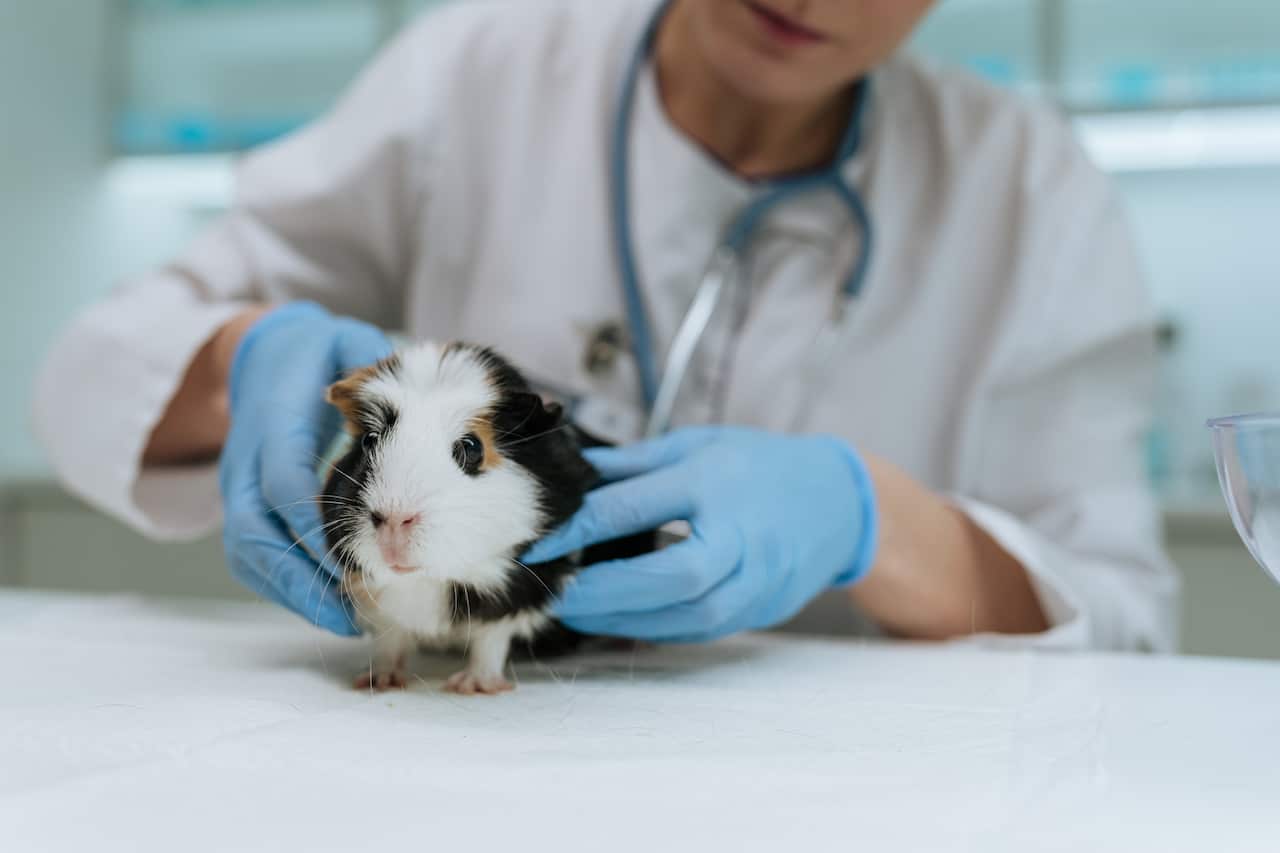
Pets can be really good at hiding their health problems, says veterinarian Dr Diana Barker.
“So regular checkups can alert vets to those subtle changes that you might not see, but also gives you an opportunity to discuss preventative care for your pet.”
Preventative care includes vaccinations, parasite prevention and dental care to prevent diseases before they occur, and diagnostic testing to detect any signs of disease early.
“Having that regular relationship with your local vet also helps minimise any stress or anxiety that your pet might have going to the vet. So they might get used to the vet a little bit more than just sort of arriving when they're unwell,” Dr Barker says.
How should you prepare for your visit to the vet?
It's easy to forget all the concerns that you have, veterinarian Dr Ryan Ong says.
"Try and write it down beforehand if you can, if you're worried about things like changes in behaviour, eating, drinking habits, including any recent medications that your pets may be on.”
When booking an appointment, explain the reason for your visit, and let the clinic know about any specific needs for your pet, as Ms Szito explains.
“Whether that's helping us get our pet into and out of the car, or making sure that they've got more space in the waiting area, they can be very helpful to make sure our pet has as positive an experience as possible at the vet.”

There may be ways to help different species cope with unfamiliar surroundings, Dr Barker explains.
“If you have a cat, it can be useful to try to book in a quiet time of the day, because cats can get a little bit stressed and anxious if there are lots of dogs around.”
What happens once you’re at the vet clinic?
When you arrive, approach the receptionist to check in.
“Remember that everybody at the vet loves animals", Dr Barker says. “So they're very happy to give your pet lots of cuddles or listen to your instructions about what your pet likes best.
“They may ask you to put your dog on the scales to be weighed, and cats are usually weighed in the consult room.”
Once you’re in the consultation room, the vet will ask questions while performing a physical examination of your pet.
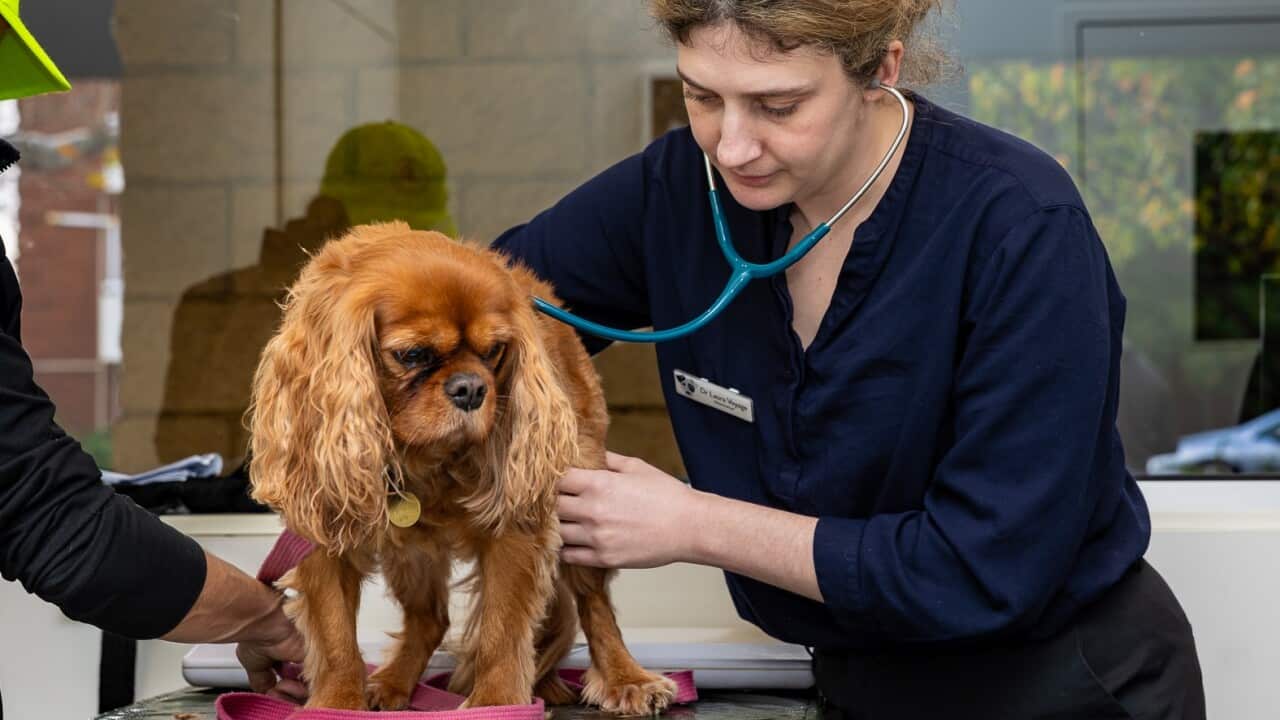
“This includes checking your pet's eyes, ears, teeth, coat, joints, temperature, listening to their heart and lungs using a stethoscope, and having a feel of their abdomen to see if we can feel anything irregular inside,” Dr Barker explains.
Your appointment is also an opportunity to raise any concerns about your pet’s health. The vet can discuss treatment options with you, which might include further testing or some medication trials.
After the consultation, the veterinarian will dispense any medications which you can collect at reception where you can also pay the invoice.
What should you do if you have an emergency issue with your pet?
Veterinary emergency centres with specialised equipment are available in many areas if your pet unexpectedly becomes ill or is injured.
As Dr Ong explains, this might include "...accidents or injuries or perhaps vomiting, severe diarrhoea, trouble breathing, seizures, collapse or if you suspect that perhaps your pet has eaten something toxic.
In Australia, snake bites are something that we always treat pretty urgently.Dr Ryan Ong
“And apart from all the equipment and the facilities, emergency hospitals are staffed by vets and nurses who are trained specifically in emergency and critical care,”
If you have an urgent concern about your pet, Dr Ong recommends ringing the veterinary emergency centre for advice. They can also prepare for your visit and advise how to safely transport your pet.
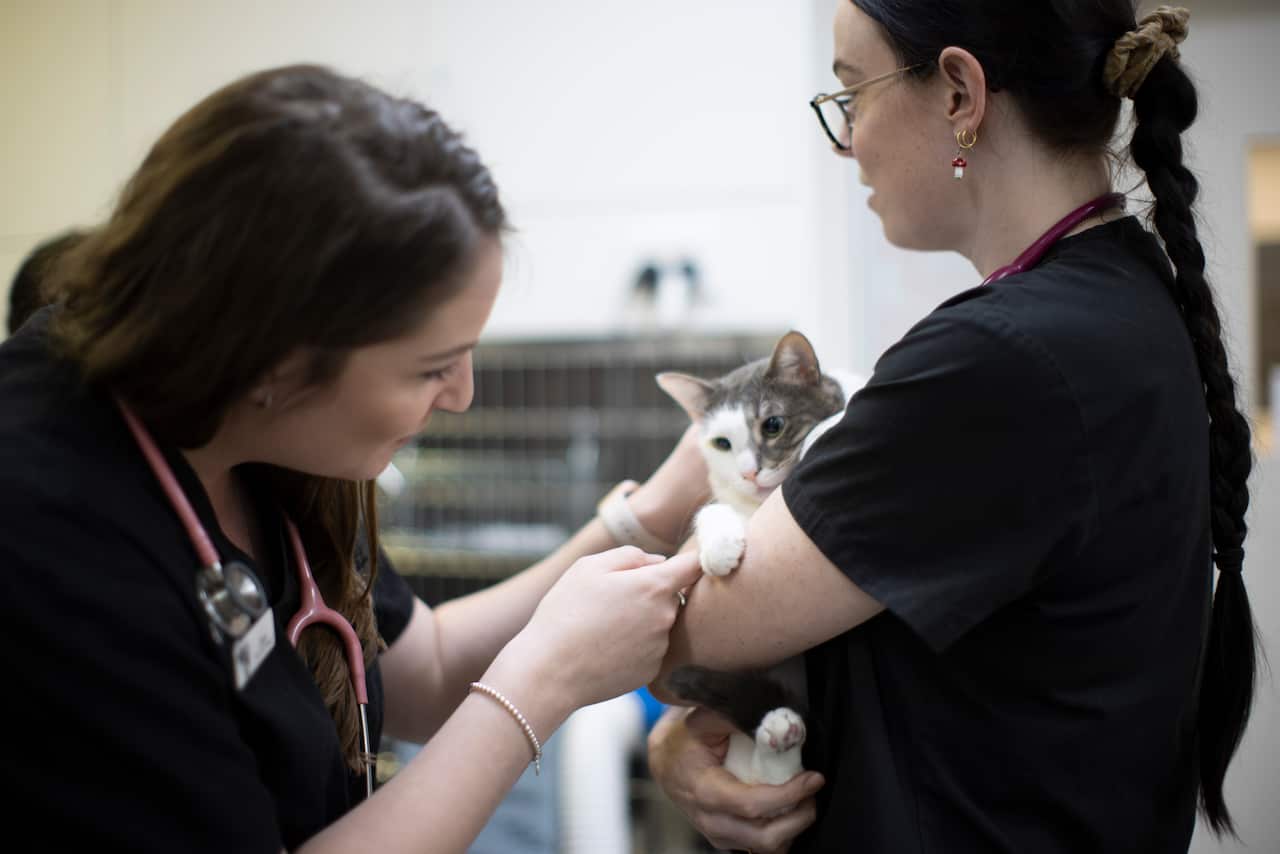
“Generally, cats and small animals should always be in a secure carrier, and you can put a light cloth over the top of the carrier which helps keep them calm. For dogs, if they can't walk or they've been in an accident or have a fracture, you can use a blanket as a stretcher.”
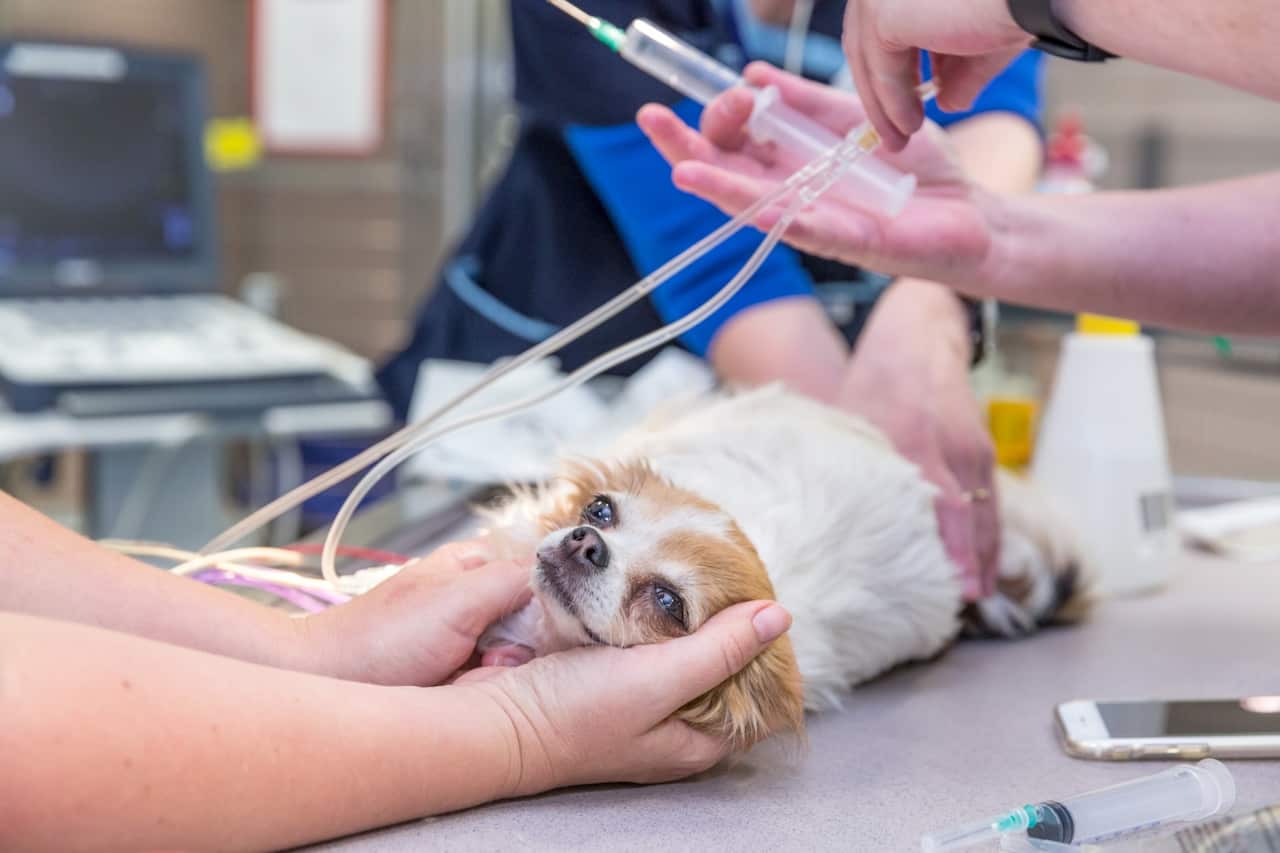
When you arrive at the veterinary emergency centre, the staff will triage your pet to determine how severe things are.
“The sickest animals are usually the ones seen first, and so it’s not necessarily in order of your arrival. And if the veterinary team are concerned about anything, they'll seek permission from you to take your pet straight through to the treatment area.
“I know it can be a bit scary sometimes to be separated from your pet but what they're trying to do is to make sure that they are looking after your pet and can quickly stabilise them and alleviate any pain if required.”
The veterinarian will explain any recommended diagnostic tests and treatment, and the expected cost.
Who covers the cost of veterinary care?
As a pet owner, you are responsible for any costs associated with your pet, including the payment of veterinary fees at the time of your visit.
Part of owning a pet is that sometimes things go wrong when you least expect it. It is always worth talking to your family to have a plan about the financial responsibility for your pet and having a contingency about how you would pay for those costs.Dr Diana Barker
If you have financial limitations around what you can spend on your pet’s care, it's important to voice this to veterinary staff, in a respectful way.
“Veterinary teams care really deeply about pets. Kind, respectful communication allows our veterinary teams to focus on your pet's care, and clearly collaborate with you to formulate the best decisions for your pet,” Dr Barker says.
Pet insurance is also an option available to help cover the cost of veterinary services. It can also alleviate some of the emotional pressure that comes with unexpected medical decisions.
Subscribe to or follow the Australia Explained podcast for more valuable information and tips about settling into your new life in Australia.
Do you have any questions or topic ideas? Email australiaexplained@sbs.com.au