
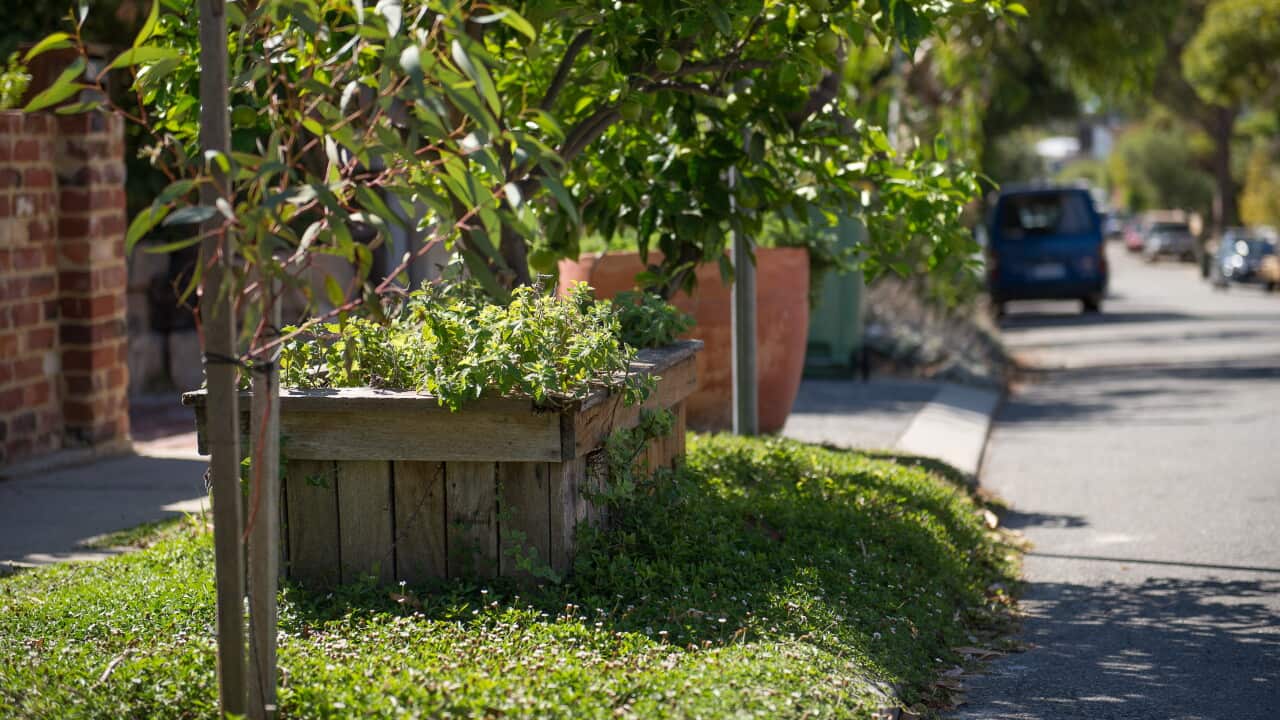

Walking through an Australian suburb, you might spot everything from curry leaves and lemons to tomatoes and herbs growing in front gardens or on verges. But is it legal to pick it? This guide explains when it's legal to pick produce, why permission matters, and how community gardens offer another way to grow your own food.
Key Points
- Taking produce from someone else's garden without permission can be considered trespass and theft.
- Always ask the resident's permission before taking produce from a garden or verge, unless it has clearly been left out for people to take.
- Join a community garden in your local area to grow and share produce.
- Can I take produce from someone else's garden or verge?
- What’s good etiquette if I see produce in someone’s garden?
- Can I grow produce on my verge outside my own property?
- What is a community garden?
- What are the benefits of a community garden?
Can I take produce from someone else's garden or verge?
If you spot ripe fruit growing in someone's garden, it can be tempting to pick some.
But as Jarrad Duggan, who leads the community safety team at the City of Fremantle, explains, taking produce from someone else's garden is illegal.
"It actually isn't lawful to go onto anybody's property without their permission. So no, you wouldn't be able to just walk onto someone's land and take anything from their property because that actually could be considered theft or stealing," Mr Duggan says.
In other words, always ask the property owner before taking produce. The same principle generally applies to produce growing on the verge outside someone's home.
"With the verge, again, this actually isn't lawful to take anything from either. I know it's council land, but you actually need permission to remove anything from a verge," Mr Duggan says.
"You need permission from the person who is either living in the property or owns the property. This doesn't come from the council. It's actually from that person."
What’s good etiquette if I see produce in someone's garden?
If you'd like to take produce from someone's garden or verge, the first step is simple: ask.
"So you're always going to need permission—you can do this by either knocking on the door, or you could leave them a polite note. And if you do get permission, it's certainly a good idea to ask them how much you're actually allowed to take, and don't damage the plant," Mr Duggan says.
Many people are happy to share their excess produce, especially if you've asked first. Some even leave fruit or vegetables outside with a sign inviting others to take them.
"An example that comes to mind is you may walk down the street and you might see a little cardboard box that's on the verge that has a sign that says 'free' and it might be full of lemons, and that is a clear sign that they are giving this away for free. So in that case, you wouldn't need permission," Mr Duggan says.
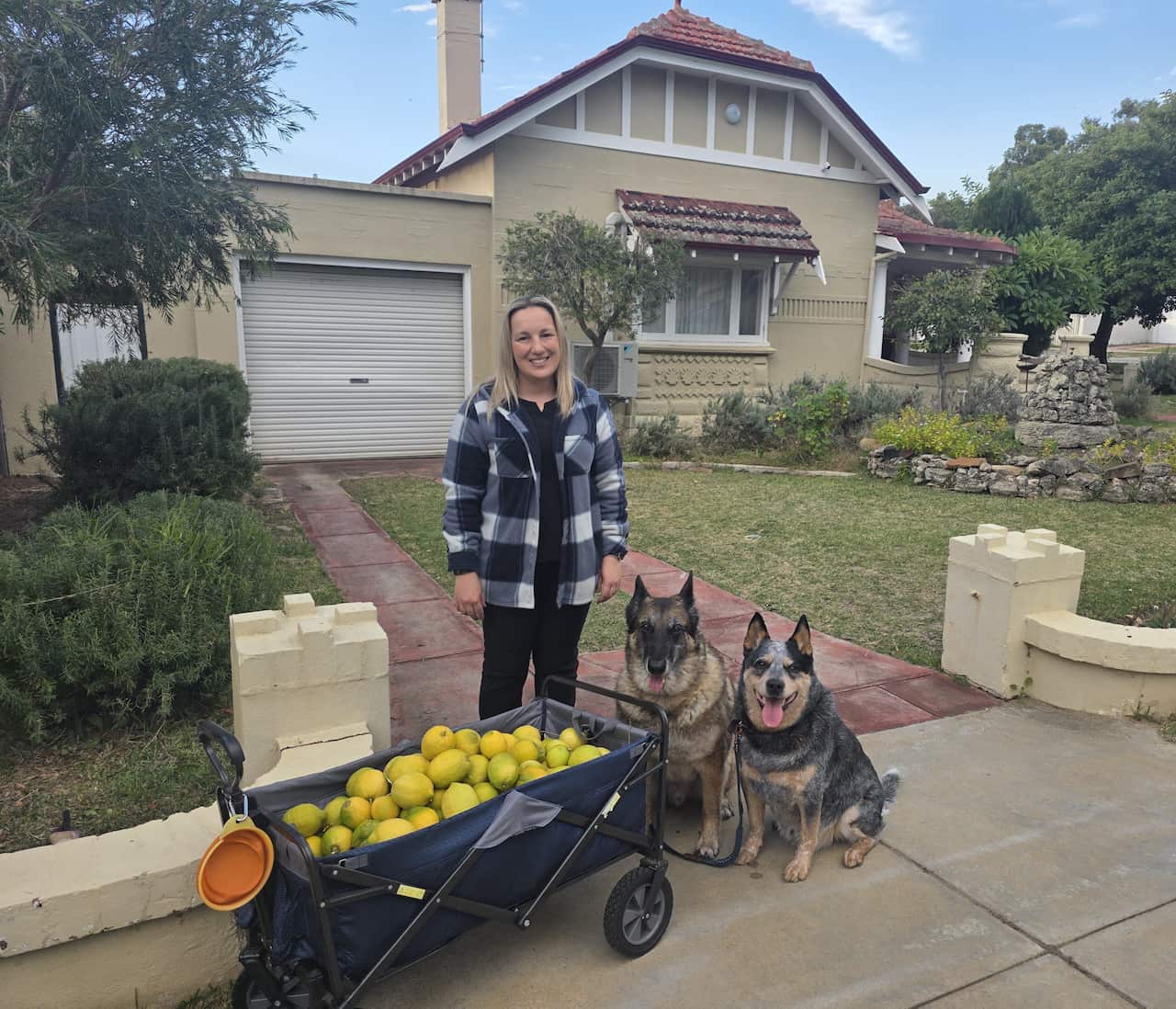
Which is exactly what resident Andrea Sciubba regularly does in her suburb of Nedlands in Perth.
“I've got a very old lemon tree in the back garden and am very fortunate that every year it produces a lot of fruit."
I pick as much as I can, and I put them in a box and leave them by the letterbox so people can help themselves.Andrea Sciubba
Can I grow produce on my verge outside my own property?
The verge, or nature strip, outside a property is generally public land managed by the local council. However, the owner or occupant of the adjoining property is usually responsible for routine maintenance, such as mowing the grass.
Whether you're allowed to grow fruit, vegetables or herbs on your verge depends on your local council's rules.
"So this actually does vary from council to council. Some might allow it, some might prohibit it altogether," Mr Duggan says.
What is a community garden?
If you don't have space to grow food at home, joining a community garden could be another option.
Hurstville Community Garden in suburban Sydney features a communal gardening area and more than 30 plots for individual gardeners, as member Sofia Carvajal explains.
"It's an excellent way to learn, especially if you're a beginner, from people who've been doing it for years. You learn so much on how to plant fruit and vegetables... You also learn how to work together as a group, which is really important."
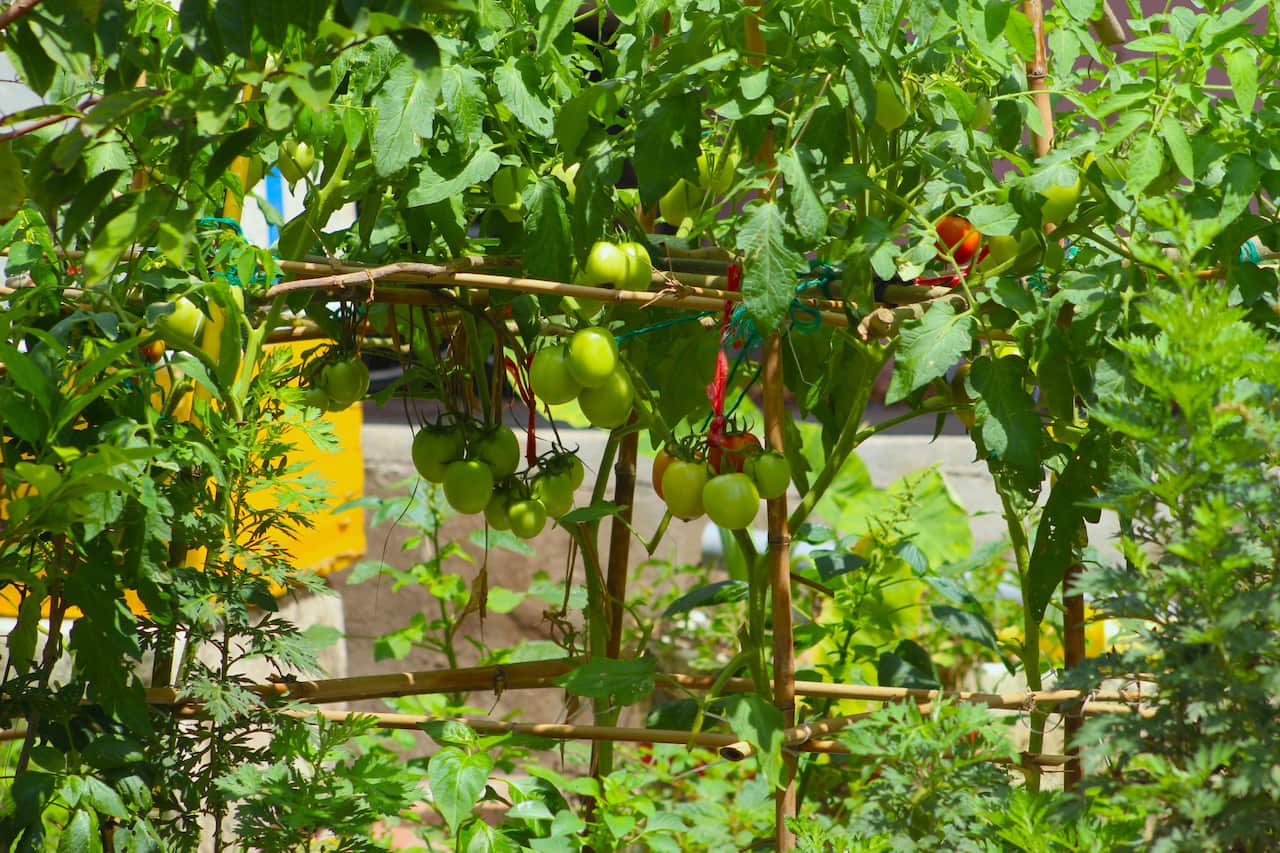
Participants in the community garden learn about soil and composting, what plants to grow, and how to care for them.
“Every community garden works differently, but I think the main thing that all of them have in common is that you do have a period of learning first and then you can plant something, and you will be able to take something home in the end,” Ms Carvajal says.
What are the benefits of a community garden?
Community gardens are open to people of all backgrounds, although membership and waiting lists vary. Most provide the tools you'll need to get started.
Community gardens are a great way of growing whatever you have in your homeland that you can't get from any of the shopping centres.Sofia Carvajal
In addition to the opportunity to grow produce, many community gardens also run activities for people of all ages.
“If you have kids, you can be part of reading books in the garden...We have so many programs for people of all ages. We also have a program for neurodivergent communities to come in and have a plot. It's very calming. We have had programs about zero waste, composting, [and] permaculture. This is the importance of community gardens—it's just so encompassing in terms of it forms community,” Ms Carvaja says.
So, whether you're looking to share fresh produce or grow your own, community gardens offer a practical way to get involved. And if you see fruit or vegetables growing in someone else's garden or on their verge, remember to ask permission before taking any.
Subscribe to or follow the Australia Explained podcast for more valuable information and tips about settling into your new life in Australia.
Do you have any questions or topic ideas? Email australiaexplained@sbs.com.au