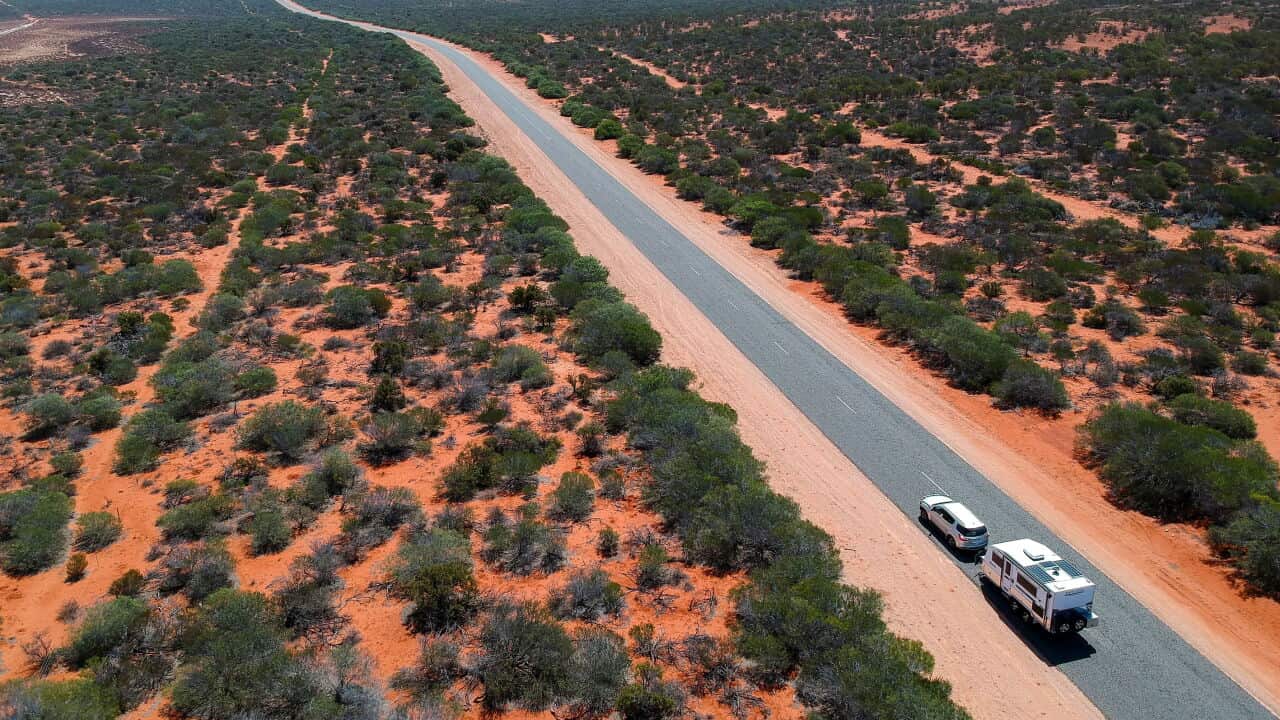


National parks, nature reserves, marine sanctuaries and Indigenous Protected Areas protect different environments and operate under different rules. What makes an Indigenous Protected Area different, and how can you find out whether you are welcome to visit?
Key Points
- Protected areas are places that conserve important land, waters, plants, animals and cultural values.
- Indigenous Protected Areas are managed by Traditional Custodians, often in partnership with government and conservation organisations.
- Always check the rules before visiting a protected area as some activities may be restricted.
- What is an Indigenous Protected Area (IPA)?
- How are Indigenous Protected Areas different from other protected areas?
- How do Indigenous Protected Areas work?
- Why are Indigenous Protected Areas important to Australia’s environment and culture?
- How can you visit an Indigenous Protected Area respectfully?
National parks and nature reserves mainly protect land, while marine sanctuaries protect ocean habitats. Indigenous Protected Areas can protect land or sea Country and are voluntarily managed by Traditional Owners.
All these protected areas exist on Country that First Nations peoples have cared for over tens of thousands of years.
What is an Indigenous Protected Area (IPA)?
An Indigenous Protected Area, also known as an IPA, is an area of land or sea Country that Traditional Owners voluntarily agree to manage for conservation.
The Australian Government and First Nations groups co-designed the IPA program, which began in 1997. It supports Traditional Owners to protect biodiversity and cultural values while continuing cultural practices and responsibilities to Country.
In Australia there are currently:
- 96 dedicated Indigenous Protected Areas.
- 113 million hectares of land covered by Indigenous Protected Areas.
- 9.3 million hectares of sea Country covered by Indigenous Protected Areas.
Together, IPAs make up more than 55 per cent of Australia’s National Reserve System, which protects about one-quarter of the country’s landmass.
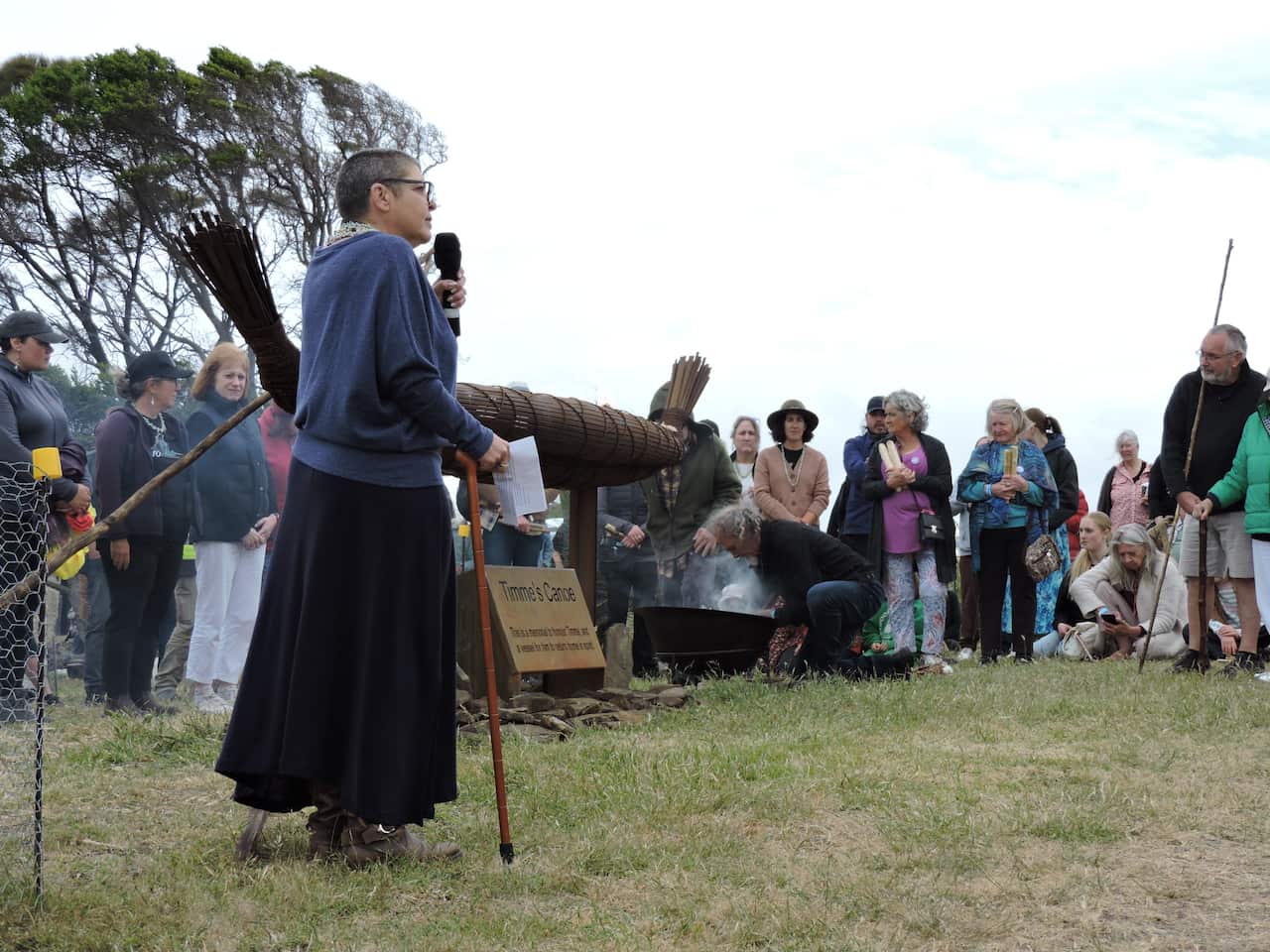
Professor Emma Lee OAM is a Trawlwulwuy woman and academic at Federation University. She is also known as Aunty Emma.
She explains that First Nations people have conserved Australian land and waters for thousands of years.
“We've always had a system in place for looking after country, those very, what seems simple mantras of ensuring that you don't take more than what you need, and you leave country behind in a better condition for the next generations. These are absolute principles that have governed our people for tens of thousands of years and hundreds of generations.”
How are Indigenous Protected Areas different from other protected areas?
Indigenous Protected Areas are unique because they are voluntary agreements between Traditional Custodians and the federal government.
However, they can only be initiated by Traditional Custodians.
For other protected areas, such as national parks, nature reserves and marine sanctuaries, states and territories have primary responsibility for land management.
Private landholders, like farmers and graziers, can enter voluntary conservation agreements while retaining ownership of their property. Eligible land protected through these agreements can contribute to the National Reserve System.
An important distinction between Indigenous Protected Areas and other protected areas, is that culture is central to how IPAs operate. They recognise that people, culture and Country are connected.
Aunty Emma says this differs from a “lock it up and leave it” approach. IPAs can create opportunities for visitors to learn about Country where Traditional Owners choose to allow access.
“We offer a space for people to say, ‘this fire practice very, very old’, and every time you see that patch of cool burn, you are witnessing cultural traditions that have held our country together for millennia.”
An IPA can overlap another protected area, such as a national park or marine park. In these cases, Traditional Owners work with other organisations that hold legal rights or management responsibilities for the area.
How do Indigenous Protected Areas work?
Each Indigenous Protected Area has a management plan explaining how Traditional Owners will protect its cultural and environmental values.
There are two stages to establishing an Indigenous Protected Area:
- Consultation: Traditional Custodians lead discussions and planning with First Nations groups, landowners, stakeholders and potential partners. They develop objectives and strategies for Caring for Country.
- Dedication: Traditional Custodians decide whether to dedicate the area as an IPA. They can invite the Australian government to endorse the management plan and formally recognise the IPA.
Declaring an Indigenous Protected Area does not change ownership, native title or existing legal rights over Country.
Management activities can include:
- protecting cultural and sacred sites
- using cultural fire practices
- monitoring threatened species
- restoring habitats
- conducting biodiversity surveys
- removing marine debris
- controlling weeds and feral animals
- managing tourism and visitors
- passing knowledge to younger generations.
Why are Indigenous Protected Areas important to Australia’s environment and culture?
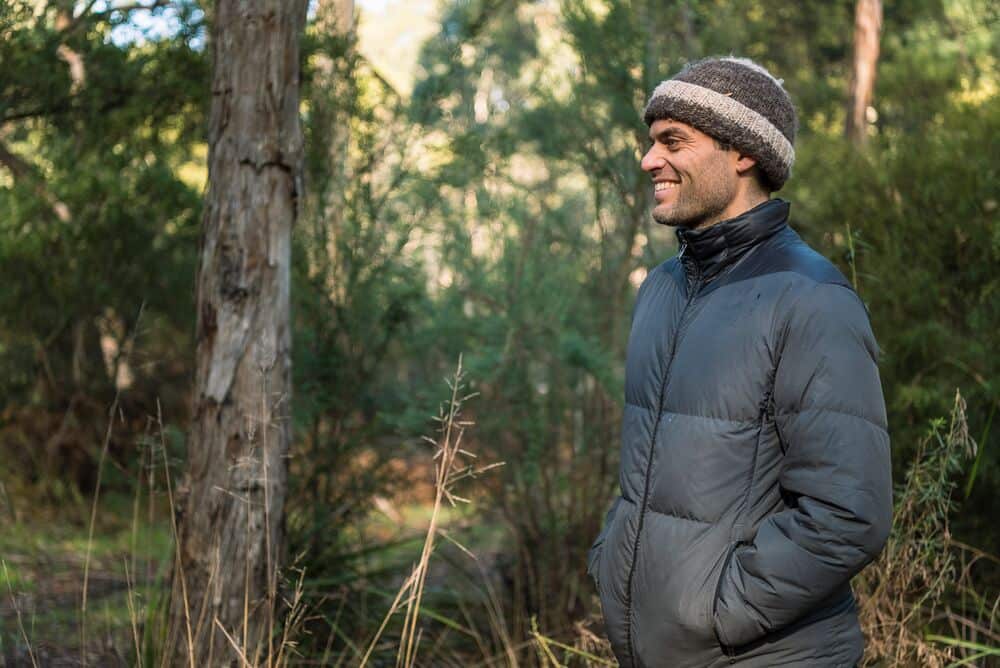
National nature campaigner at the Australian Conservation Foundation (ACF), Jess Abrahams, explains that protected areas are the single most effective way of making sure that the environment is healthy.
“Our national parks and other protected areas are trying to look after a representative collection of all the different kinds of habitats or kinds of nature that we can find in Australia. And it's really important that we protect examples of all the different kinds of nature that exist in Australia so that future generations will be able to see what Australia is and looks like.”
More than 80 per cent of Australia’s plants and mammals, along with 45 per cent of its birds are found nowhere else in the world.
However, Australia’s biodiversity is under growing pressure, and the number of nationally listed threatened species continues to rise.
Professor James Watson, a conservation scientist at the University of Queensland, says protected areas are crucial in maintaining Australia’s threatened species and endangered ecosystems.
“The reason why is that they're lands and seas that are set aside from development. So bulldozers that cause land clearance and vegetation clearance are not allowed inside them. And other activities that the grade nature are not permitted inside the boundaries of a protected area. So, they're kind of safe havens.”
How can you visit an Indigenous Protected Area respectfully?
Mr Abrahams says there are many simple things you can do to help care for nature:
- Keep animals inside your home at nighttime, especially cats.
- Recycle correctly to ensure plastic isn’t going into waterways.
- Volunteer with a community organisation that cares for a nearby park, reserve, or national park.
- Raise any environmental issues with your local member of parliament.
Understanding protected areas helps you to enjoy them while understanding Australia’s special relationship with nature.
“If we're thinking about protected areas as guaranteeing our future as human beings, all of us have the capacity to make mini ones in our backyards, [or] on our apartment balcony in that little public space,” says Aunty Emma.
“We just have to be good people, and protected areas remind us of that, and Indigenous Protected Areas elevate that message.”
So, the next time you visit, learn whose Country you are on, follow local guidance and respect the decisions of Traditional Custodians.
Tips when planning travel:
- Check an official map or website to confirm who manages the area and whether visitors are allowed. The Australian Government publishes a national IPA map where you can identify IPAs.
- Check with the relevant Traditional Owner organisation, IPA manager, land council or park authority about access, permits, closures and culturally sensitive places.
- Signs may identify some protected areas, but they are not always present. You should not rely on signs alone.
And remember, every track you walk, every beach you visit and every forest you explore is part of something much bigger.
It's part of Australia's natural and living cultural heritage.
Subscribe to or follow the Australia Explained podcast for more valuable information and tips about settling into your new life in Australia.
Do you have any questions or topic ideas? Email australiaexplained@sbs.com.au