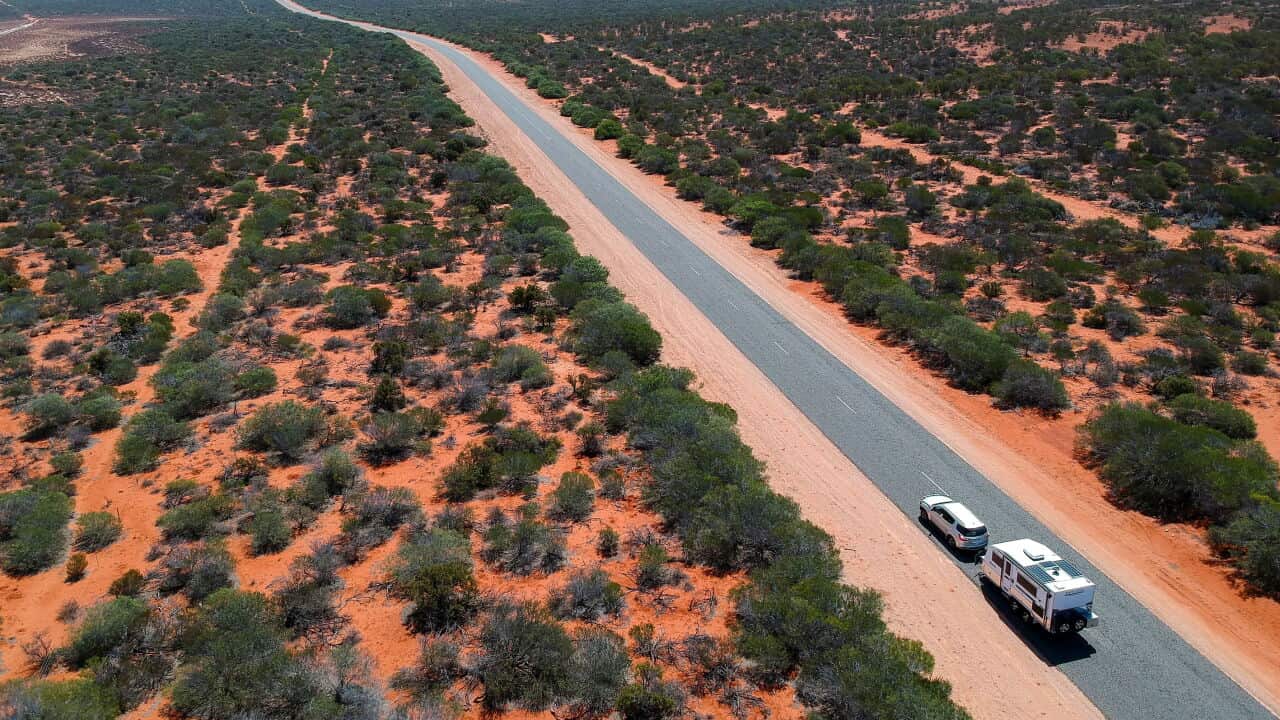

Australia is one of the most biodiverse places on Earth, home to wildlife and plant species found nowhere else on the planet. In this episode of Australia Explained you’ll learn about what makes Australia’s biodiversity so special, the threats it faces and how we can all help protect it.
Key Points
- Australia is a megadiverse country and due to our isolation, we have many species found nowhere else on earth.
- Australia has the worst record in the world for mammal extinction: over 2,000 species of mammals, birds and invertebrates are under threat of extinction.
- Everyone can help protect Australia’s precious wildlife and habitats, through supporting conservation organisations and natural history groups.
- Why is Australia's wildlife and environment so special?
- Why is the conservation of Australia's wildlife and plants important?
- What is the extinction crisis in Australia?
- What are the threats impacting Australia's wildlife and plants?
- How can I help protect Australia's wildlife and plants?
Why is Australia's wildlife and environment so special?
Australia has the most unusual flora and fauna of any continent in the world, says Professor Hugh Possingham, co-chair of the Biodiversity Council and BirdLife Australia Vice-President.
“Australia broke away from other continents over 50 million years ago and has been an isolated continent for a very long time.”
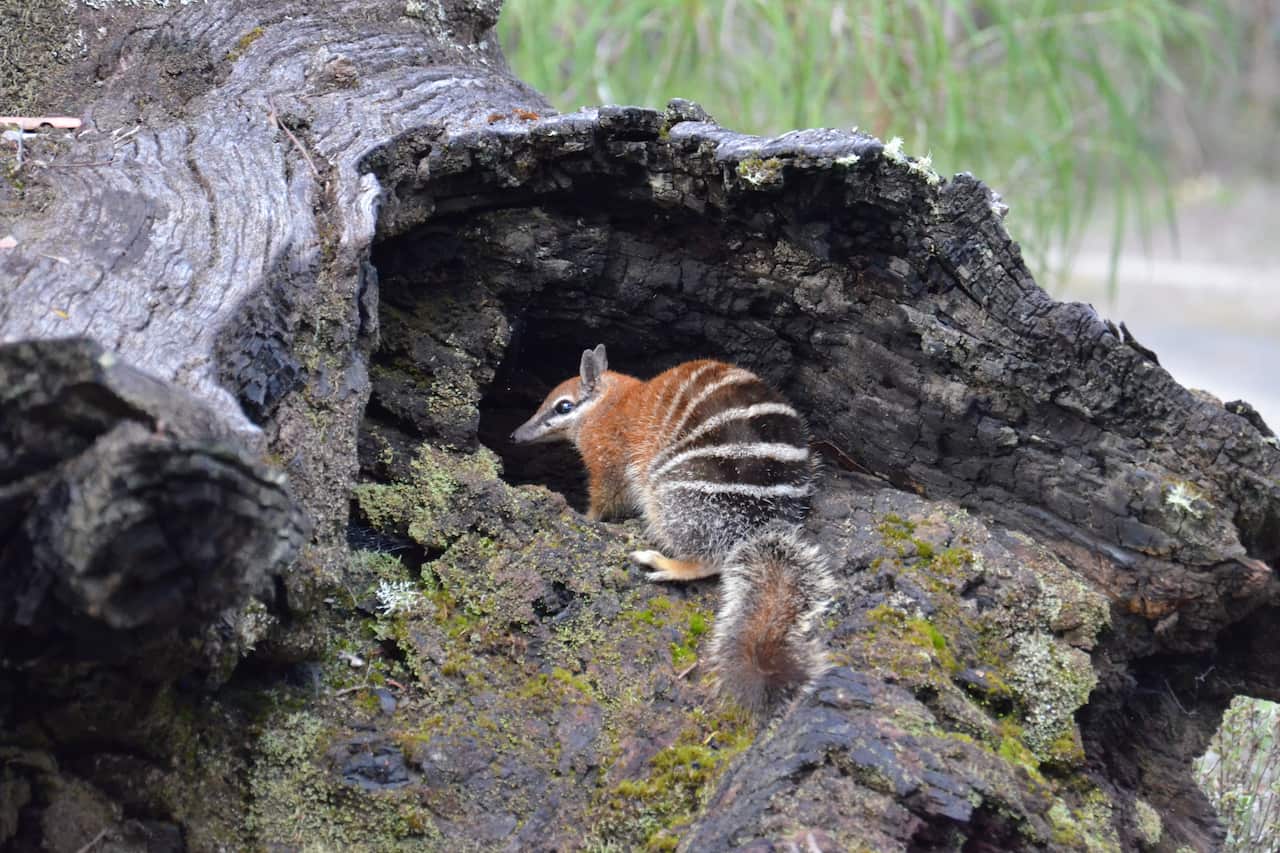
“A lot of our marsupials such as koalas, kangaroos, wombats and gliders, and species like our egg-laying mammals, the platypus and the echidna, aren't found anywhere else in the world.”
Yilka/Ngaanyatjarra/Narrunga woman Jade Bromilow, from the Indigenous Desert Alliance, explains that for Australia’s First Nations people, country is more than just land—it's family and part of their identity.
Country holds our stories, our dreaming, our ancestors, and these responsibilities are really important to carry on. We have the obligations to look after the plants and animals the right way.Jade Bromilow
"They're a part of our food systems, our totems, our dreaming tjukurrpa stories and our teachings that we will then teach on to the next generation,” says Ms Bromilow.
“We've lived alongside these species for thousands of years and we understand the patterns when they move, when they breed, when they're thriving and when something's not right. So when we talk about wildlife and flora being special it's not just because it's unique, it's a part of who we are as Indigenous people.”
Why is the conservation of Australia's wildlife and plants important?
Conserving Australia’s unique biodiversity is important not only for the wildlife and plant species we live amongst, but for the health and prosperity of all Australians.
“Healthy ecosystems—forests, lakes, grasslands—these are the things that provide services for humanity. They provide clean air, they mitigate against climate change, and they underpin some of our major industries such as tourism and agriculture,” explains Prof Possingham.
“If we lose species, unfortunately the functioning of those ecosystems starts to decline. So the benefits and the services they provide to us as people also decline.”
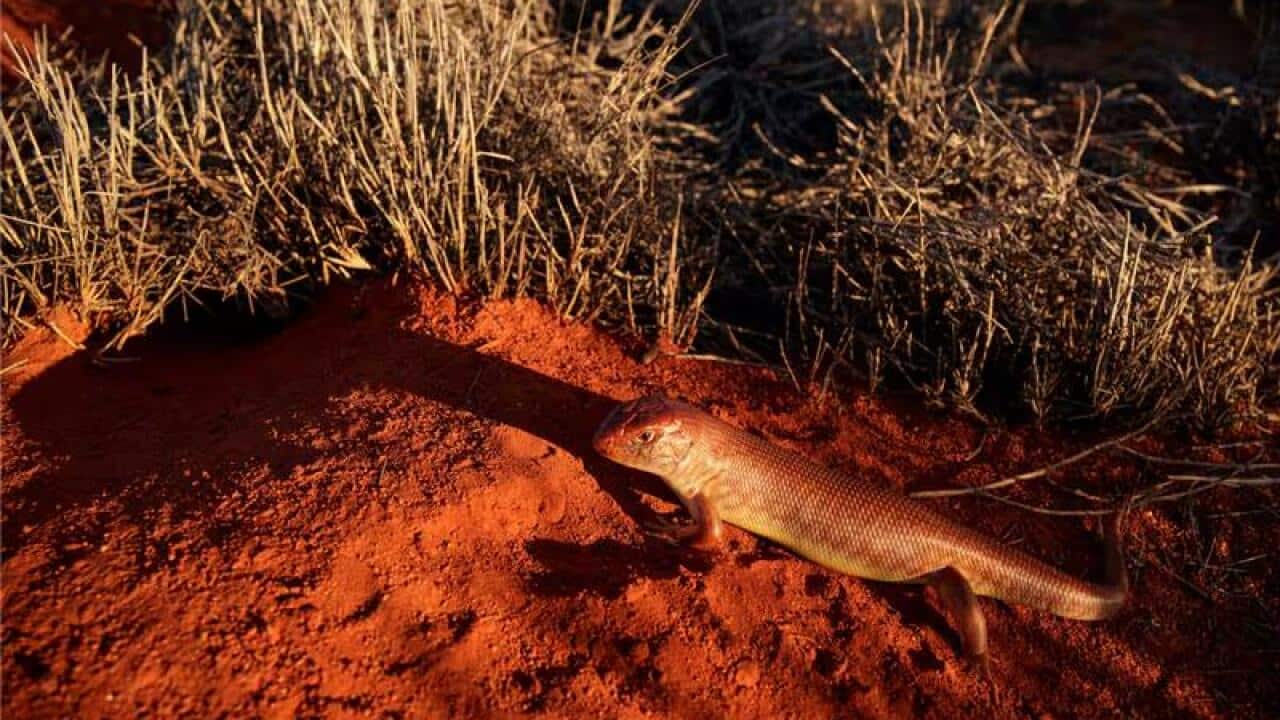
One of Australia’s threatened wildlife species is the Great Desert Skink, which is of cultural significance to Indigenous people.
“The Great Desert Skink or Tjakura is a small orange lizard that lives underground in a family burrow system. What's beautiful about the Tjakura is that they live together with multiple generations, sharing the same burrow and looking after one another. And this kind of reflects how we in Indigenous communities value our family, our community and caring for country,” explains Ms Bromilow.
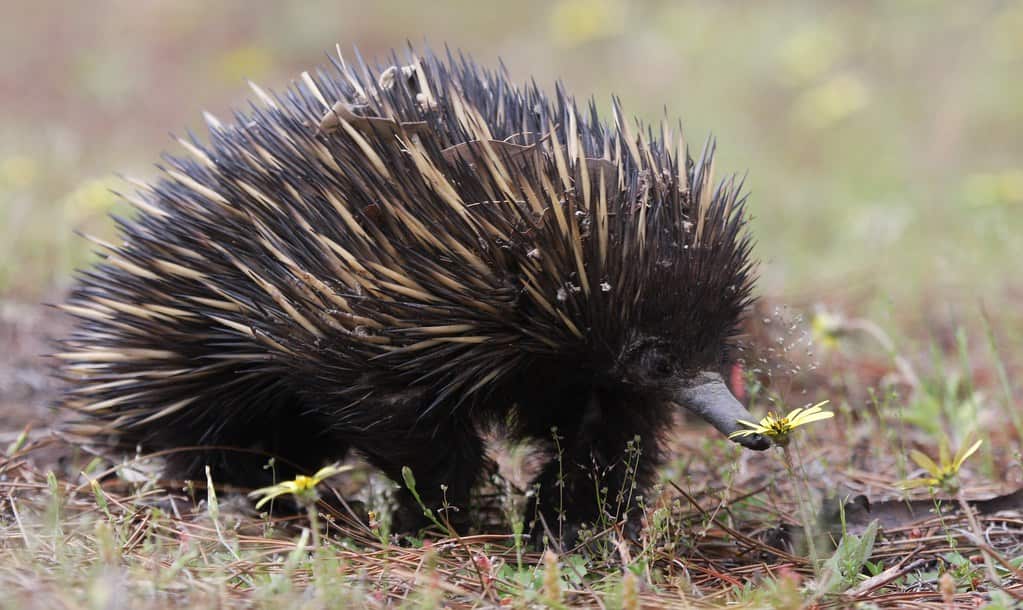
When species disappear, it's not only an environmental loss, it's a cultural loss too.
“The knowledge connected to those species will fade. The stories, practices and relationships will weaken. There's a saying in the desert: If Country is healthy, people are healthy. Many plants and animals live nowhere else in the world and we understand how delicate that balance is.”
What is the extinction crisis in Australia?
Australia is experiencing a severe biodiversity crisis, driven by the impact of invasive predators such as foxes and feral cats, habitat destruction and climate change.
Unfortunately, Australia also has the highest rate of mammal extinctions in the world.
“Australia probably has over half a million different species, many of which have not yet been described. But of the species we know well, 2,000 are threatened with extinction,” says Prof Possingham.
“And sadly, since industrialisation over the last 250 years, Australia has been losing species at more than 100 times what would be considered a normal rate. Indeed, if we don't stop extinctions, we could lose almost half our species in the next 200 or 300 years.”
Keith Bradby is the head of Gondwana Link Ltd, a Western Australian environmental organisation that is working to reconnect over 1,000km of habitat in the state’s south-west.
“It's a tragedy that my kids can't camp out like the old fellas I've talked to, and have a ring of eyes around their campfire from the abundance of wildlife we once had,” Mr Bradby says.
“We know that mammal loss is a big issue, but we're only now starting to realise how massive the extinction crisis has been for a number of plants that have been wiped out that we never even saw.”
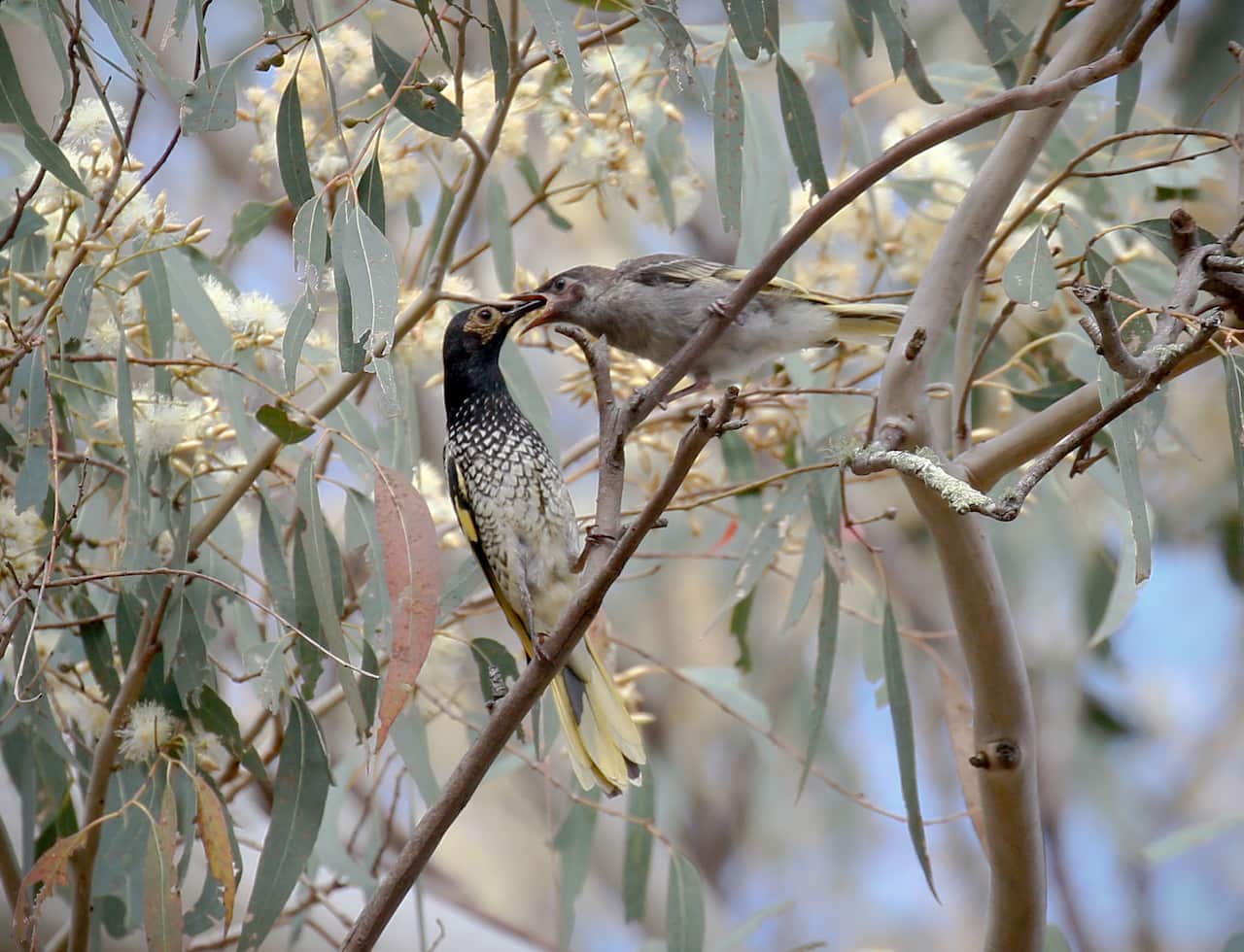
What are the threats impacting Australia's wildlife and plants?
There are three key threats impacting Australia’s biodiversity.
The first is the destruction of habitat to make way for development and agriculture.
The second has been invasive species, with the introduction of foxes, cats, deer, invasive weed species and some diseases.
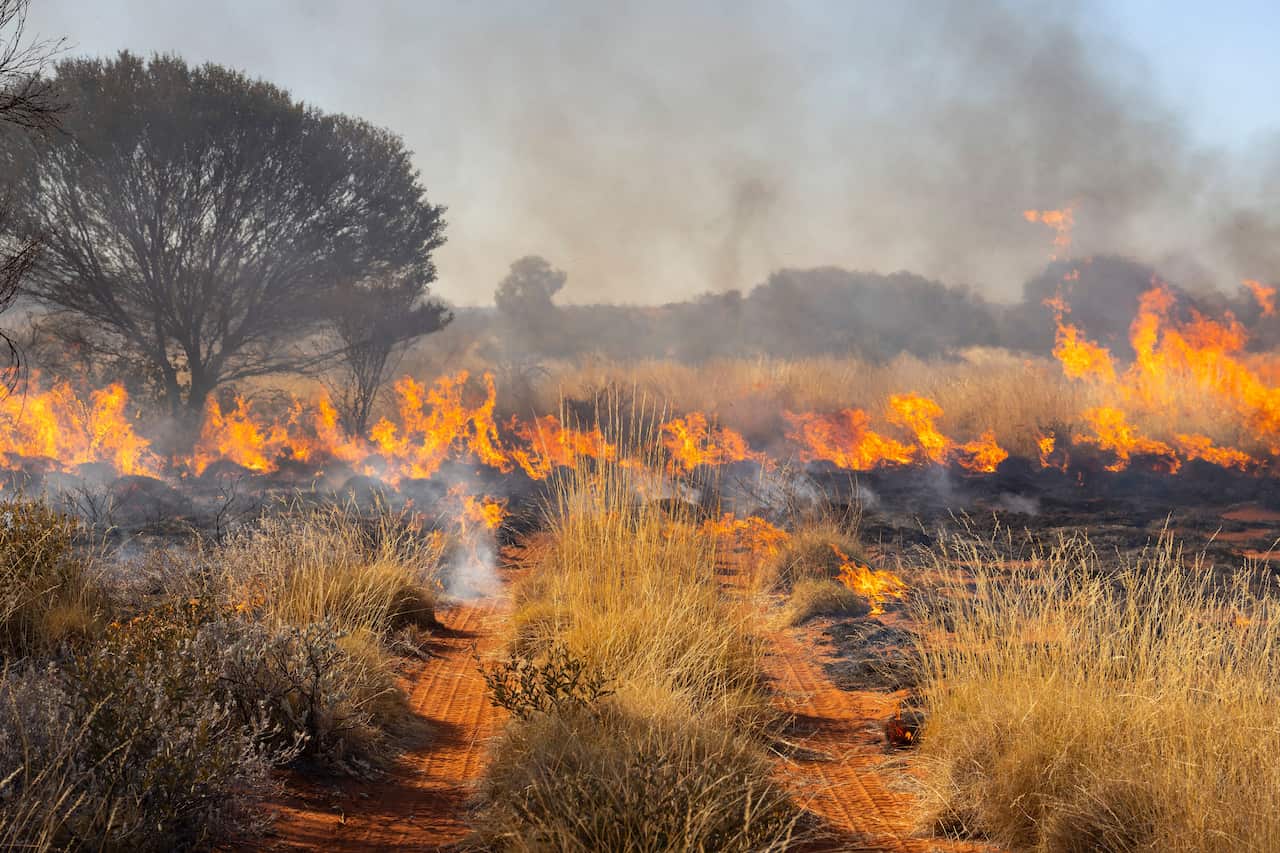
Climate change is another emerging threat to Australia's biodiversity.
“Climate change has already warmed the Australian continent by one and a half degrees," Prof Possingham says.
Many species will not be able to adapt to the increased temperatures and increased frequency of catastrophic events, like fire, flood and intense cyclones.Professor Hugh Possingham
The fragmentation of habitat combined with the impact of other threatening processes is placing many Australian wildlife and plant species in peril.
“We keep talking about threats to our wildlife and plants. But what we're really dealing with right now are immediate assaults from numerous changes. We've taken this great interconnected ecosystem and put it into tiny little pockets that we call reserves and generally don't provide the management that is needed,” Mr Bradby says.
“The fundamental assault is that we've stopped the ability of most wildlife and habitats to interact. And that takes away their resilience to change at the very time when the world and the climate is changing. But fundamentally, we've broken up the system into little bits, and it's not meant to work as little bits.”
How can I help protect Australia's wildlife and plants?
We can all help protect Australia’s wildlife and plants.
“I think the first step is to get yourself informed, and you may decide to join a conservation group, or a natural history group in your area. You can plant native trees and shrubs anywhere where there's a gap, in your garden or in local parks,” Prof Possingham says.
“And once you've informed yourself about what a tragic loss all these extinctions will be to the culture and the health of Australians, talk to a local politician and air your concerns about the loss of Australia's flora and fauna.”
Whether through local community groups or environmental not-for-profit organisations, there are lots of opportunities to get involved in conservation work.
“Our program is fundamentally about achieving massive improvement in ecological health at a very large scale. But massive changes like that are only made up of lots of small changes that happen reasonably cohesively. And each of those small changes has to be driven by individuals or groups of individuals,” Prof Possingham says.
“Be it the person with a five-acre block who can welcome wildlife back to their properties, or the group of investors who can put meaningful money to make change at scale. Every one of us can find something that makes a difference.”
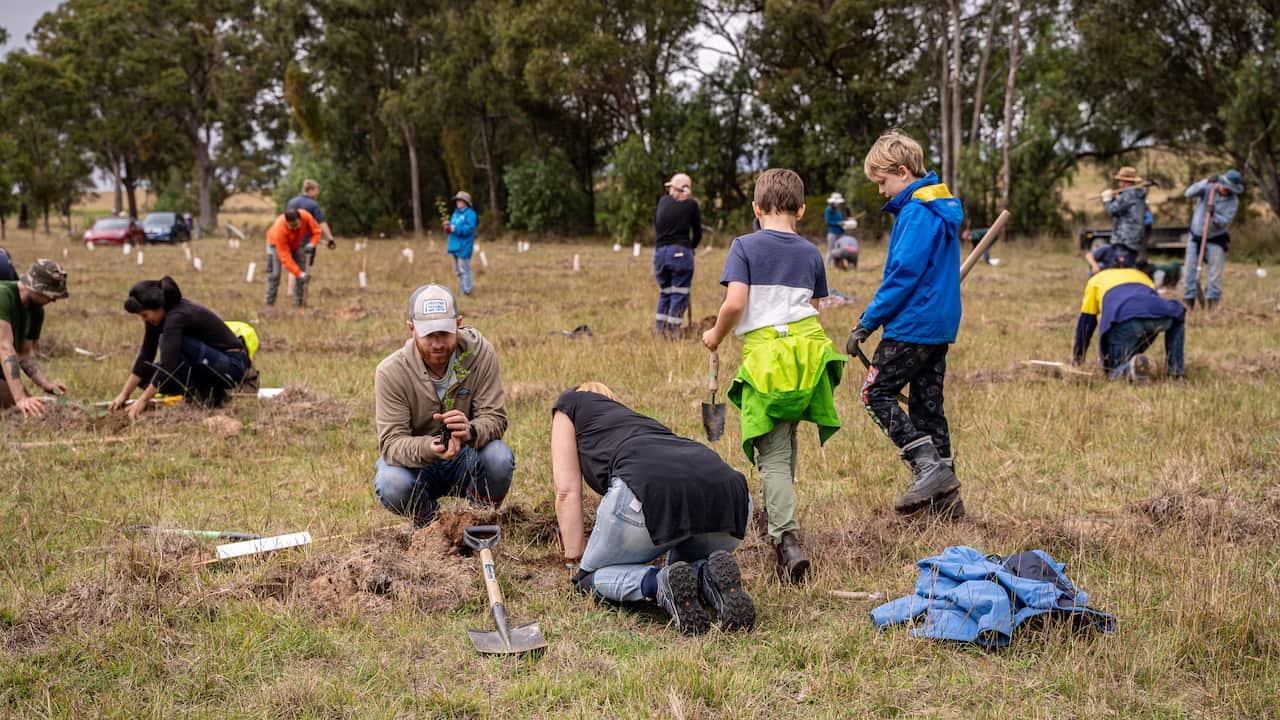
It can start with something as simple as learning whose Country you're on and listening to and respecting local knowledge, Ms Bromilow says.
You can support Indigenous-led conservation work and ranger programs.
“And when communities are coming together and they're listening, learning and taking responsibility, we're protecting the place that we all feel is special. And it's important for not just Indigenous people, but everyone in Australia that if we look after Country, Country will look after us.”
Links to additional information:
Subscribe to or follow the Australia Explained podcast for more valuable information and tips about settling into your new life in Australia.
Do you have any questions or topic ideas? Email australiaexplained@sbs.com.au