
Social cohesion in Australia is under pressure, with surveys showing a sharp drop in sense of belonging in Australia, particularly for young people and those from multicultural communities.
The pandemic measures, the divisive Voice referendum, the October 7 attack in Israel and resulting war in Gaza, housing and cost of living pressures and increasing anti-immigration sentiment are some of the factors impacting Australians’ sense of trust and acceptance.
And the shocking terror attack targeting Jewish Australians in Bondi on 14 December 2025 further fractured our sense of safety.
As Australia grapples with rising polarisation and division, SBS Examines and SBS Insight brought nine leading thinkers and community voices together, to ask: how do we forge a path forward for a more united and cohesive country?
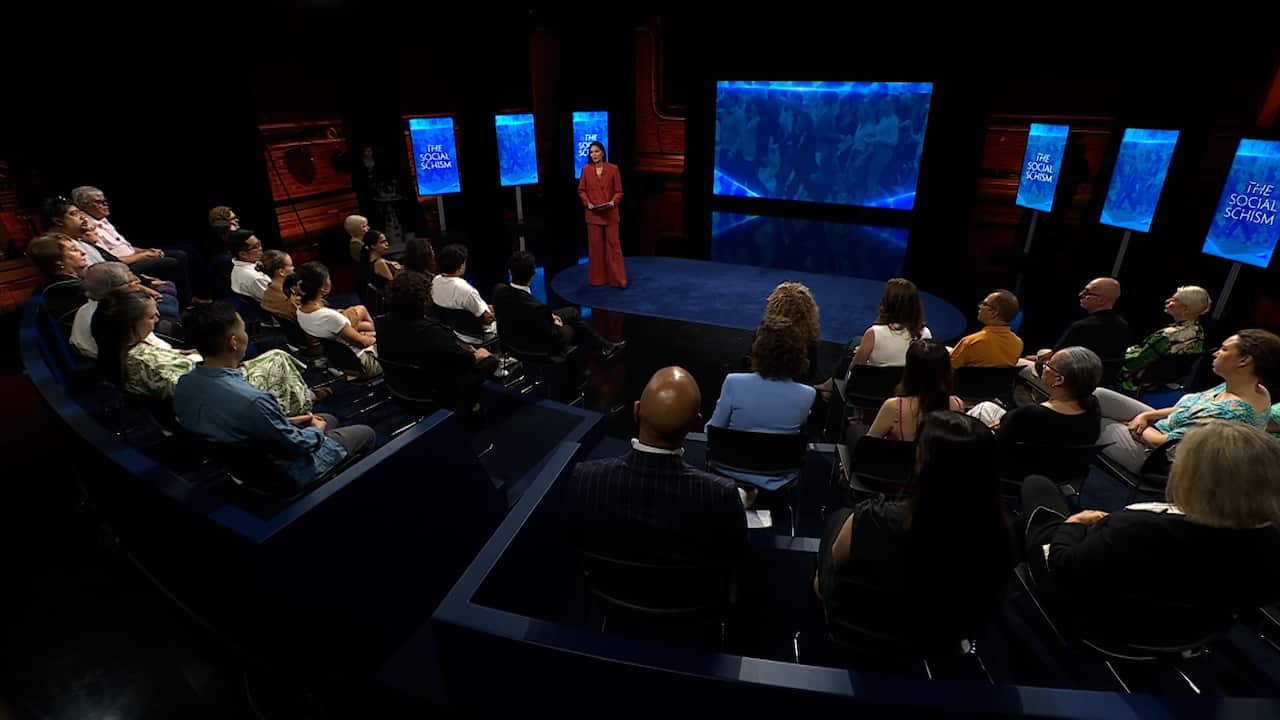
Lynda Ben-Menashe, President of the National Council of Jewish Women Australia, said action is more important than words when it comes to repairing her community’s sense of trust and belonging.
“I think the focus needs to be on the building,” she told Janice Petersen, host of SBS special forum The Social Schism.
“My dad, as an immigrant to this country and a struggling university student on a scholarship, worked on the Snowy Mountains Scheme. He worked there alongside all these other new Australians, like him, and older Australians of all ages and backgrounds and economic circumstances, and they literally built a piece of infrastructure for this country.
“And in that process, they became Australians together because they cared about what it was they were building … not just for themselves, but for the future.
I think that it is time in this country for us to build a lot more things together.
In the wake of the Bondi terror attack, Lynda said families of the victims and the broader community called for action and togetherness, starting with a "One Mitzvah for Bondi" campaign to promote healing and unity against hatred. ‘Mitzvah’ is a Hebrew term for a commandment or good deed.
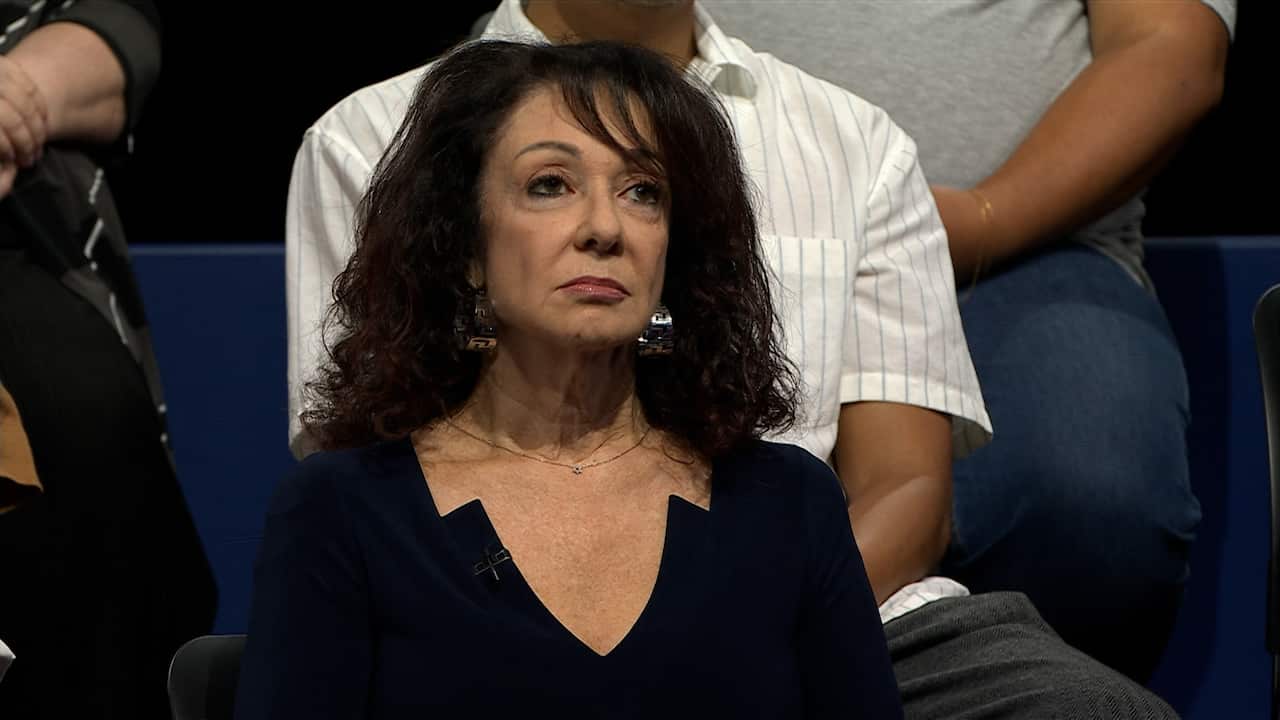
“These things make us part of a cohesive whole, and they make us feel ownership of this national project which is Australia. And I think it's about time we thought about that on a broad scale,” Lynda said.
Writer, comedian and podcaster Sami Shah grew up in Pakistan, and moved to Australia in 2012. He said in times of division and polarisation, we should lean in to difficult conversations and seek to understand people with different opinions.
“I think we need to be okay with division, in terms of knowing that it exists, as a thing. Learning to be more comfortable with the idea that there's people with differing points of view,” Sami said.
I come from a society where everyone in your family had different points of view and different beliefs, some quite extreme. And you just had dinner together anyway.
“I know it's a bit naive, but it is an important part of this society to be able to have conversations.”
Hannah Ferguson runs Cheek Media Co, a news commentary platform on social media. She agreed with Sami, and said face-to-face conversations can promote more understanding than those online.
“It is one thing to post our views, that can be quite harsh and quite forthright, on social media,” she said.
“But I also wonder how many people that are sharing their views online are actually reaching across the aisle, and discussing things with people that they love in their lives.”
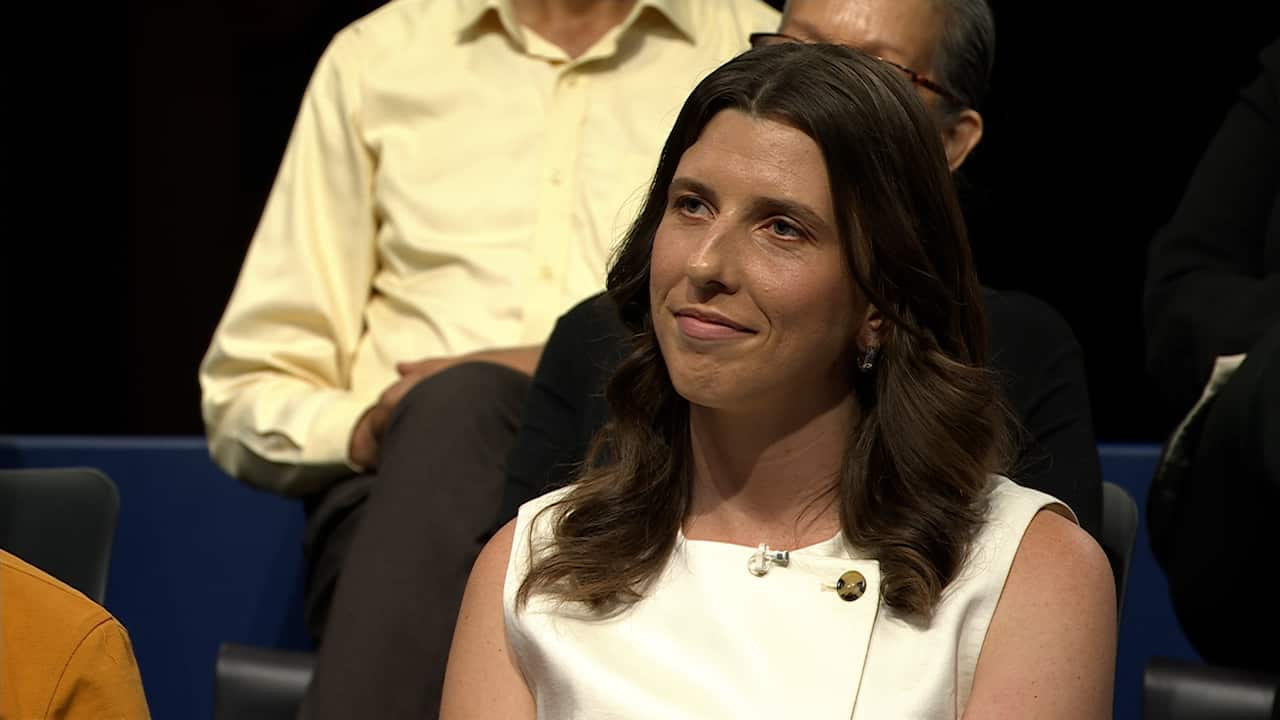
Hannah also said broad structural changes are needed to examine and stem larger divisive forces at work.
She’d like to see a “digital duty of care on social media platforms, to remove extremist and hateful content,” as well as stricter laws around political advertising.
“Right now, in almost every jurisdiction in this country, it is completely legal for your leaders to lie to you,” she said.
These tangible things … will improve the way we’re able to converse, because right now the public square is a very unsafe place.
Hana Assafiri, a Muslim woman and social activist, has been running events to build connection and understanding for years – including Speed Date a Muslim sessions and Conversation Salons focused on women’s issues and racism.
She shared one helpful piece of advice for people looking to improve social cohesion.
“Put your phone down,” she said.
“But also … try and be curious.
“Turn assumptions to open curiosity.”
The Social Schism premiers on Wednesday 4 March at 7.30pm on SBS and SBS On Demand.
The Social Schism is a collaboration between SBS Insight and SBS Examines.