

Regular breast screening can help find breast cancer early, before you notice any signs or symptoms. Screening is free for eligible women or people at risk of breast cancer. It takes about 20 minutes, once every two years, and it’s an effective way to take charge of our health. Let’s take a closer look at why a breast screen is nothing to be anxious about.
Key Points
- A 20-minute screening every two years could save your life.
- Women between 50 and 74 are invited every two years to book a free breast screening appointment.
- Breast screening is inclusive of women, trans and gender-neutral people and Aboriginal and Torres Strait Islander women from 40 years.
- In-language support is available to women from migrant backgrounds and clinics respect modesty and privacy.
- Why is breast screening so important?
- Who can access the national breast screening program?
- What can you expect during a breast screening?
- Are you part of an under-screened cohort?
- Is there support for women from diverse backgrounds?
- Are interpreters available?
- What are some tips for breast screening?
- Book for a breast screen
Why is breast screening so important?
A breast screen is a routine women’s health check that can detect breast cancer and other diseases.
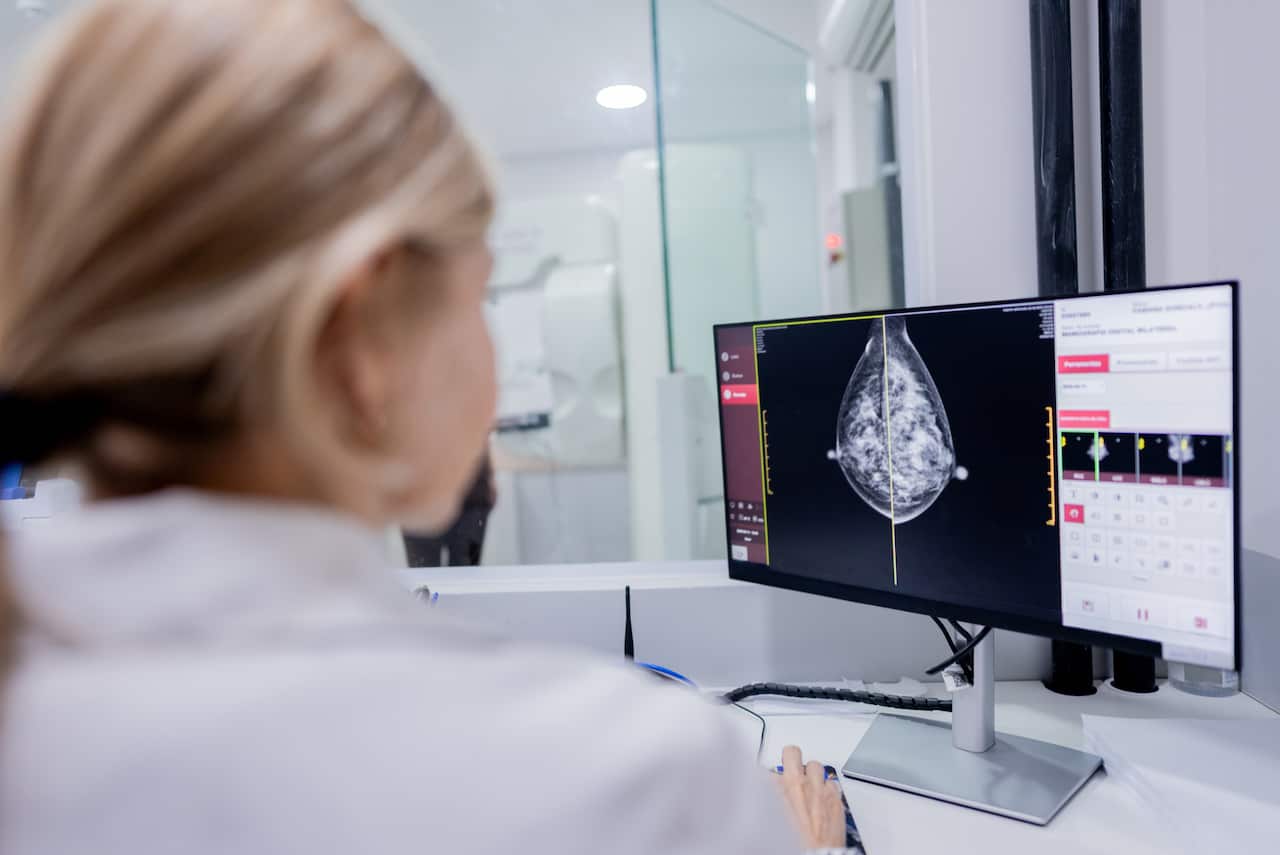
A breast screen, or mammogram, is a low-dose X-ray of the breasts, used to check for early signs of breast cancer, Bronwyn Morley, Lead Radiographer with BreastScreen NSW, explains.
“It's designed to detect cancers as small as a grain of rice before they can be seen or felt. The earlier we find breast cancer, it means that you have a better chance of survival, and that your treatment can be less burdensome.”
Regular screening is important because breast cancer can develop without any obvious symptoms.
And that’s all the reason we need to book a breast screen.
Who can access the national breast screening program?
BreastScreen Australia is a joint initiative between federal, state and territory governments.
The program makes breast screening easy. It’s free and you don’t need a referral from your doctor.
If you are Eligible and a woman aged between 50 and 74, you’ll be invited by mail every two years to book an appointment at a BreastScreen clinic or mobile van in your state or territory.
The program is inclusive and accessible. BreastScreen NSW, for example, operates more than 250 screening locations across the state.
Some people who fall outside the target group should still be screened.
“Aboriginal and Torres Strait Islander women are recommended to screen from 40 years, and they're invited when they're known to the BreastScreen program,” Ms Morley says. “Women over 75 are recommended to talk to their GPs to find out if routine breast screening is right for them.”
BreastScreen also runs inclusive Rainbow Screening Clinics. For trans or gender-diverse people, or those using gender-affirming hormones, it’s important to check whether you should screen.
What can you expect during a breast screening?
For many, the biggest barrier to booking an appointment is the uncertainty.
Bilingual Health Educators such as Felicia Belagia from the Multicultural Centre for Women’s Health (MCWH) in Melbourne, help women understand what to expect, in their language.
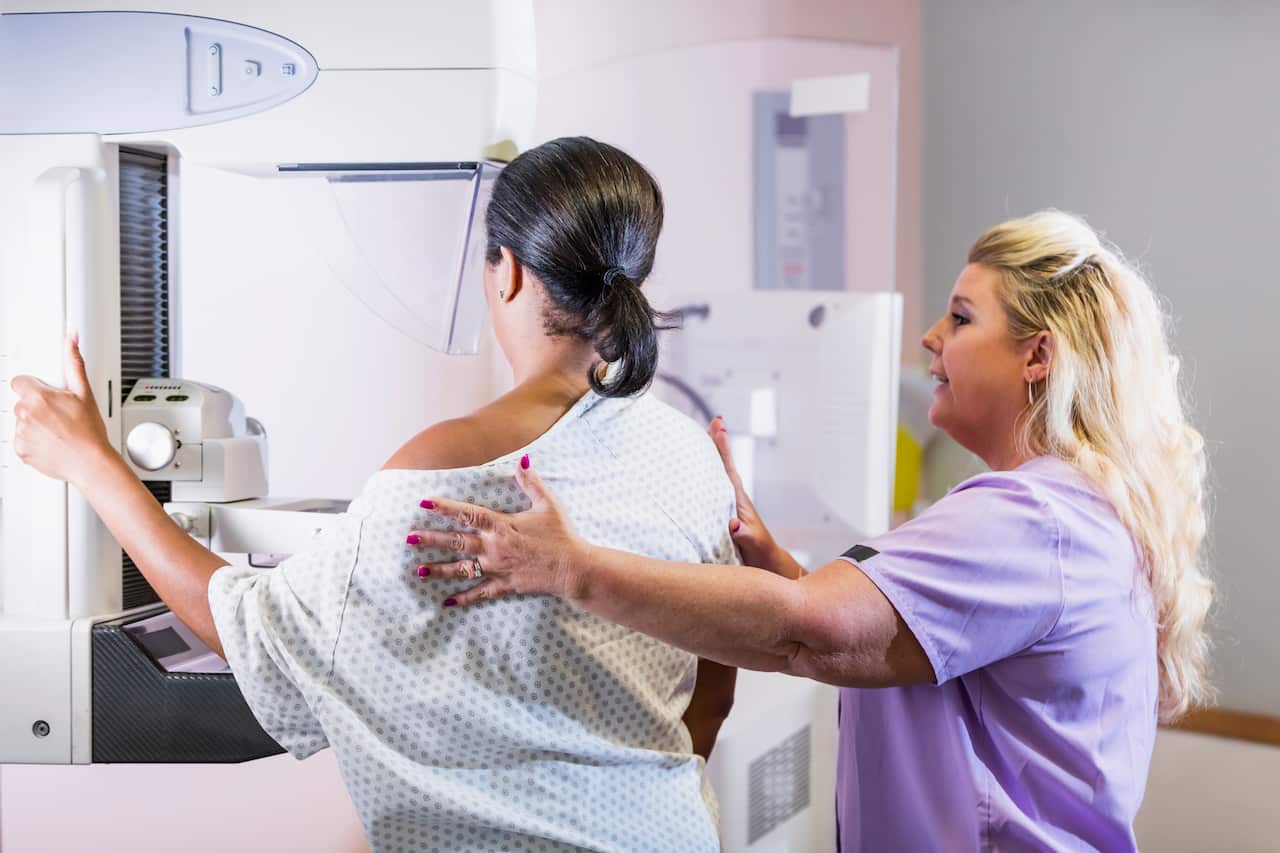
Once you arrive at reception, you’ll be asked to complete some paperwork before seeing the radiographer in the screening room, she explains.
“The radiographer will ask you to remove your top. You will need to remove all clothing and the undergarments from the top half of your body. You can of course ask for a gown. You can ask questions during the screen and ask the radiographer to stop at any time should you feel uncomfortable. The breast is compressed briefly to obtain a clear image. It is uncomfortable, but it shouldn't have to be painful.”
Are you part of an under-screened cohort?
Women and gender diverse people from multicultural communities experience lower breast screening rates than the general population.
BreastScreen Victoria reports that from 2022–24, screening rates amongst women from Victorian multicultural communities was 13 per cent lower than the general Victorian participation rate.
Many factors explain this statistic. Previous healthcare experiences in both their homeland and Australia is one potential contributor, Ms Belagia says.
“Another reason is that the Australian health system can be complex and does not always meet the needs of women from multicultural communities, which can create barriers to accessing healthcare services.”
Is there support for women from diverse backgrounds?
Yes, and this is where organisations like the MCWH come in, assisting migrant and refugee women to better understand how to navigate the Australian health system.
MCWH health educators share language, culture and lived experience with the women they support, so that educators like Ms Belagia are able to communicate in ways that are respectful, relevant and effective.
“Many migrant women and refugee women have disclosed during my sessions that they are embarrassed of exposing their breasts,” she says. “Many have even said that they fear pain or even a bad diagnosis.
“The message that I'd like to send out is that there are many things that we can do to support a better experience and better screening.”
The MCWH offers free health sessions in your language so you can become better prepared for the screening.
BreastScreen NSW also offers targeted education and in-language resources.
Women can discuss concerns such as modesty, privacy and communication needs before the appointment.Felicia Belagia
“We work with multicultural community groups to encourage cancer screening,” Bronwyn Morley says.
“We also offer group bookings so women can come along to screen together to support each other. We provide qualified health interpreters to help with bookings and attend appointments to ensure that women clearly understand the instructions they're being given and to ask any questions that they might have about screening.”
Breast screening patient Angela Laino says that people understandably feel nervous, especially if it's their first mammogram.
She has found that the radiographers put you at ease.
“The appointment's very quick and usually over within 20 minutes. And the mammogram itself only takes a few minutes. Also, the radiographers are all women and they're all very caring and very understanding about how anxious you may feel, and they explain every step.”

Are interpreters available?
You can request language support at your screening through services such as Translating and Interpreting Service (TIS National), available on request 24 hours a day, every day of the year by phoning 13 14 50.
You are also welcome to bring someone for support.
What are some tips for breast screening?
Breast screening is about detecting any change in the breasts, so your appointments should become routine, as Ms Laino reminds us.
To detect it early, it's most important to go every two years. So there are two breasts—every two years. That's how you should remember it.Angela Laino
She shares some tips:
“I go in with the mindset that by having this screening, I'm looking after my health and wellbeing, and I need to make time for these types of appointments. What also makes it comfortable for me is asking questions about the screening.
“Also, when you have the screening, wear a top and bottom. It's a bit easier than having to take a whole dress off.”
How to book for a breast screen
You can call 13 20 50 anywhere in Australia to connect with BreastScreen in your state or territory to check your eligibility or book a free breast screen. Or visit BreastScreen website and make an appointment online.
Subscribe to or follow the Australia Explained podcast for more valuable information and tips about settling into your new life in Australia.
Do you have any questions or topic ideas? Email australiaexplained@sbs.com.au