
Buying Aboriginal and Torres Strait Islander art can be meaningful, but how do you know if it's real and ethical? Fake art is still a problem in Australia, and protections are still developing. This guide helps you understand what to look for, what questions to ask, and where to buy safely. By choosing carefully, you can support First Nations artists and their communities.
Key Points
- Legal efforts to protect Indigenous Cultural and Intellectual Property in Australia are ongoing.
- Asking the right questions to those selling Aboriginal or Torres Strait Islander art and craft is key.
- Buying authentic First Nations artwork translates to shared benefits for artists, communities and consumers.
- Is Indigenous art and craft protected in Australia?
- How do I buy Aboriginal or Torres Strait Islander art responsibly?
- Where can I buy authentic, ethically traded Indigenous art?
- What should I ask sellers of Indigenous art or craft?
- Is all Aboriginal and Torres Strait Islander art the same?
Authentic First Nations artworks are generally considered to hold significant cultural and artistic value.
This is because they are part of a cultural heritage transmitted through generations for over 60,000 years.
Is Indigenous art and craft protected in Australia?
Indigenous Cultural and Intellectual Property (ICIP) covers all aspects of Aboriginal and Torres Strait Islander peoples’ traditional knowledge and cultural expressions.
Symbols and designs are some of the most recognisable forms of ICIP.
“But ICIP is more than just the physical piece of artwork,” Stephanie Parkin, a Quandamooka IP lawyer, explains.
“ICIP includes all the things that you can't see, the story behind the artwork, all of the things that have influenced the artist to create that work and tell their story in that way.”
Practices and meanings can vary significantly between communities, so understanding local context is important.
The Australian government has committed to introducing specific laws to protect ICIP, “including to address the harm caused by fake art, merchandise, and souvenirs.” These protections are still evolving.
Stephanie Parkin is also Chair of the Indigenous Art Code, a national organisation established after a Senate inquiry in 2007 to protect artists and their art through a voluntary industry code of conduct for businesses and art dealers.
The issue of fake art has been around for decades. It is not just impacting financial aspects for artists, there's also cultural damage and impacts for communities.Stephanie Parkin
How do I buy Aboriginal or Torres Strait Islander art responsibly?
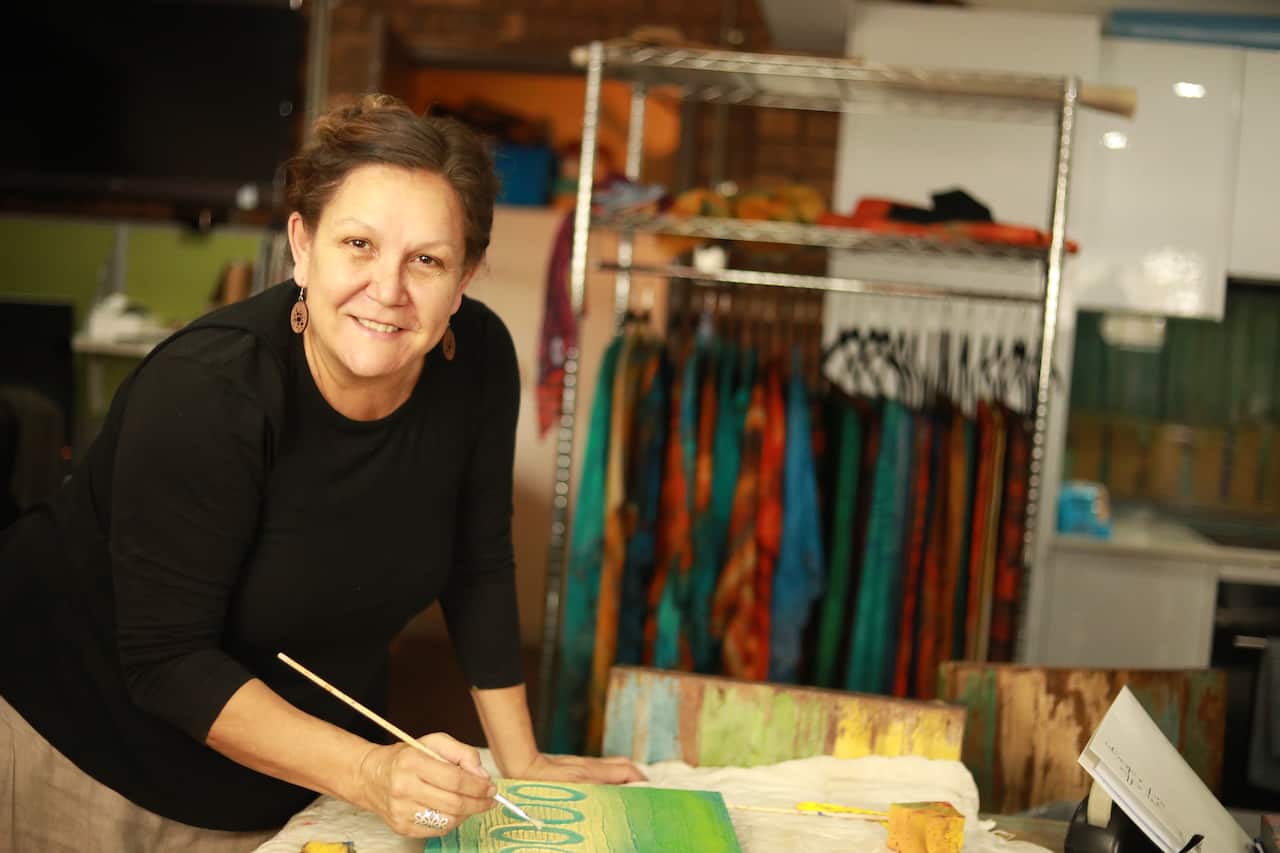
Saretta Fielding is an artist, designer and businesswoman of the Wonaruah Nation who serves on the Board of Directors of the Indigenous Art Code.
“It's really an ethical journey and a cultural journey when you're purchasing a piece of art from Indigenous people in Australia,” she says.
Ms Fielding outlines three key steps for consumers:
- Gauge the authenticity of the work
- Connect with ethical commercial channels
- Ask the right questions.
Where can I buy authentic, ethically traded Indigenous art?
Authentic Indigenous creations and merchandise are made by Indigenous artists with connection to Country or reproduced with an artist's permission.
Buying through ethical channels ensures that economic returns benefit creators and their communities.
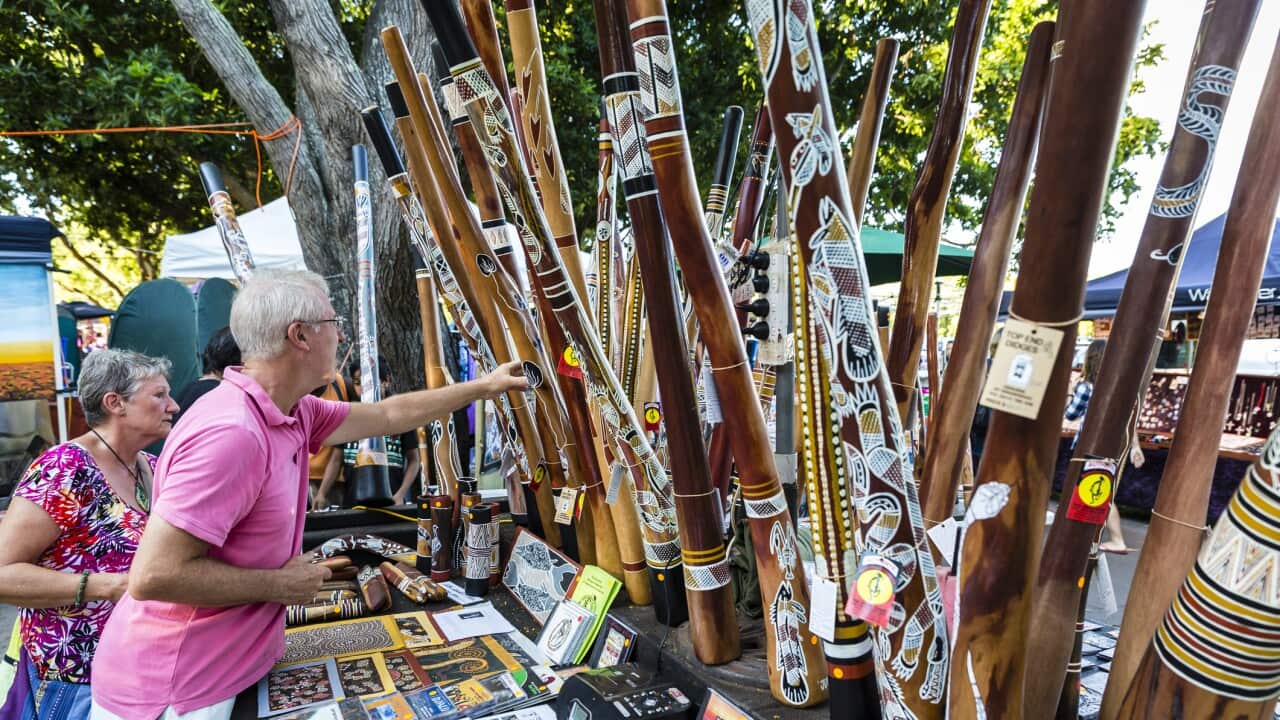
There are different ways to go about it, including purchasing directly from artists, Indigenous art fairs or through more than 100 Indigenous Art centres across the country, Ms Parkin says.
You can also look for a business, gallery or art dealer displaying the Indigenous Art Code black and red logo on their shopfront or website. This indicates a voluntary commitment to ethical trade with the artists, as an assurance to the consumer.
![Aboriginal Art Co 02[36] copy.jpg](https://assets.sbs.com.au/09/d0/1a3f2ed542e6af286b779ea5658a/aboriginal-art-co-0236-copy.jpg?imwidth=1280)
What should I ask sellers of Indigenous art or craft?
Whether you’re buying original art or a licensed design reproduction, it is important to get informed about the artist, the artist connection to Country and under what conditions it is traded.
“Having that information and being equipped to ask the right questions is really the first step,” artist Saretta Fielding says.
She recommends following the advice available on the Indigenous Art Code’s website.
You can start with these questions:
- Who is the artist?
- Where is the artist from?
- How does the artist get paid?
Is all Aboriginal and Torres Strait Islander art the same?
Ethical buying of Aboriginal and Torres Strait Islander art ensures artists and communities can continue sharing the depth and diversity of their heritage with a wider audience.
Often when you purchase off an artist, that's really something that's benefiting their communities as well.Saretta Fielding
First Nations art in Australia spans millennia and is continuously evolving.
It comes in different forms and styles—as many as the hundreds of different language groups and cultures it represents.
Be alert to misconceptions around “Aboriginal artists all being the same,” Ms Fielding concludes.
“We're diverse and we're across regional, remote and even living in cities. And we’re working to bring authentic Aboriginal art to the marketplace.”
Subscribe to or follow the Australia Explained podcast for more valuable information and tips about settling into your new life in Australia.
Do you have any questions or topic ideas? Email australiaexplained@sbs.com.au