

The 2026 Census is on Tuesday 11 August and every person in Australia on this night must be counted. Census data is used to understand where we live, the languages we use at home (including Auslan), the support we need and how Australia is changing as a nation. Being counted helps ensure your community, culture and beliefs are represented. Here’s what you need to know about completing the Census for your household.
Key Points
- The Census is compulsory for everyone in Australia on Census night, 11 August 2026.
- Your answers help service providers understand your needs now and how those needs may change in the future.
- Any personal information you provide will be kept secure and cannot be used to identify you.
- Census data informs decisions about the services and support that your community receives.
- Is the Census just about counting people?
- Who must complete the Census?
- What if I’m not at home on Census night?
- What questions will they ask me?
- What if I’m concerned about how my personal information is used?
- Why is it important to give accurate responses in the Census?
- How does Census data help multicultural communities?
- Is support available?
Is the Census just about counting people?
Every five years, the Australian Bureau of Statistics (ABS) counts every person and household in Australia. This is the Census of Population and Housing, known simply as the Census.
The information collected helps shape the services that your local area or community receives.
ABS Census National Spokesperson, Emily Walter, says the Census is the largest data collection in Australia and provides some of the country's most valuable statistics.
“It's a snapshot of who we are and … shows how we're changing over time,” she says. “The Census asks questions about health, education, cultural background [and] employment, which all provide a rich picture of the economic, social and cultural makeup of Australia.”
Census data helps ensure the right services and infrastructure are available to individuals, families and communities, where and when they are needed. This includes language services, schools, healthcare, community programs, public transport and settlement support.
Who must complete the Census?
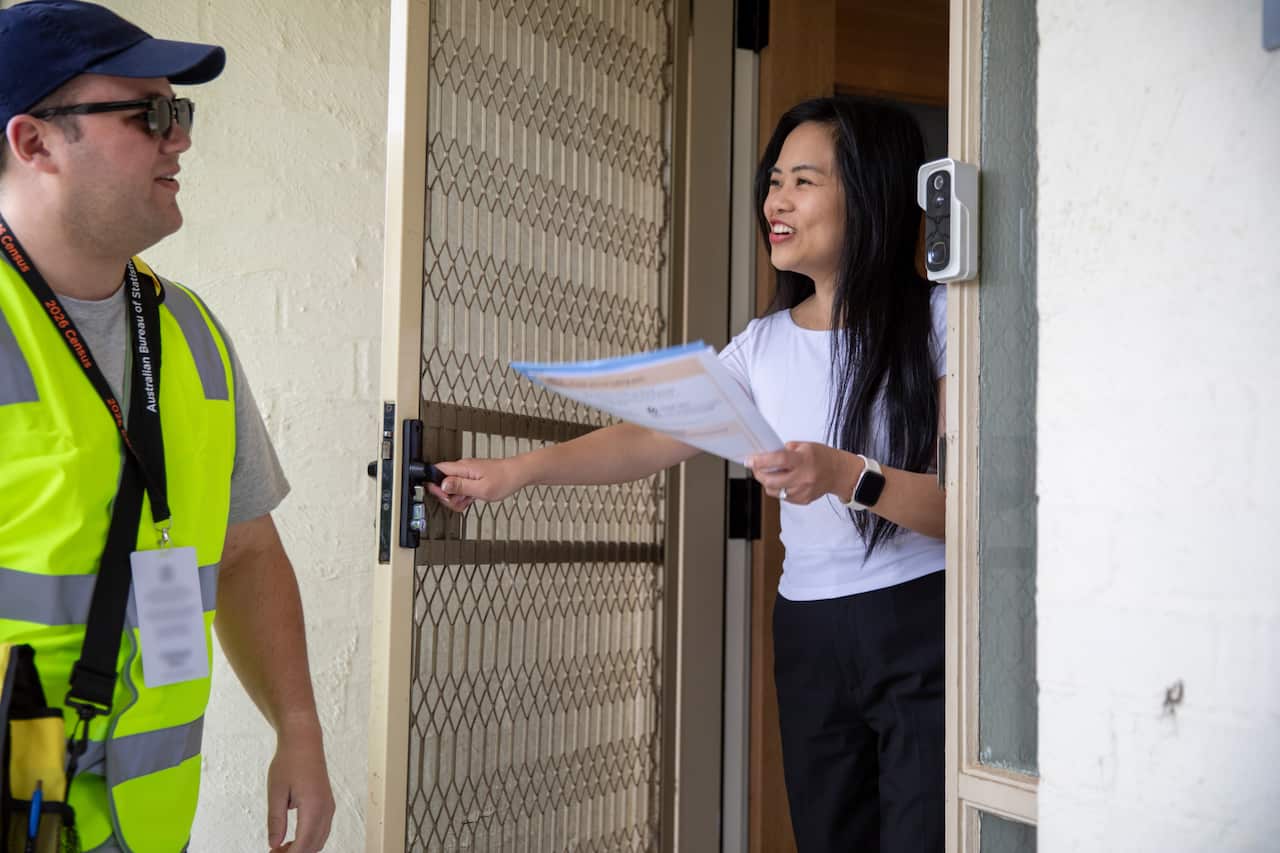
Every person in Australia on Census night, 11 August 2026, needs to be counted.
Completing the Census is compulsory. This means every household must participate and every person needs to be counted on a Census form.
“That includes international students, visitors, visa holders and babies. Some people miss babies on their Census form!” Ms Walter says.
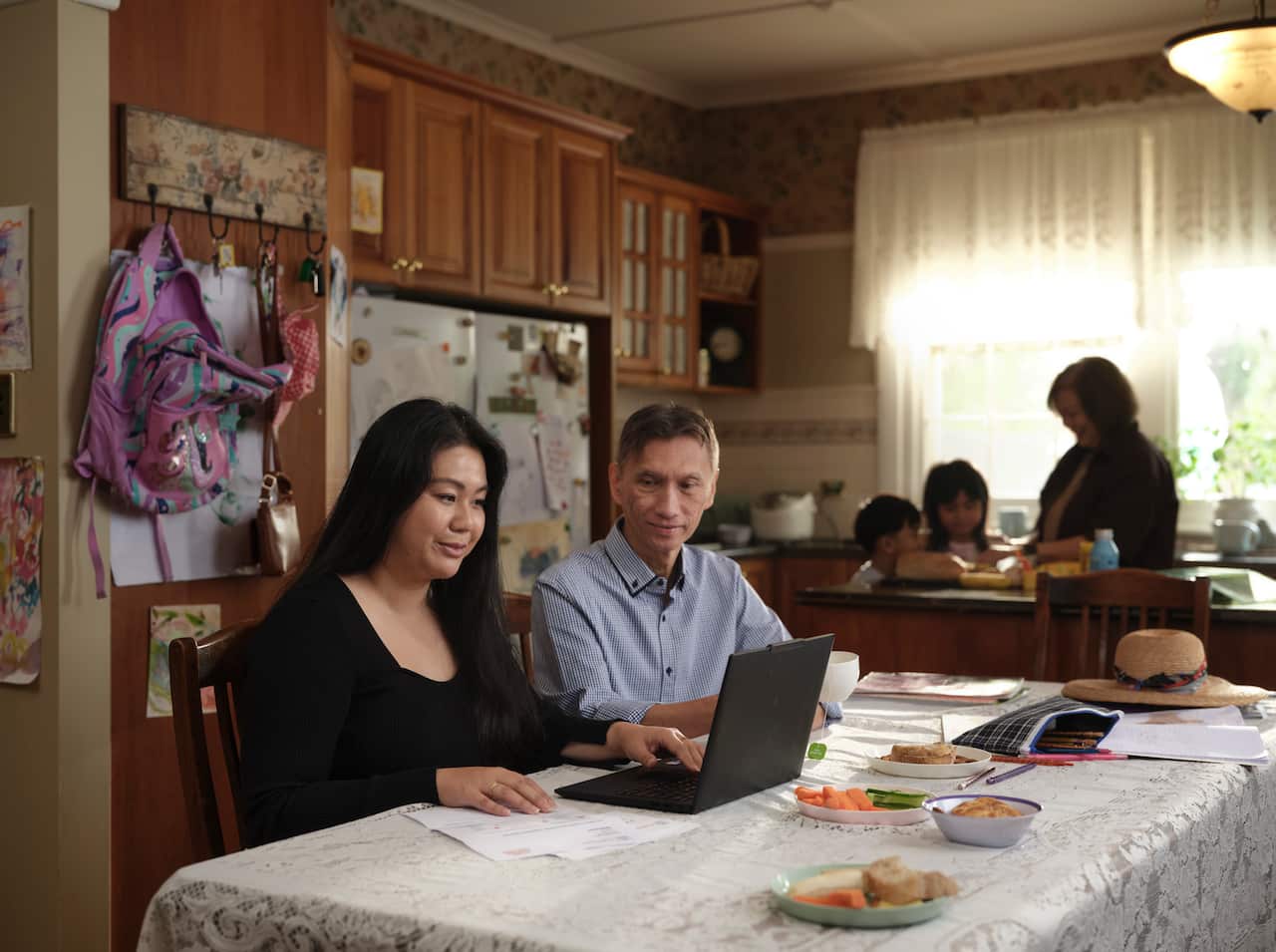
When completing the Census for your household, you need to include everyone who is staying in your home on Census night.
What if I’m not at home on Census night?
If you are overseas on 11 August 2026, you don’t need to complete the Census.
But if you're travelling within Australia, for example camping or staying with friends, you need to complete the Census wherever you are. The Census includes a question about where you normally live.
You don’t have to complete it on the exact night, but your answers must reflect where you are on 11 August 2026. You may complete the form as soon as you receive your instructions if you know where you’ll be on Census night.
What questions will they ask me?
In the days leading up to Census night, most households will receive a letter explaining how to complete the Census online form. Some households will get a paper form.
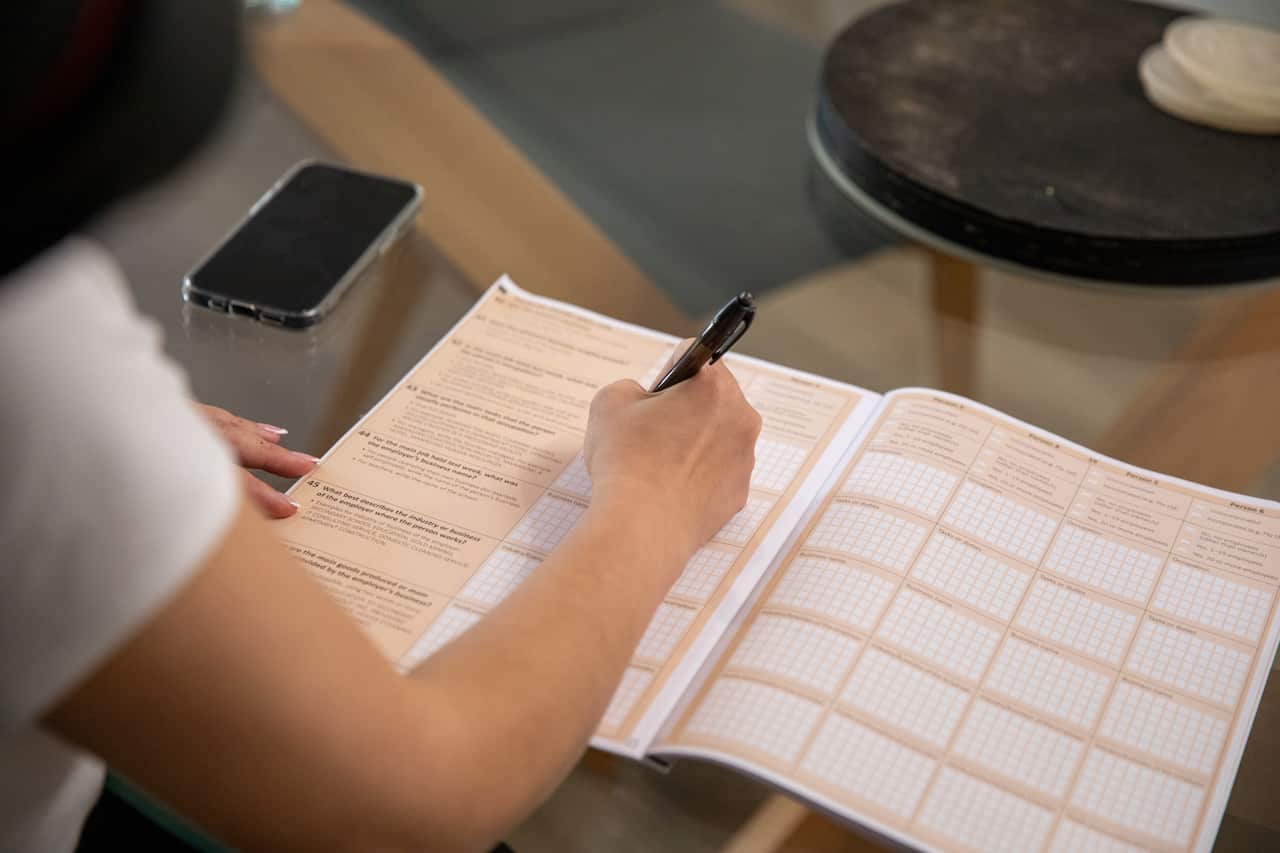
Ms Walter says the Census includes questions about health, education, employment and other topics that together paint a broad picture about a household and community.
“Questions like whether a person is of Aboriginal and Torres Strait Islander origin, language spoken at home, country of birth and country of birth of parents, ancestry, religion, year of arrival, those kinds of topics.”
What if I’m concerned about how my personal information is used?
There are safeguards in place to protect your privacy.
The Census is not about individuals, but about information from across the population.
The Census asks for your name and address to support data quality, including accurate data for different areas. Names are separated from other details early on in the process.
We are legally not allowed to share Census data with anyone, any government agency or otherwise, in a manner that's likely to identify anyone.Emily Walter
This means the information you provide is confidential, kept secure and cannot be used to identify you. Organisations, including government departments other than the ABS, can’t access any personal information you include on your Census form.
De-identified Census data is used by community groups, not-for-profit organisations, businesses and governments.
Welcoming Australia is one such organisation. They work with local governments, sporting clubs, universities and workplaces across the country.
CEO of Welcoming Australia, Aleem Ali, explains why your honest response matters.
“If you don't record your language, your faith, your culture, you effectively become invisible to the people making funding decisions.”
Why is it important to give accurate responses in the Census?
Responding accurately to all Census questions ensures your voice and your community are included when planning for schools, community centres, language support and other important services.
Mr Ali urges everyone to answer the questions honestly and accurately.
Participating is really about the dignity of being seen, and the generosity of resources your community deserves.Aleem Ali
Peter Doukas is Chair of the Federation of Ethnic Communities’ Councils of Australia (FECCA).
He says community organisations such as Ethnic Communities Councils have partnered with the ABS to deliver Census information in language, and to allay any concerns.
“Getting accurate data and helping people to understand that it is a really important part of civic life in Australia is central,” he says.
Aleem Ali says Census data plays a significant role for Welcoming Australia “... because it helps us support the organisations we work with to be more welcoming and inclusive and to work more effectively with... diverse communities.”
How does Census data help multicultural communities?
The Census has real impacts on people.
The information that you provide helps community groups, businesses and governments make informed decisions about the types of services and support that your community receives.
Aleem Ali says Census data can be seen as a map that shows us who we are as a nation.
“For example, when the data shows a high number of people in a specific location with low English proficiency, that evidence can then be used to… support for things like in-language health care and translation services at local hospitals. It also helps us identify what we might call hidden communities that are often overlooked in traditional consultations and funding.”
And when you see the big picture, there is so much diversity within Australia’s multicultural communities that is important to capture.
“For example… more established communities may have unique needs around support for the elderly, whereas new arrivals could have requirements of language support or even something as basic as settlement and schools,” Mr Doukas says.
Is support available?
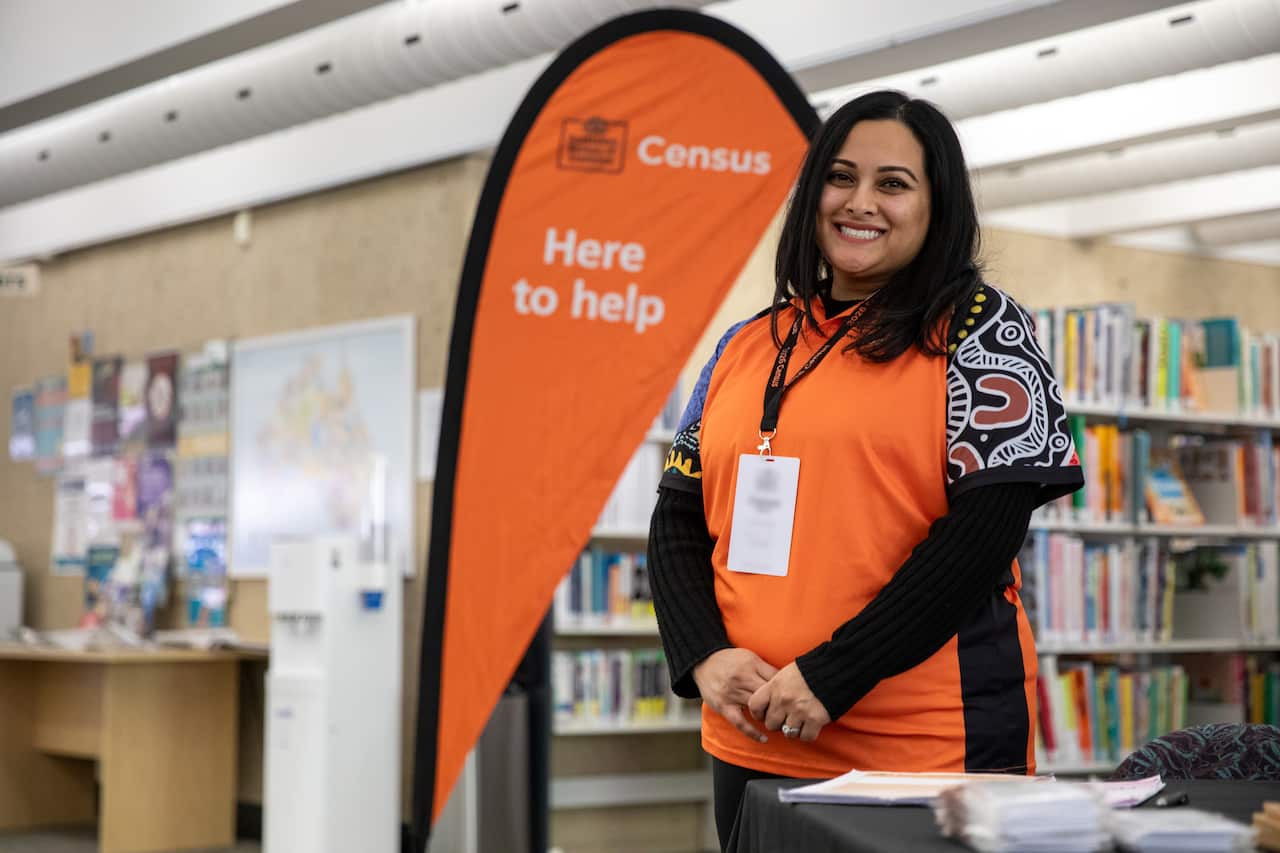
As the Census date approaches, the ABS is working with organisations, businesses and community groups across Australia to ensure people can complete the Census anywhere. This covers urban, regional and remote areas and ensures people staying away from home, for example at hotels, hospitals, campsites and caravan parks, are also supported.
Mr Ali says the ABS will provide flyers, audio guides and video resources in a range of languages.
“You can even visit an official Census pop-up hub for in-person help, and there's also phone support via the Census Contact Centre. And if you need an interpreter, you can use the TIS National service.”
So remember, Census night is Tuesday 11 August. If you're in Australia on that night, make sure you're counted.
It only takes a short time to complete, but the information you provide can help shape services and support for your community for years to come.
For more information about the Census, visit the Census website. For in-language information or support, visit the Language support page.
This content was produced in partnership with the Australian Bureau of Statistics.