Your guide to camping in Australia

GettyImages-599752459.jpg

Camping under the stars in the Australian outback.

Going camping is an incredible way to experience Australia’s great outdoors whilst also taking a break from technology and daily routines. We unpack the benefits of camping, the preparation required, the equipment you should consider taking, and how to be a considerate camper.


Key Points
  • Preparing for a camping trip involves researching the location, weather, conditions, local activities, and equipment required.
  • There’s a large array of camping equipment available, from the essentials to more involved gear to add comfort and convenience.
  • Being a considerate camping means taking your rubbish with you, and being aware of your noise and impact on nearby campers.

Why go camping in Australia?

From the coast to the outback, there’s a lot of Australia to explore, and going on a camping trip can be an easy and affordable way to experience the beauty and solitude of nature.

“We're very lucky in Australia to be blessed with some amazing natural landscapes, and most of them are relatively accessible from our major city centres,” hiker and photographer Mark Pybus explains.

Jon Burrell owns camping retailer Tentworld, and he enjoys camping and helping others get set up with the right equipment.
“I enjoy camping because it forces me to change my habits. Like everyone, I’m a bit addicted to my phone and the conveniences of modern life. Going camping allows me to really force myself to take a step back and spend more time with my family and enjoy the outdoors.”

Queensland national park ranger Erin Atkinson agrees. She says camping can be an affordable holiday, with the chance to encounter wildlife too.

“Australia is such a big country with so many natural areas, especially in our national parks, that are in pristine and untouched condition. There’s the opportunity to interact with native wildlife, whether it's the birds, the terrestrial animals like native marsupials, kangaroos or reptiles, or our abundant marine life. Camping in national parks is also actually quite budget-friendly.”
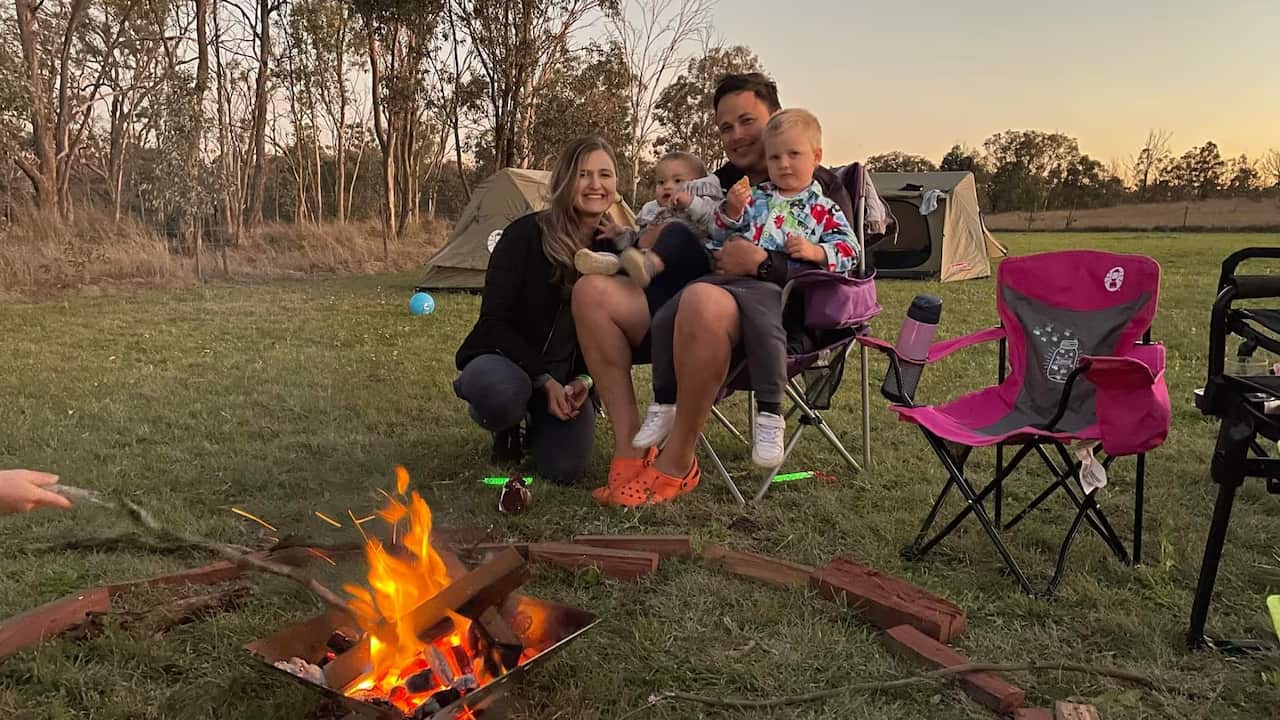
Jon Burrell camping with his family - image credit Jon Burrell.jpg
Jon Burrell camping with his family.

What to consider before you go camping?

Planning a camping trip involves understanding what equipment and supplies to take, knowing where and how to camp, and being mindful of the weather and environment.

“The best way to ruin a camping trip is to not do any research about where you're going. So finding out if a campsite needs bookings, for example, what the busy times of the year might be if you don't like crowds, what the weather's going to be like is a major factor - you don't want to be stuck in the cold or the rain,” Mark says.

If you prefer quiet time away from crowds, avoid school holidays and plan your travel carefully, Erin says.

“Do you need a four-wheel drive to access a camping area? Can you take pets into the area? You should check the weather forecast, the tides if you're going on the beach and always ensure you have your camping and vehicle permit before you travel to an area. You don't want to get to an area, and it's booked out and you've travelled all that way.”

Jon suggests to start simple for your first camping adventure.

“Try to choose somewhere where it reduces the complexity of what you need to take, perhaps all the way down to just a tent, mattress, sleeping bag and a torch. That way you can experiment with that, enjoy eating out at the local pub, and then for the next trip, you can step up and start packing food and the equipment that you need for food preparation as well.”

And make sure you pack to suit the weather.

“The temperature is obviously a big one - making sure that you've got clothing that's suitable, and sleeping bags that are suitable for the temperatures that you can experience overnight. Definitely a lot of first-time campers are shocked by how cold it can get overnight,” Jon explains.
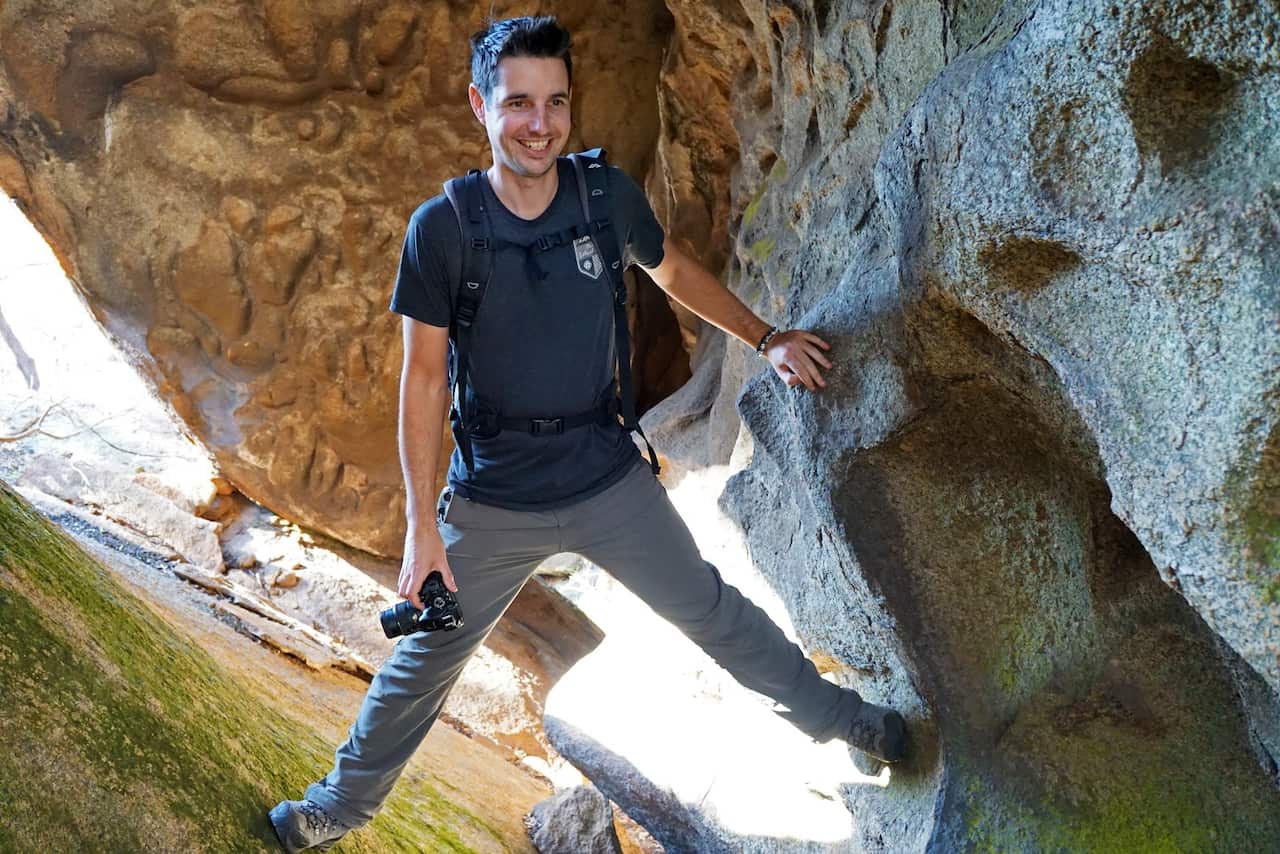
Mark Pybus runs the Life of Py hiking website - credit Donovan de Souza.JPG
There’s a wide range of camping gear you could consider taking, including a tent, bedding, table and chairs, cooking utensils, and food. Credit: Donovan de Souza

What camping equipment should you take?

  • Consider a range of camping gear, including a tent, bedding, table and chairs, cooking utensils and food.
  • Essential items include water, a tent, sleeping bag, mattress and a torch.
  • Pack extra comfort items. As Mark says, “If you're driving to the campsite, you might have a lot of space in the car, so take extra blankets and your own pillow from home.”
  • Consider a quality air mattress or swag if space allows.
  • Pack insect repellent, sunscreen, a first aid kit and any activity-specific gear such as fishing equipment, bathers, sports gear or games.
  • Modern camping gear offers a wide range of comfort and technology options, limited mainly by space and budget.
  • Decide whether you need highly durable equipment or lighter, more affordable options.
  • Set up and test your gear at home before leaving.
  • Choose your campsite carefully, checking for flat ground, flood risk, nearby roads and hazards like overhanging branches.
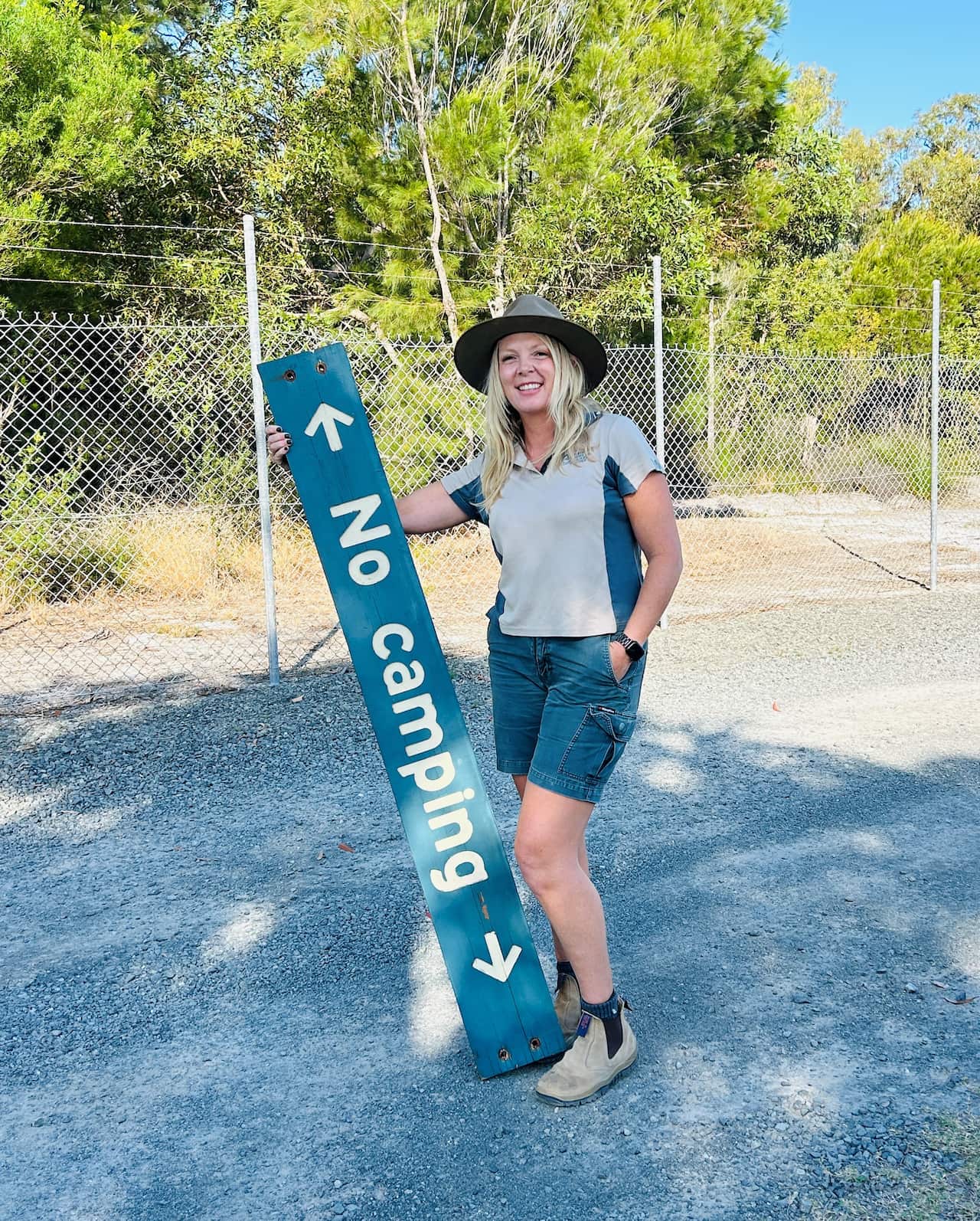
Queensland national park ranger Erin Atkinson – image Queensland Parks and Wildlife Service.jpg
Queensland national park ranger Erin Atkinson.

What is good camping etiquette?

Equally important is to be a considerate camper — respect others and follow local rules, Erin adds.

“So keep your noise levels to a minimum, especially after dark and in the early hours of the morning. And when you’re setting up your tent, give people as much space as possible, don’t spread your camping footprint out too far, and always adhere to the campground rules.”

When camping, don’t litter or damage native vegetation, and take your rubbish home.

“Try to leave no trace. Pack up everything that you bring in and leave the campsite in the same or even a better condition than you found it. In national parks, everything is protected. So you can actually receive a fine if you damage a plant or disturb a protected area,” says Erin.

Campfires should only be set up in designated places, and make sure fires are completely out before you depart.

If you use a generator, Jon says be mindful of the noise.

“A lot of national parks won't let you take generators, but if you are allowed to take them, it's generally recommended to turn them off by seven o'clock. Similarly with loud music, and that's taking into consideration young families that are probably trying to get their children to bed.”
Camping in Australia - Image Mark Direen -  Pexels.jpg

Where can you find out more information about camping?

  • Research the local area online before heading off to camp.
  • Check for fire bans and current conditions, including weather forecasts on the Bureau of Meteorology website.
  • Visit the official website of the camping area or National Park for up-to-date information.
  • Drop into the local ranger office or tourist information centre for practical advice.
  • Use local visitor centres in nearby towns for insider tips and lesser-known spots.
Subscribe to or follow the Australia Explained podcast for more valuable information and tips about settling into your new life in Australia.   

Do you have any questions or topic ideas? Send us an email to australiaexplained@sbs.com.au 
spk_0

SBS acknowledges the Traditional Custodians of Country and their connections and continuous care for the skies, lands and waterways across Australia.

spk_1

You're listening to Australia Explained, an SBS audio podcast helping you navigate life in Australia.

spk_2

If you want to experience the great outdoors in Australia, a camping trip is a fantastic way to do so. Camping allows you to relax, reconnect with nature, and take a break from screens and your daily routine.

spk_3

Trying to choose somewhere where it reduces the complexity

spk_3

of what you need to take, perhaps all the way down to just a tent, mattress, and sleeping bag and a torch.

spk_2

This is Australia Explained podcast, and I'm your host, Maram Ismail. This episode will help you ensure your camping trip in Australia is both comfortable and memorable.

spk_2

From the coast to the outback, camping is an easy and affordable way to escape routine and experience Australia's natural beauty. Planning well means knowing what gear you'll need, where you're going, and what conditions to expect. Hiker and photographer Mark Pybus is a regular camper who says the appeal is simple.

spk_4

So we're very lucky in Australia to be blessed with some amazing natural landscapes, and most of them are relatively accessible from our major city centres, and camping is just a great way with the stresses and distractions of modern day life.

spk_2

John Burrell, owner of Tent World, says camping helps him disconnect and focus on what matters.

spk_3

I enjoy it because it forces me to change my habits. I'm like.

spk_3

I'm a bit addicted to my phone and the internet and the conveniences of modern life, and so yeah, going camping allows me to really force myself to take a step back and spend more time with the kids and the wife and generally just enjoy the outdoors.

spk_2

Queensland National Park ranger Erin Atkinson agrees that camping offers close up wildlife encounters and affordable holidays.

spk_5

So interactions with like native wildlife is also what makes camping in Australia so great, whether it's the birds, the terrestrial animals like native marsupials, kangaroos, or reptiles, or our abundant marine life. Camping in national parks is actually quite budget friendly, so it's available for everyone in society to enjoy.

spk_2

Mark says good preparation is the key to a great trip.

spk_4

The best way to

spk_4

ruin a camping trip is to not do any research about where you're going, so finding out if a campsite needs bookings, for example, what the busy times of the year might be if you don't like crowds, what the weather's going to be like is a major factor. You don't want to be stuck in the cold or the rain.

spk_2

If you prefer quiet time away from crowds, avoid school holidays, and plan your travel carefully, Erin says.

spk_5

Do you need a 4-wheel drive to access a camping area? Can you take pets into the area? You should check the weather forecast, the tides if you're going on the beach, and always ensure you have your camping and vehicle permit before you travel to an area you don't want to get to an area and it's booked out and you've travelled all that way.

spk_2

When it comes to camping gear, John suggests starting simple for your first trip.

spk_3

Trying to choose somewhere

spk_3

it reduces the complexity of what you need to take, perhaps all the way down to just a tent, mattress, and sleeping bag and a torch. That way you can experiment with that, enjoy eating out at maybe the local pub, and then for the next trip you can step up and start packing food and the equipment that you need for food preparation as well.

spk_2

And always back for the weather.

spk_3

The temperature is obviously a big one, making sure that you've got clothing

spk_3

that's suitable and sleeping bags that are suitable for the temperatures that you can experience overnight. Definitely a lot of first time campers are shocked by how cold it can get overnight.

spk_2

Remember, you don't need everything, just the essentials.

spk_3

Water, tent, sleeping bag, mattress, and a torch. And beyond that, it's trip dependent where you're going, what food you need to eat, what you're planning on doing.

spk_2

For experienced campers like Mark, his advice is to make sure you get a good night's sleep.

spk_4

The main thing that people come away with from a bad camping experience is mainly sleep. So if you're driving to the campsite, you might have a lot of space in the car, so take extra blankets, your own pillow from home is a good one, and investing in a good quality air mattress or swag definitely goes a long way to having the best equipment.

spk_2

Don't forget insect repellent, sunscreen, a first aid Kit and any activity-specific gear like fishing rods or games.

spk_2

If you prefer more comfort, John says camping gear tech has come a long way.

spk_3

Even in the last 10 years, the level of comfort that you can access and the technology that you can access has really exploded. You can take induction stoves now camping if you want to. You can take a fridge, air conditioning. It starts to become limited by the physical space of your vehicle or your backpack and how much you want to spend.

spk_2

It's a good idea to step up and test your gear at home first, so you know how everything works. Erin says choose your spot carefully before you set up your tent.

spk_5

Consider where you're positioning your tent before you set it up. Is it a flat surface? Will it get flooded if it rains? Am I setting up the tent too close to the road, or am I setting up under a tree with branches that could fall on the tent?

spk_2

Equally important is to be a considerate camper, respect others, and follow

spk_2

local rules, Erin adds.

spk_5

Keep your noise levels to a minimum, especially after dark and in the early hours of the morning. And when you're setting up your tent, give people as much space as possible and don't spread your camping footprint out too far and always adhere to the campground rules.

spk_2

When camping, don't litter or damage native vegetation and take your rubbish home.

spk_5

Try to leave no trace, pack up everything that you bring in and leave the campsite in the same or even a better condition than you found it.

spk_5

In national parks, everything is protected, so you can actually receive a fine if you damage a plant or disturb a protected area.

spk_2

If you use a generator, John says, be mindful of the noise it makes.

spk_3

A lot of national parks won't let you take generators, but if you are allowed to take them, it's generally recommended to turn them off by 7 o'clock. Similarly with loud music.

spk_3

And that's taking into consideration young families that are probably trying to get their children to bed.

spk_2

Mark agrees courtesy and care make the experience better for everyone. He also warns to be careful when lighting campfires.

spk_4

And especially in Australia this is a big one, is lighting fires outside of the designated times of the year because obviously the chance of bushfires increases quite a lot over the summer.

spk_2

Only light campfires in approved areas and make sure they're entirely out before leaving.

spk_2

To find out more about camping in a particular area, research the local area online before you set off, check the weather and visit the official websites of the campsite and the national park you're visiting.

spk_2

Thank you for listening to this episode of Australia Explained, written and produced by Phil Tucak and hosted, mixed and sound designed by me, Maram Ismail. Australia Explained managing editor is Roza Germian.

spk_1

This was an SBS audio podcast. For more Australia explained stories, visit sbs.com.au/Australiaexplained.

spk_2

Subscribe or follow the Australia Explained podcast for more valuable information and tips about settling into your new life in Australia. Do you have any questions or topic ideas? Send us an email to australiaexplained@sbs.com.au.

END OF TRANSCRIPT

Share