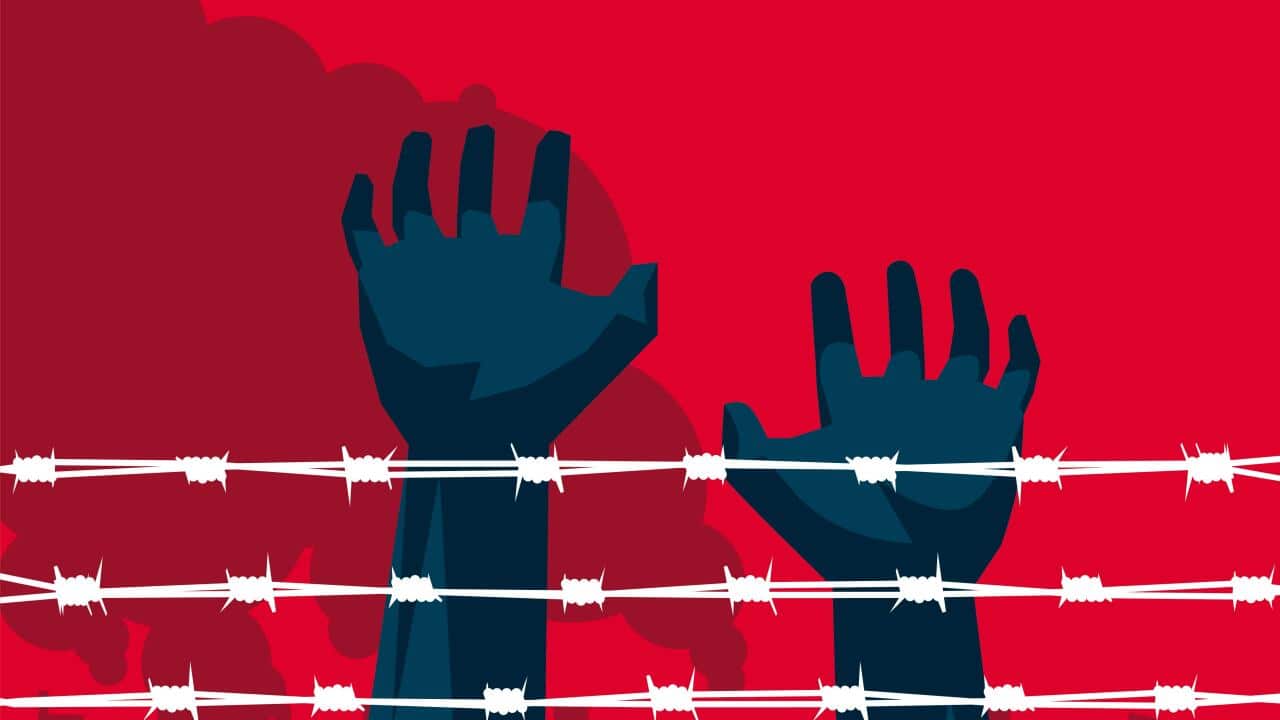
၁၆ နှစ်အောက်လူငယ်တွေအပေါ် ဆိုရှယ်မီဒီယာ ပိတ်ပင်မှုအကြောင်း လေ့လာခြင်း

Hearing a father's advice

Because social connection is central to teenagers’ wellbeing, parents can help them plan alternative ways to stay in touch. Credit: ridvan_celik/Getty Images

သြစတြေးလျမှာ ၁၆ နှစ်အောက် လူငယ်တွေရဲ့ ဆိုရှယ်မီဒီယာ အကောင့် ပိတ်ပင်မှု စတင်တော့မှာ ဖြစ်ပေမယ့် ဘယ်လို အလုပ်လုပ်မလဲဆိုတာနဲ့ ပတ်သက်ပြီး မရေရာမှုတွေ အများကြီး ရှိနေပါသေးတယ်။ အသေးစိတ် အချက်အလက်တွေက အချိန်နဲ့အလိုက် ပြောင်းလဲနေဆဲပါပဲ၊ ဒါပေမဲ့ သေချာတာ တစ်ခုက ဘာပဲဖြစ်လာလာ ကလေးတွေ ရင်ဆိုင်ကျော်ဖြတ်နိုင်ဖို့ မိသားစုတွေက အဓိက အခန်းကဏ္ဍက ပါဝင်ရမယ် ဆိုတဲ့ အချက်ပဲ ဖြစ်ပါတယ်။


Key Points
  • Australia is introducing social media restrictions for young Australians under 16 years of age from 10 December 2025.
  • Social media platforms—not parents—are responsible for enforcing age checks.
  • Open conversations can help children manage the emotional impact of the changes.
  • Parents can support teens by planning alternative ways to stay connected and preparing for account changes.

စည်းမျဥ်း အသစ်တွေက ဘာလဲ၊ ဘယ်မှာ ရှာကြည့်နိုင်မလဲ။

ဒီဇင်ဘာလ ၁၀ ရက်နေ့ကစပြီး ဩစတြေးလျနိုင်ငံမှာ အသက် ၁၆ နှစ်အောက် လူငယ်တွေ ဆိုရှယ်မီဒီယာ အသုံးပြုခွင့် စတင် ပိတ်ပင်တော့မှာ ဖြစ်ပါတယ်။

ဆိုရှယ်မီဒီယာ ကုမ္ပဏီတွေဟာ အသက် ၁၆ နှစ်အောက် လူတွေကို အကောင့်မရှိအောင် တားဆီးဖို့အတွက် သင့်လျော်တဲ့ ခြေလှမ်းတွေကို လုပ်ဆောင်ရမှာ ဖြစ်ပါတယ်။ လက်ရှိ အနေနဲ့ ၁၆ နှစ်အောက် သမားတွေ အကောင့်မရှိအောင် လုပ်ဆောင်ရမယ့် ဆိုရှယ်မီဒီယာထဲမှာ TikTok၊ Instagram၊ Snapchat၊ Facebook၊ Kick၊ Reddit၊ Threads၊ Twitch၊ X နဲ့ YouTube တို့ ပါဝင်ပြီး နောက်ထပ် ပလက်ဖောင်းတွေကိုလည်း ထည့်သွင်းနိုင်ပါတယ်။

ဒီ ပိတ်ပင်မှု စတင်တာကို ကြီးကြပ်နေတဲ့ eSafety ကော်မရှင်နာက ဒီဇင်ဘာ ၁၀ ရက်မှာ အသက် ၁၆ နှစ်အောက် အကောင့်တွေ အားလုံး တစ်ပြိုင်နက် ပျောက်ကွယ်သွားဖို့ မဖြစ်နိုင်ဘူးလို့ ပြောပါတယ်။ ဒါဟာ တဖြည်းဖြည်းချင်း ဖြစ်လာမယ့် လုပ်ငန်းစဉ်လို့ ဆိုပါတယ်။

A child using smart phone lying in bed
Companies are expected to use age-assurance technology to estimate a user’s age. Young people will still be able to watch publicly available content on some platforms, such as YouTube and TikTok. Source: iStockphoto / Suzi Media Production/Getty Images
ကုမ္ပဏီတွေဟာ သုံးစွဲသူရဲ့ အသက်ကို ခန့်မှန်းဖို့အတွက် အသက် အာမခံ နည်းပညာကို အသုံးပြုရမှာဖြစ်ပြီး အစိုးရ ထုတ်ပေးတဲ့ မူရင်း မှတ်ပုံတင် ကတ်ပြားကို စကန်ဖတ်ခိုင်းတဲ့ နည်းလမ်းထက် ပိုသာတဲ့ ရွေးချယ်စရာတွေကိုလည်း ပေးရမှာ ဖြစ်ပါတယ်။


ကလေးငယ်တွေဟာ YouTube နဲ့ TikTok လို ပလက်ဖောင်းတချို့မှာ အကောင့်ဝင်စရာ မလိုဘဲ ဗီဒီယိုတွေကို ဆက်ကြည့်နိုင်မှာ ဖြစ်ပါတယ်။


အသက် ၁၆ နှစ်အောက် လူငယ်တွေ အကောင့်မဖွင့်နိုင်အောင် လုပ်ဆောင်ဖို့ တာဝန်ကတော့ ဆိုရှယ်မီဒီယာ ပလက်ဖောင်းတွေရဲ့ တာဝန်ပဲ ဖြစ်ပါတယ်။ ဒီဇင်ဘာ ၁၀ ရက် နောက်ပိုင်း အသက် ၁၆ နှစ်အောက် ကလေးတစ်ဦးဦး အကောင့် ဆက်ရှိနေရင်တောင် မိဘတွေနဲ့ ကလေးတွေကို ပြစ်ဒဏ် ချမှတ်တာမျိုး လုပ်မှာတော့ မဟုတ်ပါဘူး။

ဒီလို ပြောင်းလဲမှုတွေကို ကလေးတွေနဲ့ ဘယ်လို ဆွေးနွေး ပြောဆိုမလဲ။

ကျွမ်းကျင်သူတွေက ကလေးတွေနဲ့ စောစောစီးစီး စကားပြောဖို့က အရေးကြီးတယ်လို့ ဆိုပါတယ်။

ဆစ်ဒနီ တက္ကသိုလ်၊ မီဒီယာနဲ့ ဆက်သွယ်ရေးဆိုင်ရာ အကြီးတန်း ကထိက ဒေါက်တာ Catherine Page Jeffery က အခုလို ရှင်းပြထားပါတယ်။

“ဆိုရှယ်မီဒီယာဟာ လူငယ်တွေအတွက် တကယ်ကို အရေးကြီးပါတယ်။ သူတို့ အကြား အချင်းချင်း ဆက်သွယ်ဖို့အတွက် အရေးပါတဲ့ နည်းလမ်းတစ်ခုပါ။ မီဒီယာနဲ့ လူမှုမီဒီယာဟာ လူငယ်တွေရဲ့ ဘဝမှာ ဘယ်လောက် အရေးပါလဲဆိုတာကို မိဘတွေက ပိုပြီး နားလည်အောင် ကြိုးစားတာဟာ အရေးကြီးတဲ့ ပထမဆုံး ခြေလှမ်းလို့ ထင်ပါတယ်။” လို့ ပြောသွားခဲ့ပါတယ်။

ဒေါက်တာ Page Jeffery ဟာ ဒစ်ဂျစ်တယ် မီဒီယာနဲ့ မိသားစုတွေကို လေ့လာသူ ဖြစ်ပါတယ်။

သူမက ဒစ်ဂျစ်တယ် မီဒီယာဟာ သြစတြေးလျ မိသားစုတွေကြား ပဋိပက္ခတွေကို မကြာခဏ ဖန်တီးလေ့ရှိပြီး မိဘတွေက သူတို့ ကလေးတွေ ဘဝမှာ ဆိုရှယ်မီဒီယာက ဘယ်လောက် အရေးပါလဲဆိုတာကို နားမလည်တဲ့အခါ သားသမီးနဲ့ မိဘအကြား သဘောထား ကွဲလွဲမှုတွေ ဖြစ်ပေါ်နိုင်တယ်လို့ ပြောပါတယ်။

“မိဘတွေဟာ သူတို့ကလေးတွေရဲ့ ဘဝထဲမှာ ဆိုရှယ်မီဒီယာရဲ့ အရေးပါပုံကို တကယ် အသိအမှတ်ပြုဖို့ လိုအပ်ပါတယ်။ ဒါကို ကလေးတွေဆီကနေ ရုပ်သိမ်းလိုက်တာဟာ သူတို့အတွက် သေးငယ်တဲ့ ကိစ္စမဟုတ်ပါဘူး။ လူငယ်တွေ အများကြီး စိတ်ပျက်ဝမ်းနည်းကြမှာပါ။ တချို့ကတော့ အထီးကျန်သလို ခံစားရနိုင်ပါတယ်။” လို့ ပြောပါတယ်။

Mobile phone showing the number 16 and a red forbidden sign trapped between barrier tapes on yellow background. Illustration of the British consideration of banning sale of smartphones to under 16s
The responsibility falls on the platforms themselves. There are no penalties for parents or children if an under-sixteen still has an account after the start date. Source: iStockphoto / Dragon Claws/Getty Images
Kids Helpline ရဲ့ ဝန်ဆောင်မှု မန်နေဂျာ Leo Hede က လူအများနဲ့ မတူတဲ့ လူမှုရေး အနေအထားနောက်ခံကလာတဲ့ လူငယ်တွေအဖို့ သူတို့ရဲ့ လက်တွေ့ဘဝ ပတ်ဝန်းကျင်မှာ အလားတူ ဆက်သွယ်မှုနဲ့ လုံခြုံမှု ခံစားချက်မျိုး မရနိုင်တာကြောင့် အွန်လိုင်း အသိုင်းအဝိုင်းတွေက သူတို့အတွက် ပိုပြီး အရေးပါနိုင်တယ်ဆိုတာကို သတိရဖို့ အရေးကြီးတယ်လို့ ဆိုပါတယ်။

အထီးကျန်ဖြစ်မယ့် အန္တရာယ်က ယဉ်ကျေးမှုနဲ့ ဘာသာစကား မတူညီတဲ့ နောက်ခံက လာတဲ့ လူငယ်တွေ၊ မသန်စွမ်းတဲ့ လူငယ်တွေ၊ ကျေးလက်ဒေသက လူငယ်တွေနဲ့ LGBTIQ+ လူငယ်တွေအတွက် အထူး စိုးရိမ်စရာ ဖြစ်တယ်လို့ ပြောပါတယ်။
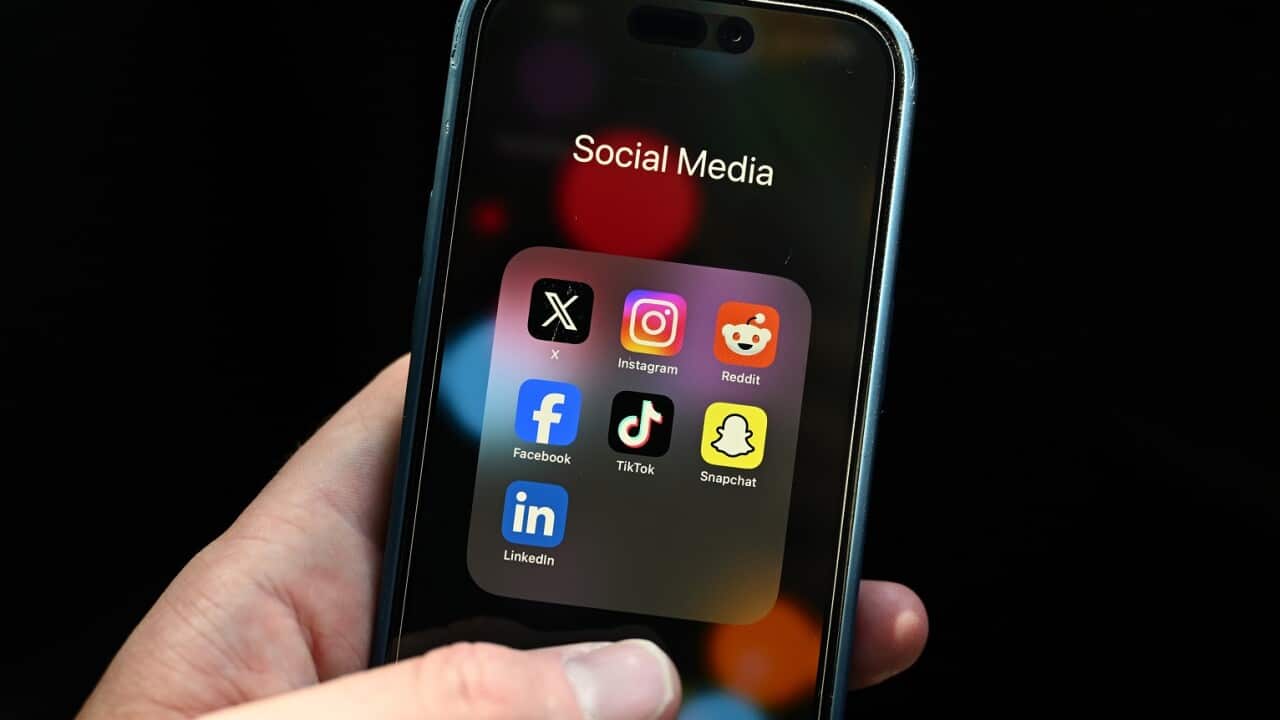
eSafety က သူတို့ရဲ့ ဝက်ဘ်ဆိုဒ်မှာ မိဘတွေနဲ့ ကလေးတွေအတွက် စကားစမြည် ပြောဆိုနိုင်ဖို့နည်းတွေနဲ့ လူငယ်တွေ ပြင်ဆင်နိုင်ဖို့ လမ်းညွှန်မှုတွေကို ဖော်ပြထားတာ ရှိပါတယ်။

ကျောင်းတွေနဲ့ Kids Helpline လို တခြား အဖွဲ့အစည်းတွေကလည်း သူတို့နည်း သူတို့ဟန်နဲ့ ပညာပေးမှုတွေ လုပ်ကြပါတယ်။

မစ္စတာ Hede က လူငယ်တွေရဲ့ ခံစားချက်တွေကို လျစ်လျူရှုတာမျိုး မလုပ်ဖို့က အရေးကြီးတယ်လို့ ပြောပါတယ်။

“ဒီ အကူးအပြောင်းကာလမှာ သူတို့ရဲ့ ကျန်းမာရေးကို ဘယ်လို စီမံခန့်ခွဲမလဲဆိုတာနဲ့ ပတ်သက်ပြီး ရွေးချယ်စရာတွေအကြောင်း ကလေးတွေနဲ့ စကားပြောဖို့ မိဘတွေကို ကျွန်တော်တို့ တိုက်တွန်းပါတယ်။ အွန်လိုင်းမှာရှိတဲ့ ခိုင်မာတဲ့ ဆက်သွယ်မှုတွေ ဆုံးရှုံးရတော့မယ်လို့ ခံစားရရင် တခြား ဘယ်လို အထောက်အပံ့တွေ ရှိနိုင်မလဲ။ အဲဒါကို စီမံခန့်ခွဲဖို့ သူတို့ ဘာတွေ လုပ်နိုင်သေးလဲ။ အဲလူနဲ့ လက်တွေ့ကမ္ဘာ ဆက်သွယ်မှုတစ်ခု ဖြစ်နိုင်သလား။ ဒီ ဆက်သွယ်မှုတွေ ရှိလာအောင် မိဘက သူတို့ကို ဘယ်အရာတွေနဲ့ ကူညီပံ့ပိုးပေးနိုင်မလဲ စတာတွေ ဆွေးနွေး ပြောဆိုဖို့ အရေးကြီးတယ်။” လို့ ပြောပါတယ်။

Teenager ignoring his mother while using a tablet in his bedroom
Parents shouldn't be dismissive of their children's feelings. Source: iStockphoto / Antonio_Diaz/Getty Images

အကောင့် မပိတ်ခင် ဘာလုပ်သင့်သလဲ

ဆိုရှယ် မီဒီယာ ပလက်ဖောင်းအလိုက် ပြောဆိုဆွေးနွေးရတာ၊ ချဥ်းကပ်ပုံတွေ ကွာခြားနိုင်ပေမယ့် အကောင့် ပိတ်ပင်မှုအကြောင်း ကလေးတွေနဲ့ စကားပြောခြင်းက သူတို့ လိုက်လျောညီထွေ ဖြစ်အောင် ကူညီပေးနိုင်တယ်လို့ ပြောပါတယ်။ သူတို့ အကောင့်တွေ မပိတ်ခင်မှာ သူတို့ရဲ့ ဓာတ်ပုံ၊ ဗီဒီယို ဒါမှမဟုတ် တခြား အမှတ်တရတွေ အဖျက်မခံရခင် သိမ်းဆည်းတာမျိုး လုပ်ဖို့တို့လည်း ပါဝင်ပါတယ်။

“သူငယ်ချင်းတွေနဲ့ ရိုက်ထားတဲ့ ကိုယ့်ရဲ့ အကြိုက်ဆုံး ဆယ်လ်ဖီတွေကို ဘယ်လို ဒေါင်းလုဒ် ဆွဲမလဲ။ သူငယ်ချင်းအုပ်စုနဲ့ တစ်စုနဲ့ ဆက်သွယ်မှုတွေ ရှိနေတယ်။ အဲဒါကို တခြား လုံခြုံတဲ့ နေရာမှာ ရနိုင်သေးတဲ့ အက်ပလီကေးရှင်း တချို့မှာ ဆက်လက် တွေ့ဆုံပြောဆိုတာမျိုး လုပ်စေနိုင်မယ့် တခြား နည်းလမ်းတွေ ရှိနိုင်သလား။ ဒါမှမဟုတ် ဒီ လိုအပ်ချက် တချို့ ပြည့်မီစေဖို့ လုံးဝ ကွဲပြားတဲ့ ရွေးချယ်စရာတွေ ရှိမရှိ လေ့လာနိုင်တယ်။” လို့ ပြောပါတယ်။

Group of friends hanging out together in skatepark and taking selfie
Once the ban comes into effect, parents should continue talking with their children about online life. Credit: Johner Images/Getty Images/Johner RF

ပိတ်ပင်မှု စတင်ပြီးနောက် ဘာဆက်လုပ်သင့်သလဲ

Kids Helpline က အကြံပြုထားတဲ့ နည်းဗျူဟာ တစ်ခုကတော့ သင့်ကလေးတွေကို “ထောင်က လွတ်မြောက်ခွင့်ကတ်” (Get out of jail free card) ပေးခြင်းဖြစ်တယ်လို့ ပြောပါတယ်။

“အဲဒါက ဘာကို ဆိုလိုသလဲဆိုရင် အွန်လိုင်းမှာ တစ်ခုခု ဖြစ်လာပြီး သူတို့ အကူအညီ လိုအပ်တဲ့အခါ သင့်ဆီ လာပြီး ပြောပြနိုင်တယ်၊ အဲဒီအချိန်မှာ သင်က ချက်ချင်း တုံ့ပြန်မှာ မဟုတ်ပဲ၊ သူတို့ ပြောတာကို နားထောင်ပြီး အဲဒါကို ကျော်ဖြတ်နိုင်အောင် ကူညီပေးမယ်လို့ သင့်ကလေးတွေကို ပြောဆိုခြင်း ဖြစ်တယ်။” လို့ ရှင်းပြထားပါတယ်။

မစ္စတာ Hede က လူငယ်တွေဟာ သူတို့ရဲ့ မိဘတွေကို စိတ်ဖိစီးမှု ထပ်မဖြစ်စေချင်လို့ အကူအညီ တောင်းဖို့ စိုးရိမ်ကြောင်း မကြာခဏ ပြောကြတယ်လို့ ဆိုပါတယ်။

လူငယ်တွေဟာ ဆိုရှယ်မီဒီယာ ပလက်ဖောင်းတွေမှာ ဆက်ရှိနေဖို့ နည်းလမ်းတွေ ဒါမှမဟုတ် ပတ်ပင်ခံရတဲ့အထဲ မပါဝင်တဲ့ တခြား ဝန်ဆောင်မှု အသစ်တွေကို အသုံးပြုဖို့ နည်းလမ်းတွေ ရှာဖွေဖို့ များတာကြောင့် သူတို့ဟာ အွန်လိုင်းပေါ်မှာ စိုးရိမ်ဖွယ်ရာတွေ ကြုံတွေ့နိုင်ပါသေးတယ်။ အဲဒါကြောင့် ပြဿနာတက်မှာကို မကြောက်ဘဲ ပွင့်ပွင့်လင်းလင်း ဆက်သွယ်ပြောဆိုဖို့ ဖြစ်လာအောင် ပြောဆိုထားဖို့ အရေးကြီးတယ်လို့ သူက ပြောပါတယ်။


But even after the ban takes effect, parents do still need to be continuing the conversations with their children about online safety, about online risks, because a lot of the online risks are not just on social media.
Dr Catherine Page Jeffery, senior lecturer in media and communications at the University of Sydney.
ဒေါက်တာ Page Jeffery က အွန်လိုင်းပေါ်က အတွေ့အကြုံတွေနဲ့ ပတ်သက်ပြီး ကလေးတွေနဲ့ စကားပြောဆိုမှုတွေ ဆက်လုပ်ဖို့က အရေးကြီးတယ်လို့ ပြောပါတယ်။

“ပိတ်ပင်မှု အသက်ဝင်ပြီးနောက်မှာတောင် မိဘတွေဟာ သူတို့ကလေးတွေနဲ့ အွန်လိုင်း ဘေးကင်းရေး၊ အွန်လိုင်း အန္တရာယ်တွေအကြောင်း ဆက်လက် ဆွေးနွေးဖို့ လိုအပ်ပါသေးတယ်။ ဘာလို့လဲဆိုတော့ အွန်လိုင်း အန္တရာယ် အများစုဟာ ဆိုရှယ်မီဒီယာပေါ်မှာပဲ ရှိတာ မဟုတ်ပါဘူး။ ပိုပြီး ကျယ်ပြန့်တဲ့ အန္တရာယ်တွေ အများကြီး ရှိနေပါတယ်။ ဒါကြောင့် မိဘတွေ လုပ်နိုင်တဲ့ အဆိုးဆုံး အရာတွေထဲက တစ်ခုကတော့ လူငယ်တွေနဲ့ အဲဒီလို ဆွေးနွေးမှုတွေ ပြုလုပ်တာကို ရပ်တန့်လိုက်ခြင်းပဲ ဖြစ်တယ်။”

Subscribe to or follow the Australia Explained podcast for more valuable information and tips about settling into your new life in Australia.   

Do you have any questions or topic ideas? Send us an email to australiaexplained@sbs.com.au 

spk_0

SBS acknowledges the Traditional Custodians of Country and their connections and continuous care for the skies, lands and waterways across Australia.

spk_1

You're listening to Australia Explained, an SBS audio podcast helping you navigate life in Australia.

spk_2

Australia's teen social media ban is about to begin, but there is still a lot of uncertainty about how it will work. The details continue to evolve, but one thing is clear: families play a central role in helping children navigate whatever comes next. So, how can you talk with young people about these changes?

spk_2

And have healthy conversations about staying connected with their peers.

spk_3

How would you go about downloading all your favourite selfies with your friends? You've got the connections there with that particular group. Are there other ways that you might be able to replicate that in a safe space? This

spk_2

is Australia Explained, and I'm your host, Maram Ismail. In this episode, you'll learn about the upcoming changes and how experts recommend you help children prepare for the changes.

spk_2

Australia will introduce its teen social media ban on Tuesday, the 10th of December. Social media companies will be required to take reasonable steps to stop people under 16 from having accounts. TikTok, Instagram, Snapchat, Facebook, Kik, Reddit, Threads, Twitch, X, and YouTube are already included, and more platforms may be added. The responsibility falls on the platforms themselves.

spk_2

There are no penalties for parents and children if an under-16 still has an account after the start date. Companies are expected to use age assurance technology to estimate a user's age, and they must offer options beyond scanning a government ID. Young people will still be able to watch content on.

spk_2

Such as YouTube and TikTok without logging in. The e-safety commissioner, who is overseeing the introduction of the ban, says it's unlikely that all accounts for under-16s will disappear on December 10th, and it will be a gradual process, but experts say it is important to start talking to children early.

spk_2

Catherine Page Jeffrey, a senior lecturer in media and communications at the University of Sydney, explains, social

spk_4

Media is really important for young people. It's a really important way for them to connect. I think parents trying to get a better understanding of how important media and social media in particular is in young people's lives is an important first step.

spk_2

Dr Paige Jeffrey studies digital media and families. She says digital media often creates conflict.

spk_2

In Australian families, and disagreements can arise when parents don't understand how important it is in their children's lives.

spk_4

Parents really need to acknowledge the importance of social media in the lives of their children, and that having that taken away from them is not an insignificant thing. I think a lot of young people will be upset. Some may feel isolated.

spk_2

The risk of isolation is especially worrying for young people from margin.

spk_2

communities, including those from culturally and linguistically diverse backgrounds, young people living with a disability, young people in rural or regional areas, and LGBTQ plus young people. I

spk_4

think it's really important that parents talk to their children and make sure that they have established other ways of staying connected with peers to make sure that they are not cut off.

spk_2

Leo Hede, service manager for Kids Helpline,

spk_2

says it's important to remember that online communities can be more important for young people from marginalised communities because they may not have the same sense of connection and safety in their real world environment.

spk_3

That's an important message for us to amplify to parents, to adults, to government, wherever we can, that these communities and connections that young

spk_3

People are making have great benefit for them and that quite often they are doing it safely and that they do have confidence and competence to navigate the complexities of this and that we shouldn't underestimate them.

spk_2

eSafety provides resources on their website for parents and children, including conversation.

spk_2

and a get ready guide to help young people prepare. Other groups like schools and support services like Kids Helpline are offering their own resources as well. Mr. Heath says it's important to not be dismissive of young people's feelings.

spk_3

We then encourage parents to talk to kids about the options, how they are going to manage their wellbeing through this transition.

spk_3

What other supports might they have if they felt that they're going to lose this strong sense of connection with this person online? What else could they do to manage that? Could it be a real world connection that they could look to? Are there things that the parent could support them with to help them have those connections?

spk_2

He says the steps will differ across platforms, but talking with children about the upcoming ban can help them adjust. This might include working together to save their photos,

spk_2

videos, or other memories before their accounts are closed.

spk_3

How would you go about downloading all your favourite selfies with your friends? You've got the connections there with that particular group. Are there other ways that you might be able to replicate that in a safe space with some of the applications that are still available, or are there completely different options that you could look at to have some of that need met?

spk_2

One strategy recommended by

spk_2

Kids Helpline is giving your children a get out of jail free card.

spk_3

What we mean by that is telling your kids that if something does happen online where they do need help, that they can come to you and just tell you, and you will not react in the moment, and you will listen to them and you will help them through

spk_2

it. Mr Hede says young people often say they are worried about asking for help because they don't want to cause their problem.

spk_2

Parents' extra stress since young people are likely to try to find ways to keep using these social media platforms or new services not included, they may still experience harm online, he says. This encourages open communication without the fear of being in trouble. eSafety suggests Kids Helpline's peer-to-peer programme MyCircle and Beyond Blue forums as safer alternatives for young people to connect online.

spk_2

Paige Jeffrey says it's important to keep talking with children about their experiences online, but even

spk_4

after the ban takes effect, parents do still need to be continuing the conversations with their children about online safety.

spk_4

About online risks because a lot of the online risks are not just on social media, there are a lot of risks more broadly. So I think one of the worst things that parents can do is just now kind of disengage from having those conversations with young people.

spk_2

Thank you for listening to this episode of Australia Explained, written and produced by Veronica Lenard, hosted and mixed by me, Maram Ismail. Australia Explained managing editor is Roza Germian.

spk_1

This was an SBS audio podcast. For more Australia explained stories, visit SBS.com.au/Australiaexplained.

spk_2

Subscribe or follow the Australia Explained podcast for more valuable information and tips about settling into your new life in Australia. Do you have any questions or topic ideas? Send us an email to australiaexplained@sbs.com.au.

END OF TRANSCRIPT

Share
Follow SBS Burmese

Download our apps
SBS Audio
SBS On Demand

Listen to our podcasts
Independent news and stories connecting you to life in Australia and Burmese-speaking Australians.
Ease into the English language and Australian culture. We make learning English convenient, fun and practical.
Get the latest with our exclusive in-language podcasts on your favourite podcast apps.

Watch on SBS
SBS World News

SBS World News

Take a global view with Australia's most comprehensive world news service