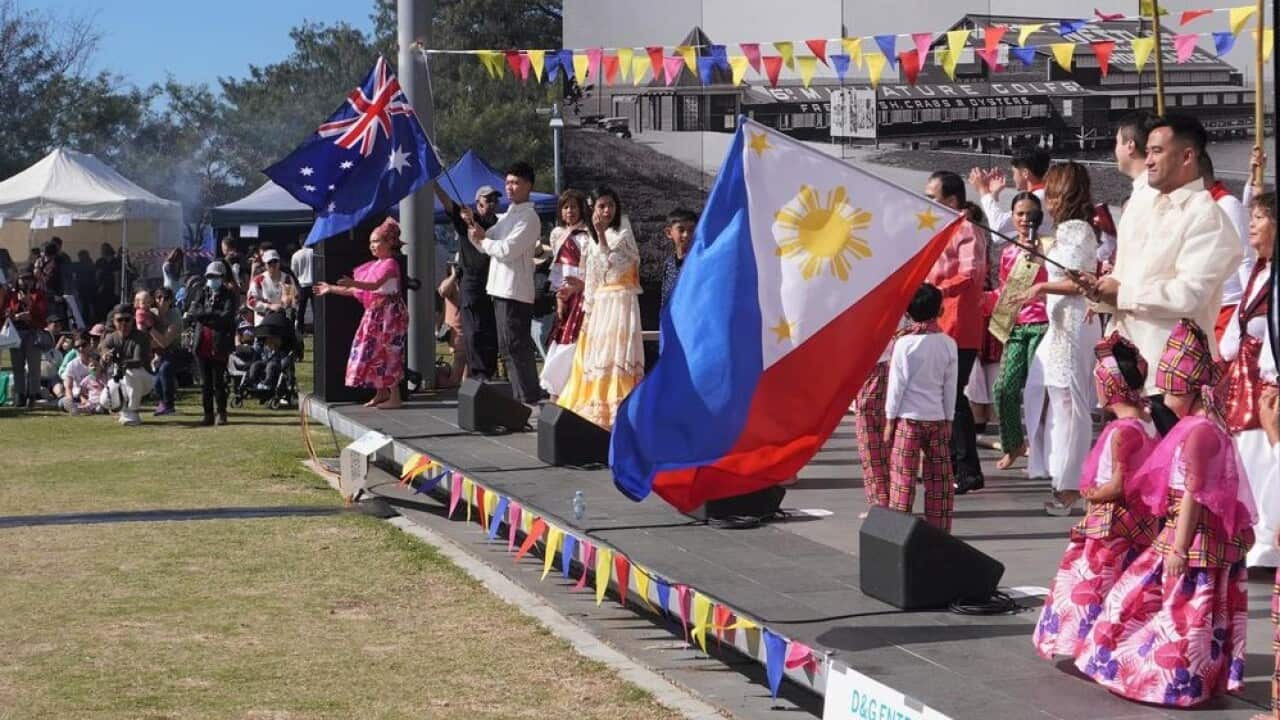

Filipino parents residing in Australia have various motivations for teaching their native language to their children. Several Queensland parents share their individual reasons, while their kids find it important to learn more about the Filipino culture.
Key Points
- Learning the Filipino language is one way of preserving the Filipino culture.
- Speaking the language at home is one way to actually learn it.
- Several Queensland families share how they keep the Filipino culture alive in Australia.
"It's important to teach the Filipino language to my kids for us to preserve our heritage and the culture we grew up in."
Mrs Neald believes that speaking the language at home is the first step for children to actually learn Filipino.

For dad, Ryan Divina-Gracia, who's originally from Bukidnon, southern Philippines, thinks that imparting the "Filipino way to his three children is very important for his family."
"Para kapag umuwi sila sa Pilipinas ay makapag-communicate sila ng mas maayos sa mga kamag-anak lalo na sa kanilang mga lolo't lola."
The Divina-Gracia siblings Bianca, Ralph, and Gabriel agree with their dad.
"We'll understand more about the people and we'll speak better with our relatives when we visit them in the Philippines.
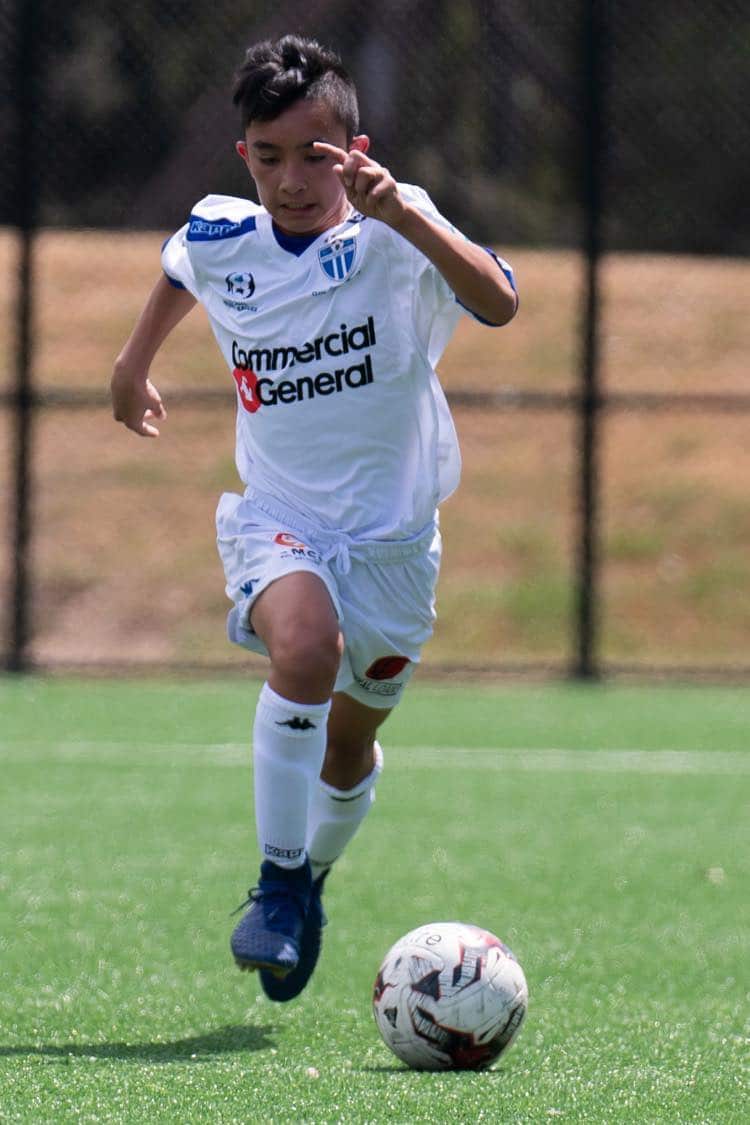
While U-23 Gold Coast United soccer player Ethan Swinney hardly speaks Filipino, he admits that "it's very important to learn Filipino."
"I can't really speak but I really want to learn the language and culture and I want the culture to keep going for myself [and other younger Filipino Australians]."
To learn more about the Filipino language, you can also check SBS Filipino's podcast series, Learn Filipino.