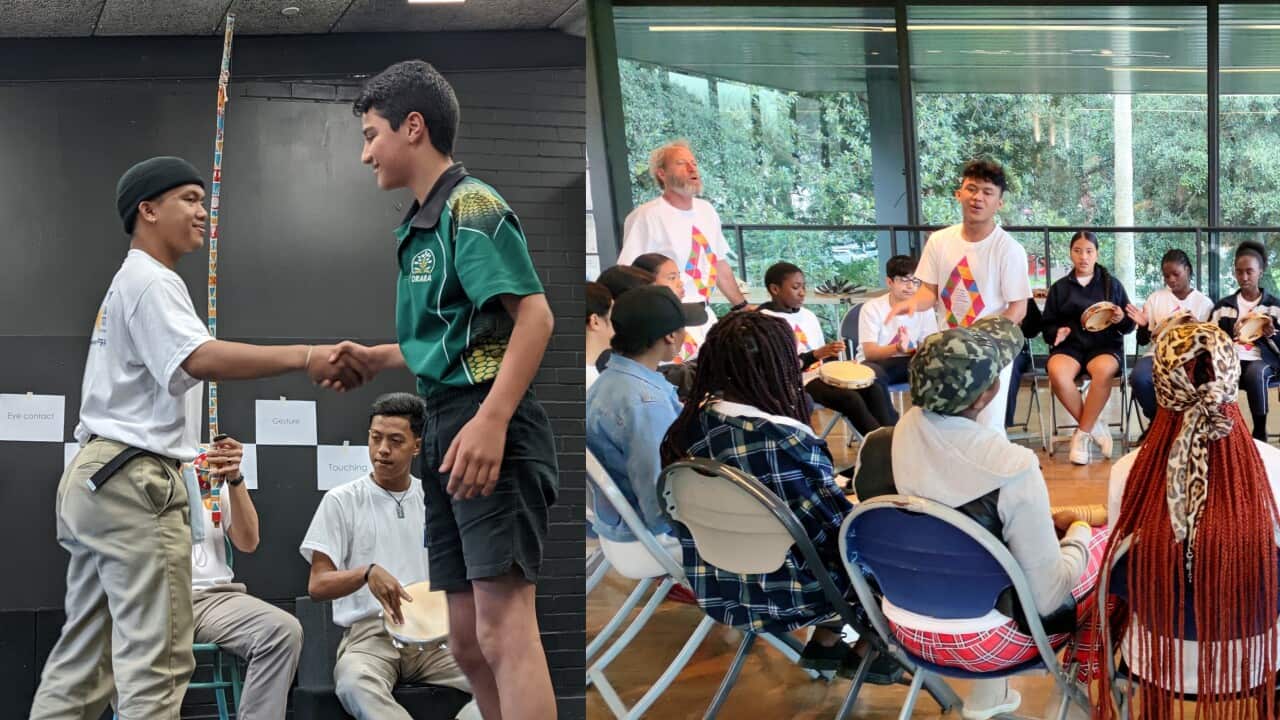

Through learning Capoeira, a type of Afro-Brazilian martial arts, 'Project Bantu' seeks to change the lives of vulnerable youth such as refugees in Australia and street children in the Philippines.
Key Points
- 'Project Bantu' aims to utilise Capoeira to help alleviate challenges among vulnerable youth.
- Bantu Philippines support hundreds of Filipino youth with programs to help fight poverty.
- The annual Youth Capoeira Angola event gathers all students of Project Bantu to exchange knowledge and culture.
'Project Bantu'
Bantu Philippines and Bantu Worldwide hope to further help at-risk youth in the Philippines and other vulnerable youth groups such as refugees in Australia.
"We use music and movements to empower at-risk youth and their communities by teaching them life skills and connecting them with opportunities that will help them escape poverty,” shares BANTU Philippines Executive Director Jaime Benedicto
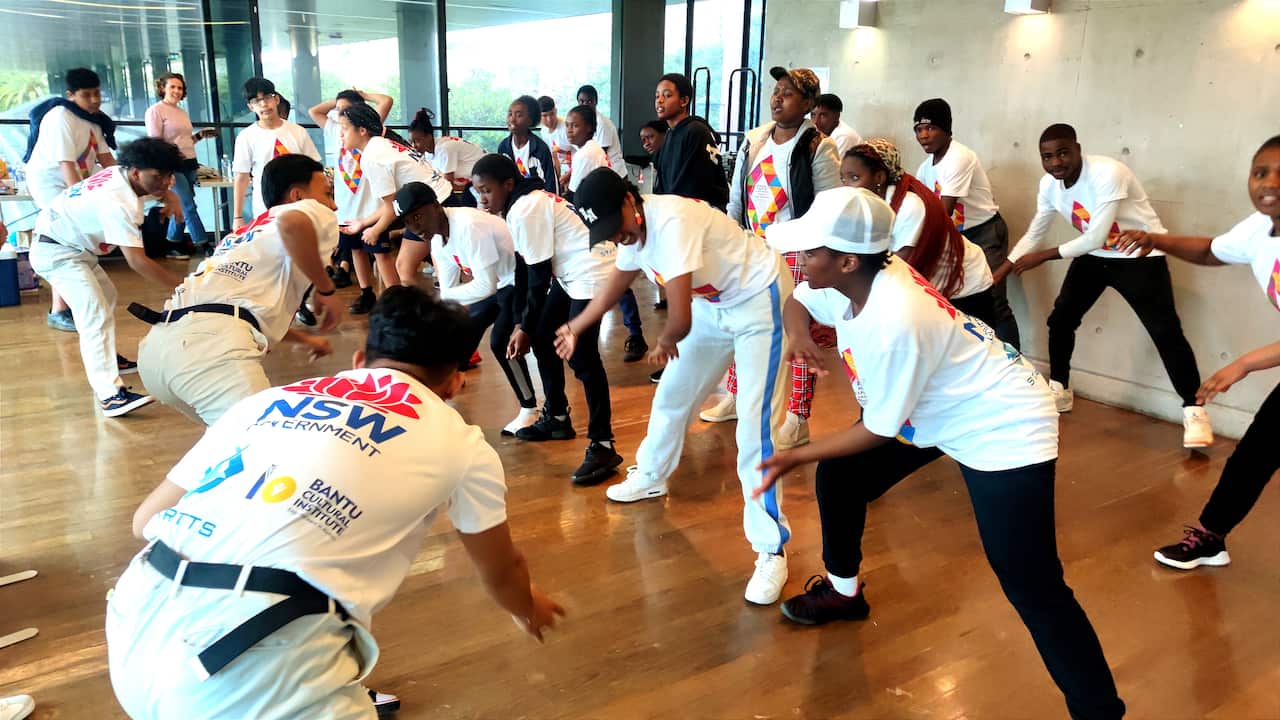
Project Bantu's desire of empowering young people was further strengthened during the 13th International Capoeira Angola Youth Encounter held in Sydney last September.
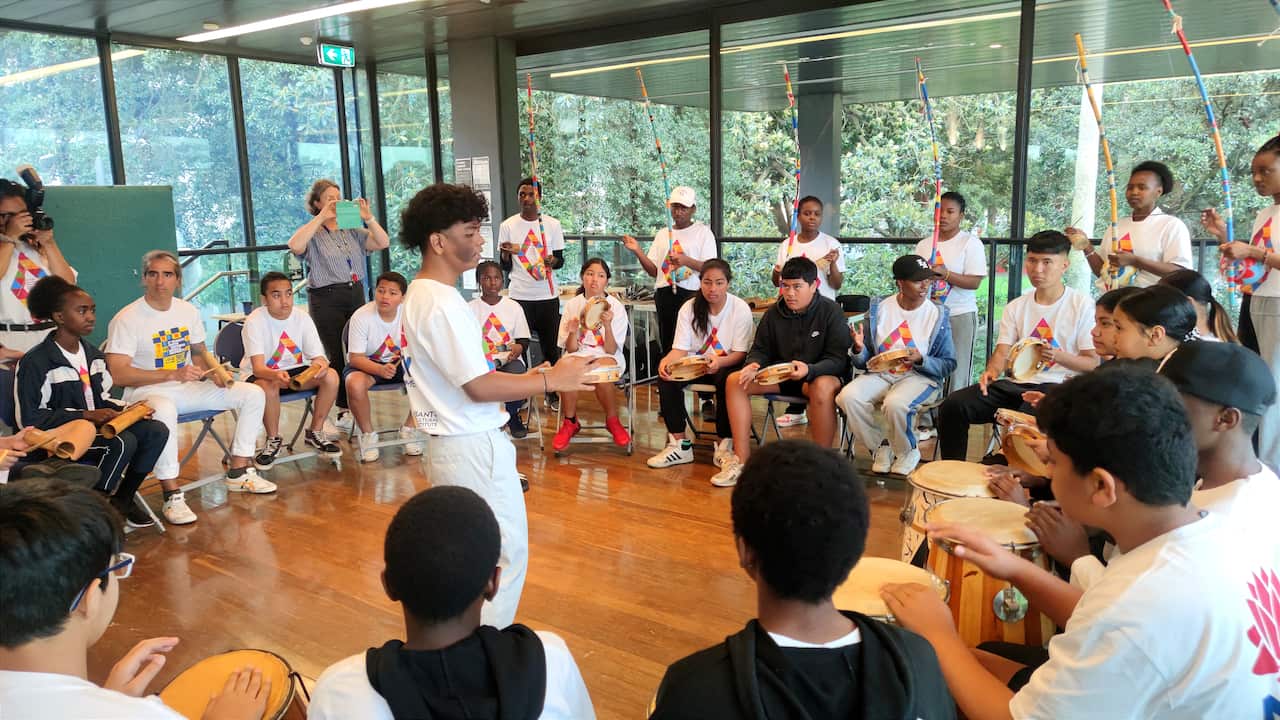
By teaching the art of Capoeira, a type of Afro-Brazilian art, and other impactful initiatives, the group is working to fight poverty and find other opportunities to improve the lives of vulnerable young people.
Empowering street children
In 2005, Jaime Benedicto started learning capoeira and through capoeira classes, he started a charity to help street children in Manila to have a different perspective in life and find opportunities to move away from poverty.
“While I was teaching one of my classes, some kids just happened to show up, they heard the music. These kids are begging on the streets in Makati."
"We found out more about their community, we learned they’re from the neighbourhood in San Andres Bukid. Eventually we went into their community and we saw the scale of the problems."
Seeing the magnitude of the problem the street children were facing, Benedicto realised that there is so much to do in addition to teaching Capoeira.
“It also means helping with jobs and giving them the information that they need, whether that’s financial literacy or reproductive health or how they can get jobs, job skills and connecting them with the right work opportunities.”
Youth leaders Rodolfo, Kenneth and Mark are only three of the hundreds of youth that Benedicto's group is helping.
"Capoeira helped me a lot and other children from our poor areas. It changed my behaviour. I used to be naughty and obeyed no one," admits Rodolfo, one of BANTU Philippines' youth leaders.
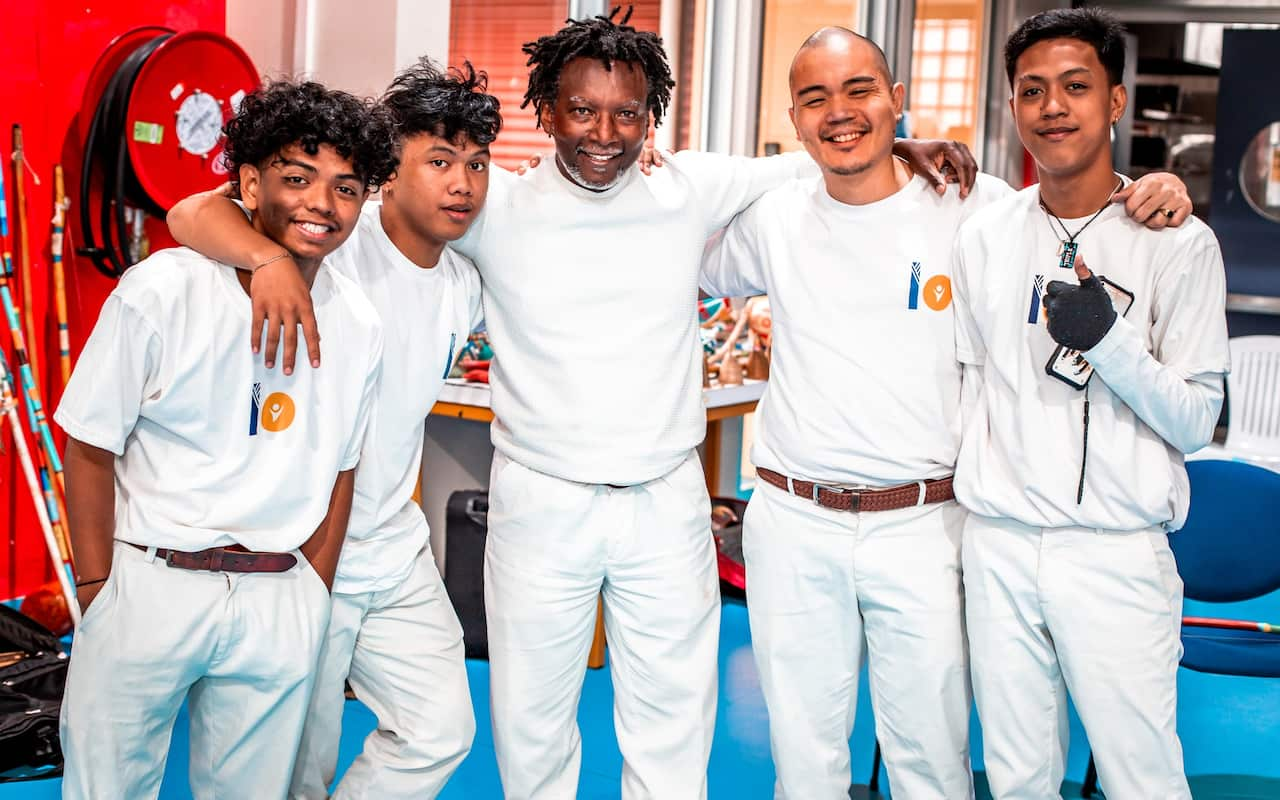
Kenneth's dream widened when he started attending capoeira classes and saw a different perspective in life.
"As time passes, I realised my horizon expanded. My dreams become bigger," says Kenneth.
"There was a massive change with my attitude. Before I was always aggressive and hurt others. But now, I would always think first before I take any action," shares Mark.
Connecting with other vulnerable youth
Through Project BANTU, Jaime Benedicto's group continues to connect with groups involved in the project, in particular with those vulnerable youth such as refugees in Sydney.
In the recent Capoeira Angola Youth encounter held in Sydney in Septembre, youth leaders Rodolfo, Kenneth and Mark share their experiences as street children and how their lives took a massive turn when they started capoeira.
“Now, I would always think of the consequences of all my actions and what will my future be," points Mark.
The three educators attest that with the right opportunities given to them, their lives can be changed.
For fellow young people, in particular refugees in Australia, Mark stresses how lucky they are of the opportunities at their hand and that "they should appreciate what they have."
BANTU Philippines' Executive Director hopes that as they continue their relationship with other Project Bantu members, they may be able to provide assistance to more Filipino youth, through life skills, job skills and others.
"We have also started with nutrition and our next big project is to establish community centres like those in Australia which provides free programs for communities," an optimistic Jaime Benedicto.