


Lunar New Year is tantamount to family and friends spending time together, but how might the celebrations be different if you are away from home during this festive season?
In the Philippines, it is called Chinese New Year where it used to be celebrated by only Chinese Filipinos and is centered in Binondo, one of the oldest Chinatowns in the country. But as times have evolved, there's now a large number of Filipinos partaking in the celebrations, enjoying as much tikoy as they can.
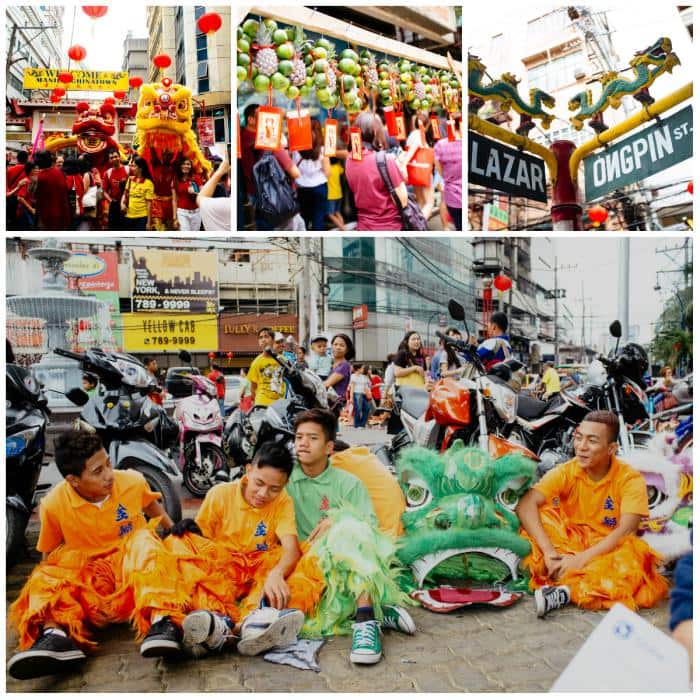
Half-Filipino-Chinese Ruth Genevieve Ong shares that her family celebrates the Chinese New Year at home through a simple dinner with steam fish and longevity noodles always part of the banquet.
"On New Year's Eve, usually, it's a simple family dinner. So merong mga steam fish, s'yempre yung mga longevity noodles para pampahaba daw ng buhay, fresh lumpia made by my lola," shares the University of Sydney student.
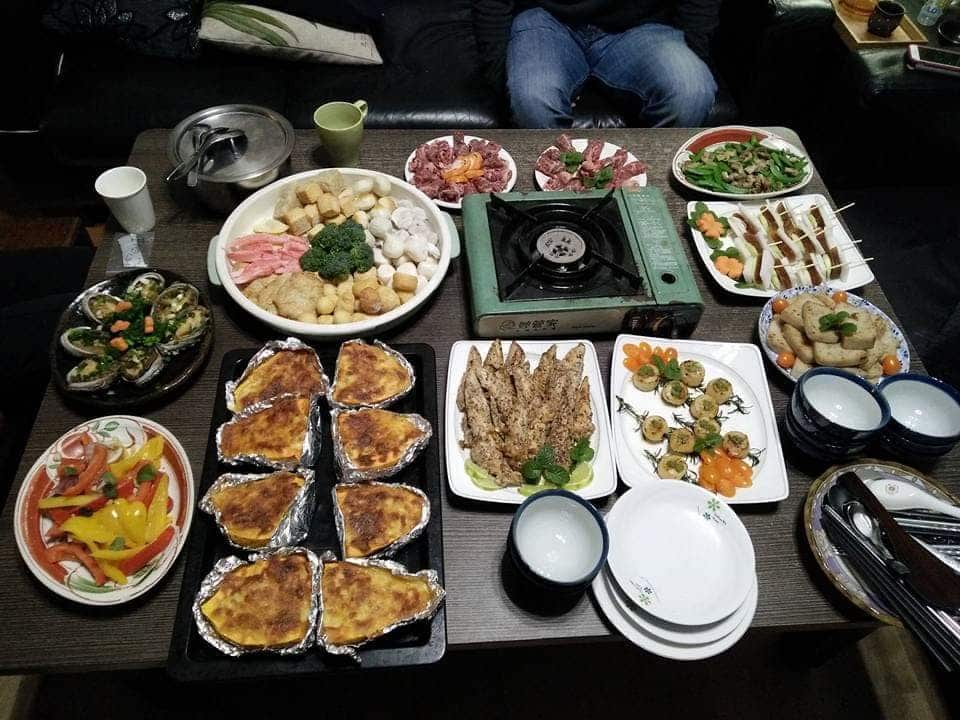
"Fruits in particular apples and oranges fill up the table too," adds Taiwanese-born Michelle Chen, who grew up and studied in Manila.
The two long-time friends, who moved to Taiwan after college, had also experienced the how Taiwanese celebrates the Lunar New Year and how it was different from what they were used to in the Philippines.
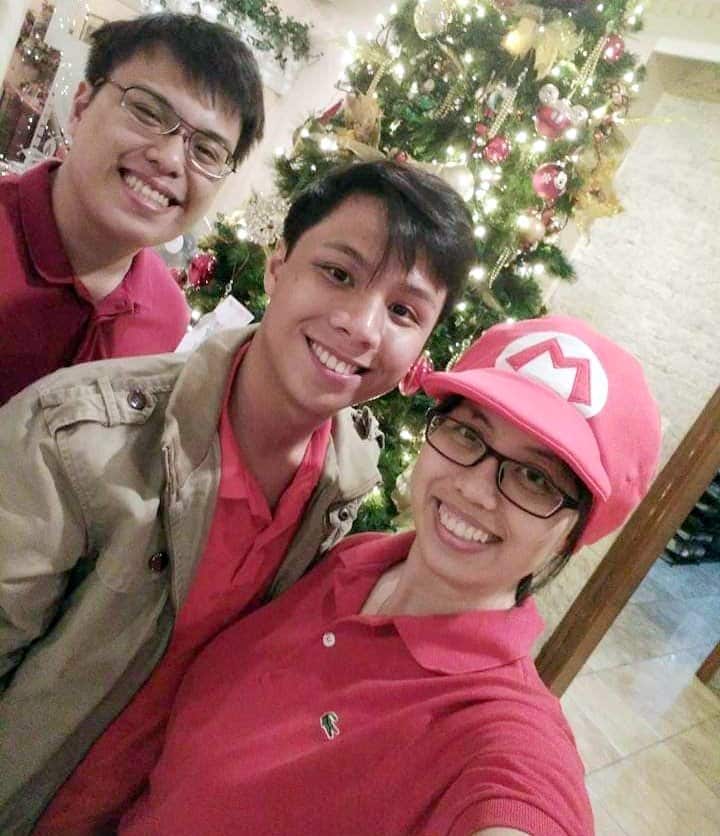
As family is central to the celebration, there is always abundance of food during Lunar New Year as it's one way of keeping families spend time together.
"I think the difference, first is, the length of the celebration. Usually kasi sa Pinas, one day lang. Sa Taiwan, umaabot ng 10 days 'yung celebration nila," points Melbourne-based student Michelle Chen adding most Taiwanese goes back home to celebrate the New Year with their families.
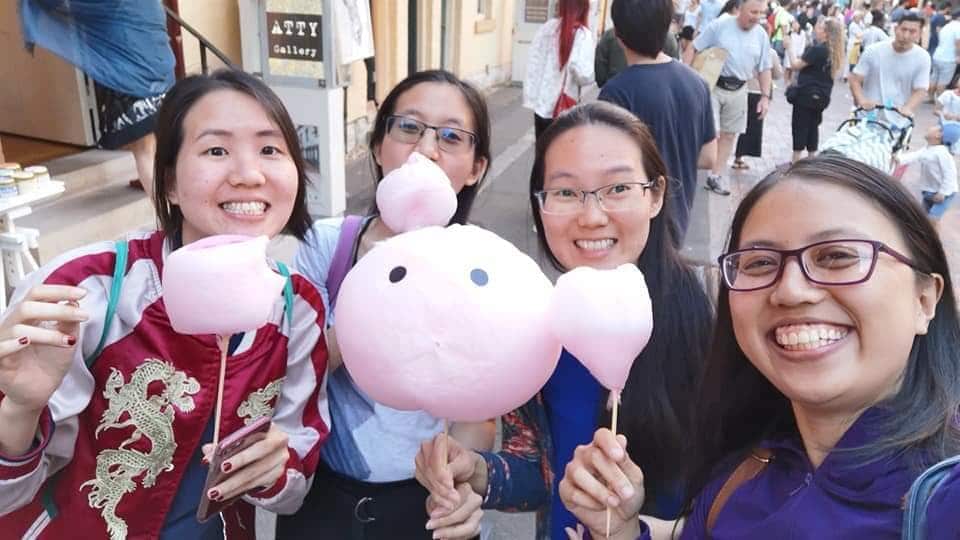
But moving to Australia almost two years ago, the two friends have yet to find special ways to celebrate the Lunar New Year although there are a lot of organised community and city events, being distant from each other and away from families and friends, the festivities of the Lunar New Year have to wait until they are back home with each of their families.
Also read





