
Listeners of SBS Greek shared their experiences of loneliness with honesty and openness: how they feel it, how they cope with it, and what helps them overcome it. Through their messages, they highlighted paths of optimism, solidarity, and practical suggestions for a reality that affects many people in modern life.
SBS is currently opening a broader conversation around the issue of loneliness. As part of this initiative, experts and specialists will join the discussion — but without ever setting aside the voices of our listeners, which remain an invaluable part of every dialogue.
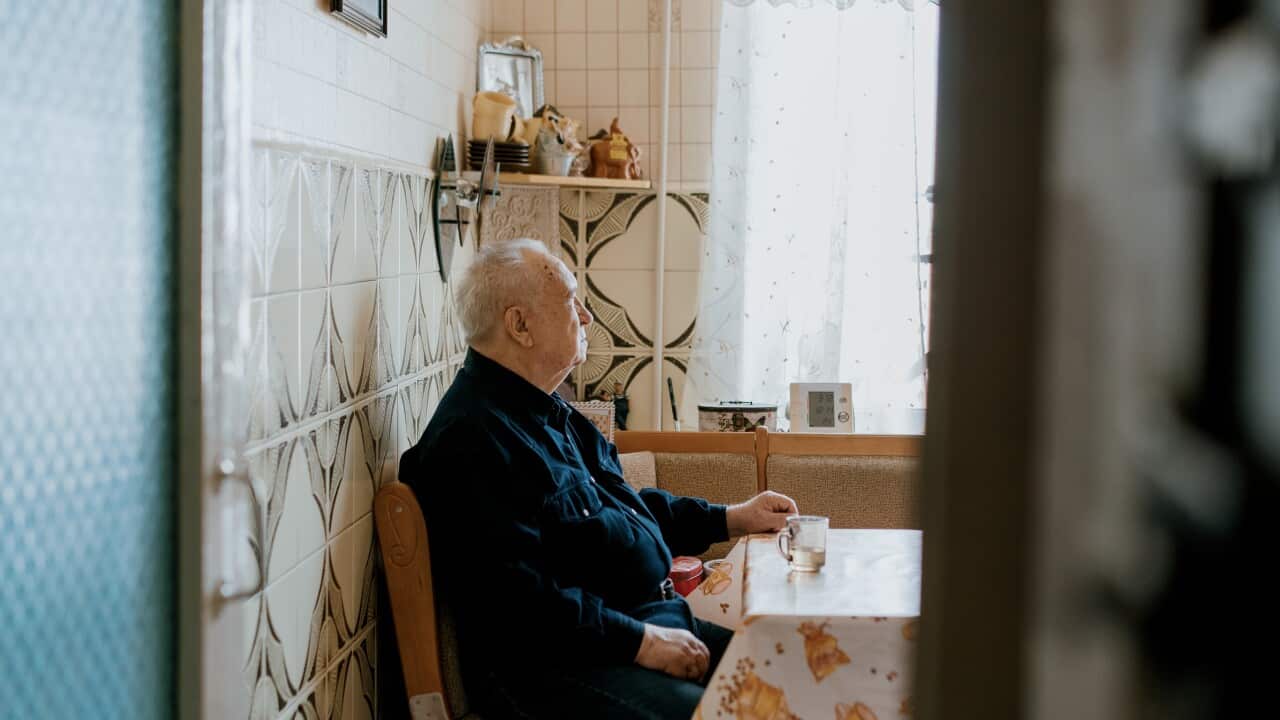
Loneliness is an experience that touches everyone — young and old, long-settled and newly arrived migrants, people of every background and cultural origin. It can manifest in many ways: from missing loved ones, to struggling to build friendships in a new environment.
Many questions arise. What does loneliness mean for each of us? How did we experience the adjustment when we first arrived in Australia? What could make our social interactions easier and more meaningful? And, of course, how does loneliness change with age — is it the same for a young person as it is for an older one?
These are difficult questions, but they are worth asking and discussing. It is the only way to understand more deeply an issue that affects more and more people around us.

Our listener Mr Dimitris from Heidelberg West in Melbourne emphasised that “the key is to stay active.”
“We need to take part in activities, especially those we enjoy. We must stay in touch with friends and family — even with a simple message. Join seniors’ clubs. Take up hobbies, something that brings us joy. I like football, despite my age. We can also adopt a pet. Most importantly, when we notice a problem, we should ask for help. Because if loneliness persists and we don’t address it, it may lead to other mental-health issues,” he told us.
Our listener Mr Nikos from Melbourne, sharing his personal view, said that “loneliness is the result of a person’s isolation and insecurity at a moment when they feel they haven’t managed to achieve what they tried for in life.”
“To prevent this, we need appreciation and respect for others — and to stay away from egoism and lies,” he noted.
Another listener, Mr Giannis from Sylvania in Sydney, described a deeply moving moment from an aged-care home in the Greek community. A husband visited his wife every day, staying by her side, even though she was completely incapacitated (in a vegetative state, according to his account).
When someone asked him, “Since she doesn’t understand you, why do you sit next to her all day, everyday?”, the husband replied: “She doesn’t understand me — but I understand her. I feel her. And therefore I am not alone.”
Mr Giannis from Brisbane told us that coping with loneliness requires first to “make peace with yourself.”
“Become members of clubs and community groups. Go to church — you’ll meet people there and have social interaction. I joined a Greek choir and we have a wonderful time with our group and our songs,” he said, adding: “In the choir I’ve been renewed — I’ve discovered a different world. I’m so happy.”
From Melbourne, Ms Afroditi — who now lives in an aged-care home — told us that “loneliness is not good; we all know that,” and she offered the following advice:
“Always keep a book nearby — reading helps. Call friends and acquaintances. And go to events and music concerts.”
She also shared that “SBS Greek has been my best companion for many years — especially in these recent years when I’ve been a bit isolated.”
The audio provide in in Greek.