


A nationwide survey by Headspace, the National Youth Mental Health Foundation, found that over half of young Australians have fallen victims to cyber bullying.
The groups most at risk were young women between 15 to 17 and people of school age.
Cyber bullying can have a severe impact on a young person’s mental heal according to Nick Duigan, Senior Clinical Advisor at Headspace National.
"Just one exposure, for example let’s say one hurtful comment, or really impactful rumour, or an image that’s shared online. That might only be once but that can be shared, distributed and seen by an infinite number of people almost instantly,’’ Mr Duigan said.
Mr Duigan offers some advice on steps parents and young people can take to combat cyberbullying says it shouldn't be part of modern life and offers some advice:
"There has to be a community stand against this. The sorts of things that individuals can do: report the abuse of the platform on which it occurred, collect evidence, delete the abuse or block the person, get immediate support, definitely don't carry it alone. If you're not getting an appropriate response from the platform report the incident to the eSafety Commissioner and they have take-down powers.’’
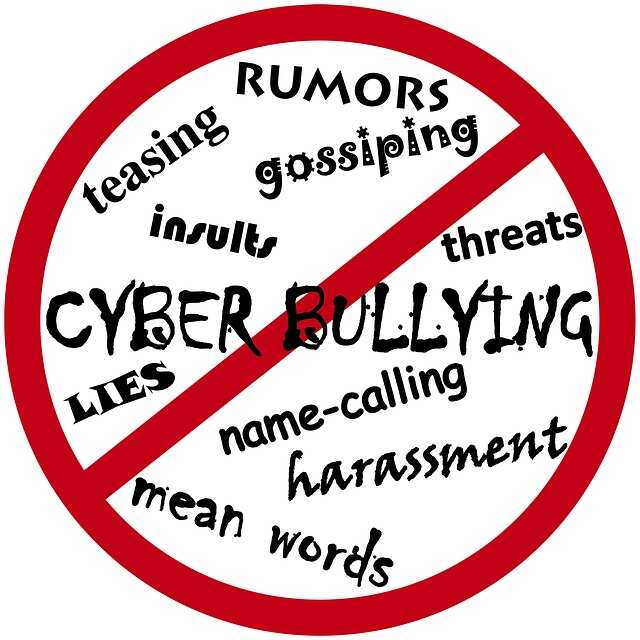
Social support crucial for mental health
Ann Gallagher is on the Headspace Family and Friend Reference Group.
Her daughter was cyber-bullied when was she was 15 and her mental health started to suffer. The situation improved when Mrs Gallagher listened to what her daughter said and took her to a new school where she felt safe.
Ms Gallagher has this message for other parents in a similar situation.
"Listen to what they're saying. I know that sometimes it's really easy to get caught up with what's happening and the situation you're in. But making the child feel important and validated with what they're going through is probably the bigger focus rather than the cyber bullying."
Social support, such as that of Ms Gallagher to her daughter, is particularly important in this situation.
Research by Dr Larisa McCloughlin, a postdoctoral fellow at the Sunshine Coast Mind and Neuroscience Thompson Institute at the University of the Sunshine Coast shows that social connectedness is closely linked to mental well-being,
"The more socially connected young people feel then the more likely they'll have positive mental health outcomes. Social connectedness can act as a protective buffer when young people are cyber-bullied. Those that are more socially connected will have more positive mental health outcomes even if they are cyber bullied," said Dr McCloughlin.
These could be face-to-face connections with friends, family, teachers but they could also be online.
If you or a young person you know is experiencing cyber bullying you can visit the eSafety commissioner website for more information.
You can also call the Kids Helpline on 1800 55 1800 for support at any time.