
R U OK? Day is nearing a decade of national suicide prevention awareness. This year, the campaign aims to help people ask the question more often, and deal with the answer.
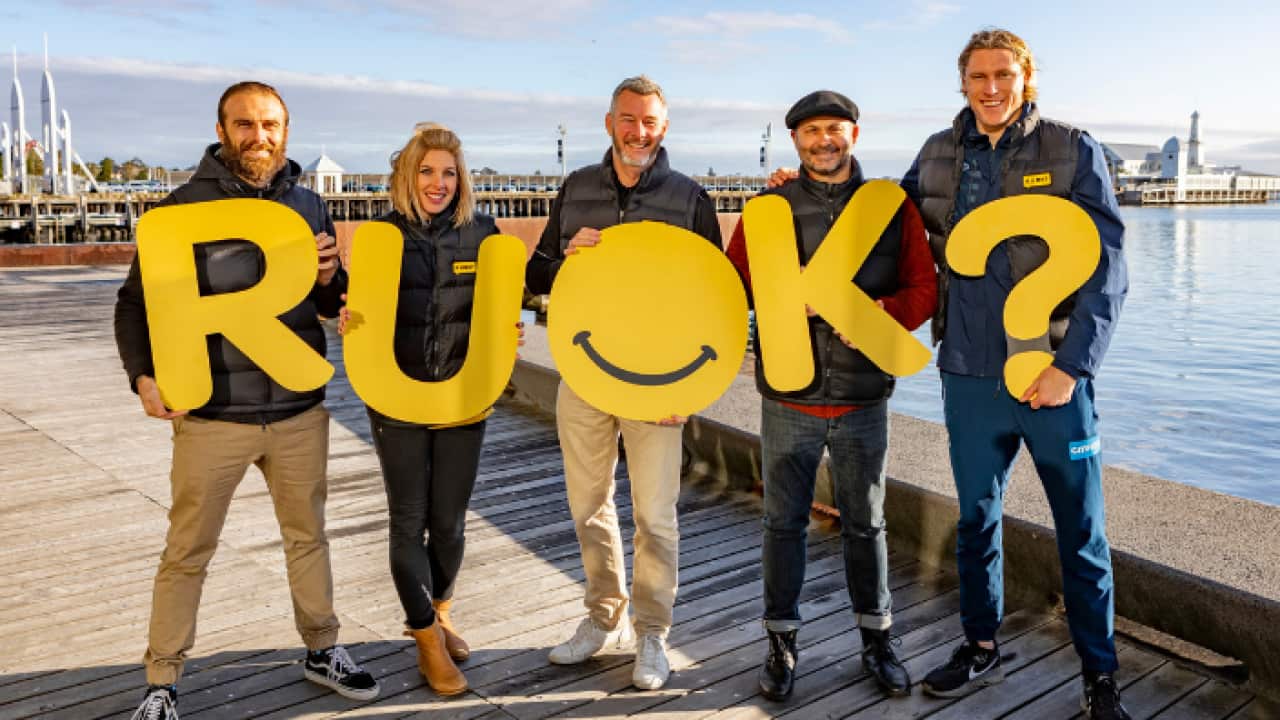
On a six-week journey around the country, the R U OK? Conversation Convoy has traveled through 25 regional communities from Darwin to Devonport. Their goal is to show Australians that every day is a day to ask, “Are you OK?” and equip people with the skills to navigate a conversation if someone says, “No, I’m not OK”.
"We know Australians are aware of the ‘R U OK?’ Question,” campaign director Katherine Newton told SBS Greek. “We are now working on making people feeling confident when they expect to hear ‘No I'm not OK’ as an answer".
What is R U OK?Day
R U OK? Day was founded in 2009 by the late Gavin Larkin, an advertising executive who lost his father to suicide in 1995. He wanted to spare other families the grief his own endured.
Now in its 10th year, Larkin’s idea has become R U OK? Day - a national movement about suicide prevention. The R U OK not-for-profit organisation aims to inspire everyone to connect with people around them and support those struggling with life.
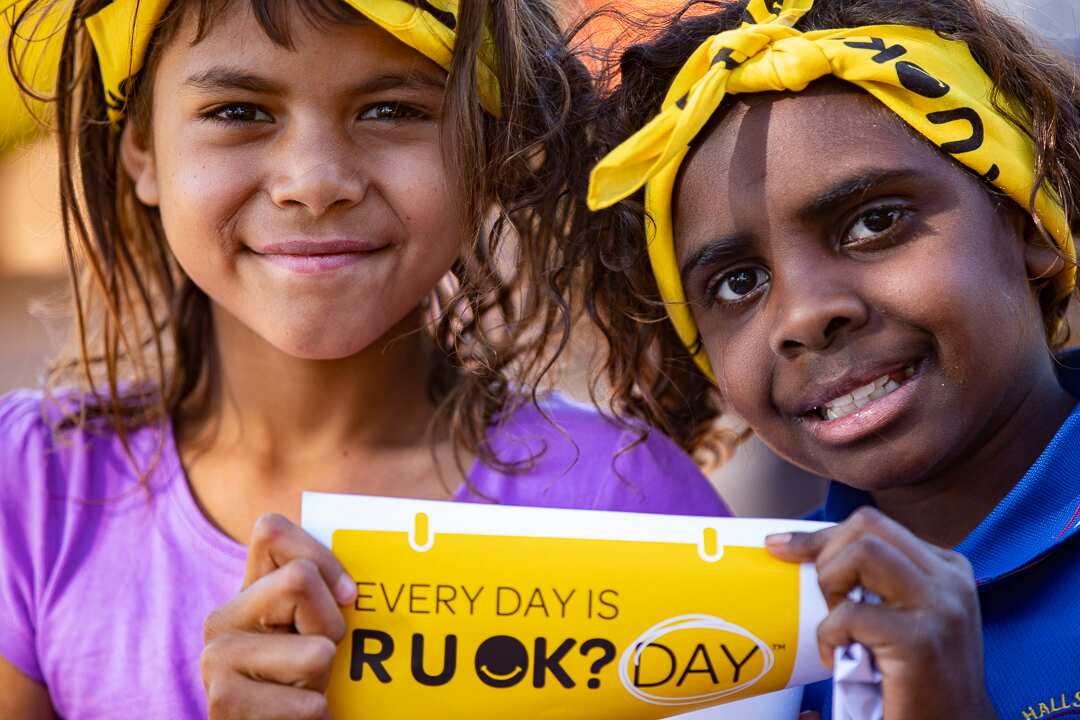
“With around eight people taking their lives in Australia each day, and many more attempting, there’s still so much work to do,” Katherine Newton said.
Earlier this year, an R U OK? survey of 1,030 Australian adults revealed that 57% of Australians wanted someone to ask them if they were OK, while 52% thought about asking someone, but didn’t.
“Going forward, we want our statistics to reflect that the majority of Aussies are asking the question anytime they spot the signs that someone they care about is behaving out of the norm,” Ms. Newton said.
What to do if someone says "No, I am not OK"
By starting a conversation and commenting on the changes you have noticed, you could help that family member, friend or workmate open up.
“Each of us can be there for someone struggling with life by following R U OK?’s 4 Steps and pointing people to available help," Ms Newton said. "If they say they are not OK, you can follow the conversation steps to show them they’re supported and help them find strategies to better manage the load.”
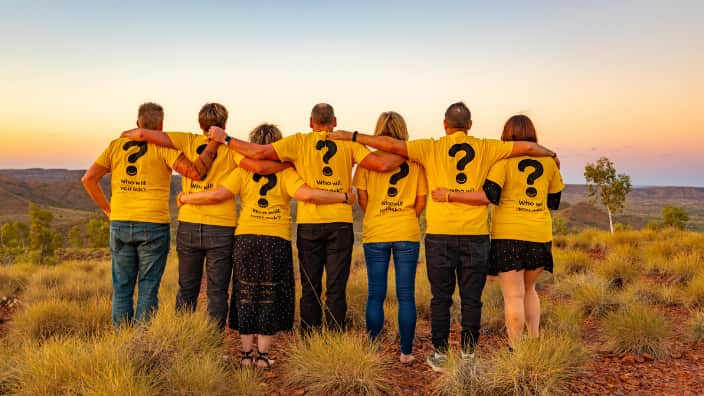
The R U OK 4 Steps that could change a life
- Ask: Before you can look out for others, you need to look out for yourself. Be ready, be prepared and pick the moment.
- Listen: Don't interrupt, don't judge, encourage them to explain
- Encourage Action: If they've been feeling really down for more than 2 weeks, encourage them to see a health professional. You could say, "It might be useful to link in with someone who can support you. I'm happy to assist you to find the right person to talk to". Be positive about the role of professionals in getting through tough times.
- Check in: Call them in a couple of weeks. If they're really struggling, follow up with them sooner. Ask if they've found a better way to manage the situation. If they haven't done anything, don't judge them. They might just need someone to listen to them for the moment. Stay in touch and be there for them.
"We are all going through life challenges. Keep your eyes and ears open for people struggling with life,” Ms Newton said. “Every day is a day to ask ‘R U OK?’".
R U OK Day will be held on September 13, 2018.
Follow SBS Greek on Facebook
Listen to SBS Greek Podcasts here