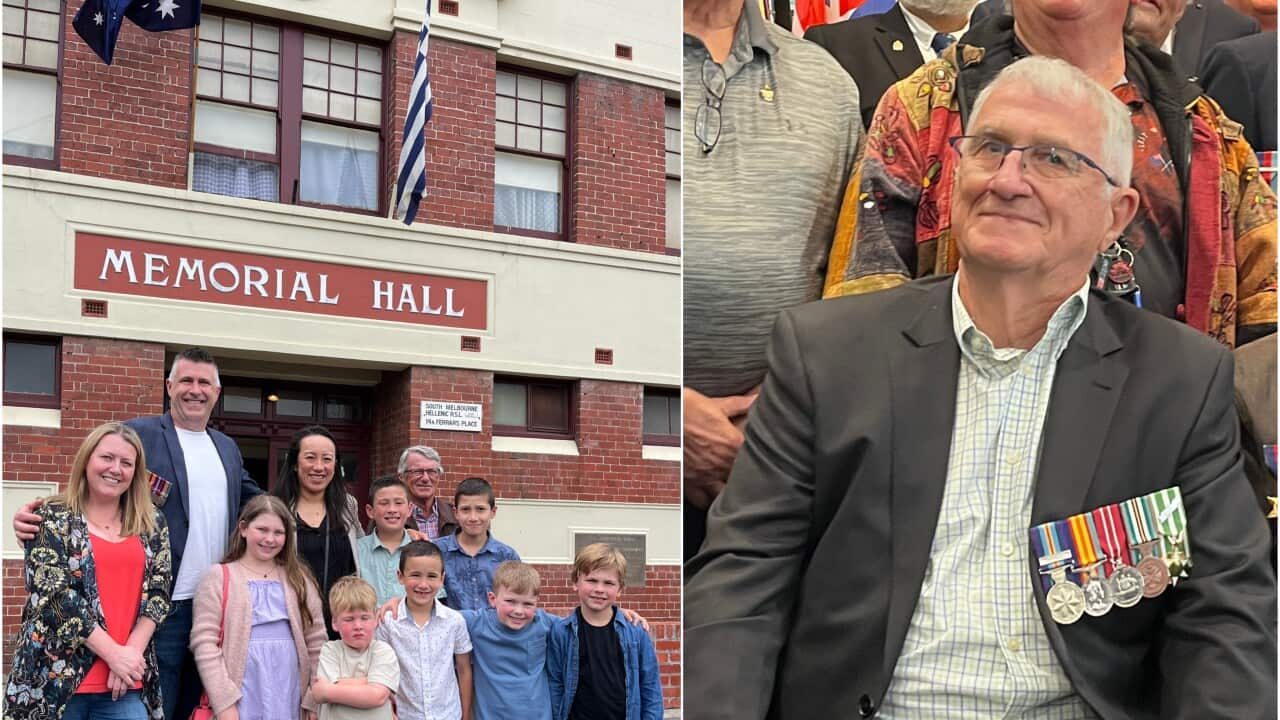

In 2023, one of the most important events for the Greek community of Melbourne was held in November. SBS Greek was there and spoke with Michael Byrne, son of the late Australian veteran Kevin Byrne
It was Sunday the 26th of November at the Hellenic sub-branch of RSL, when the Greek Government via the Greek Consulate General awarded medals to 40 Australian veterans who fought in Greece in the Second World War, specifically the period 1940 - 1941.
SBS Greek met with Michael Byrne, son of veteran Kevin Byrne and shared his father's story:
"My name is Michael Byrne and my father was Kevin Byrne.
He enlisted in 1940 and he was in Greece for Easter of 1941.
He was probably in Greece only for six days.
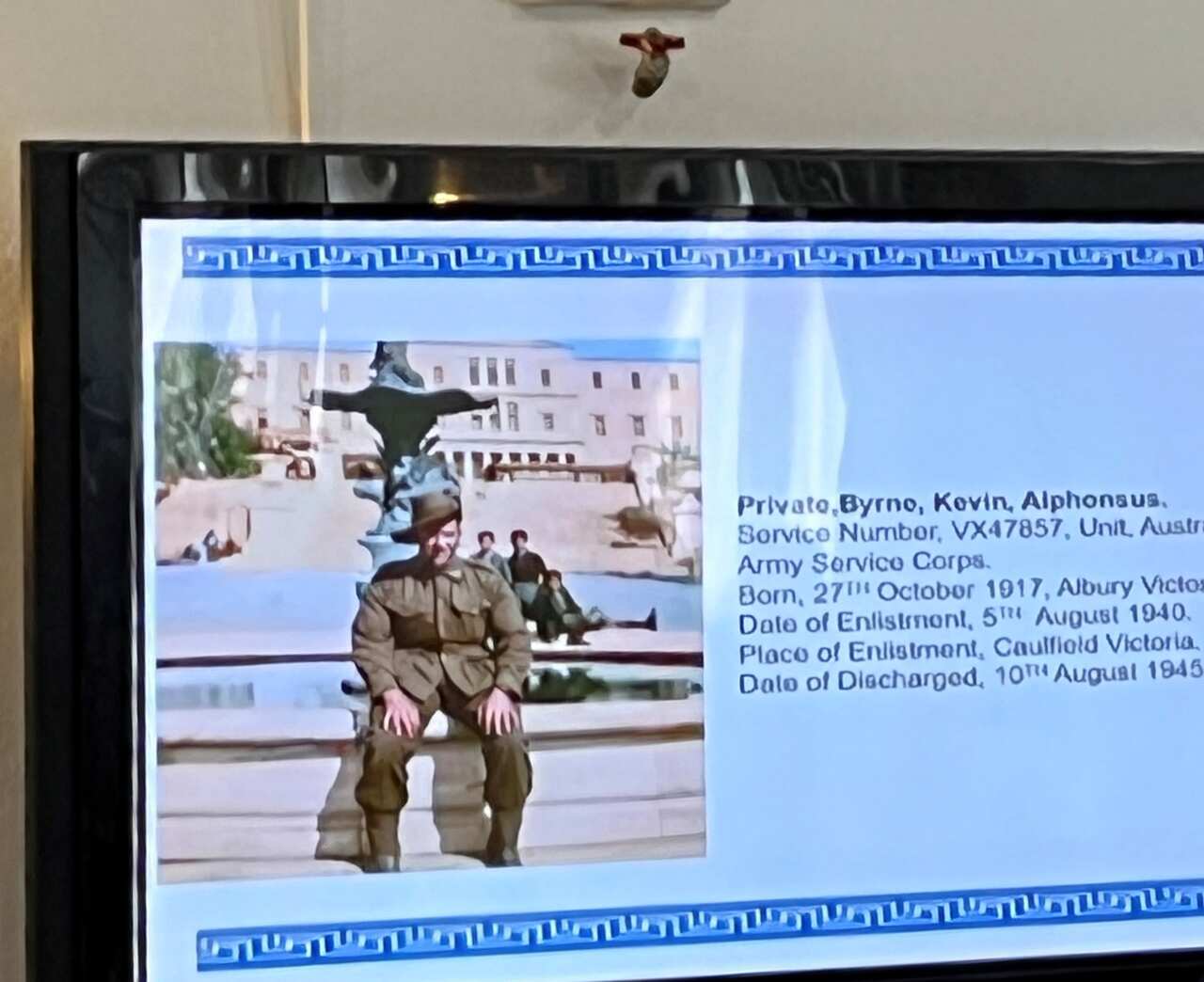
The first day he thought that he was on leave and he spent a day in Athens.
It was one of the most enjoyable days of his life, he told me.
He had his photo taken by somebody in the street for a few drachmas.
He had to come and pick up the photo at four o’clock.
When he got there at four o'clock, he never expected anybody to be there.
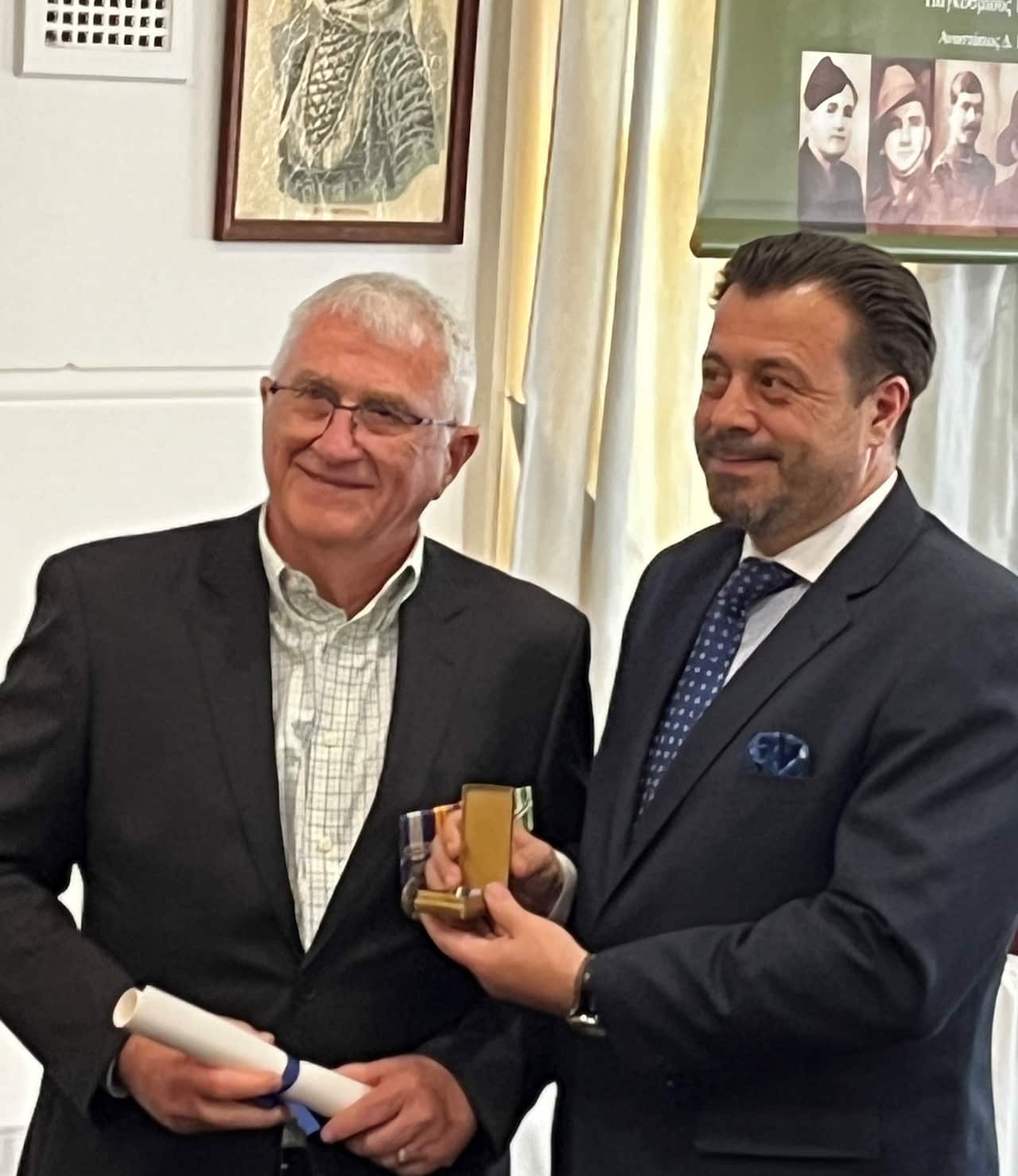
But there was this young man and he had his photo.
That was the photo that was on the screen today [at the Hellenic RSL event].
That very night the Allies were told to get out of all parts of Greece and get down to Kalamata to be evacuated.
He was there two or three nights, I believe, and they were bombed by German ‘Stuka’ airplanes and they were trying to get soldiers off the beach every night.
I think they only got them off the beach for maybe two nights and those who did get off the beach were dropped off at [the island of] Crete and so they had to go through the whole thing again.
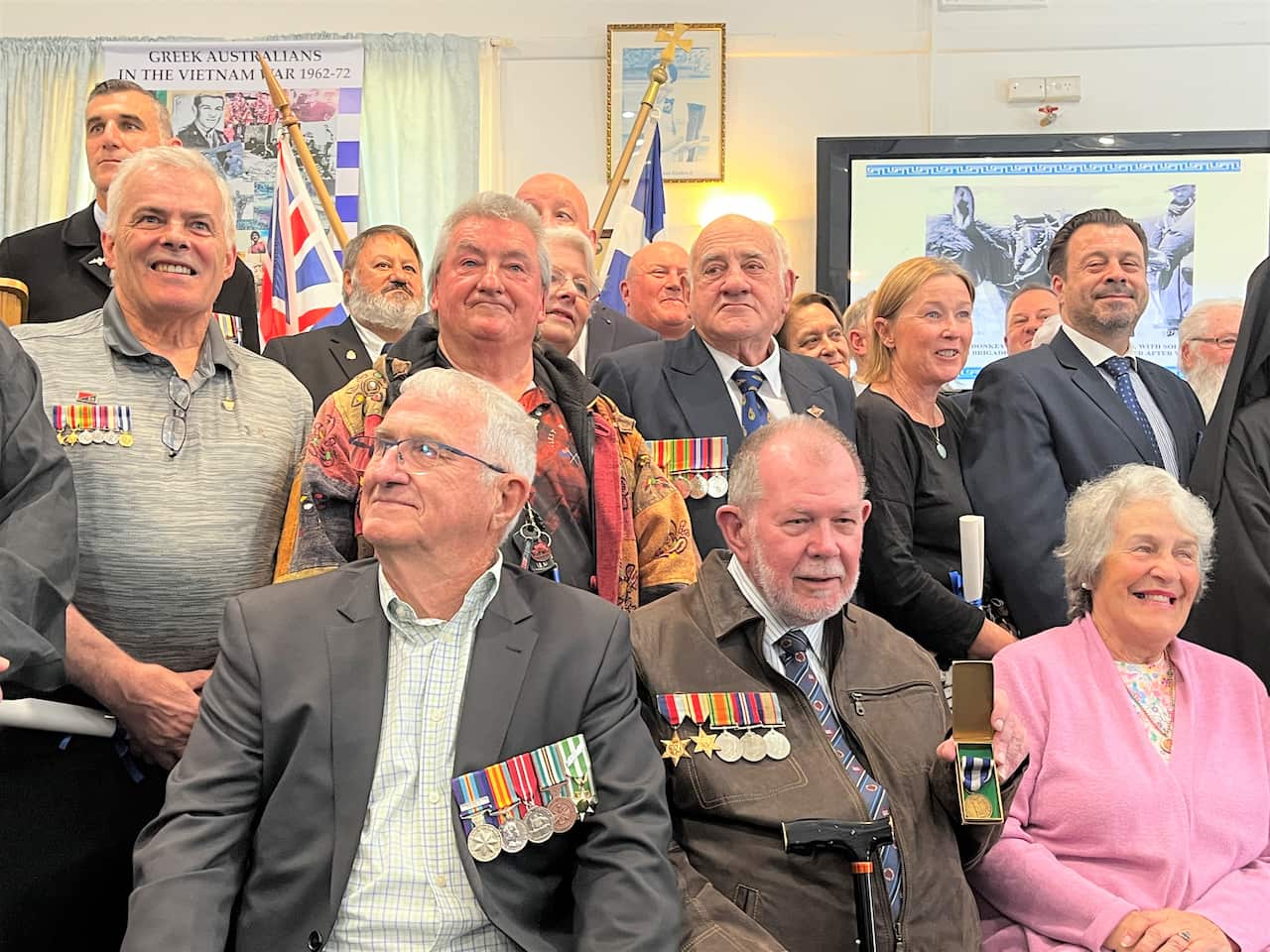
And of course, as we know, so many of them died, a few of them made it and they came back to Australia and ended up fighting in New Guinea.
My father's memory of Greece was very strong even though he was only there for seven weeks.
During that time, he experienced a lot of hardship as did all the soldiers because they were taken to the Corinth Canal.
There was taken by the Germans to an old Greek army camp.
They were held there for about six weeks; it was quite difficult.
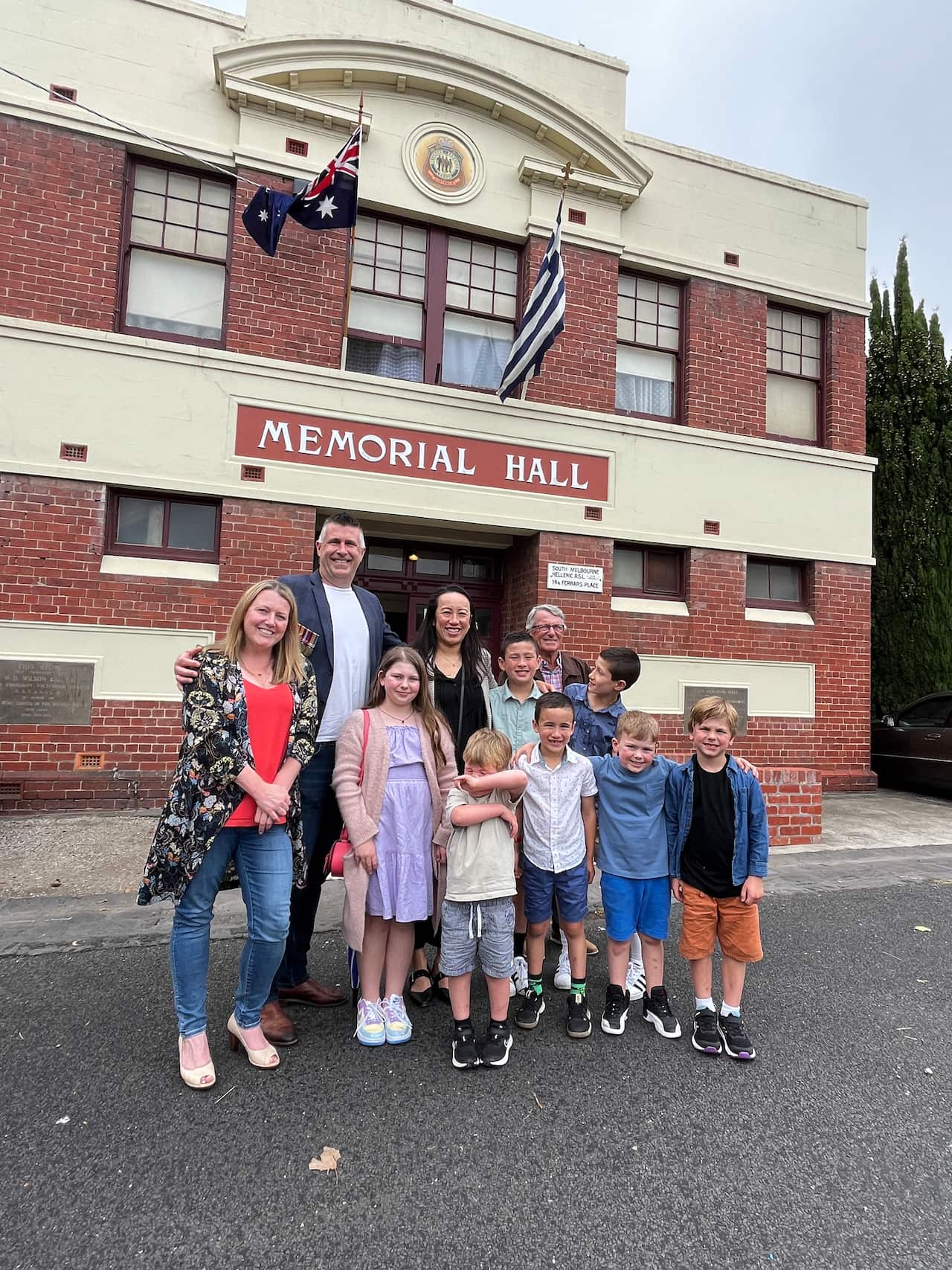
My father told us that they had to strip down, take off all their clothes, march through the streets, and be sprayed with a chemical to get rid of lice.
He found that very embarrassing.
But at the same time, they were Greek people, local people, who were offering food and anything that they could to make the hardship of these prisoners go away.
My father served as a Prisoner of War for four years and nine days.
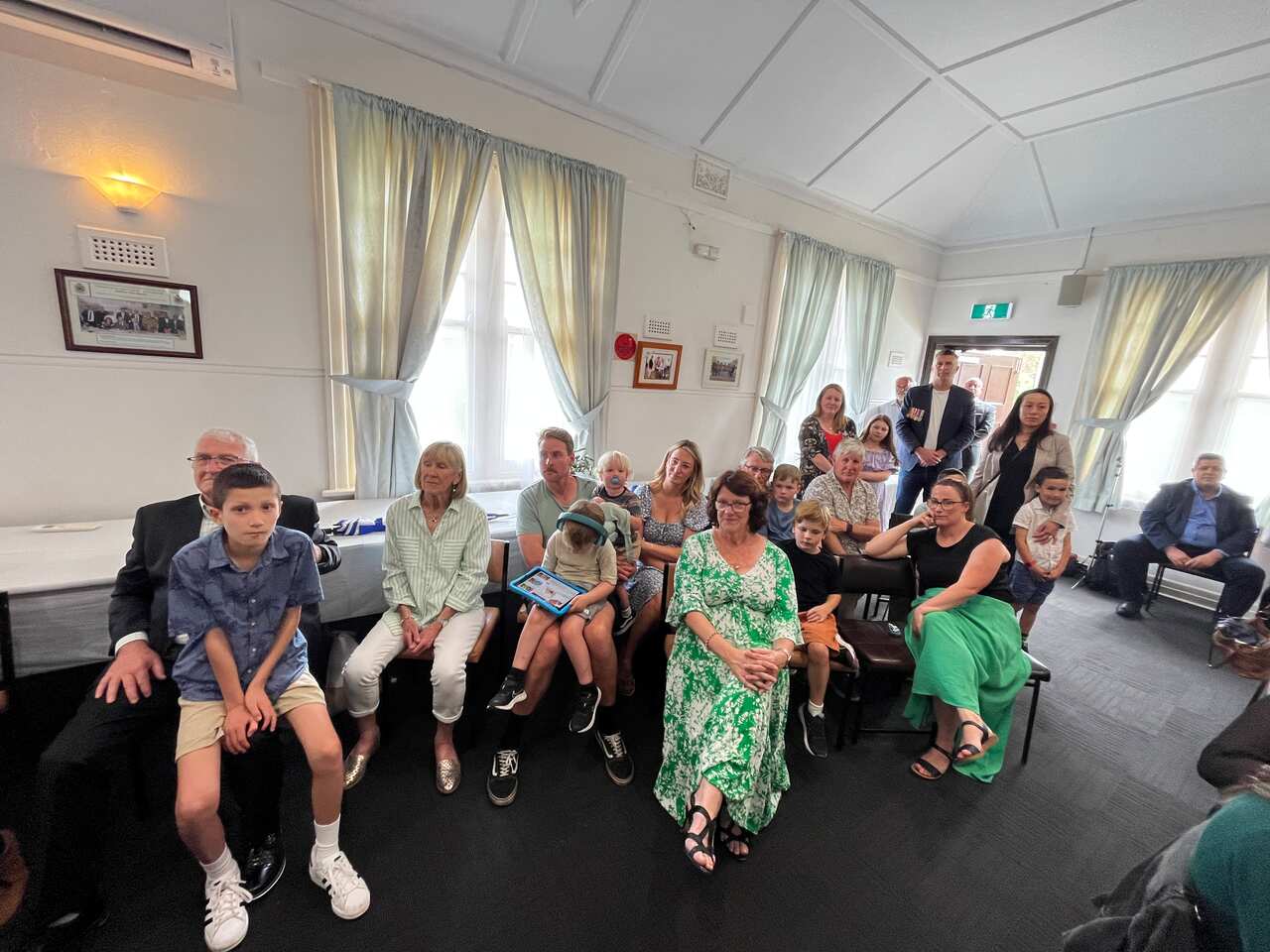
As he grew old in his later years, he liked nothing more than to go down to the shopping centre, the shopping mall, and he was seeking out Greek men of his age and who would find them and sit down while their wives were going off shopping.
And if these men came from Kalamata, he thought ‘Here we are’.
He enjoyed those few years and those memories, but it was interesting as he grew up to become a very old man that his memories went back to the people of Greece."