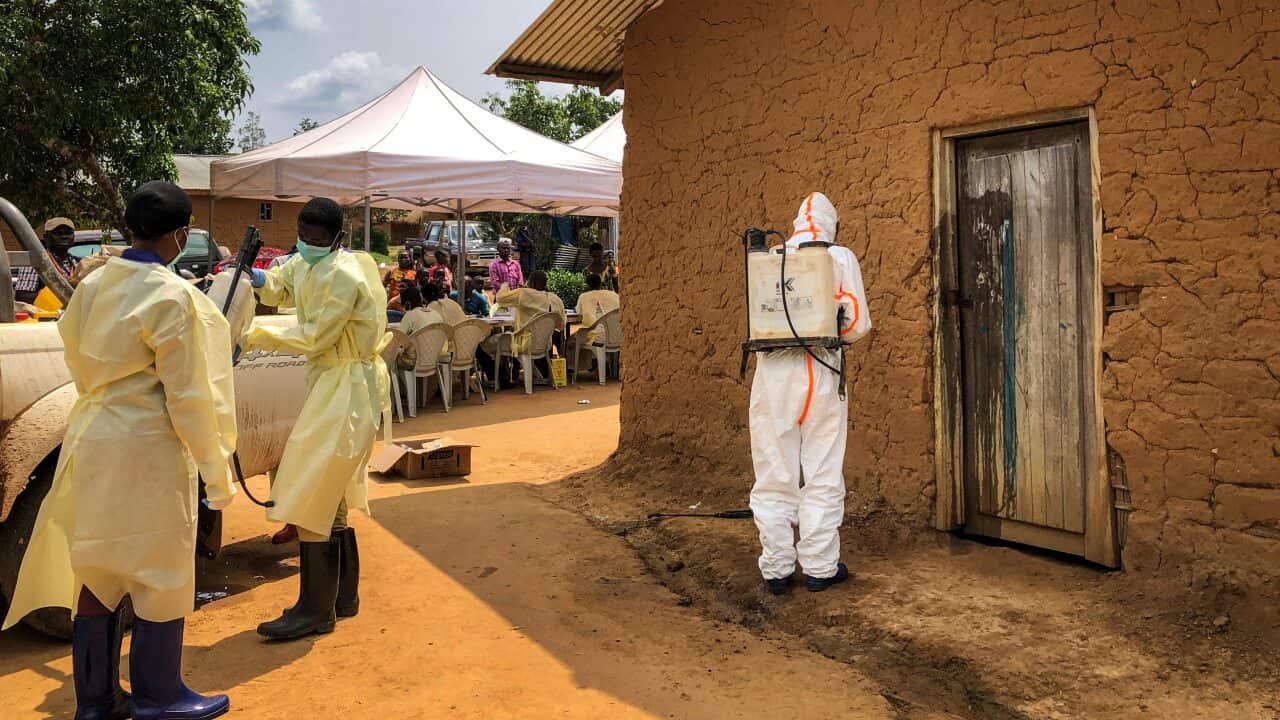

The World Health Organisation is sounding a global alarm for the Democratic Republic of Congo, as for the past 11 months the country has been fighting a battle against the Ebola virus. Despite efforts, the virus is proving difficult to combat and is now threatening to expand to neighboring countries.
Sounding a rarely used alarm, the World Health Organisation declared the Εbola crisis in the Democratic Republic of Congo a public health emergency.
So far, the outbreak has infected more than 2400 people and killed over 1,600.

Despite a highly effective vaccine and a swift international response after it appeared 11 months ago, the outbreak has proved tenacious in an unstable region beset by violence.
This month a religious minister died after travelling to Goma, a city of 2 million people and a gateway to other countries in the region.
Yesterday, the WHO declared the Ebola virus disease outbreak in the Democratic Republic of the Congo a Public Health Emergency of International Concern. This is the highest level of alarm the United Nations health agency can sound and has only been used four times previously.
The suggestion was made by the International Health Regulations Emergency Committee for EVD in the Democratic Republic of Congo.
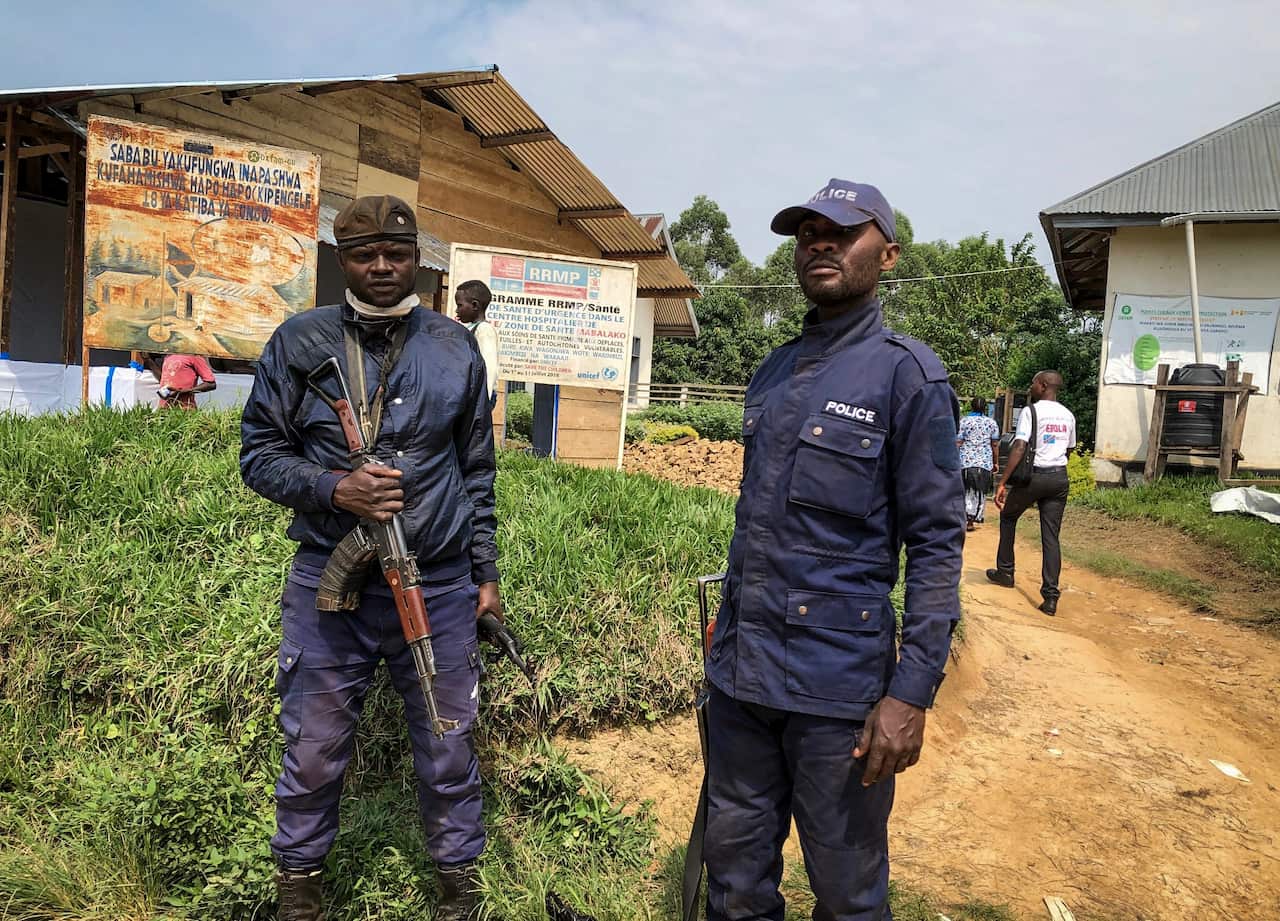
"First, there is concern about spread of Εbola from Goma, a gateway, even though so far no cases were newly infected in this city,‘’ said the Committee’s chairman, Dr Robert Steffen, while adding: ‘’Second, there is disappointment that there has been a recurrence of intense transmission in Beni, so that the geographical expansion is now some 500 kilometers. The fight is ongoing for a full year now. And lastly the assassination of two Εbola workers demonstrates the continued risk to responders due to the security situation."
Experts in the field hope the decision to declare an emergency drives more political action and greater international funding to stop the epidemic.
People can be infected when they have direct contact through broken skin, or the mouth and nose, with the blood, vomit, faeces or bodily fluids of someone with Εbola.
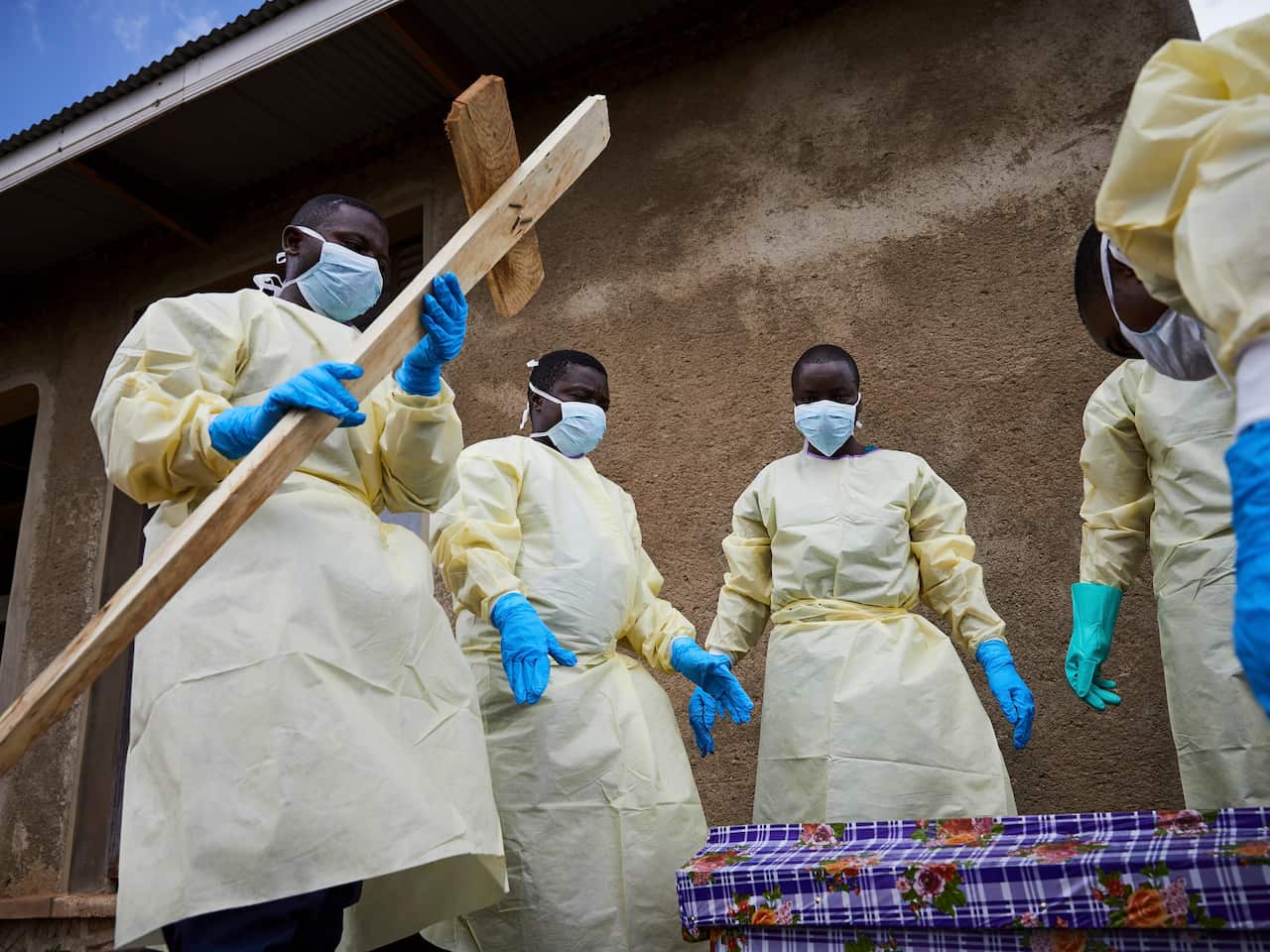
The WHO's Dr Adhanom Ghebreyesus says there should be no restrictions on travel or trade, and no entry screening of passengers at ports or airports outside the immediate region.