A leading language lecturer has told SBS Hindi that a move by Labor to prioritise the teaching of India's most popular language in Australian schools was a step in the right direction.
Labor on Thursday pledged to increase the number of Australians studying Asian languages if it won the next federal election.
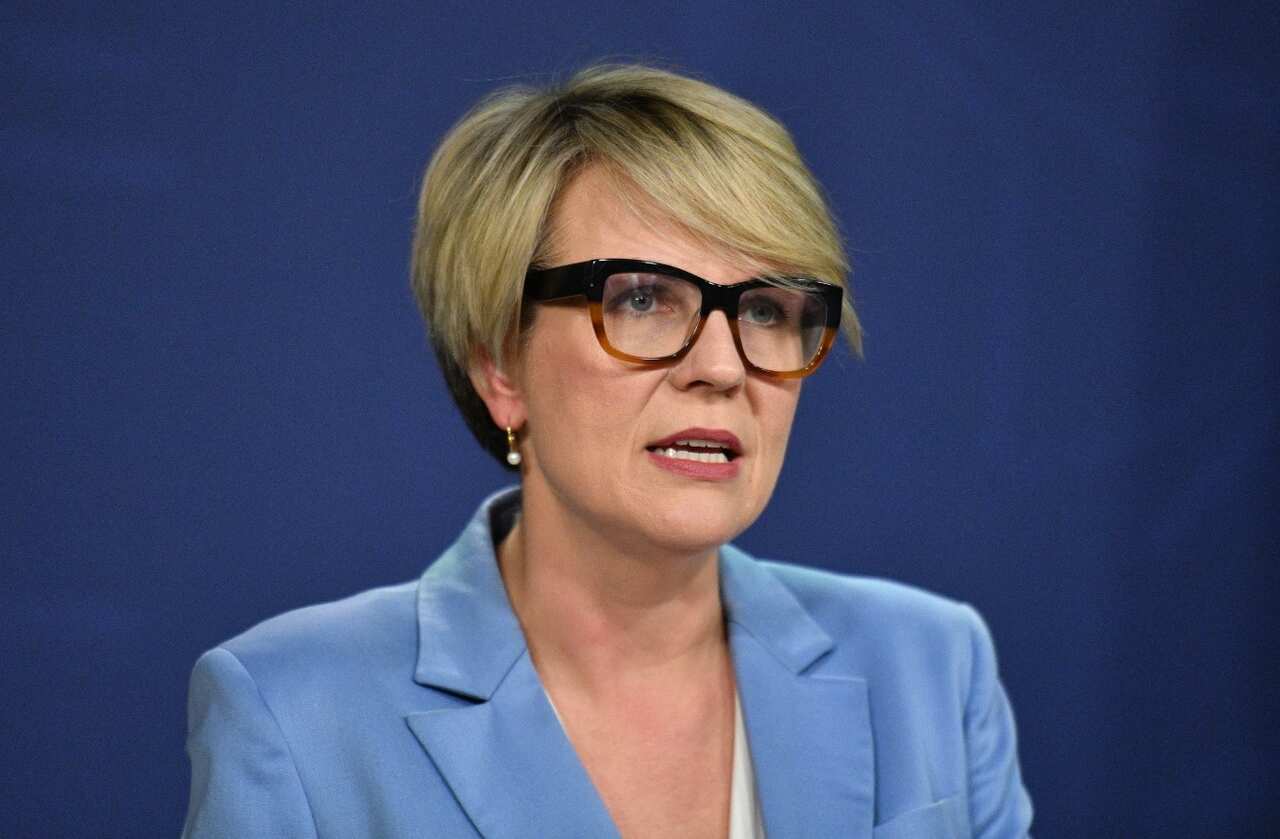
Opposition education spokeswoman Tanya Plibersek said the proportion of Year 12 students studying Asian languages had stagnated in recent years.
The party pledged to invest $32 million to boost Asian language literacy in schools, with an eight-point plan which prioritised the teaching of India's most widely spoken language, Hindi.
“It's disturbing to think that fewer Australian students are studying an Asian language now than there were just a few years ago and there are fewer now than there were decades ago,” she told SBS News.
"We have set money aside to do up to 100 scholarships a year for Australians who are Asian language native speakers, or who have done really well in high school in priority Asian languages.
"We will then get them to go on and study a teacher qualification."
Lecturer of the Hindi language at La Trobe University, Dr Ian Woolford, said it was definitely the right call by Labor.
"Without question, Hindi one of the most widely spoken languages in the world, and the most widely spoken language in India," he told SBS Hindi.
"If Australia wants to have any meaningful relationship with India beyond the superficial level, then we need to take language training seriously in Australia - in Hindi and other Indian languages."
Dr Woolford said the move towards Hindi would have far-reaching benefits for Australia.
"Hindi and several other Indian languages, including Gujarati and Punjabi, are some of the fastest growing languages in Australia," Prof Woolford said.
"In India itself there's a huge misconception that knowing English is enough to conduct a meaningful relationship with India, and that's just simply not the case at all. English is spoken fluently by 20 percent of India's population, and even with people who understand English well, if you want to get the nuances of things, you need to know Hindi.
"If you want to understand jokes and go beyond the surface. It makes all the difference in the world to demonstrate some familiarity with the mother tongue with the person you're engaging and doing business with."
Ms Plibersek said the Australian economy could benefit from the plan.
"It's very important for the Australian economy that we have students that are Asia literate and are prepared to make the most of the opportunities that the Asian century offers us," she said.
The languages plan includes training principals and senior teachers to update the school curriculum, boosting scholarships to study language teaching and improving school curriculum materials.
The Labor pledge was given the thumbs up by the Federation of Ethnic Communities Councils of Australia, who said it was an "important step in improving the quality and scope of language education".
“FECCA also believes that Australia should make the most of the educational resources made available via the huge numbers of people in Australia who are already multilingual," FECCA spokesperson Mary Patetsos said.
“We need to see our political leaders fund community language schools and ensure responsive language services, as part of an integrated national policy framework.”