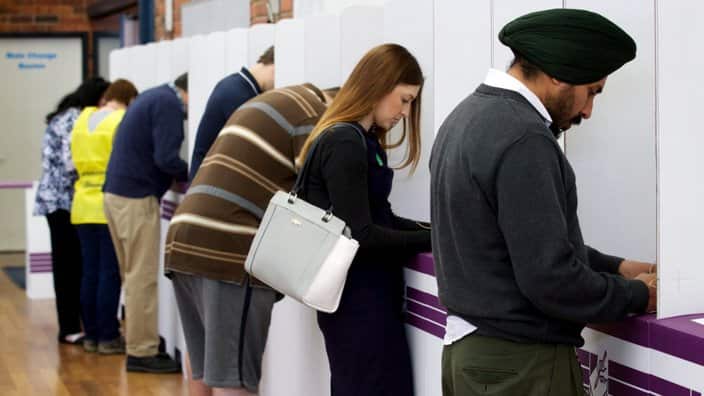
Australia goes to polls on May 18th 2019. Voting is compulsory. All Australian citizens aged 18 years and older must vote to elect people to represent them in the two houses of the Commonwealth Parliament – the Senate and the House of Representatives.
Failure to vote at a federal election without a valid and sufficient reason is an offence under section 245 of the Commonwealth Electoral Act 1918 and requires the voter to pay the $20 penalty.
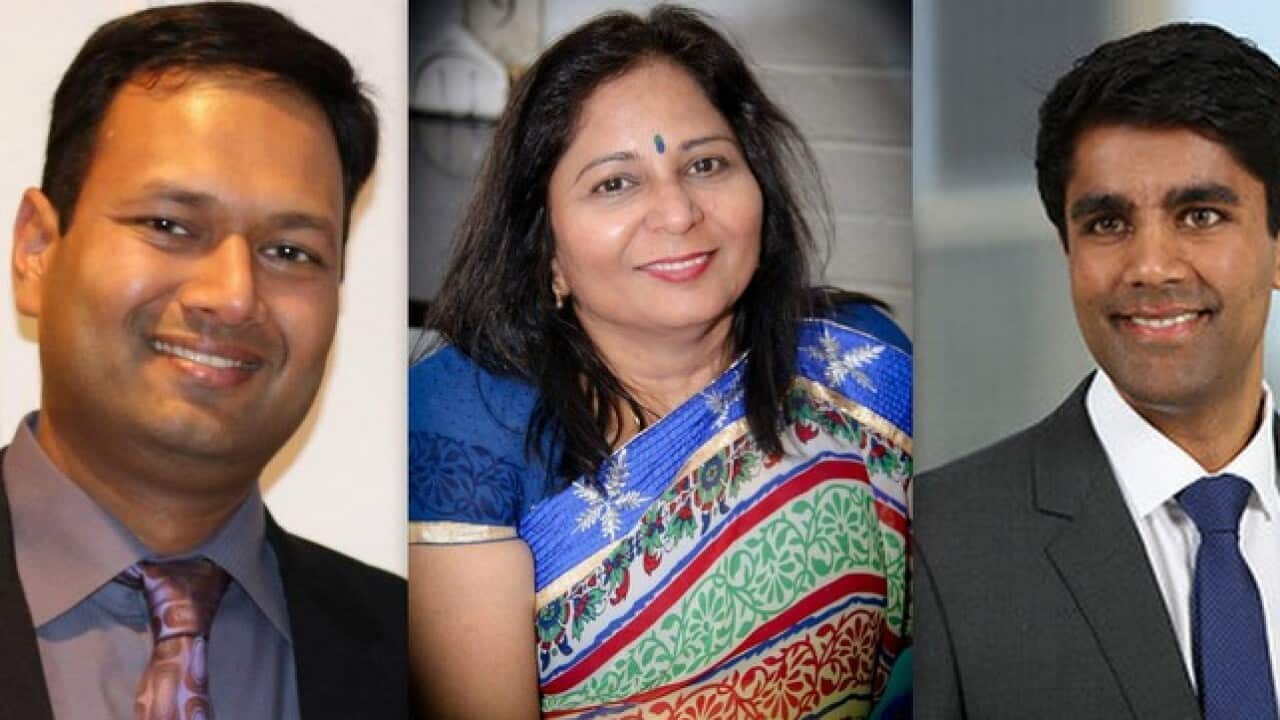
Ahead of the 2019 elections, SBS Hindi spoke to members of the community to find out their concerns, issues and preferences.
Honey Juneja: ‘We need to prepare Victoria for being the most populated state in Australia’
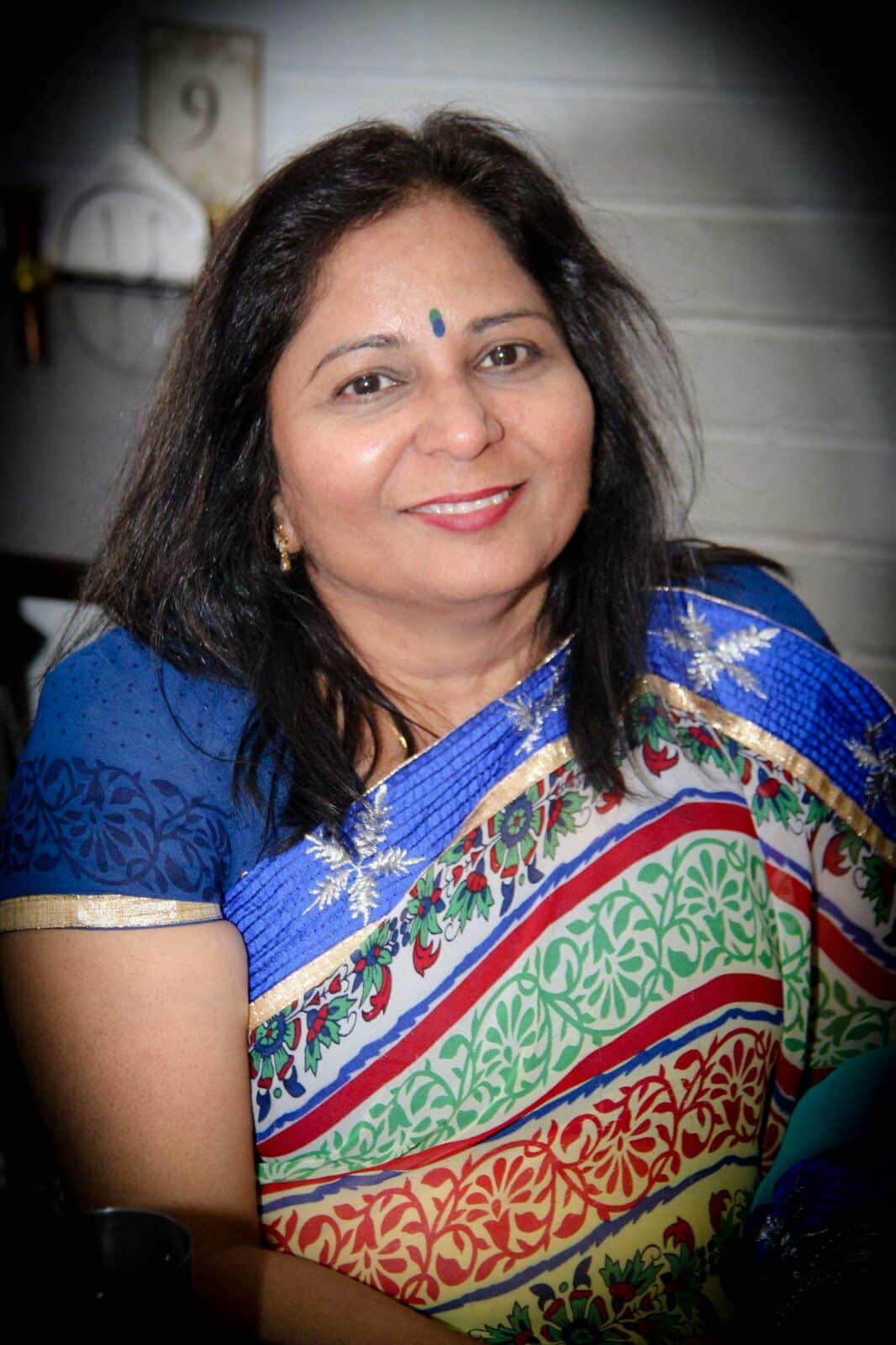
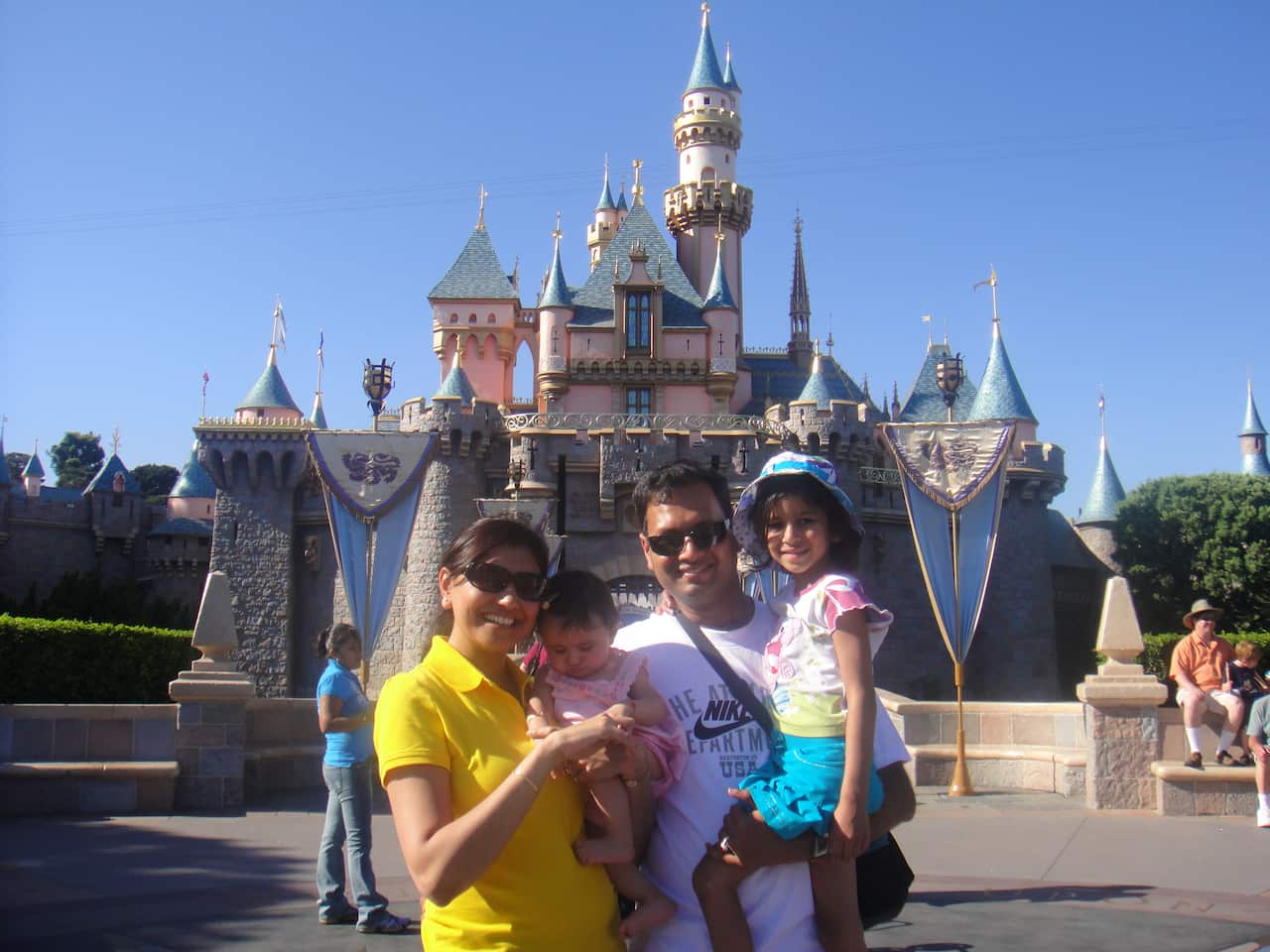
Honey Juneja, software professional based in Melbourne migrated to Australia 17 years ago with her husband and two daughters.
As an Australian citizen, she takes a keen interest in state-level and federal politics and has some discerning comments on the current state of affairs.
“Current politicians seem to be making their own profiles and community focus is lacking. The agenda’s get transferred from one election to the next. Have not seen any positive campaign so far, it is more like pulling the other party down,” she says.
For this mother of two, her biggest concerns range from good schools in Melbourne’s West to the rise in crime and safety.
“Safety is a top concern. Crime is increasing manifold with the recent shootings in Prahran and Clayton,” she says.
“Also, there are not many good schools and universities in the western suburbs. Children travel an hour or more each way so that they can get to the good schools some of which are in regional areas.”
Ms Juneja would also like to see an upgrade in infrastructure in her suburb as well as the state.
“Public transport frequency is not in sync. The bus timetables do not match the train timetables resulting in people driving to the station and that creates parking problems at stations. We need to prepare for Victoria for being the most populated state in Australia with better infrastructure,” she says.
She also feels very passionate about the current state of visa options for migrants’ parents. While the Coalition government has introduced a new temporary sponsored visa allowing parents to stay for three to five years in Australia, Labor has promised to bring down the costs of this new visa, which has been termed ‘unaffordable’ by many migrant families.
Ms Juneja strongly believes a long stay visa for parents needs to be made available at an affordable price.
“I know of instances where an only child was forced to live in India leaving her husband and child here for six months so that she could look after her mum. Long stay visas should be made available to parents so that they can live with their children happily,” she says.
Ms Juneja is convinced Labor will address her concerns.
“I will vote for Labor this time as they seem better of the lot and a federal labor government will be better for Victoria.”
Mukesh Garg: ‘None of the parties has a long-term vision’
A Senior Lecturer and Director of Programs (Accounting) at Monash University in Melbourne, Dr Mukesh Garg is a passionate follower of Australian politics and how policies affect ordinary Australians.
A keen observer of current affairs, Dr Garg tried his hand at politics a decade ago when he contested elections from the seat of Gellibrand in Melbourne’s West.
Twelve years later, Dr Garg has quit politics and feels political parties lack long-term vision.
“The biggest issue we face in Australia is that our political leaders are not able to think long term,” he tells SBS Hindi.
“I am not convinced that any of the political parties are willing to take serious steps to retain jobs in the country in a more sensible way.
“Australia has the wealth, resources and opportunity to become a knowledge-based economy. We need to make more investment to increase employment in the high-end service and manufacturing sector. This requires more innovation in information technology and health care,” he says.
Besides employment stability, Dr Garg strongly feels lower government debt and lower budgetary deficit are crucial for sustaining economic growth in the country.
“Whichever party gets elected, it is crucial the new government has a prudent fiscal and monetary policy. I am against the generous financial handouts and spending that can have long term negative consequences for the economy,” he says.
Not willing to reveal the party he will vote for, Dr Garg hints it will be ‘for the party which I feel is far-sighted and cares about Australia’s long term future.’
Sandeep Chandra: ‘It is interesting to see the emerging role of Independents’
Sandeep Chandra is a Sydney-based management consultant who works in Corporate and M&A Strategy projects across the Asia-Pacific region.
When asked about elections, Mr Chandra shares there two issues he feels strongly about.
“I would like to see a genuine debate on energy policy. For a country so rich in energy sources, it is really disappointing that we haven’t had a substantive conversation about what our bold ambition is for the energy sector and how Australia can be the benchmark and source of inspiration for how to thrive after transitioning to a renewables-based economy,” he says.
“It hasn’t had the attention it really needs. I don’t think any party has offered an energy policy that is scalable across the economy and establishes Australia as a global heavyweight in the energy transition.”
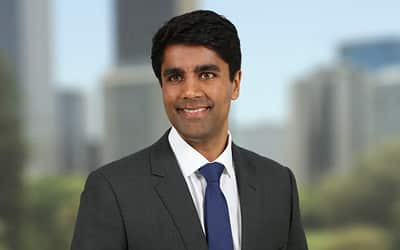
The other subject he keenly follows is Australia’s policy related to healthcare.
“I have been heartened to hear about the renewed focus on investing in health research and indigenous health priorities by both the major parties.
“I was impressed at how an Independent cut through the noise and passed what I thought was much-needed legislation to allow refugees better access to medical care,” he says referring to Dr Kerryn Phelps' medivac bill.
In these elections, Mr Chandra is yet to make up his mind but says he is keenly watching the emerging role of Independents.
“I am still undecided [whom will I vote for] but it is interesting to see the emerging role of Independents in our Parliament,” he quips.
“I’ll be listening to both major parties and strong local Independents over the next few weeks.”
Note: This is a non-exhaustive compilation of different points of view regarding Australian politics and upcoming elections.