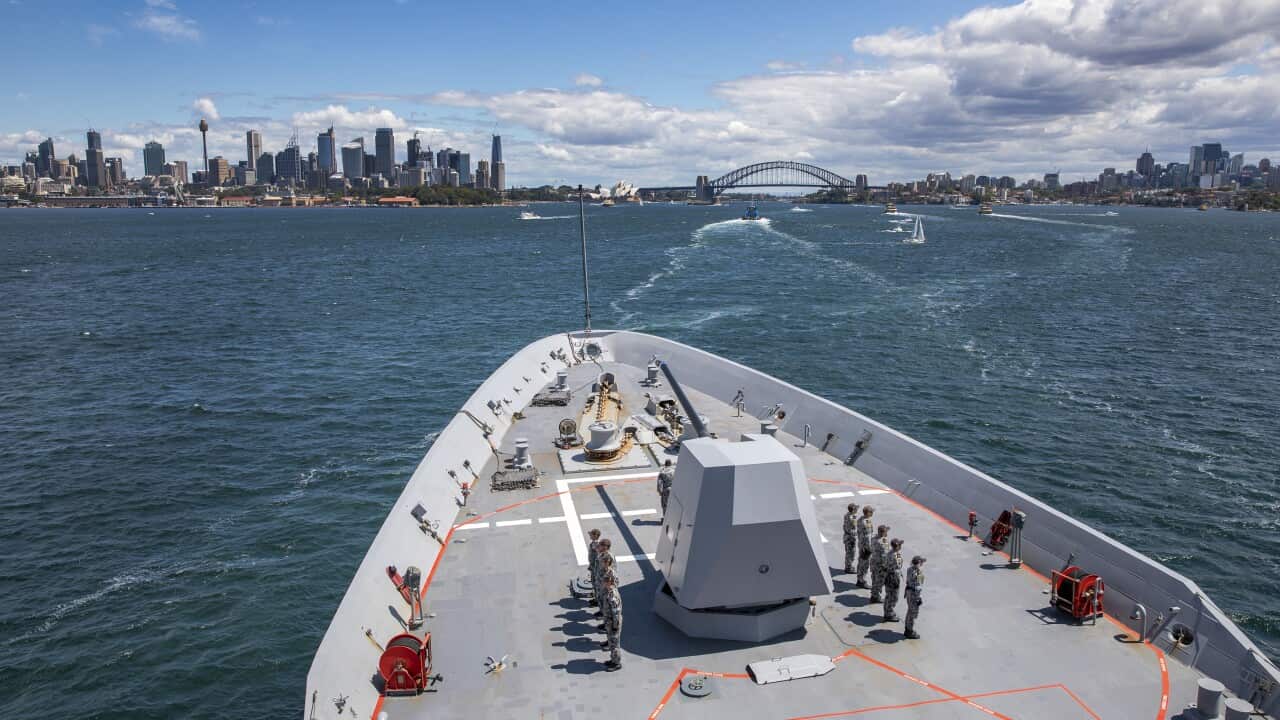

Australia will join India, Japan and the United States in the Malabar Naval Exercises next month.
India has extended a formal invitation to the Australia Defence Force for this prestigious exercise, which Australia had taken part in 2007.
Highlights:
- India has invited Australia to join Malabar 2020.
- Malabar started in 1992 as a bilateral Indian Navy-US Navy exercise.
- The Quad nations coming together is seen as a symbolic move against Chinese assertion in the region, according to analysts.
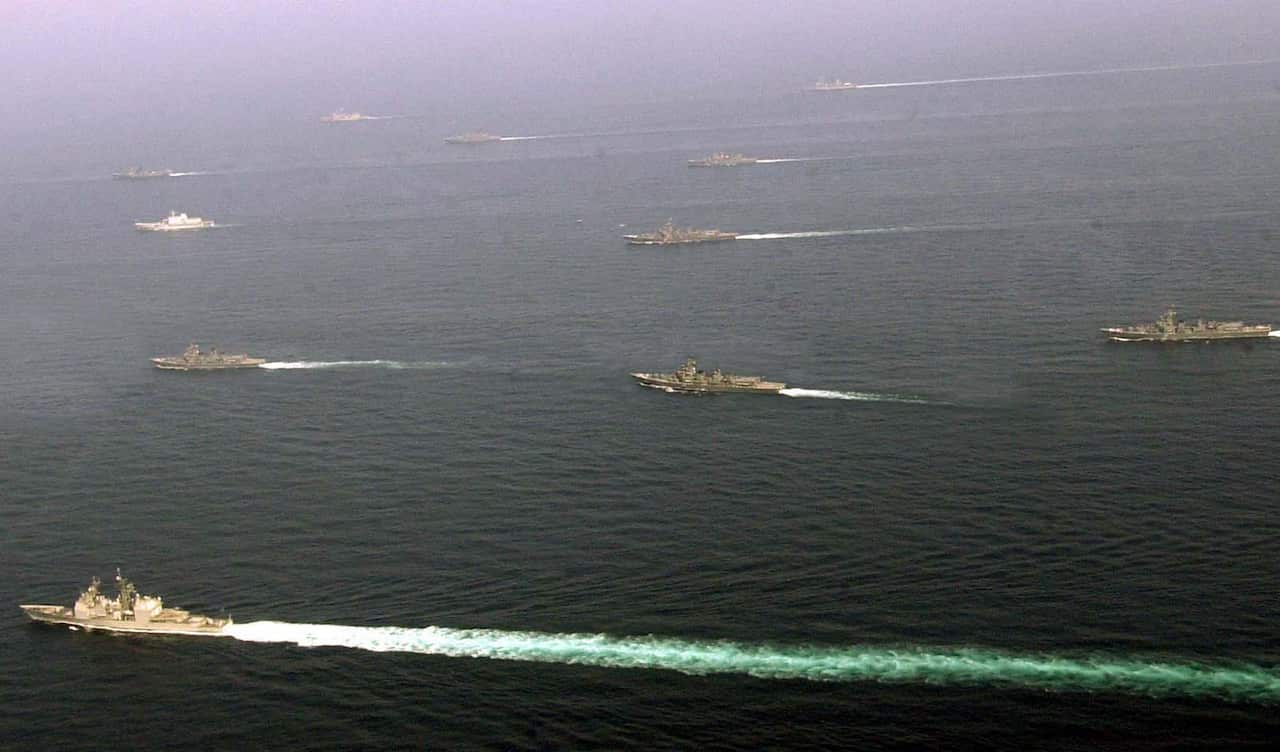
"As India Seeks to increase cooperation with other countries in the maritime security domain and in the light of increased defence cooperation with Australia, Malabar 2020 will see the participation of the Australian Navy," reads an official statement by the Indian government.
Australia has also confirmed its participation in the exercise which started in 1992 as a bilateral Indian Navy-US Navy exercise.
Australia's Minister for Defence, Senator, the Hon Linda Reynolds CSC, says the exercise marked a milestone opportunity for the Australian Defence Force.
Exercise MALABAR also showcases the deep trust between four major Indo-Pacific democracies and their shared will to work together on common security interests.
"High-end military exercises like MALABAR are key to enhancing Australia's maritime capabilities, building interoperability with our close partners, and demonstrating our collective resolve to support an open and prosperous Indo-Pacific," Minister Reynolds said in a statement.
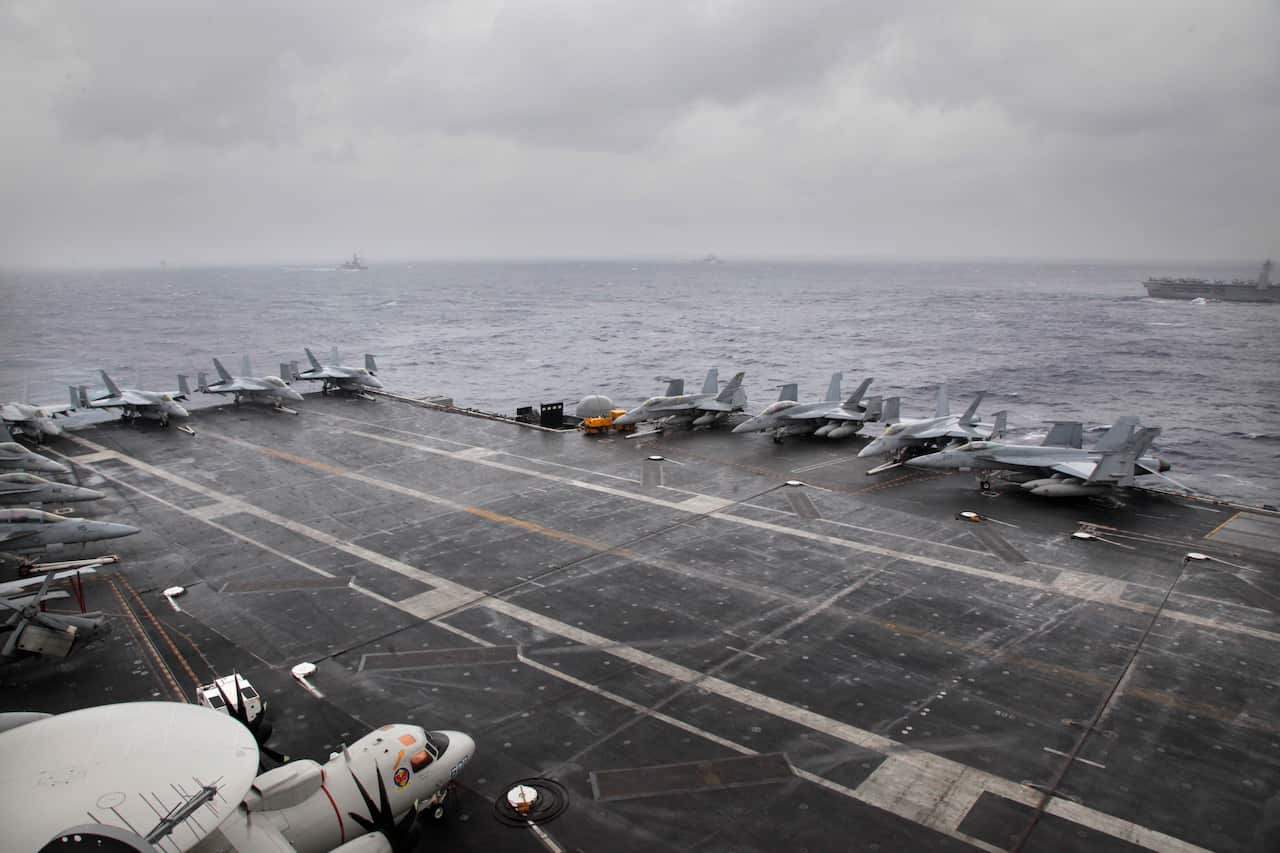
Experts believe China having strained relations with both India and Australia has pushed India to expand the scale of Malabar 2020.
Senior Research Fellow at National Security College Canberra, Dr David Brewster, says the Indo-China clash in Ladakh earlier this year has had an impact.
"Australia has not participated in this exercise (since 2007), and I think there have been a few changes in recent times that had caused India to ensure Australia's participation, most particularly the events in the Himalayas this year when the border clash between India and China," Dr Brewster told SBS Hindi.
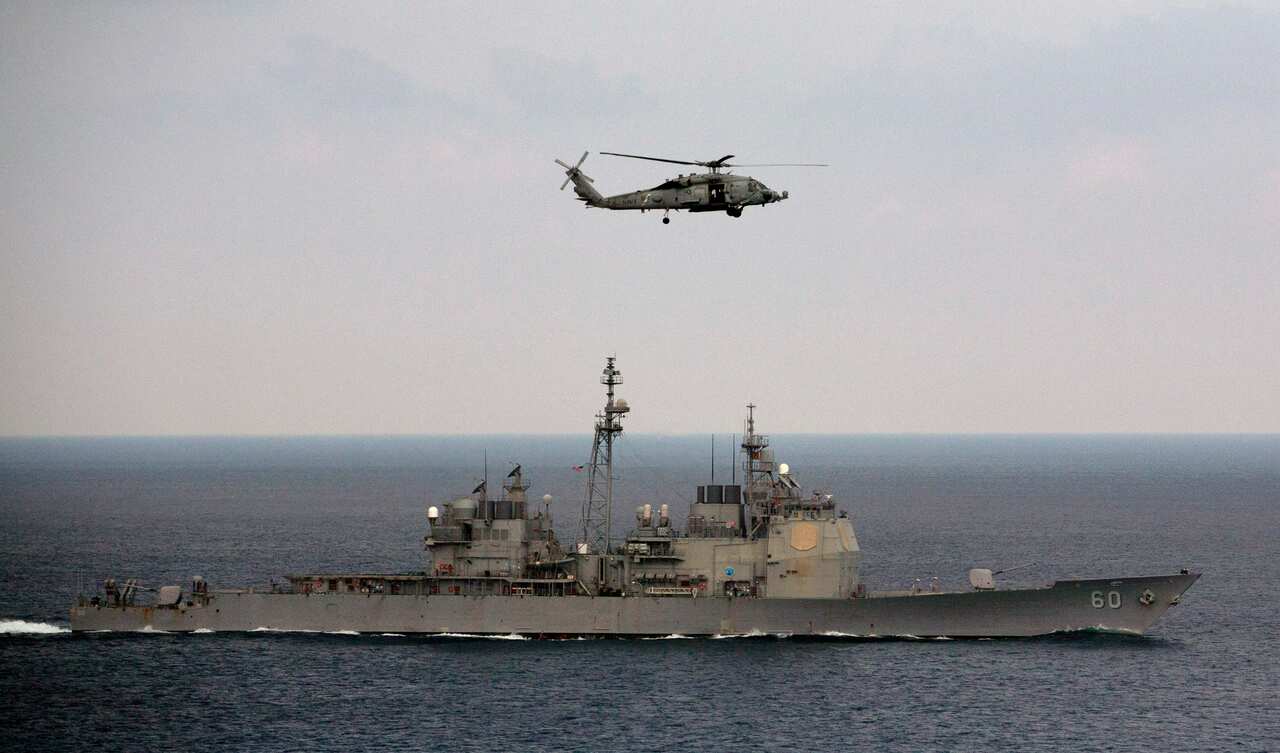
Australia did not participate in the exercise after 2007, but in 2019 it reportedly lobbied to be a part of the exercise.
Australian Secretary of the Department of Foreign Affairs and Trade, Frances Adamson, had told media in Delhi in December 2018 that Australia stood "very willing" to join the exercise.
However, India did not invite Australia to join the exercise with Japan and the US in 2019.
Dr Brewster says things have changed since then.
We've seen some significant change in Chinese behaviour throughout this year including the border clashes in the Himalayas and trade sanctions against Australia.
"So the more China pushes its position against all around the region the more likely it is that countries like Australia, India, Japan and the United States will get together to try and balance that against that sort of behaviour," Dr Brewster explains.
During a virtual summit between the prime ministers of India and Australia, both countries agreed to increased ongoing cooperation across many areas of mutual interest.
This cooperation includes the Australia-India Framework for Security Cooperation, regular dialogues involving ministers responsible for foreign, defence and trade policy, and a broad range of senior officials' meetings, such as the Defence Policy Talks, Australia-India Maritime Dialogue and Navy to Navy Staff Talks.