

After the 22 April attack in Pahalgam, Kashmir, that killed at least 26 tourists, Indians around the world — including in Australia — held vigils and protests, with calls for justice echoing across communities and demands for action against those responsible.
Key Points
- Tensions between India and Pakistan have escalated following an attack on Indian tourists on 22 April, which left multiple people dead and many others injured.
- Australia has updated its travel advisory for both countries, but kept the risk levels unchanged.
- Vigils and protests have been held across Australia, with an expert urging support for India during this difficult time.
The attack in the Baisaran Valley, a popular tourist destination known as 'Mini Switzerland', also left several people injured after four armed men reportedly opened fire on tourists and began killing.
Attack in Baisaran Valley sparks tensions
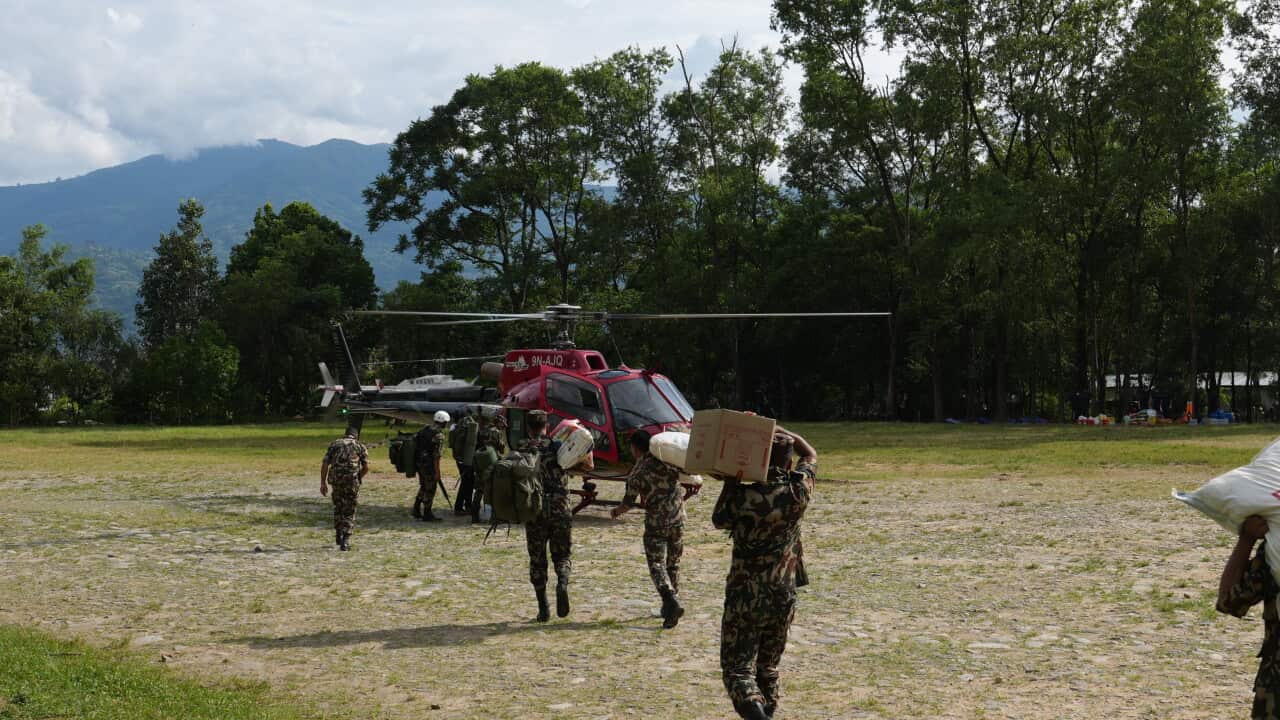
After the attack, India launched an extensive search operation throughout the Kashmir valley.
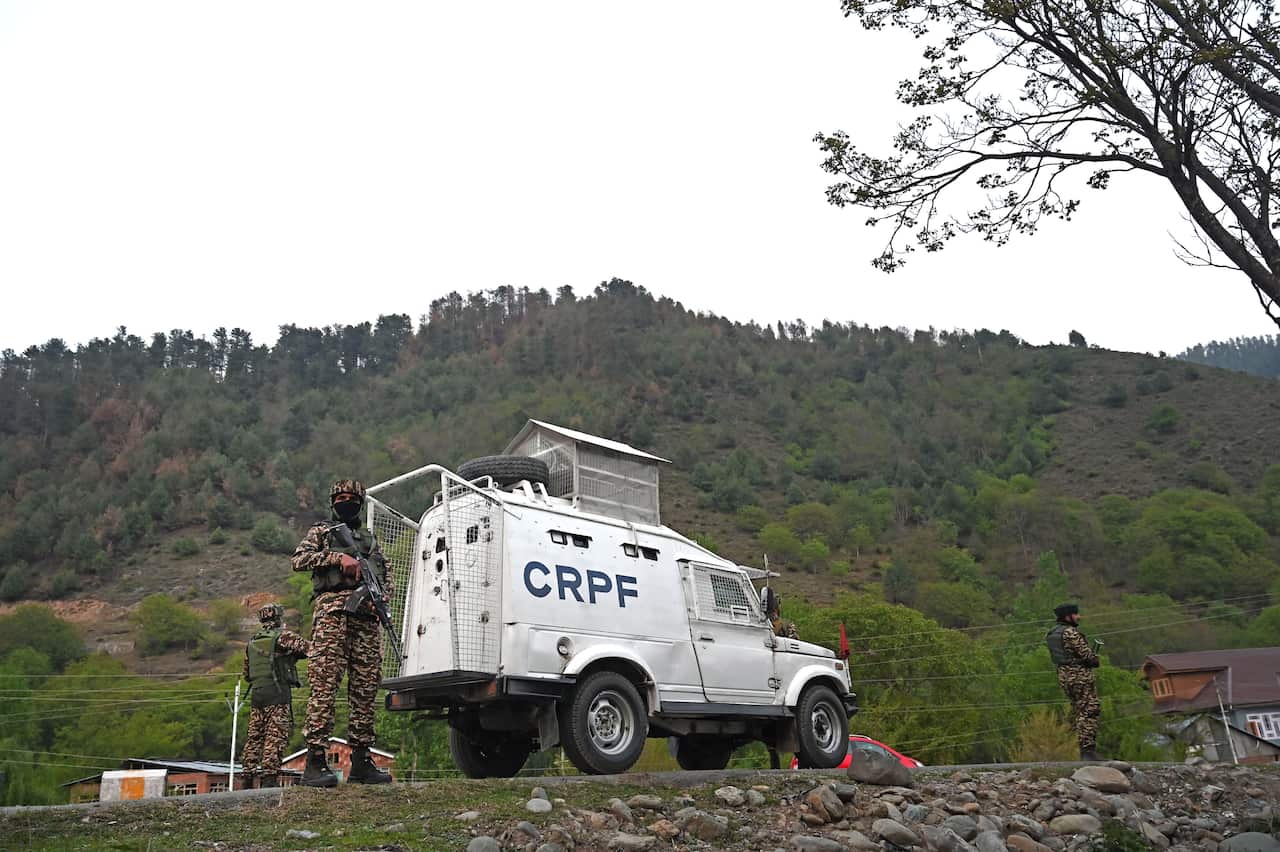
It has also responded with a series of diplomatic actions against neighbouring Pakistan, after holding it responsible for the bloodshed.
Pakistan has firmly denied any involvement, but the latest attack has deepened the rift between the two countries.
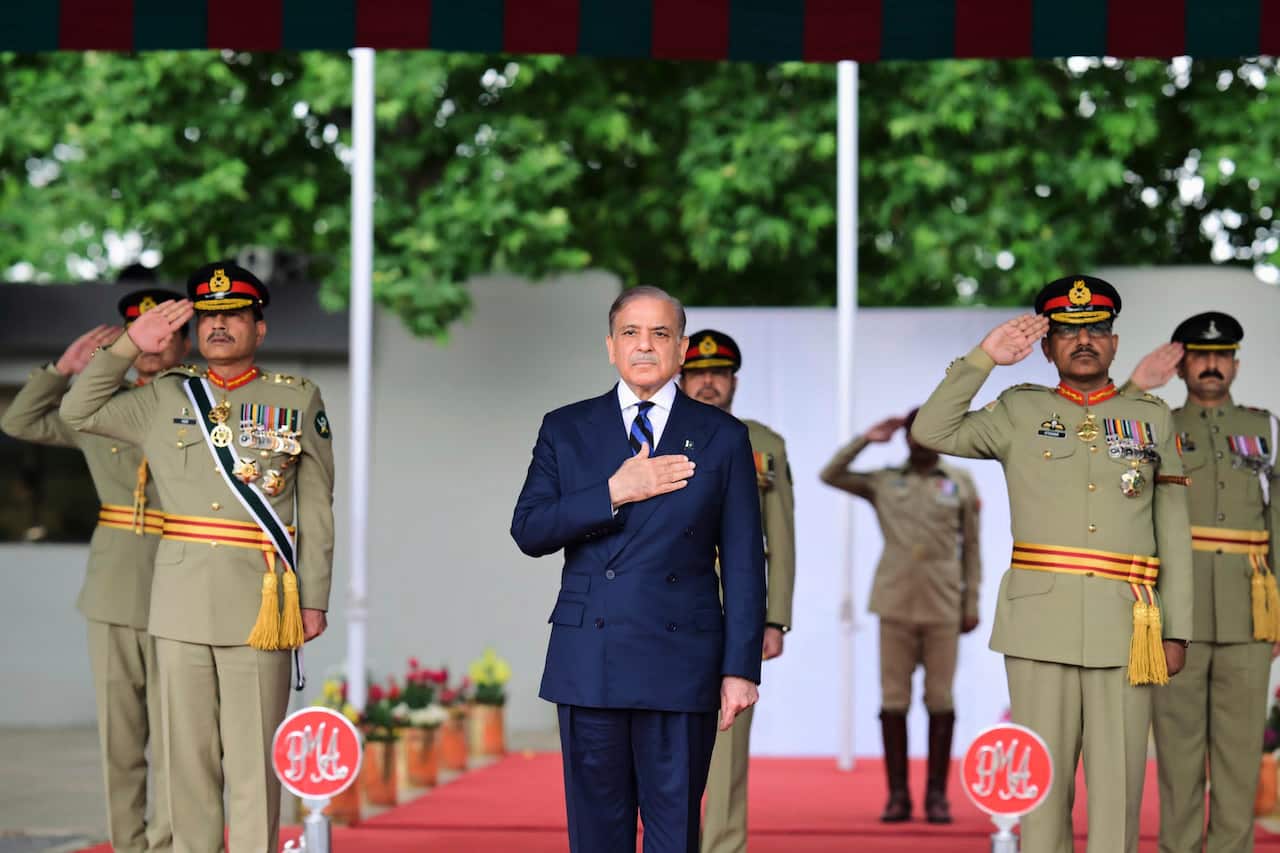
Tensions have soared, and diplomatic ties are now said to be at one of their lowest points in recent history.
Vigils and protests across Australia
Across Australia, the incident has triggered vigils and protests, including in Melbourne, Canberra, Perth, Brisbane, and Sydney.
Melbourne resident Harshad Kale, who attended a protest at Federation Square, described the attack as "barbaric" and called for swift action.

"I urge the Indian and Australian governments to cooperate and take strong measures in response to these attacks against innocent people," he said.
Another protester, Australian resident Ritu Sethi, echoed these sentiments, saying "enough is enough" and calling for much stronger government action.

"Why is the Western media staying silent on these attacks? Why aren’t they speaking out?" she asked.
"We want the Australian government to stand with India during these challenging times."
Australia updates travel advice for India and Pakistan
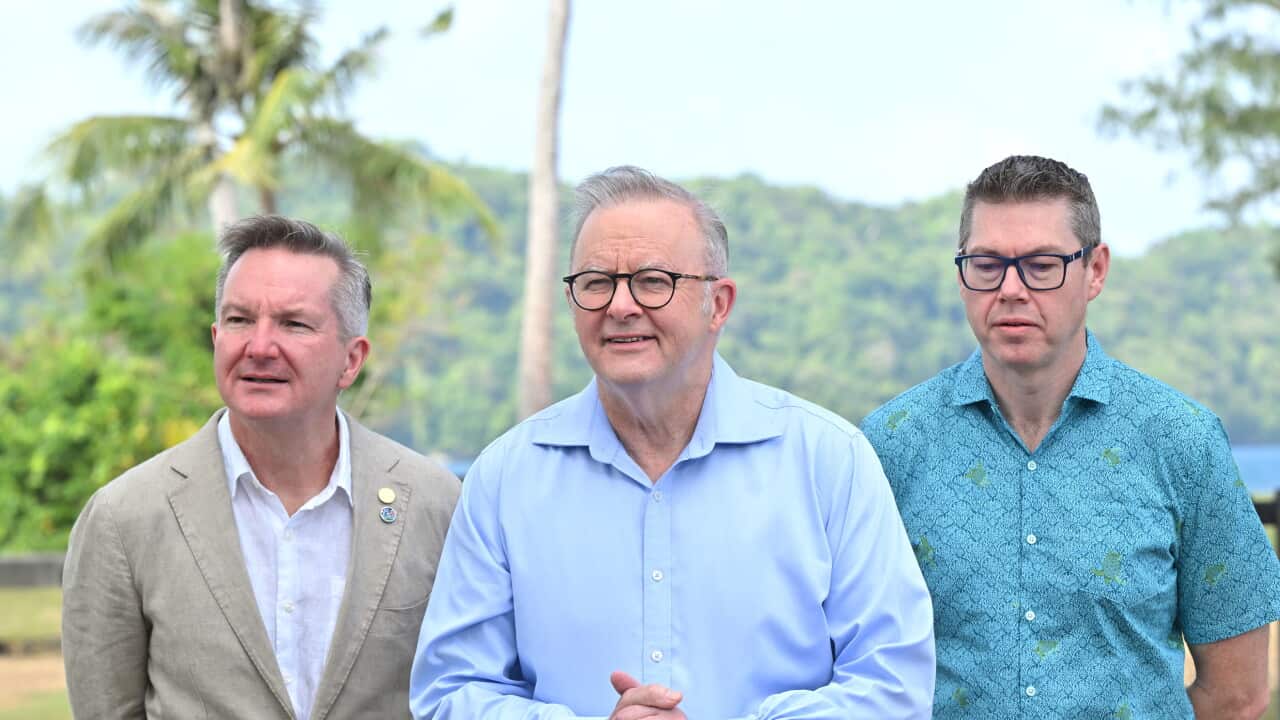
Just after the attack, several Australian leaders — including Prime Minister Anthony Albanese, Opposition Leader Peter Dutton, and Foreign Minister Penny Wong — expressed their sympathies to those affected.
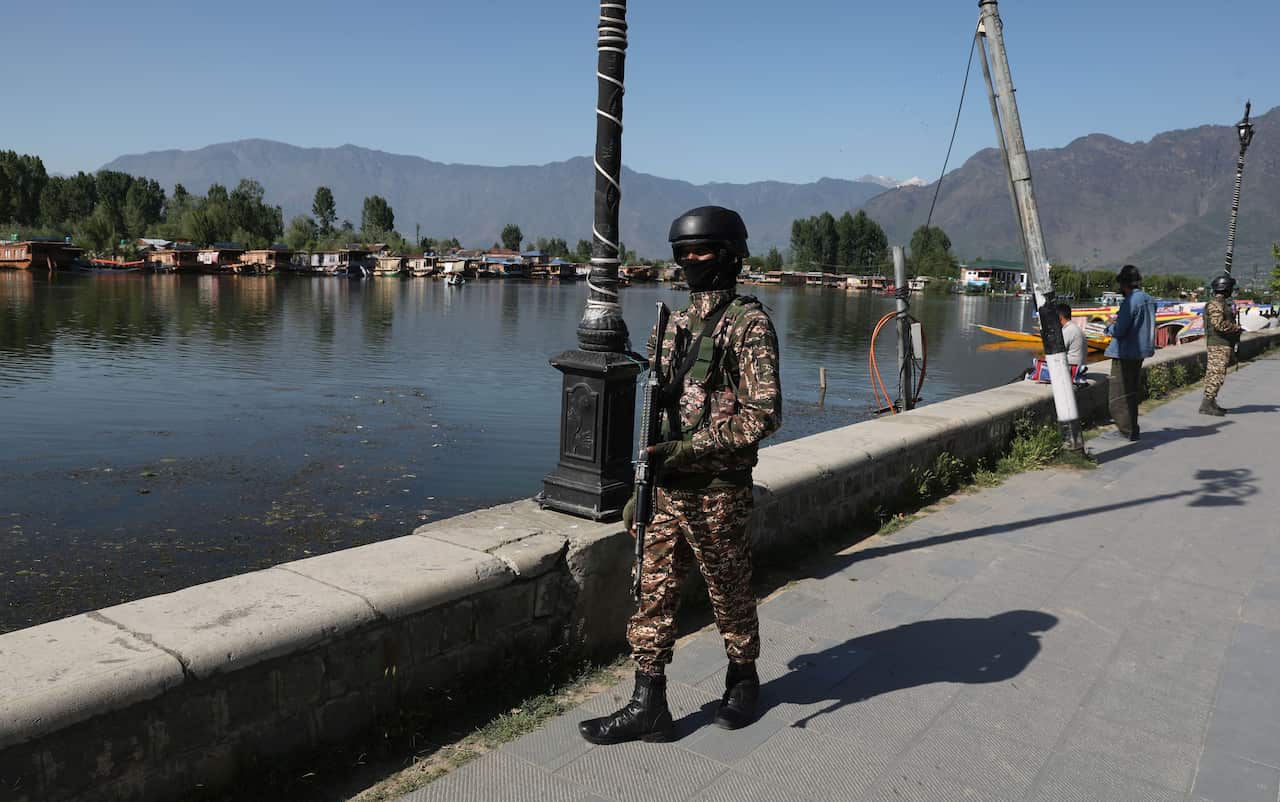
Australia also moved quickly to update its travel advice for both India and Pakistan.
"Travel advice for India and Pakistan was updated on 25 April 2025 to reflect the closure of the international border crossing between Pakistan (Wagah border) and India (Attari border)," the Department of Foreign Affairs and Trade (DFAT) told SBS Hindi.
However, DFAT confirmed that the overall travel advice levels for both countries have not changed.
Australians are advised to exercise a high degree of caution when travelling to India and are urged to reconsider their travel plans to Pakistan.
DFAT stated that it continuously reviews all Smartraveller advisories, regularly assessing risks and updating advice to ensure Australians have the latest information.
'India-Pakistan relations are at an all-time low'
International relations expert Professor Amitabh Mattoo says ties between India and Pakistan have plunged to an all-time low.
"This was an unprecedented attack — a sign of sheer desperation from those who want to destabilise the country," he said.
"We are already seeing a war-like situation on the ground, and a military exchange cannot be ruled out."

Prof Mattoo also urged Australian political leaders to be cautious in their responses.
"Drawing parallels or equivalences between the two countries — India and Pakistan — will only damage Australia’s relationship with India," he warned.
He added that Australia should view the attack not just as a strike against India, but as an assault on democracy itself — and by extension, a threat to the shared values underpinning alliances like the Quad.
As part of its diplomatic response, India has shut down the main border crossing with Pakistan, cancelled visas issued to Pakistani citizens, suspended consular services, and put the Indus Water Treaty — a decades-old agreement governing the sharing of the Indus River and its tributaries — on hold.
In response, Pakistan has closed its airspace to Indian airlines and denied any involvement, calling for a neutral investigation.
According to Christopher Snedden, a politico-strategic analyst and author of several books on Kashmir, the attack was the latest in a long-simmering territorial dispute over the region.
"For India, J&K is an integral part of the country, justified by the fact that J&K’s ruler acceded to India in 1947," he writes.
He further adds that Pakistan does not actually claim Jammu and Kashmir, but "it wants a United Nations plebiscite held so that those living in J&K can determine whether their state, in its entirety, will join Pakistan or India."
Disclaimer: The views expressed in this podcast episode are those of the interviewee and do not reflect the views of SBS Hindi. SBS Hindi neither endorses nor opposes these views.
Find our podcasts here at SBS Hindi Podcast Collection. You can also tune in to SBS Hindi at 5pm on SBS South Asian on digital radio, on channel 305 on your television, via the SBS Audio app or stream from our website.