Watch FIFA World Cup 2026™

LIVE, FREE and EXCLUSIVE

India's census begins with 'caste data' returning for the first time since 1931. Can it reshape politics?

Final Lead Census.png

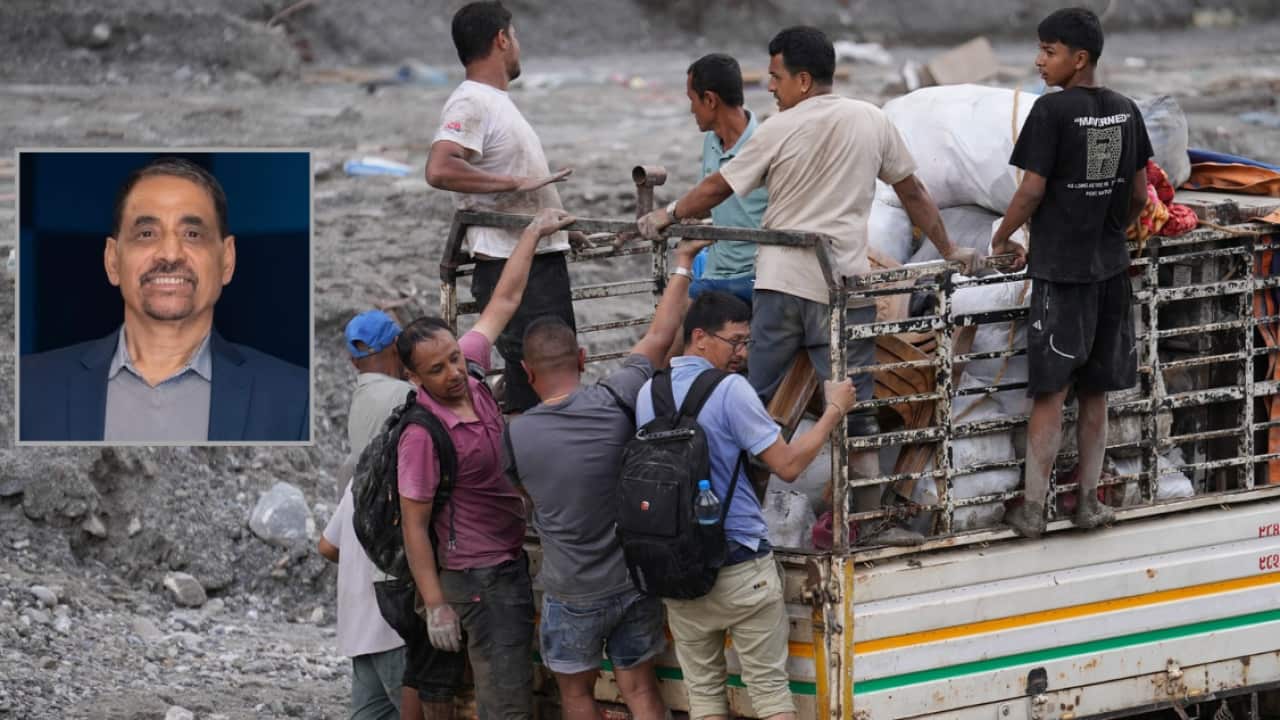
Background Image: People sit on a bench next to an awareness board for the Census 2027 across Jammu and Kashmir, in Srinagar, the summer capital of the Indian-administered Kashmir, 02 April 2026. (Credit: EPA/FAROOQ KHAN). Inset: Professor Purnendra Jain. Credit: (Supplied by Professor Purnendra Jain)

India’s census is underway after a 15-year gap, marking the world’s largest population data collection exercise. With digital tools, caste-based data, and security concerns in focus, the process is expected to shape future policymaking and governance. In this podcast, Professor Purnendra Jain shares insights on the significance, challenges, and future of census data collection in India.


Published

Updated

By SBS Hindi

Presented by Nabeel Hasan

Source: SBS


Share this with family and friends


India’s census is underway after a 15-year gap, marking the world’s largest population data collection exercise. With digital tools, caste-based data, and security concerns in focus, the process is expected to shape future policymaking and governance. In this podcast, Professor Purnendra Jain shares insights on the significance, challenges, and future of census data collection in India.


(The views expressed in this podcast are of the individuals. SBS neither agrees nor disagrees with them.)

Find our podcasts here at SBS Hindi Podcast Collection. You can also tune in to SBS Hindi at 5pm on SBS South Asian on digital radio, on channel 305 on your television, via the SBS Audio app or stream from our website.

Read more about SBS's use of AI

[intro music] 15 साल का gap, 1.4 billion से ज़्यादा आबादी और लगभग 30 लाख surveyors पर घर-घर जाकर data collect करने की जिम्मेदारी। यह है भारत में होने वाले census की एक झलक और इस बार इस पूरे process में digitization और mobile app का भी इस्तेमाल होगा। 2026 में conduct किए जा रहे इस census का budget लगभग 2 billion Australian dollars है। इस census में एक खास चर्चा का विषय बना है caste data, जिसे एक बार फिर शामिल किया जा रहा है। 1930 के बाद यह पहली बार होगा। [outro music] SBS Hindi पर मैं हूँ नबील हसन। आइए census से जुड़े इन्हीं पहलुओं को और विस्तार से समझते हैं और इसके लिए आज हमारे साथ जुड़ रहे हैं Professor पुरेंद्र जैन जो Adelaide University में Asian Studies के Emeritus Professor हैं।

Last census हुआ था 2011 में, 2010-2011 में। तो 15 साल के बाद एक लंबा समय हो गया है। लेकिन इस census को मैं एक ऐतिहासिक मानता हूँ। उसका दो कारण है। एक कारण तो यह है कि यह first time fully digital platform पर यह census होगा और यह पहली बार ऐसा हुआ है भारत में। दूसरे देशों में ऐसा हुआ है पहले लेकिन भारत में पहली बार हुआ fully digital. और जो दूसरा इसका ऐतिहासिक कारण मैं यह समझता हूँ क्योंकि पहली बार 1931 के बाद अ, यह जो है एक caste census होगा इस बार। मतलब caste के base-- caste कौन से लोग किस caste को belong करते हैं इसका census होगा। तो यह दो कारणों से मैं इसको ऐतिहासिक मानता हूँ। Caste census सबसे important है। तो जो data निकल कर आएगा उससे सरकार अ, तरीके-तरीके की policy में adjustment करने का एक

माहौल create होगा और यह बहुत जरूरी है। अ, इसकी वजह से यह पता चलेगा कि भारत में किस प्रकार का विकास हुआ है पिछले 15 सालों में और आगे आने वाले 10 सालों में या पाँच से 10 सालों में किस तरीके के policy बनाएँ।

इतने बड़े level के data exercise के रूप में भारत के census की सबसे बड़ी चुनौतियां क्या हैं?

बहुत बड़ा अ, massive अ, project है। अ, इसको हम एक बार actually मैं सोच रहा था कि एक ही country है अ, पूरे विश्व में जिसका कि comparison India से किया जा सकता है। एक दूसरी country China है जहाँ की population लगभग वही है India की तरह ही या बल्कि India की population अभी ज़्यादा हो गई है China से। तो China में भी यह काम हो रहा था और वहाँ भी वो लोग करते हैं काफी बड़े पैमाने पे। अ, तो India में कोई नया नहीं है यह लेकिन चूंकि 15 साल में changes बहुत हुए हैं अ, और आबादी भी बढ़ी है। Last जो census हुआ था उसमें करीब 1.2 billion population record हुआ था और already हमको पता-- हम लोग जानते हैं कि unofficially 1.4 कहा जा रहा है लेकिन मुझे लगता है कि census में पता चलेगा कि उससे अ, उससे शायद ज़्यादा हो सकता है population. और जो result आते-आते मेरे ख्याल में तो middle of next year आएगा तो हम लोगों को पता चलेगा कि भारत में किस तरीके के मतलब development हुए हैं पिछले 15 साल में और इसका मतलब पूरे विश्व को इंतज़ार है। भारत को तो इंतज़ार है ही, पूरे विश्व का इंतज़ार है।

अच्छा इस बार digitization और mobile app का इस्तेमाल हो रहा है। क्या इससे process ज़्यादा efficient बनेगा या फिर कई और risk भी साथ लेकर आएगा?

जो भी digitalization process जब होता है तो उसके दो पहलू तो होते ही हैं। एक है कि मतलब आसानी से काम होता है, data की storage easy होती है, data की analysis अच्छी होती है और अब तो AI, हम AI के जमाने में भी हैं। लेकिन उसके साथ-साथ सुरक्षा की समस्याएं होती हैं कि उस data को किस तरीके से protection रखा जाए। अ, आपको privacy की भी issue हो जाती है। तो उम्मीद यह की जा रही है कि India में जो technology काफी आगे बढ़ चुकी है तो सब तरीके से अच्छा ही होगा और लोगों को जो enumerators हैं, जो जन्स-- जो पदाधिकारी हैं और जो भरने वाले लोग हैं उनके लिए भी आसान हो जाएगा। लेकिन challenge यह है कि India में अभी भी बहुत लोग ऐसे हैं जिनके पास smartphone नहीं हो सकता है तो door to door भी अ, मेरे ख्याल में data collection होगा और इसकी एक बहुत बड़ा challenge है citizenship की, कि India में हम लोगों को अ, पता है कि कुछ

refugee, कुछ illegal refugees India में हैं तो उनको किस तरीके से अ, eliminate किया जाएगा इस census में। तो ये सब challenges हैं वहाँ पे लेकिन मुझे उम्मीद है कि भारत सरकार इसके बारे में ठीक से सोचा होगा, ठीक से उसको संपन्न करेंगे।

Caste data को फिर से इस बार जनगणना में include किया जा रहा है। आप इसको कैसे देखते हैं?

ये caste की बात जो हम कहें इसकी काफी political भी है एक तरीके से और इसका social implication भी है, दोनों तरीके से है। अ, हम लोगों को पता ही है कि मैंने जैसा कि पहले शुरू में बताया कि तीन राज्य हैं जिन्होंने कि अभी हाल में ही कुछ caste census किया था बिहार, आंध्र और तेलंगाना। तो लेकिन केंद्रीय सरकार जो है उसको oppose कर रही थी लेकिन बहुत हाल में ही फिर केंद्रीय सरकार ने अपना अ, जो निर्णय में परिवर्तन किया और उन्होंने announce किया कि हम caste को census में लाएंगे। तो caste को census में लाने का एक तो ये मतलब इसके दोनों पक्ष हैं। इसमें कुछ लाभ भी है, कुछ हानि भी है। इसके लाभ ये है कि पता चलेगा कि कौन-कौन सी community के लोग कहाँ-कहाँ हैं, उनकी percentage क्या है। उनके लिए जो अ, हम क्या कहेंगे, जो affirmative action है उसको ज़्यादा ठीक तरीके से implement किया जा सकता है इसके basis पे।लेकिन साथ ही साथ हमें यह समझना है कि भारत में जो caste है वह बड़े politics में बहुत intense है, बहुत गहरी तरीके से समाई हुई है। Census के वजह से जब यह पता चलेगा कि कौन सी caste, कौन सी community की कितनी percentage है clearly तो जो caste identity है मेरे ख्याल में वह और hardened होएगा। लोगों में जो है भावना आएगी caste identity की अभी से ज्यादा क्योंकि भारत की राजनीति के लिए हो सकता है इसके नकारात्मक कुछ

पहलू भी हो सकते हैं।

इस Census से आने वाले सबसे महत्वपूर्ण insights या factors कौन से होते हैं जिनसे किसी भी देश के विकास और policy making को दिशा मिलती है?

देखिए इसमें एक तो यह कि population हो गया और कितने कौन-कौन से states में, कौन-कौन से territories में, कौन-कौन से towns में, villages में कितने लोग रह रहे हैं तो उसी हिसाब से जो है resource allocation होता है। पिछले 15 सालों में जो है data clear नहीं था तो resources कहां जा रहे हैं, क्यों जा रहे हैं, कैसे जा रहे हैं यह पता नहीं चल पा रहा था। तो जब यह data सामने उभर कर आएगा तो resources को appropriately उसको allocation होएगा। फिर दूसरा यह social policy है कि मतलब किस तरीके की कहां पर कैसी जरूरत है, medical व्यवस्था क्या है, road transport क्या है, infrastructure क्या है। यह सारी चीजों को जब तक हमारे पास एक comprehensive data नहीं होता है तो बहुत मुश्किल होती है public policy बनाने में। तो इससे क्या है कि काफी facilitate हो जाएगा इस Census data के बाद। तो यह एक अच्छी बात है कि एक across the country पूरे देश में एक ठीक तरीके से resources को allocate किया जाए और social welfare की ओर बढ़ा जाए।

आपका अनुभव भारत, ऑस्ट्रेलिया और जापान जैसे बड़े देशों के साथ रहा है। इन देशों में data collection के जो process होते हैं क्या उसमें कुछ अलग approach देखने को मिलते हैं?

देखिए जापान और ऑस्ट्रेलिया और इंडिया ये सब democratic countries हैं तो उसमें questions जो होते हैं वह different होते हैं। अब जैसे जापान में कोई religion का कोई question नहीं होता है। जापान में कोई caste का कोई question नहीं होता है तो वह questions नहीं होते हैं। ऑस्ट्रेलिया में जो है migrants, एक migrant society है तो वहां पर migrant related questions होते हैं। तो India में जो questions पूछे जाएंगे, जो जापान में questions पूछे जाते हैं, जो ऑस्ट्रेलिया में questions पूछे जाते हैं, कुछ तो समान होते हैं लेकिन कुछ different होते हैं। उस country के जो भी

socio economic conditions उस basis पर होता है। लेकिन main purpose जो है वह वही है। Main purpose है कि data को समझकर जो social allocation है, economic allocation है

या फिर actually electoral boundaries को भी उसके basis पर redraw किया जाता है। जहां पर population कम हो गया है वहां पर हो सकता है representation कम हो, जहां पर बढ़ गया वहां पर representation ज्यादा बढ़ाया जाता है। तो इससे political representation को भी थोड़ा सा adjustment करने का मौका मिलता है। So social representation, political representation और साथ-साथ resource allocation यह जो है main इसके उद्देश्य होते हैं population Census के और of course population Census या जो Census होता है उसमें दुनिया भर के researchers हैं, जो international communities हैं, international organizations हैं, वह सब समझते हैं कि किस देश में किस तरीके का growth pattern चल रहा है तो उसके basis पर भी analysis होती है।

SBS हिंदी के लिए यह report आपके लिए प्रस्तुत की नबील हसन ने।

इस audio podcast में व्यक्त किए गए विचार व्यक्तिगत हैं। SBS ना तो इनसे सहमत है और ना ही असहमत।

END OF TRANSCRIPT

Latest podcast episodes

Follow SBS Hindi

Download our apps

Listen to our podcasts

Get the latest with our exclusive in-language podcasts on your favourite podcast apps.

Watch on SBS

SBS Hindi News

Watch it onDemand

Watch now