


Carly Hardy has always been environmentally conscientious, but it was only after her own personal experience of the sheer amount of rubbish being produced by a household of seven that her interest in organic waste reduction became a mission.
So in January 2016, after moving to Perth, Carly decided to start 'Kooda'. The word is also the Hindi word for waste and Carly told SBS Hindi that it was also a good coincidence.
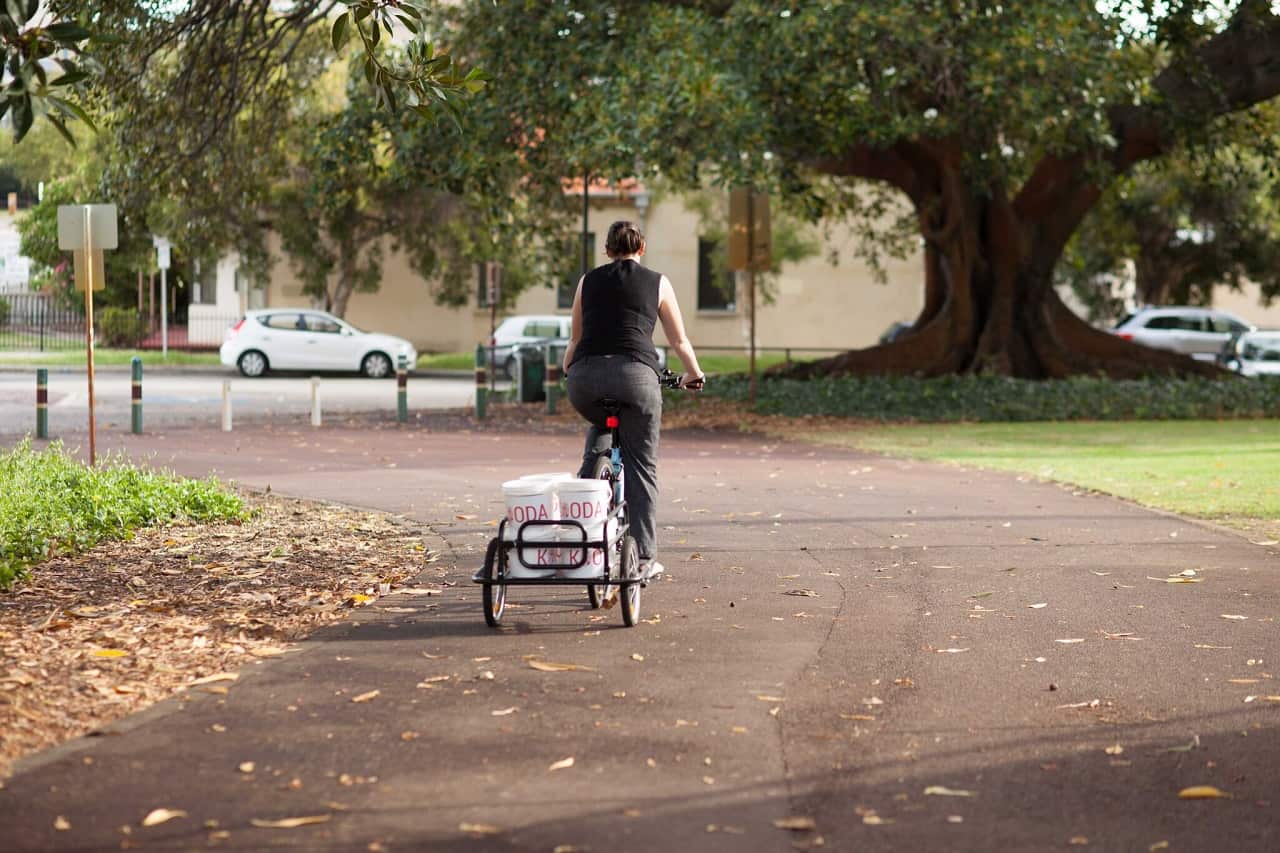
"Where we are in Perth, the Noongar people are the first people of the land" Carly explains, "and Kooda is the gathering basket they use to collect things up .. by naming Kooda I was kind of saying, we want to respect their ownership of it and keep doing the right thing by the land that we are building our society on".
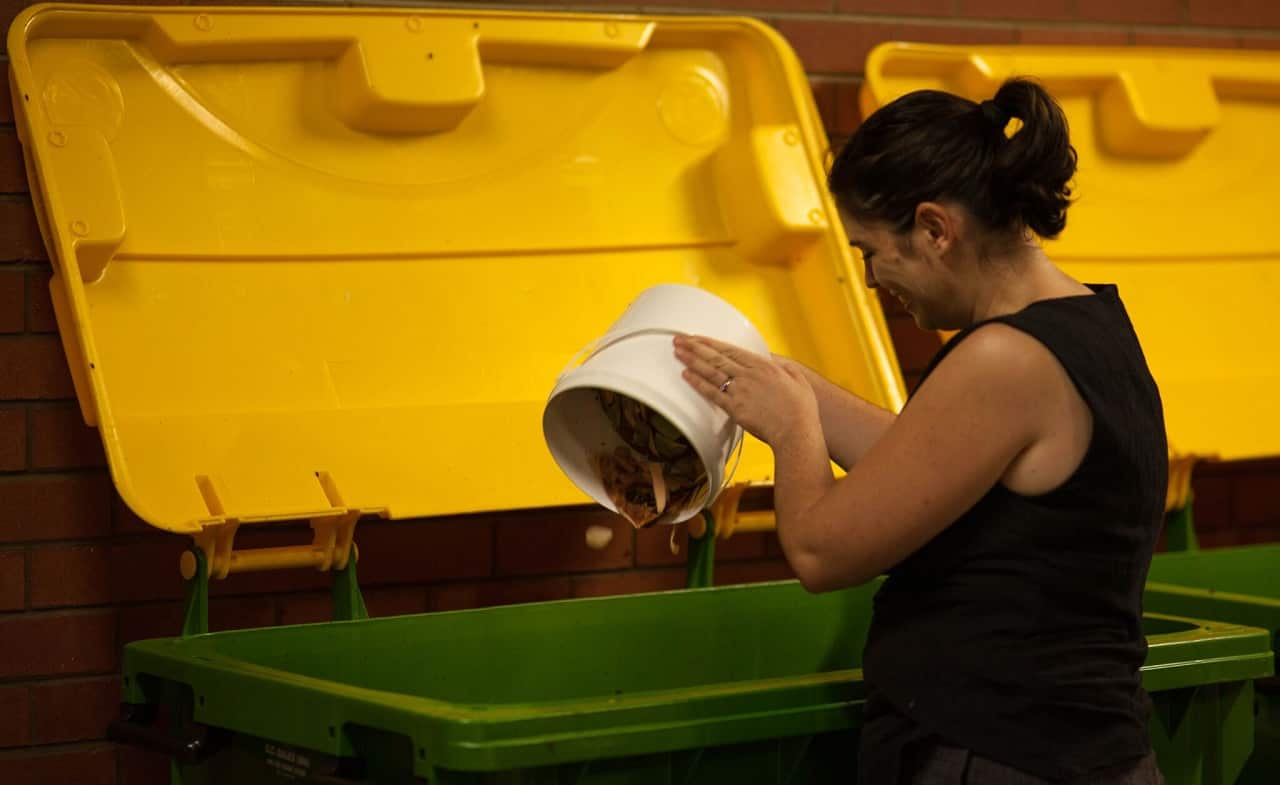
The company uses small compost buckets, distributed to participating households to collect kitchen food scraps and other organic material.
Carly, a former chemical engineer, says her start-up aims to develop the technology and processes needed to process organic waste in an efficient way, espeically in high-density urban environments.
Pollution concerns
Organic waste comes from a variety of sources, including plant or animal sources that are readily biodegradable, for example, paper, cardboard, food waste, biosolids, green waste and timber.
The Department of the Environment says it forms a significant proportion of waste generated in Australia and an even more significant portion of waste sent to landfill. The concern is that degradation of organic material in landfill generates potent greenhouse gas methane and also produces potentially polluting leachate.
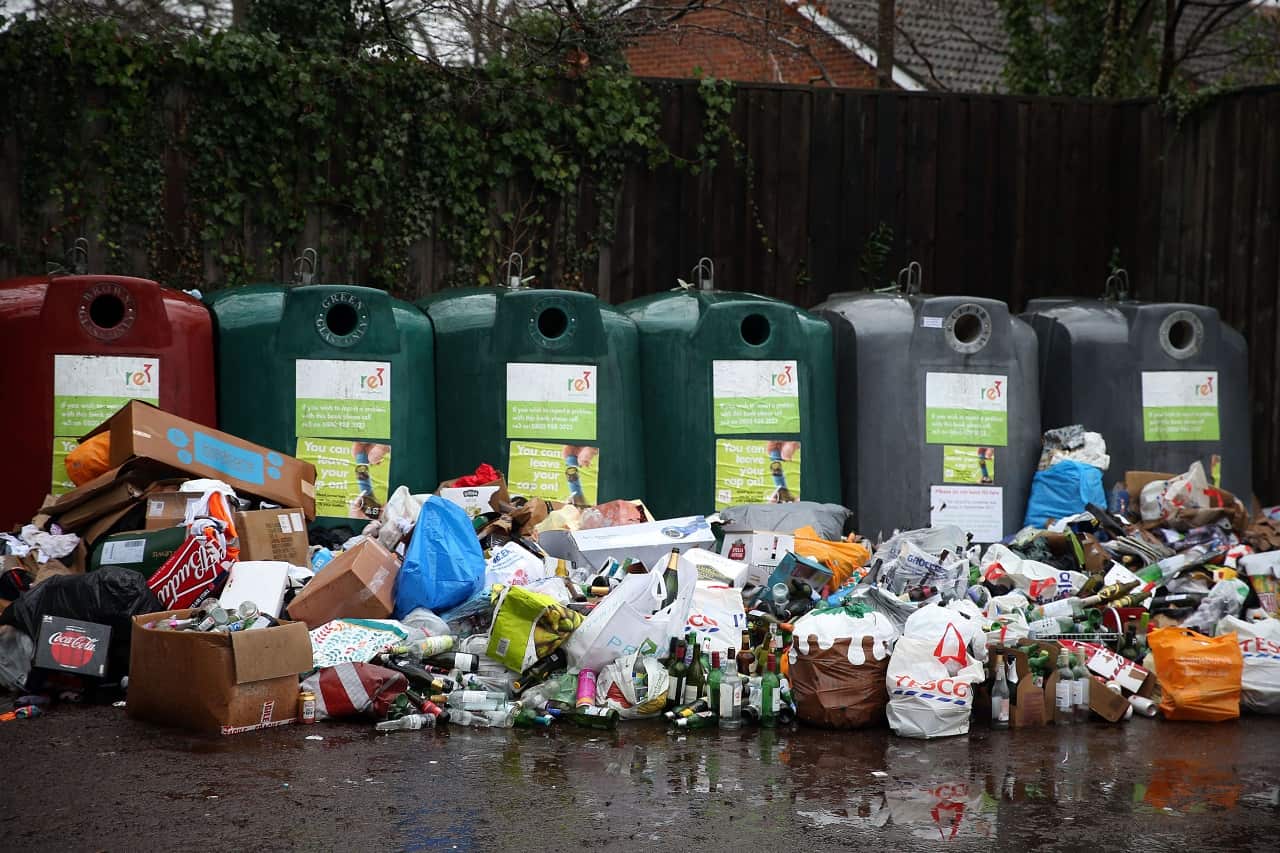
Kooda's missions statement says that "with 60% of the population expected to be living in urban areas by 2050, trucking the waste out to large open areas for processing (such as windrow composting) will not be feasible, and incineration (where the organic matter is burned into CO2) sends all the carbon into the atmosphere which is also not ideal.”
Carly Hardy told SBS Hindi, “We look at ourselves as being somebody who wants to safeguard public health so we pasteurize the waste. We then feed it to worms and create a soil conditioner that can be used to grow plants”
Everyday changes
Carly says the easiest thing one can do is be careful about what we buy and not buy more food than what we can eat or cook.
“If you manage the amount that you are purchasing," she says, "you save yourself money and you also save on the amount you can avoid throwing away.”
According to the Australian Bureau of Statistics, more than two-thirds (69%) of Australian adults are concerned about the accumulation and disposal of household waste. It says Australia's growing economy and increasing use of resources have resulted in more waste - especially e-waste - being produced than ever before.
In 2010–11 an estimated 12 million metric tonnes of all organic waste was recovered.