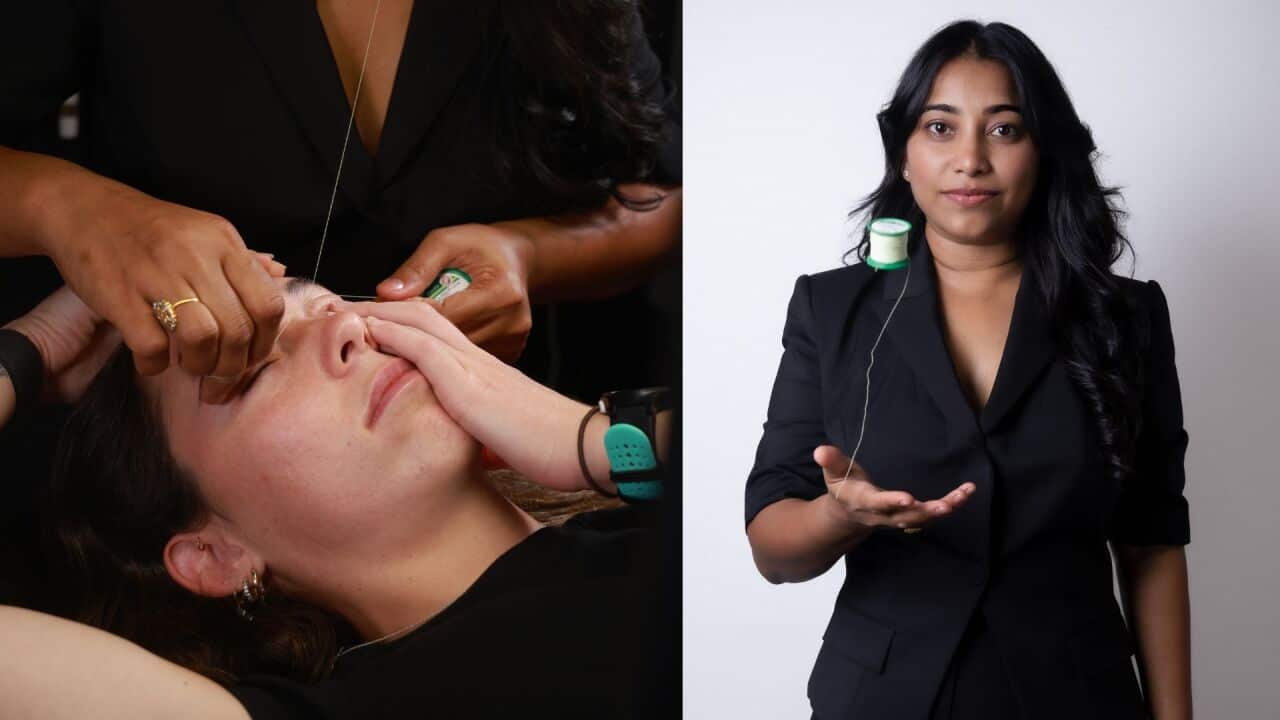

For years, many Indian migrant women struggled to access threading services in Australia, but the traditional beauty technique, using thread to remove facial hair, especially for shaping eyebrows, is now gaining popularity nationwide.
Growing up in India, Perth resident Jayalakshmi Raman started threading her eyebrow as a young woman.
When she migrated to Australia in 1983, she quickly realised the service was virtually unavailable.
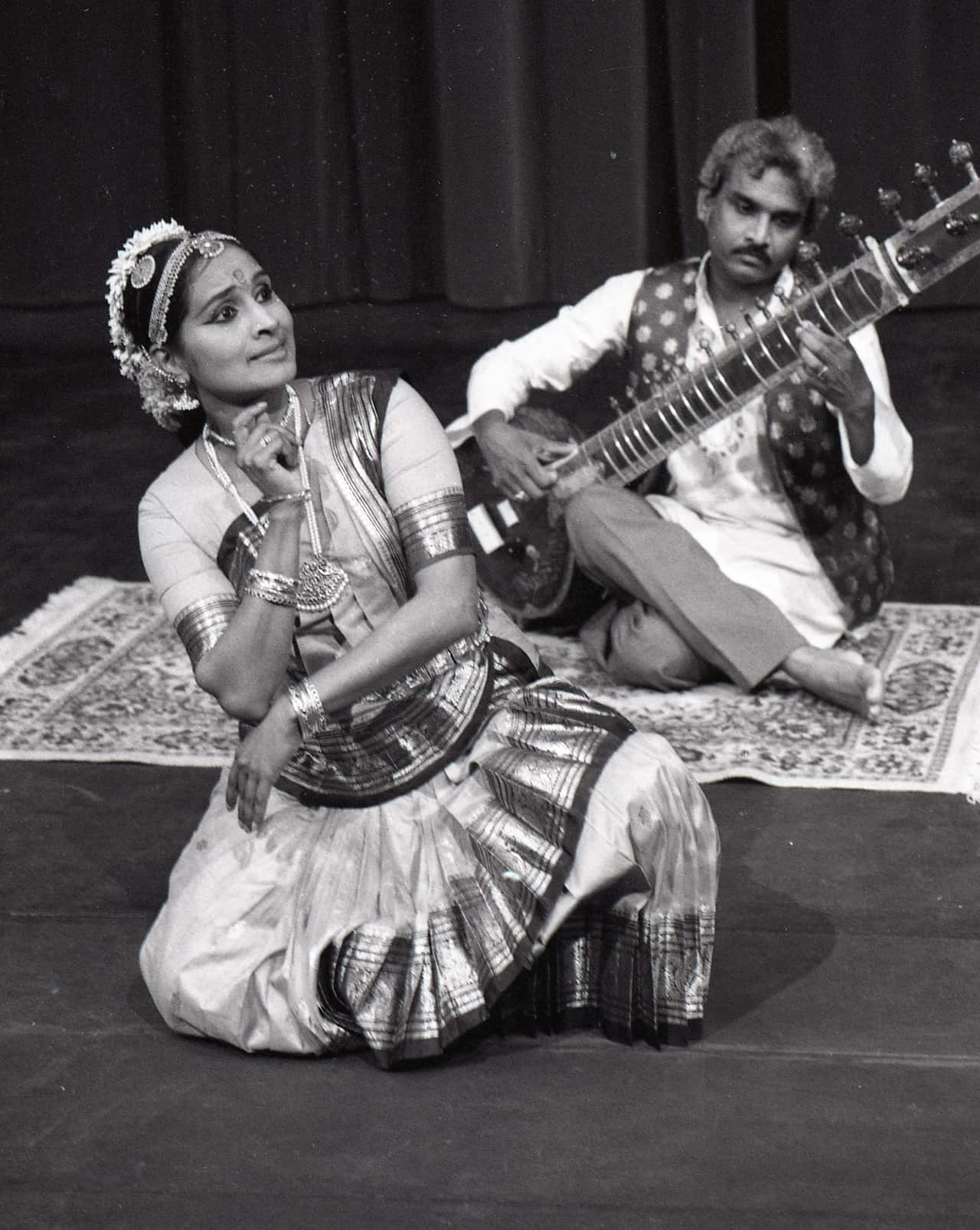
“Beauty was a big part of my life as a dancer, and eyebrow threading simply didn’t exist here at the time. That’s when I noticed a big gap in the Australian beauty market,” she said.
A migrant influence
Jayalakshmi’s experience was shared by many migrant women across Australia.
Queensland-based Binita Gor said she faced similar challenges after migrating in 2009.
Unable to find a salon offering threading, she began shaping her own eyebrows.

“I’m very fussy about my brows, so I started doing them myself. Then others began asking me to do theirs as well, and that’s how it all started for me and my brow threading business,” she said.
Binita now not only runs a successful threading business but also trains beauticians.
Melbourne-based Reena Anita Rana, who runs an Indian women’s Facebook page with over 18,000 members, said she had a similar experience and, for a short period, ran a similar outlet herself.
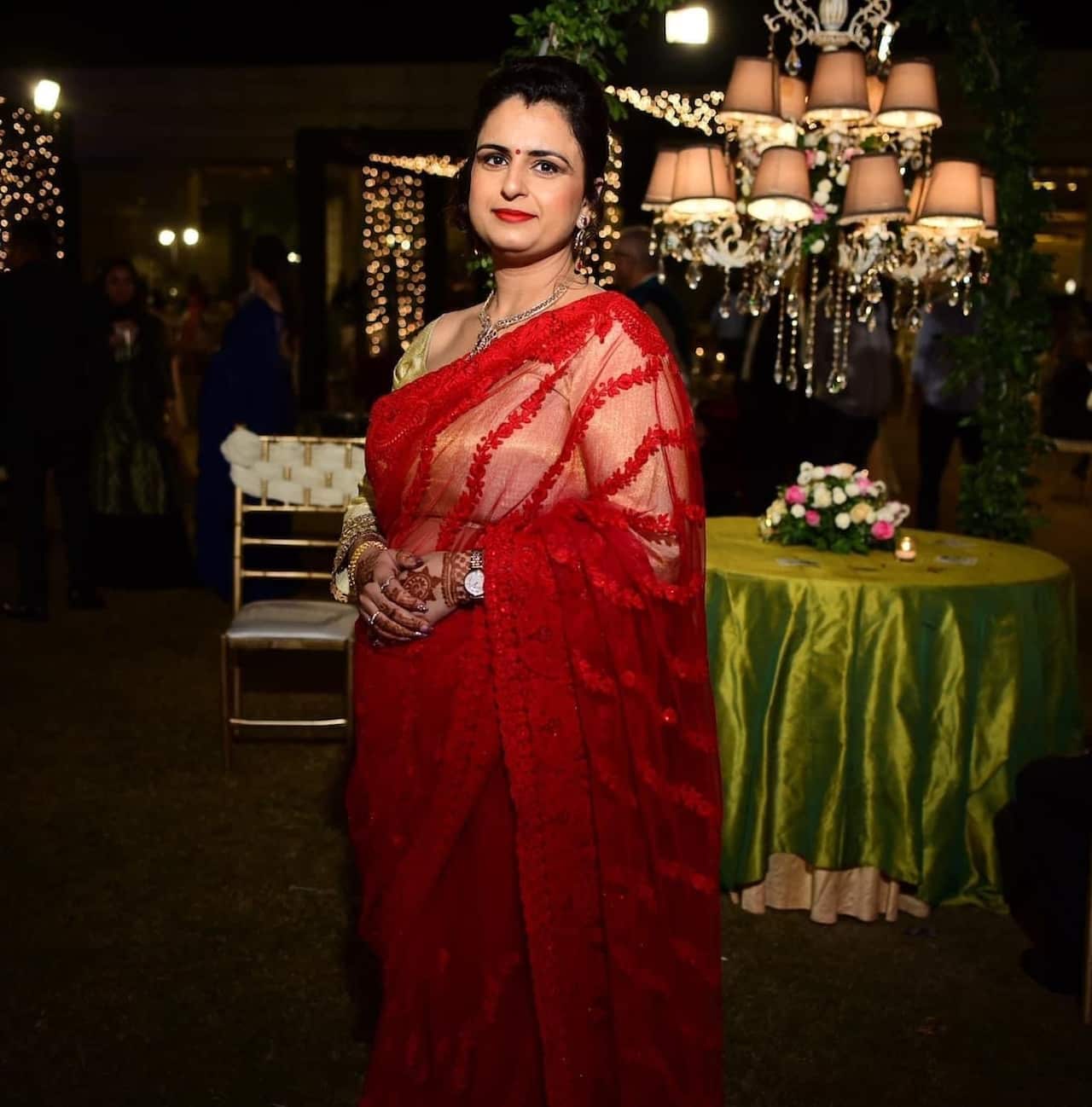
“Even now, I see so many people asking on our Facebook page about where to find threading parlours. In India, waxing isn’t really common for eyebrows and upper lips. We mostly rely on threading.”
Beautician Preet Kaur, who operates a mobile service in Melbourne, recalls her initial shock at seeing facial waxing when she was offered it for the first time in Australia, having been unfamiliar with the practice before.
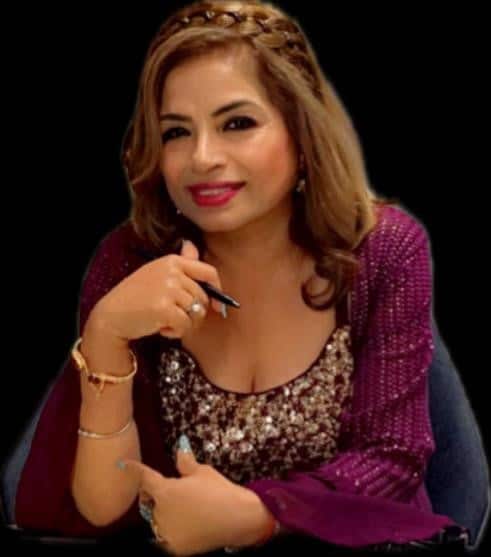
“Earlier, there were very few places offering threading, but now there are many outlets. New migrants and even international students with threading skills can easily find work in salons,” she says.
Melbourne salon owner Ruchi Gupta agrees, noting that threading, a technique rooted in India, has opened new opportunities for migrant women.
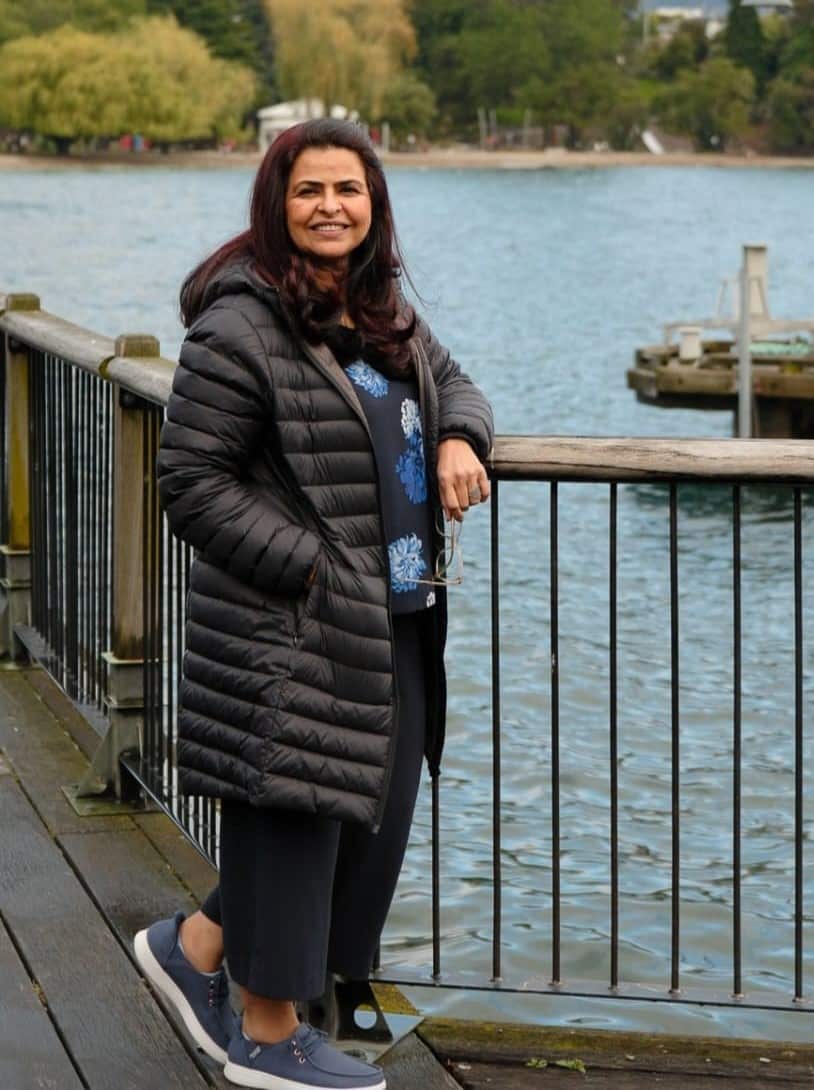
“So many Indian women now run this as a small business from their homes or even as a mobile service. It’s become very popular here,” she adds.
Niche or nationwide?
What began as a niche service within migrant communities has evolved into a mainstream beauty offering.
Today, several beauty companies run dedicated brow parlours across Australia, employing many migrant women.
Abrar Faisal, representing one of Australia’s beauty company, told SBS Hindi that the company launched its services in 2013 and has since expanded to 81 outlets nationwide.
“Cost, procedural precision and skin sensitivity are the key factors,” he said, adding that people are mainly motivated by self-care and maintaining a well-groomed appearance, and that the practice is now widely accepted by men as well.
However, major beauty retailers such as Myer have yet to adopt threading.
Expert's view
Despite its growing popularity, threading has not been formally recognised as a trend within the Australian beauty industry.
Indian diaspora researcher Dr Surjeet Dhanji told SBS Hindi that the sector remains niche, unlike the commercially successful nail salon industry dominated by other Asian migrant communities.

“Threading has created employment opportunities for many women from Indian communities, offering relatively easy and short-term income,” she said.
Dr Dhanji added that Australia adopted the technique relatively late and that it is often bundled with other beauty services.
“On its own, threading is not very lucrative and requires a large client base,” she said.
What is threading?
Threading is an ancient hair-removal technique believed to have originated in India and the Middle East. It involves twisting a thin thread and rolling it over unwanted hair, with the friction pulling the hair out from the root.
The technique does not involve the use of any chemicals.
In Australia, threading services typically cost between $5 and $20.
Beauty trends in Australia
In 2023, a Finder survey of 1,073 respondents found that two in five Australians (41 per cent), around 8.3 million people, indulge in self-care treatments each month.
On average, Australians spend $431 per month on beauty services.
Women bear a significantly higher share of beauty-related expenses, with three in five (57 per cent) spending on these treatments, compared with just one in four men (26 per cent).
Sarah Megginson, money expert at Finders said that it's clear many Aussies love their self-care regimes.
"Despite rising costs, people are spending a big portion of their incomes on personal care.
Find our podcasts here at SBS Hindi Podcast Collection. You can also tune in to SBS Hindi at 5pm on SBS South Asian on digital radio, on channel 305 on your television, via the SBS Audio app or stream from our website.