

News about violent events or natural disasters can elicit a variety of emotional responses in children. What can we do to help them?
Note: The information shared in this interview is of general nature, not a health advice and may not suit your personal circumstances. Contact your health professional or doctor for clear advice about your situation.
News of violence or natural disasters can leave children feeling anxious, frightened, or angry. Some children talk about what they’re feeling, while others show it through changes in behaviour.
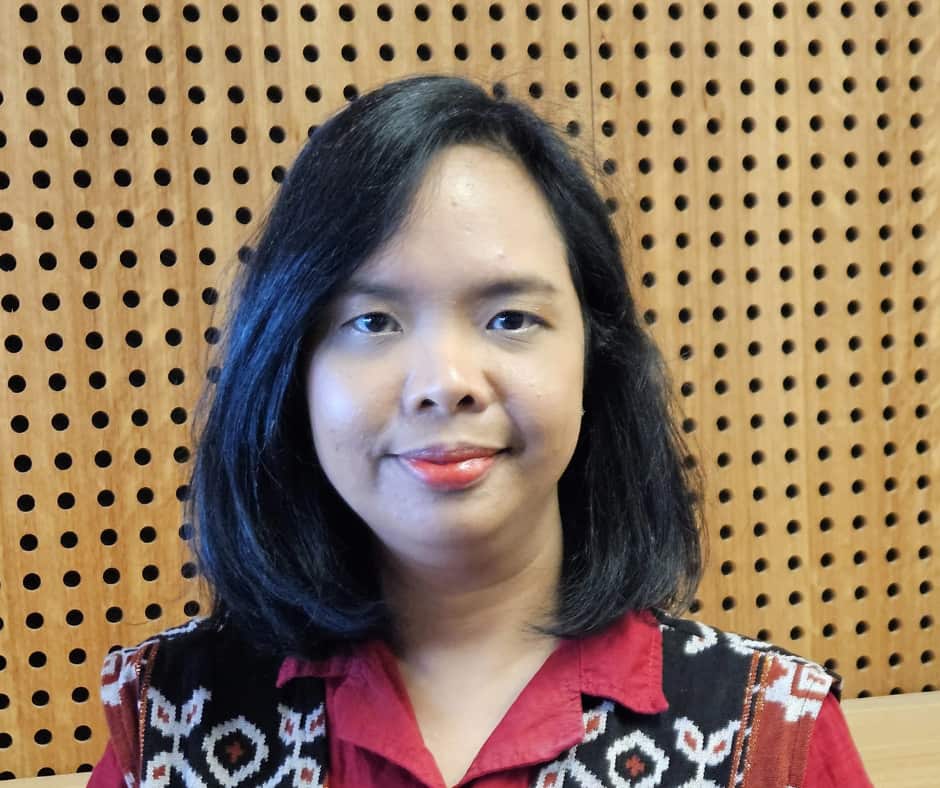
Reneta Kristiani, a clinical child psychologist, a psychology lecturer at Atma Jaya Catholic University of Indonesia, and a PhD candidate in Early Childhood Education at Monash University, said reactions such as fear, sadness, anxiety, or shock after hearing about a major tragedy were normal because children were trying to make sense of a threat to their safety.
Parents didn’t need to avoid the topic. Instead, parents could stay close, listen, and help children understand what had happened in ways that matched their age, Kristiani said.
For preschool-aged children, Kristiani said, adults could start by naming the child’s emotions and offering reassurance in simple words. Rather than giving a long explanation, she said, parents should focus on helping the child calm down––through comfort, slow breathing together, and keeping regular routines around sleep and meals.
For school-aged children (including teenagers), Kristiani said parents should first check what the child had heard and how they understood it. Parents could then correct misinformation, explain only what was necessary without distressing detail, and focus on what helps children feel safer––such as who to contact in an emergency, what to do if separated, and the fact that adults or authorities were managing the situation, she said.
Repeated exposure to news coverage could worsen anxiety and make children feel danger was everywhere, so parents should limit how much children see, Kristiani said.
Kristiani also discussed a practical “3L” approach: Look–Listen–Link. “Look” means ensuring a child’s basic needs and safety were in place. “Listen” means taking a child’s feelings seriously and not dismissing them, because children can respond very differently to the same event. “Link” means connecting the child and family with the right support when needed––such as teachers, school counsellors, or health professionals.
The same order of steps applied when a child experienced a disaster directly: make sure they were safe, meet immediate needs, and then gradually return to normal routines, Kristiani said.
Simple activities––playing, drawing, telling stories, and getting back to everyday schedules––could help children regain a sense of normal life, Kristiani said. For older children, giving them a small, safe role, such as helping distribute items or preparing supplies, could also build a sense of agency and control, she said.
Parents could consider speaking with a health professional or doctor if a child’s anxiety lasted longer than a month, became more severe, and interfered with day-to-day life, Kristiani said.
Listen to the full podcast.