
For diaspora communities and young Australians alike, Bahasa Indonesia is not just a mother tongue or school subject. It is an identity and a bridge between two neighbouring nations.
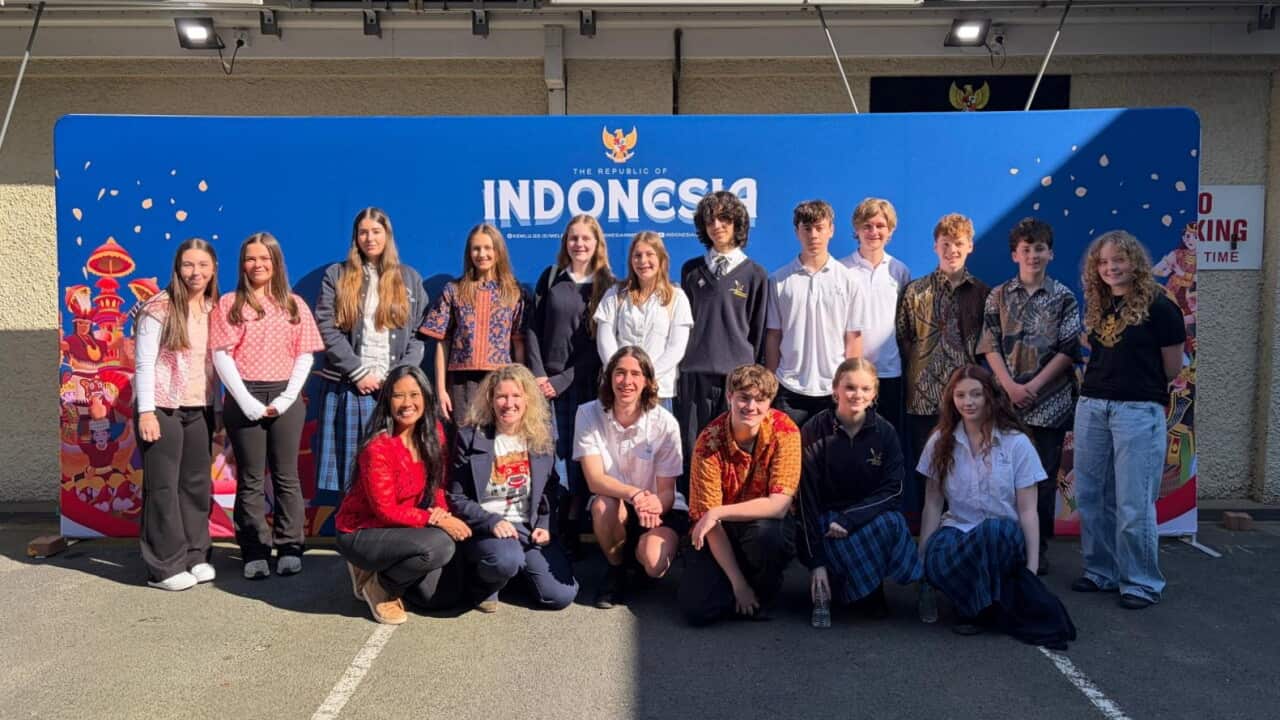
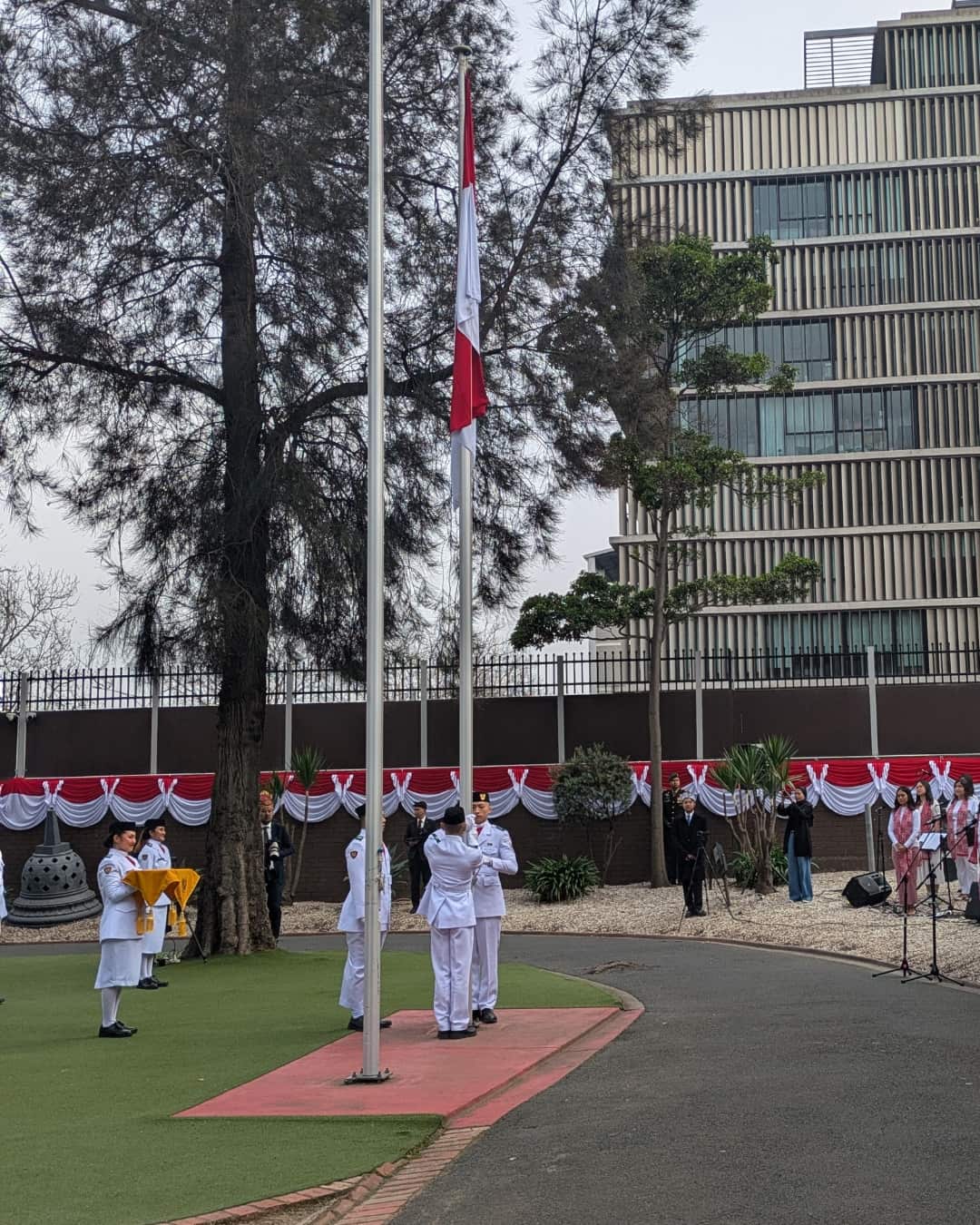
Students from Dromana Secondary College took to the stage at the Indonesian Consulate-General in Melbourne during the country's 81st Independence Day celebration, performing Indonesian songs including "Tanah Airku" and "Laskar Pelangi". The young Australians all study Indonesian at their school.
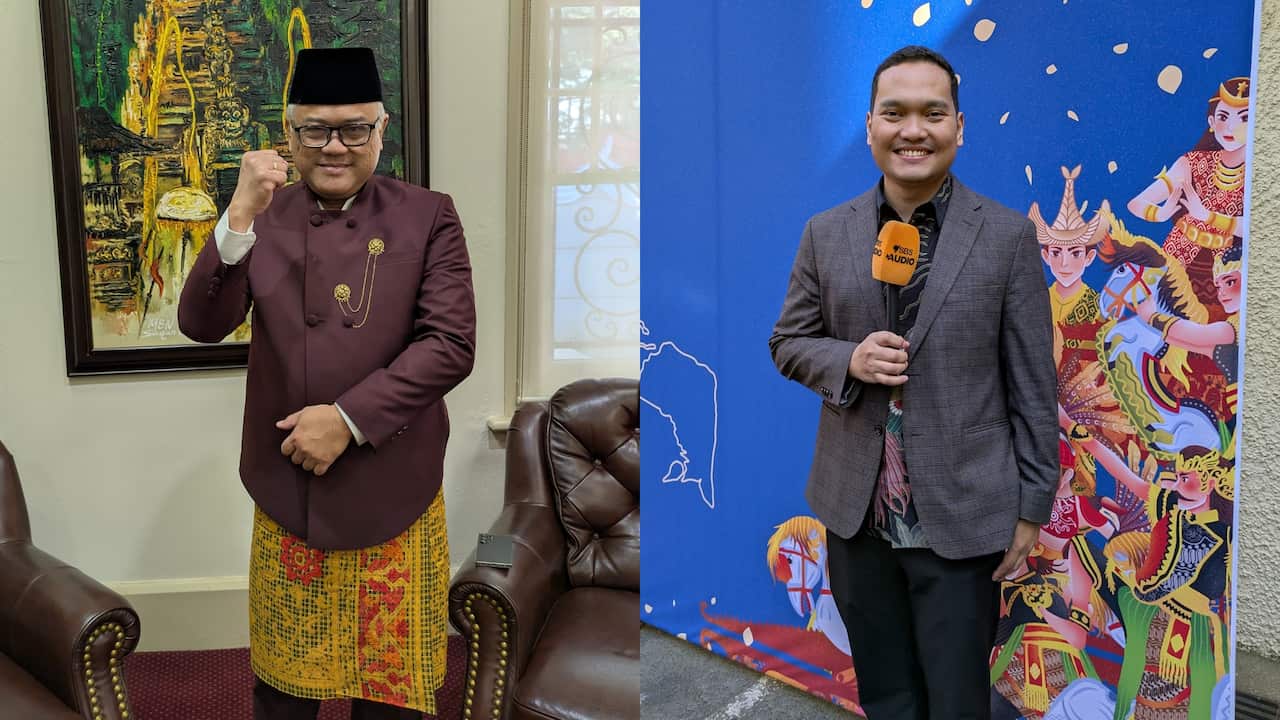
The performance was a powerful example of how the language is no longer confined to the classroom, said Yohannes Jatmiko Heru Prasetyo, the Indonesian Consul-General for Victoria and Tasmania. Students are now engaging with it through popular culture and music, he said.
Learning Indonesian goes well beyond communication. It opens a window into the mentality and culture of the Indonesian people, Mr Prasetyo said. He drew parallels with Japan's anime and South Korea's K-pop, saying Indonesia's own popular culture has similar potential to spark a genuine love for the language abroad.
The Indonesian language isn't just a language. It's a style, a mentality of the Indonesian people.Yohannes Jatmiko Heru Prasetyo, Konsul Jenderal RI untuk Victoria dan Tasmania
Dr Jonathan Hasian Haposan, a PhD candidate in Child and Adolescent Health at the University of Melbourne, who received the Konjen RI Melbourne Award 2026 that evening, said the language also plays a vital role in research collaboration between Australia and Indonesia. When Australian researchers understand Indonesian, they gain a deeper grasp of the society they are studying, he said. That shift turns research "about" Indonesia into research "with" Indonesia, he added.
Bahasa Indonesia is our identity.Dr. Jonathan Hasian Haposan
The Indonesian language, Dr Haposan added, remains essential for the diaspora in Australia, including in helping Indonesian students who face language barriers when accessing healthcare.
Listen to the full podcast.