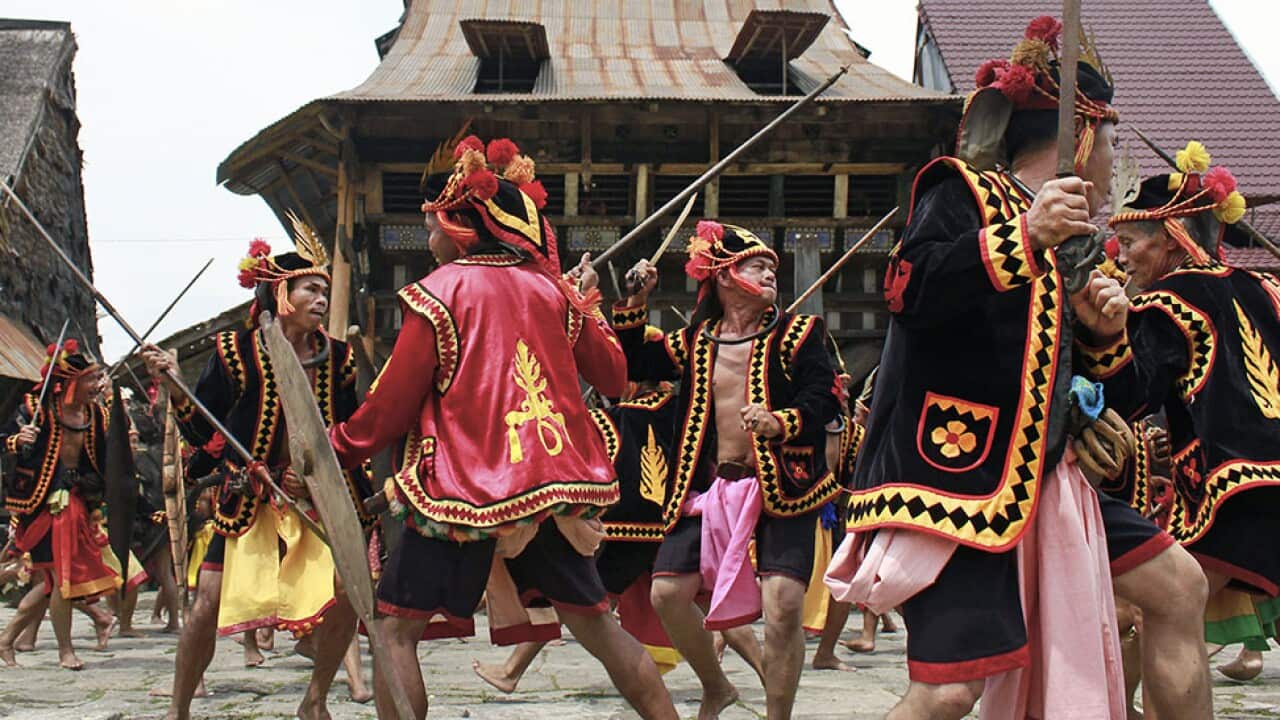

The Nias Islands in western Sumatra have different cultures and origins due to their separate location from Sumatra Island which makes Nias an important part of Indonesian and world history.
The Nias Islands are a series of small islands that exist on the western side of Sumatra Island and enter the province of North Sumatra.
Because it is separate, Nias have a different culture and community origins to those on the island of Sumatra. Reportedly, the ancestors of the Nias people came from Taiwan as well as the Philippines.
The rich culture and history of Nias has now been well managed by the Nias Heritage Museum which stands due to the care of a number of foreigners as well as the citizens of Nias themselves.
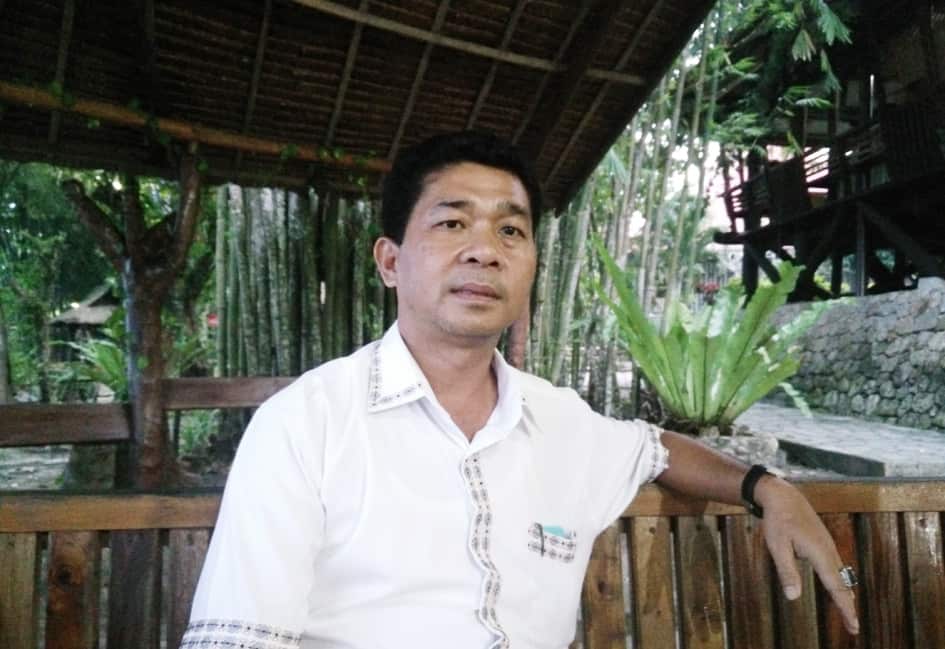
The director of the Nias Pusaka Museum, Nata'ului Duha explained to SBS Indonesian, what they do and why Nias is important in Indonesian history and even world history.
Nias currently consists of 4 districts and 1 city. Their connection to Sumatra was not easy, Mr. Nata said. From the town of Mount Sitoli to Sibolga for example, requires an 8-hour sea boat cruise. Fast boats are sometimes available, with a travel time of 4 hours but uncertain due to weather factors.
Nias society is also different from Sumatran society in general. The results of the Nias Heritage Museum DNA research in collaboration with researchers from Germany, from its DNA, the Nias people today are very similar or almost identical to one of the tribes in Taiwan, from the paternal lineage. While of maternal lineage, it is very similar to Filipinos.
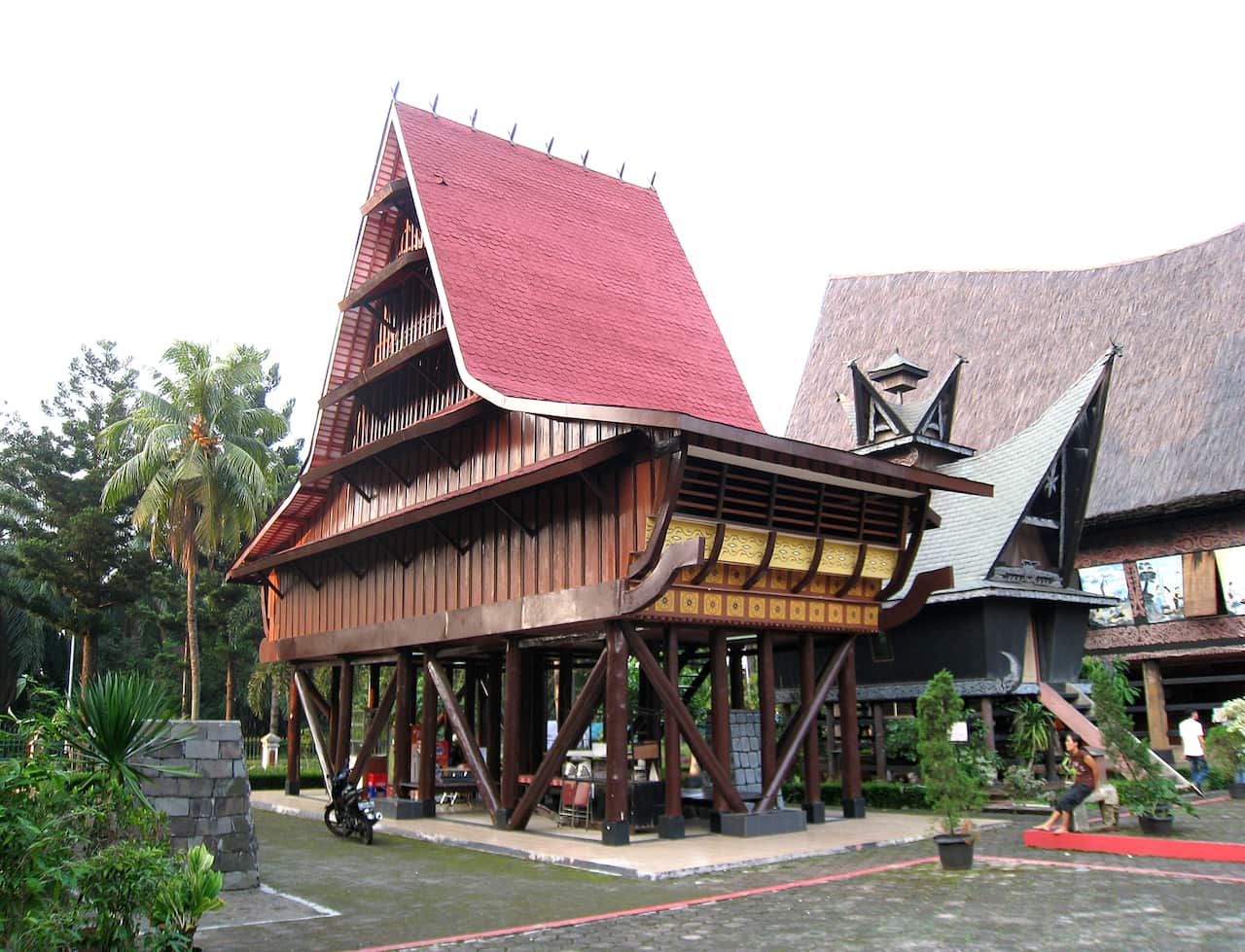
The traditional house developed is also unique because it was influenced by the geographical conditions of Nias, which has been an earthquake track since ancient times. The architecture developed was heavily influenced by earthquakes.
Since this cultural diversity takes place in Nias, the role of the Nias Heritage Museum becomes even more important. The culture of the people on the south side is different from those living on the north side. Even the people of Teluk Dalang, have all the traditions very different from other peoples in Nias.