

An investigation by Swiss NGO Public Eye with the International Food Baby Action Network (IBFAN) found that certain baby food products produced by Nestle for sale in poor countries such as Indonesia contained added sugar levels.
The Swiss nonprofit group, Public Eye, denounced what they called Nestlé's “dangerous double standards,” which they said contributed to an increase in obesity “and led children to develop a lifelong preference for sugary products.”
The report compared the sugar content of Cerelac instant cereal and Nido milk powder, two of Nestlé's top-selling baby food brands in low- and middle-income countries, including Indonesia, which generated more than $2.5 billion by 2022.
Of the 115 products in circulation in Africa, Asia, and Latin America, 106 products contain added sugar.
Nestle has also been harshly rebuked by UNICEF and WHO. As a result, in 2022 WHO issued rules to protect the Health of babies and children, especially from instant products, in particular infant formula.
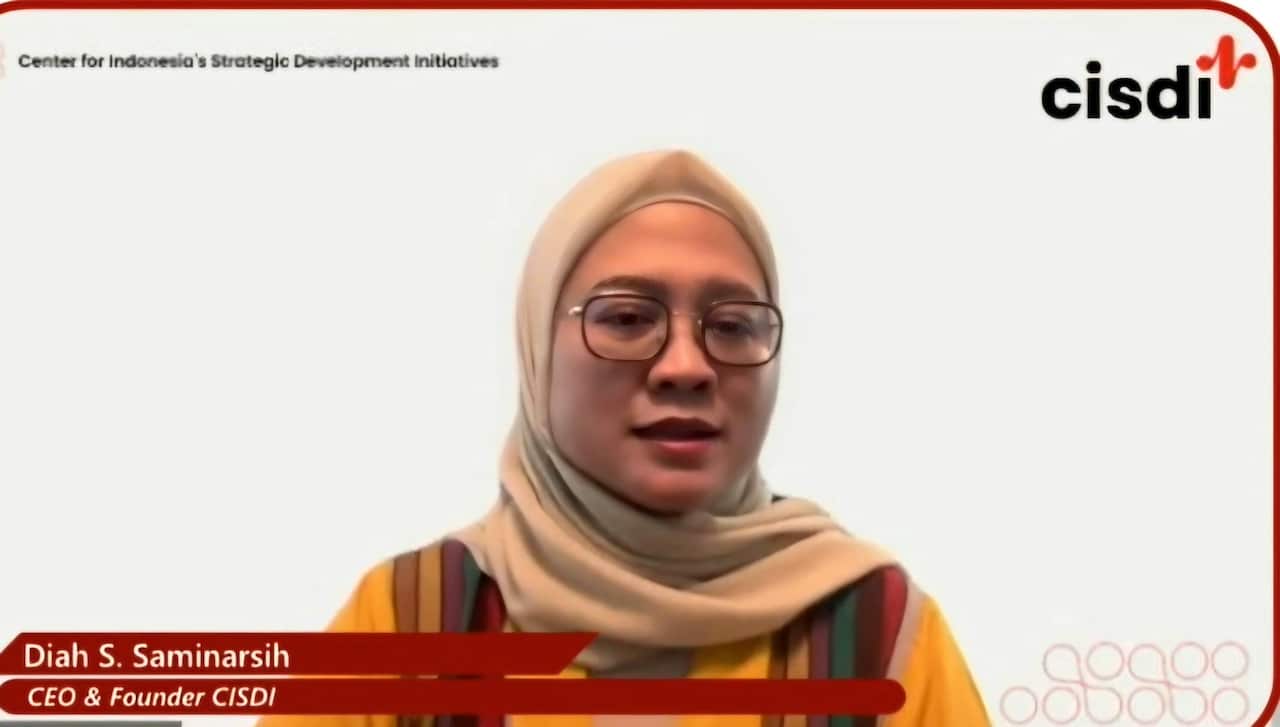
Diah S. Saminarsih, CEO & founder of Center for Indonesia's Strategic Development Initiatives (CISDI), lamented the findings, as it is not the first time Nestle has added sugar in food and baby products.
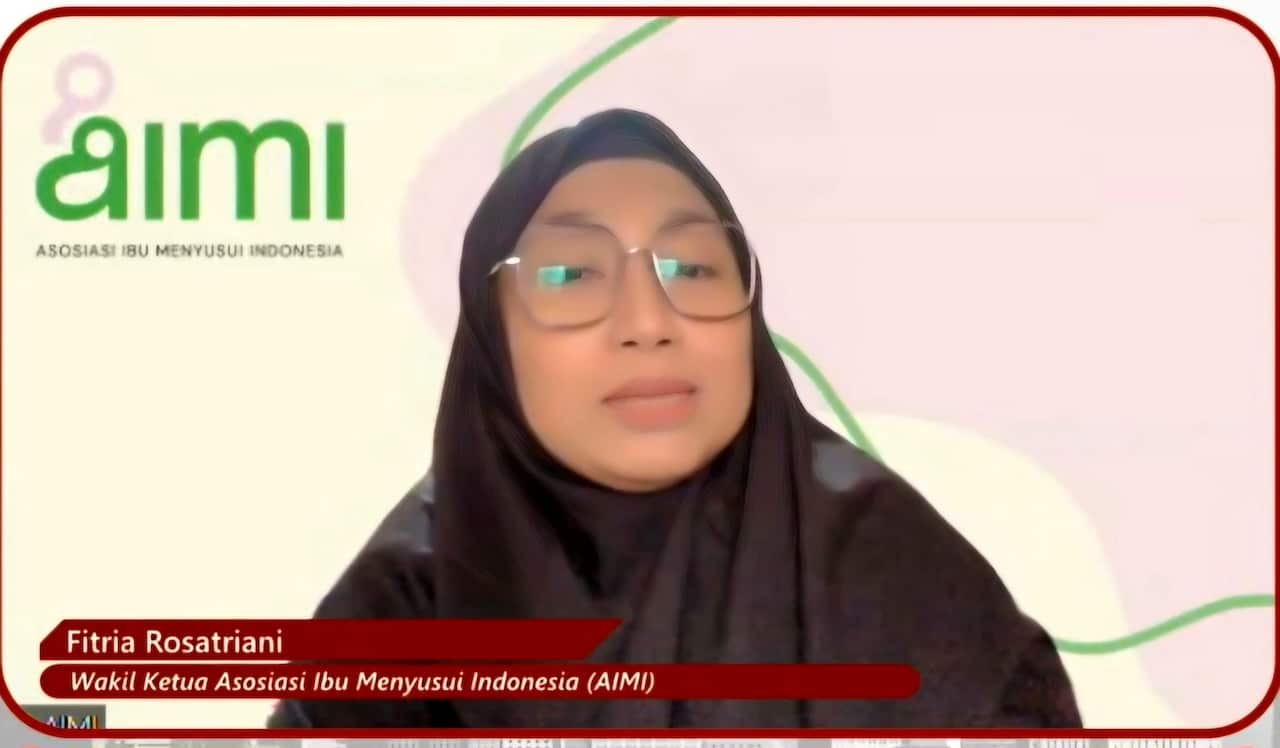
Fitria Rosatriani, Waki Chairman of the Indonesian Association of Breastfeeding Mothers (AIMI), part of IBFAN Asia, said it found nearly four grams of added sugar or one teaspoon per serving of Nestle's baby and food products.
However, unfortunately, these WHO guidelines are not followed up by the government by making regulations within the country. It was this condition, according to Diah, that caused the Nestle case to recur.
Diah pushed for the implementation of an excise duty on packaged sweetened beverages (MBDK), including infant formula.
In response to the allegations, Nestle issued a statement on its website titled “Nestlé position on the Public Eye report on its baby food portfolio”.
Listen to SBS Indonesian every Monday, Wednesday, Friday and Sunday am 3pm.