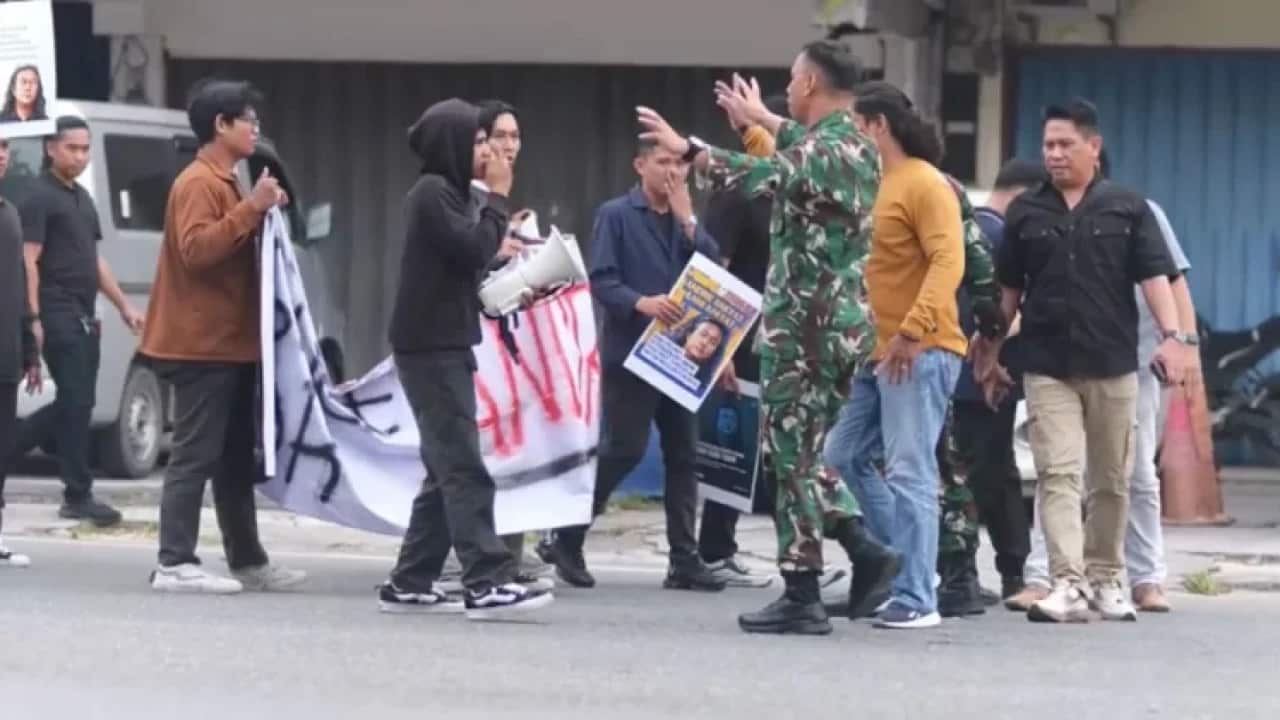

The action of the civil society group, consisting of activists and students in Balikpapan, East Kalimantan, on Wednesday 1 April 2026, received a negative response from the military.
This solidarity action by activists and students in Balikpapan in response to the violent attack on the Contras activist Andrie Yunus, led to intimidation by the military forces even though all the conditions for licensing the action had been met.
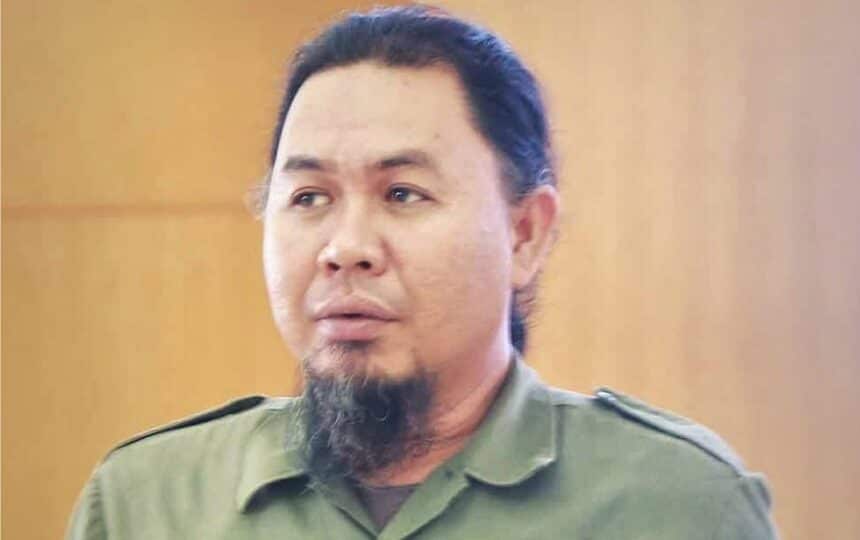
The coordinator of Pokja 30, Buyung Marajo, assessed the incident as a portrait of rising military violence in Indonesia, particularly in East Kalimantan, where the authorities often engage in conflicts with indigenous peoples in the extractive industry sector as well as alleged dark businesses.
This condition is compounded by the large number of military personnel occupying public office, which is judged to undermine the democratic order because the military chain of command system tends to ignore the aspirational demands of society.
This military dominance in the civilian sphere is not a new phenomenon, but rather a pattern of leadership that has continued from Jokowi to Prabowo's reign in favour of managing the government with an iron hand.
As a result, oversight of abuses of authority has become difficult due to legal inequalities, where violations by the military authorities are often solved covertly or simply through the granting of compensation, while civil actions against the authorities are subject to heavy legal sanctions.
Civil society groups continue to urge that the military be returned to its primary function and public office fully handed over to civilians in order to restore public confidence in the state.
—————————————————— Nurhadi Sucahyo
Listen to SBS Indonesian every Monday, Wednesday, Friday and Sunday at 3pm.
Follow us on Facebook and Instagram, and don't miss our podcasts.