Australia Explained: Langkah pertama Anda untuk terlibat dengan Penduduk Asli Australia

Australia Explained: Indigenous Connections

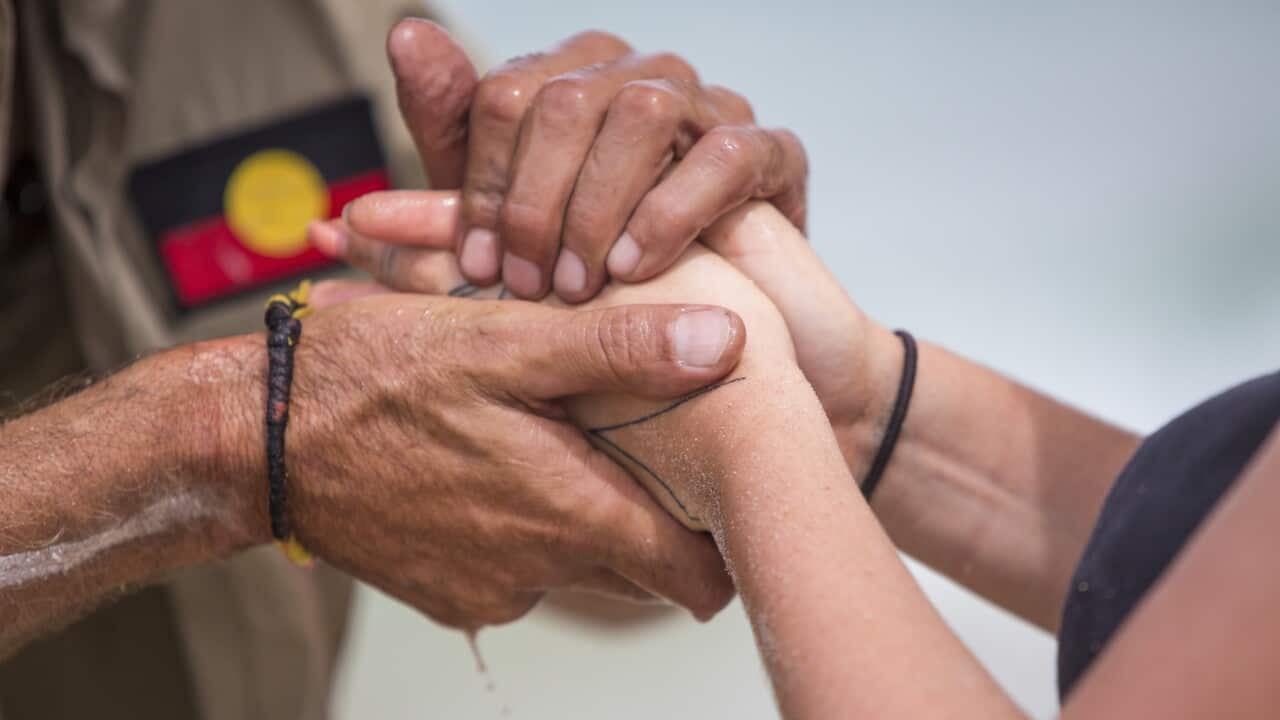
Di mana pun Anda tinggal di Australia, Anda berada di tanah dan perairan First Peoples Australia. Credit: Matthew Micah Wright/Getty Images

Terhubung dengan Pribumi Australia dapat menjadi hal yang menakutkan bagi pendatang baru di negara ini. Jadi, dari mana Anda mulai? Kami bertanya kepada wanita Yawuru Shannan Dodson, CEO Healing Foundation, tentang cara-cara sederhana untuk terlibat dengan isu-isu First Nations dan orang-orang dalam komunitas lokal Anda.


Poin Utama
  • Aborigin dan Torres Strait Islander Australia terdiri dari banyak negara dan budaya yang beragam
  • Organisasi dan acara yang dipimpin oleh penduduk asli menawarkan jalur untuk terlibat dengan masalah dan orang-orang First Nations
  • Menyadari pendekatan Anda termasuk muncul untuk belajar, mendengarkan dengan pikiran terbuka, dan mengajukan pertanyaan dengan hormat
Menyadari keragaman budaya dan komunitas Pribumi, diperlukan bagi siapa pun yang tinggal di Australia, kata wanita Yawuru Shannan Dodson, CEO Healing Foundation.

“Memahami bahwa tidak hanya ada satu jenis budaya homogen. Ada ratusan bahasa yang berbeda di seluruh negeri.

“Dan bahkan bisa mendidik diri sendiri tentang luasnya itu, saya pikir itu sangat penting.”
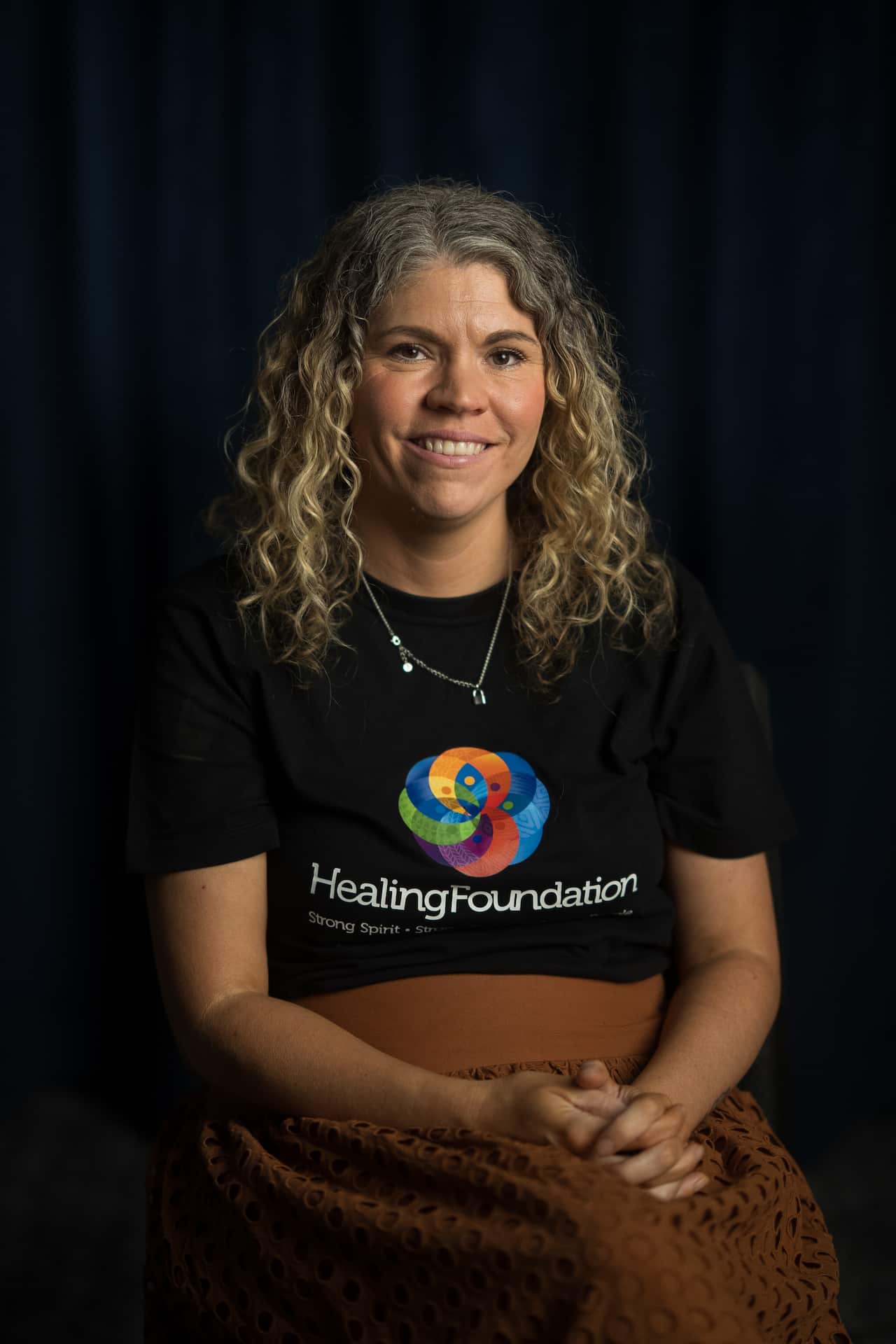
Healing Foundation_Canberra-07 (1).jpg
“It's important for anyone living in Australia to understand that Indigenous people have cared for this Country for tens of thousands of years,” Shannan Dodson says. Photo: The Healing Foundation.

Bagaimana saya bisa belajar tentang Pemilik Tradisional daerah saya?

Aborigin dan Torres Strait Islander Australia terdiri dari banyak kelompok yang berbeda dan berbeda. Penting untuk mencoba dan menemukan koneksi dengan komunitas lokal Anda, kata Ms Dodson. Tapi bagaimana Anda bisa mengetahui Negara tempat Anda tinggal?

“Memahami di mana Anda tinggal dan mengetahui di negara mana Anda berada.

“Sangat mudah akhir-akhir ini untuk mengetahui siapa Pemilik Tradisional di daerah Anda.”

Untuk peta Pribumi Australia dan informasi tentang penjaga tradisional daerah Anda, kunjungi situs web Australian Institute of Aboriginal dan Torres Strait Islander Studies.

Bagaimana saya bisa terhubung dengan penduduk asli Australia?

Jika Anda mencari peluang untuk mendukung masalah Pribumi dan terhubung dengan orang-orang, tidak perlu mencari yang lain selain di mana Anda tinggal.

“Lihatlah bagaimana Anda dapat membentuk hubungan yang lebih baik dengan organisasi Aborigin setempat.

“Apakah itu menjadi sukarelawan, memberikan beberapa jenis dukungan, atau bahkan hanya berbagi informasi dengan teman sebaya dan anggota keluarga Anda.”

Mempersempit pencarian ke negara bagian atau teritori Anda, Anda dapat mempelajari tentang masalah Pribumi khusus untuk wilayah Anda.
Australia Explained: Indigenous Connections
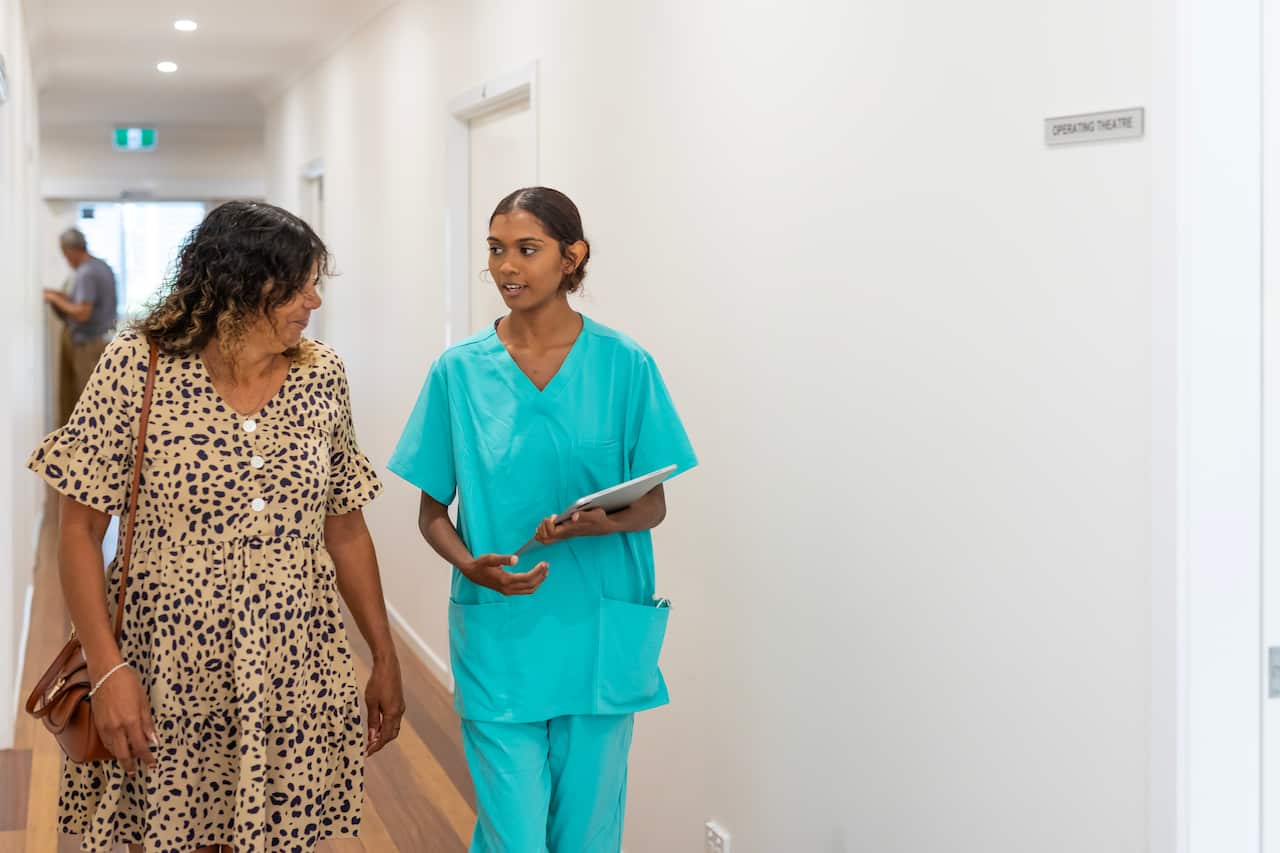
Beberapa organisasi Pribumi fokus pada isu-isu khusus untuk negara bagian dan teritori mereka sementara yang lain bekerja pada urusan Pribumi nasional, misalnya perawatan lansia. Credit: davidf/Getty Images

Di mana saya dapat menemukan informasi tepercaya tentang Aborigin dan Torres Strait Islander Australia?

Ada banyak sumber daya terpercaya yang dapat Anda akses secara online.

Ms Dodson menyarankan tiga situs nasional sebagai titik awal:

Apa saja acara dan peringatan Pribumi yang diadakan di Australia?

Menghadiri acara yang dipimpin oleh penduduk asli juga dapat menawarkan cara untuk terlibat dengan budaya dan komunitas First Nations.

“Ada banyak peluang untuk terlibat cukup banyak di setiap negara bagian dan teritori,” kata Dodson.

Misalnya, perayaan Pekan NAIDOC Nasional selama minggu pertama bulan Juli setiap tahun.

NAIDOC Week lahir dari perayaan budaya Aborigin dan Torres Strait Islander dengan cara yang positif, terbuka dan berbagi, tidak hanya untuk komunitas tersebut, tetapi juga untuk komunitas Australia yang lebih luas untuk dapat merayakannya.
Shannan Dodson, CEO Yayasan Penyembuhan
Pekan Rekonsiliasi Nasional, diadakan dari 27 Mei hingga 3 Juni menandai referendum 1967 dan peringatan keputusan Pengadilan Tinggi Mabo masing-masing.

Peringatan tahunan Permintaan Maaf kepada Masyarakat Adat Australia pada 13 Februari mendahului Hari Maaf Nasional, yang diperingati setiap tahun pada tanggal 26 Mei.

Mereka berdua mengakui 'Generasi Dicuri' anak-anak Aborigin dan Kepulauan Selat Torres yang secara paksa dikeluarkan dari keluarga mereka antara pertengahan 1800-an dan 1980-an.

“Ini adalah kesempatan untuk bersatu sebagai negara untuk memberi penghormatan kepada orang-orang yang menderita di tangan kebijakan tersebut.

“Dan juga, untuk memahami trauma yang sedang berlangsung yang masih dihadapi banyak komunitas.”
Australia Explained: Indigenous Connections
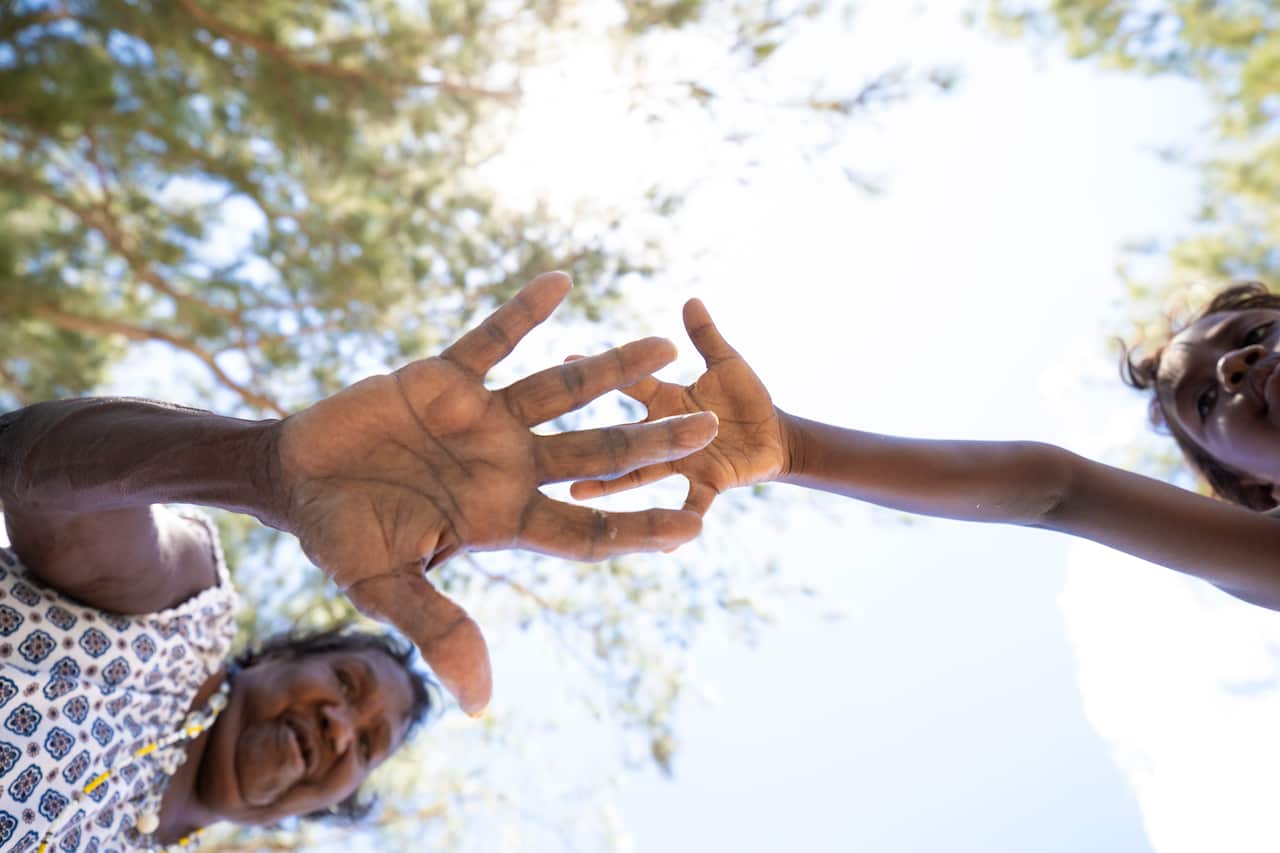
Sangat mudah untuk membuat kesalahan jika Anda menemukan mitos atau stereotip di sekitar orang dan budaya Aborigin dan Torres Strait Islander. Credit: WANDER WOMEN COLLECTIVE/Getty Images

Bagaimana saya bisa menjadi sekutu yang baik bagi orang-orang First Nations Australia?

Saat mencari peluang untuk terlibat dengan Pribumi Australia, penting untuk memperhatikan pendekatan Anda.
“Menjadi sekutu yang terhormat atau seseorang yang ingin belajar lebih banyak, berarti mendengarkan dengan pikiran terbuka, berjalan di samping tidak memimpin, dan berpikir tentang bagaimana Anda memperkuat suara-suara Pribumi itu dengan cara yang mereka pilih dan kendalikan.”

Ms Dodson berbagi satu nasihat tentang cara memulai.

“Tampil dengan hati terbuka dan pikiran terbuka.

“Komunitas kami sangat ramah, dan kami ingin berbagi tentang siapa kami, sejarah kami, budaya kami.”

Jika Anda bisa muncul, itulah langkah pertama untuk membangun hubungan yang lebih baik itu.
Shannan Dodson, CEO Yayasan Penyembuhan
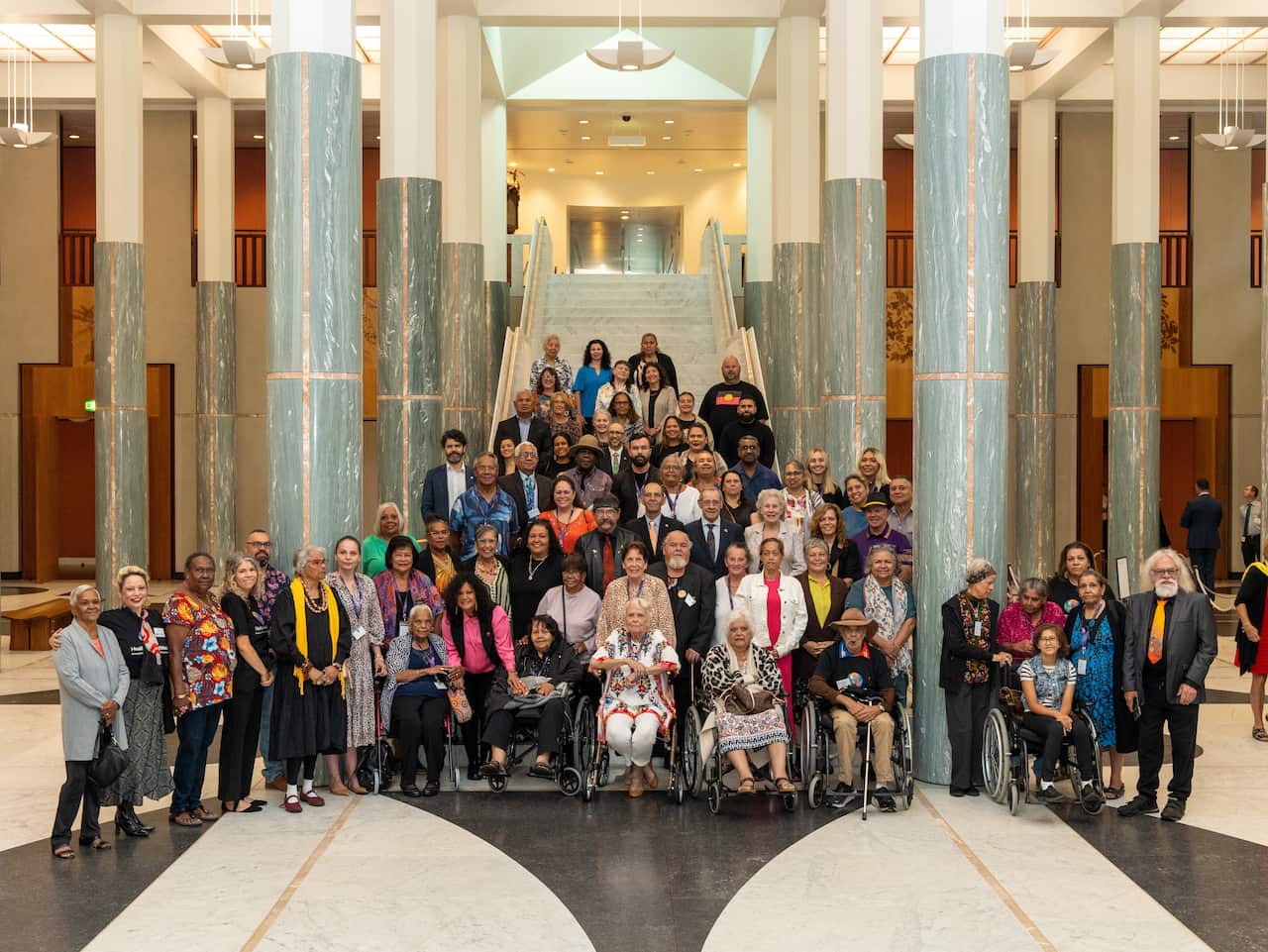
Survivors group shot.jpg
Group shot from the February 2025 anniversary of the National Apology to the Stolen Generations. It includes survivors, descendants, THF staff, Minister for Indigenous Australians Malarndirri McCarthy and other community members. Photo: The Healing Foundation

Bagaimana jika saya mengatakan sesuatu yang salah ketika berbicara dengan orang Pribumi?

Belajar tentang budaya berkelanjutan tertua di dunia dan memahami semua nuansa di balik sejarah penjajahan, membutuhkan waktu dan usaha.

Dapat dimengerti bahwa masyarakat non-pribumi terkadang takut “salah atau mengatakan hal yang salah”, kata Dodson.

“Tapi saya tidak berpikir bahwa ketakutan itu harus menghentikan orang untuk terlibat.

“Karena intinya adalah terbuka, mengajukan pertanyaan. Dan kebanyakan orang akan tahu bagaimana melakukannya dengan cara yang hormat.”
Berlangganan atau ikuti podcast Australia Explained untuk informasi dan tips lebih berharga tentang menetap di kehidupan baru Anda di Australia.

Apakah Anda memiliki pertanyaan atau ide topik? Kirimkan email ke australiaexplained@sbs.com.au

Dengarkan SBS Indonesian setiap hari Senin, Rabu, Jumat, dan Minggu jam 3 sore. Ikuti kami di Facebook dan Instagram, serta jangan lewatkan podcast kami.
spk_0

SBS acknowledges the Traditional Custodians of Country and their connections and continuous care for the skies, lands and waterways across Australia.

spk_1

You're listening to Australia Explained, an SBS audio podcast helping you navigate life in Australia.

spk_2

I'm Lowanna Grant, executive producer of NITV Radio, and I'll be your host for this special episode of the Australia Explained. If you're new to Australia, you might notice many references to traditional owners, country, or First Nations. Many people settling here want to understand what that means and how to engage in a respectful way. Taking those first steps can feel uncertain, but they're part of learning how to Place works and finding your footing.

spk_2

Australia's First Nations people have lived on and cared for this land for more than 60,000 years. Understanding and respecting this connection can help you feel more grounded as you settle into your new home. In this episode, we share simple and meaningful ways to start learning about First Nations cultures and communities, no matter where you live and no matter your English level or background.

spk_2

Moving to a new country can be overwhelming. Many migrants want to connect with indigenous cultures but feel unsure about the right way to start. Some worry about saying the wrong thing, while others simply don't know where to begin. So what does a meaningful first step actually look like? We asked Yawuru woman Shannan Dodson, the CEO of the Healing Foundation, to guide us. She says the journey begins with understanding that there is no

spk_2

single "indigenous culture", there are actually many.

spk_3

There is importance in being able to educate yourself around the story of Aboriginal and Torres Strait Islander people as a unique people that have the oldest continuing cultures in the world and understanding that there is not just one sort of homogeneous culture. There's hundreds of different languages across the country and even just to be able to educate yourself about.

spk_3

That vastness, I think is really important.

spk_2

This first step can be done online in your own time and in plain English. Learning about the diversity of First Nations peoples can make you feel more confident and prepared when you meet people face to face. Once you've taken some time to learn about this diversity, the next step is to understand the country you live on now, the land you walk on, work,

spk_2

and raise your family on.

spk_3

It's important to try and find some connections with your local community, understanding where you live and knowing what country you're on. It's very easy these days to find out who the traditional owners are in your area, and there are often ways to be able to connect with traditional owners or Aboriginal people in your area, whether it be through

spk_3

Aboriginal land councils or cultural centres or other Aboriginal groups that do community events.

spk_2

A simple search using the words traditional owners plus your suburb will often give you reliable results. Your local council website is another great place to start. If you're living in a regional area, these websites often list community festivals, local tours, workshops, or family-friendly events.

spk_2

For a broader view, every state and territory has indigenous organisations that offer culture-specific resources. These can help you learn at your own pace. Shannon Dodson adds that national organisations can also support you as you start your journey. The list is not exhaustive, but it's a solid place to begin.

spk_3

The Healing Foundation is an organisation that supports Stolen Generation survivors

spk_3

and stolen generation organisations. There's also the Australian Institute of Aboriginal and Torres Strait Islander Studies, which has a great amount of resources around language and culture and historical records. You also have Reconciliation Australia which has information about the reconciliation process in Australia and how we can better relationships between indigenous and non-Indigenous people.

spk_2

You might feel more comfortable joining group activities, Shannon says this is a great option.

spk_2

Across Australia, there are many community-led events that welcome people from all backgrounds.

spk_3

There's NIDOC Week every year in July, which was really born out of celebrating Aboriginal and Torres Strait Islander cultures in a really positive, open, and sharing way. We also have Reconciliation Week, end of May, early June.

spk_3

And one of the huge events for our organisation is the annual anniversary of the apology to the Stolen Generations in February, but also Sorry Day, which is in May.

spk_2

These events often include music, art, dance, food, and storytelling activities that don't require strong English skills and are often suitable for families. Assefa Bekele from the Sydney Ethiopian Community has experience working with the indigenous community.

spk_2

He explains how engaging with First Nations cultures can help you cultivate a sense of belonging.

spk_4

It's very important. I used to be a multicultural community liaison officer here in New South Wales. And there must be some sense of belonging for every individual, every citizen, particularly those who came from overseas and the Indigenous Australians who lived here for almost over 60,000 years.

spk_4

And it's better to share history, culture and everything, and really develop the sense of belonging and togetherness.

spk_2

However, for many new arrivals, there might be a fear of making mistakes. Ms Dodson says that many people, both migrants and long-term Australians, feel nervous about doing or saying the wrong thing.

spk_3

I think sometimes there is a fear of getting it wrong or saying the wrong thing, which I understand, but also I don't think that that fear should stop people from engaging because the whole point is to be open, to be asking questions, and most people would know how to do that in a respectful way with anyone. It doesn't matter if you're Aboriginal and Torres Strait Islander or anyone.

spk_2

Building meaningful relationships requires trust and takes time. Listening is the most important skill. No special knowledge needed, but it all starts with one step, Ms Dodson says.

spk_3

I think my advice is to show up, to have an open heart and an open mind. Our communities are very welcoming, and we are wanting to share about who we are, our history,

spk_3

our culture, our communities, and I think that if you can show up, that's the first step to building those better relationships.

spk_2

Whether you've been in Australia for 6 months or 6 years, connecting with Indigenous Australia is not about being perfect. It's about being present, being curious, and being respectful. For many new migrants, it can also be a powerful way to feel more at home.

spk_2

Thank you for listening to this episode of Australia Explained, written and produced by Zoe Thomaidou. Sound design and mix is by Maram Ismail, Australia Explained managing editor is Roza Germain, and I'm Luna Grant. Until next time.

spk_1

This was an SBS audio podcast. For more Australia explained stories, visit sbs.com.au/Australiaexplained.

spk_5

Subscribe or follow the Australia Explained podcast for more valuable information and tips about settling into your new life in Australia. Do you have any questions or topic ideas? Send us an email to australiaexplained@sbs.com.au.

END OF TRANSCRIPT

Share
Follow SBS Indonesian

Download our apps
SBS Audio
SBS On Demand

Listen to our podcasts
Independent news and stories connecting you to life in Australia and Indonesian-speaking Australians.
Ease into the English language and Australian culture. We make learning English convenient, fun and practical.
Get the latest with our exclusive in-language podcasts on your favourite podcast apps.

Watch on SBS
SBS Indonesian News

SBS Indonesian News

Watch it onDemand