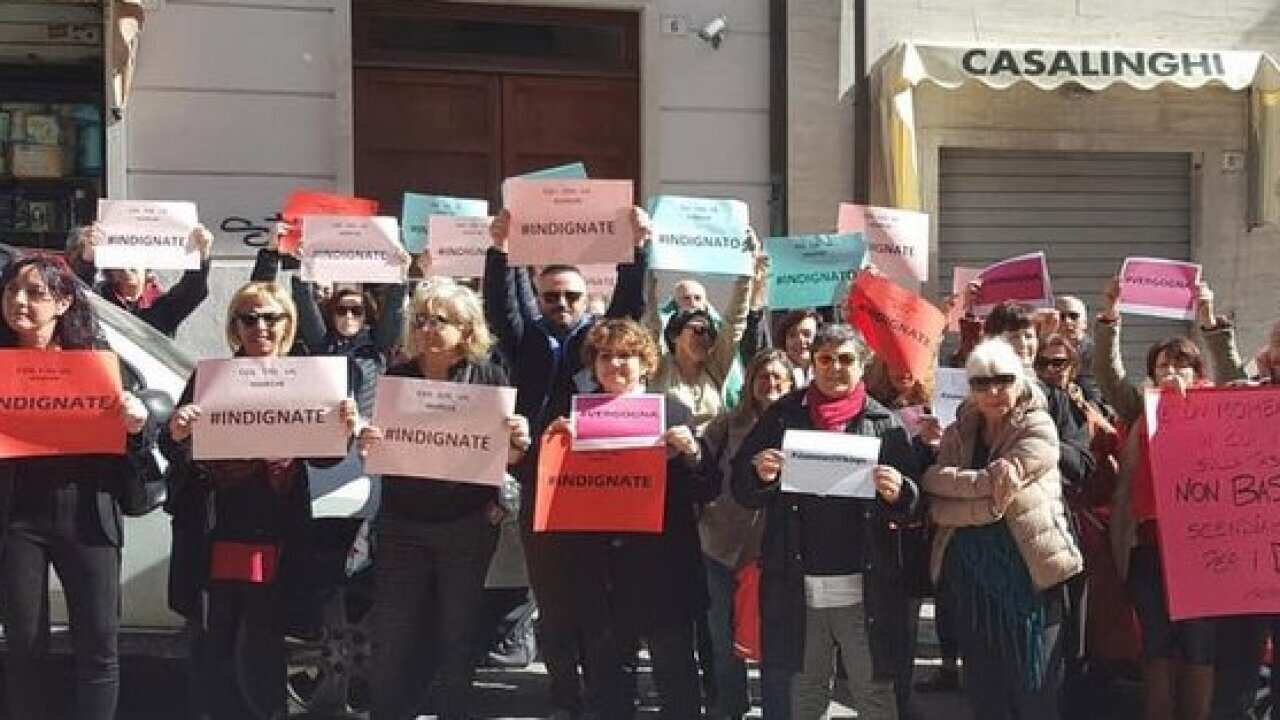
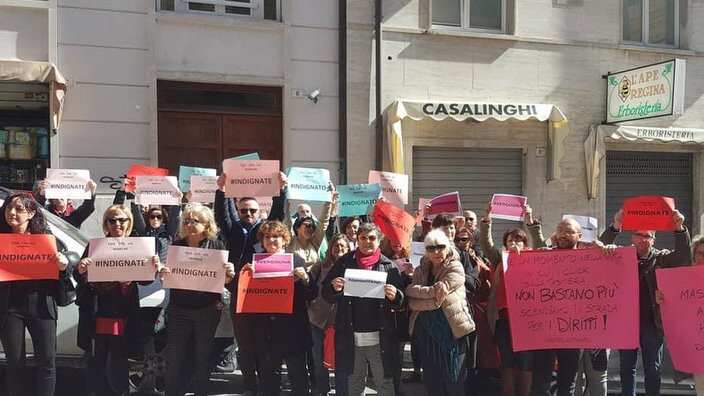
Protests erupted in Ancona, Italy in March when the reasoning behind the acquittal of a 2015 rape case was published after the Italian High Court overturned the verdict. In the acquittal verdict, it turned out, a panel of female Italian judges had cited an alleged rape victim's masculinity as one of the reasons to acquit her alleged attackers on the basis that they would not be attracted to her.
The judge's reasoning for the acquittal, which included statements on the woman's "masculine" physical appearance, has sparked controversy as it comes in a series of contentious court decisions that some Italians say are made using sexist language.
Valeria Valente, an Italian Senator and president of the parliamentary Commission on gender violence, tells SBS Italian that the rape acquittal on the basis of alleged attackers not being attracted to a victim who "looked like a man" is not an isolated case in Italy.
"It uses a language that has been used in other recent sentences, which is concerning," Valente says.
According to Senator Valente, these sentences are being delivered in a climate and a social moment where there is a strong risk of cultural regression, particularly in Italy.
"This especially with regards to the rights and freedoms gained in the past by women and the role they fought to achieve in our society."
On March 2 of this year, an appeal court in Bologna handed down what was described as a particularly lenient sentence to a man who murdered an ex-partner, justifying the decision saying that the perpetrator was overwhelmed by an "emotional storm caused by his jealousy".
In another July 2018 ruling, the High Court stated that certain aggravating factors do not apply to a rape case if the victim voluntarily intoxicated herself.
Another sentence attracting headlines in Italy this week is the decision to give a Genoa man who killed his wife a 16 year prison sentence – 14 years fewer than the public prosecutor had asked for – on the basis, among other factors, that he had suffered emotionally in the relationship.
In the Ancona case, the reference to the alleged victim's physical appearance, alongside the words used by the court describing the woman's behavior as "ruthless", sparked protests outside the Ancona appeals court.
But, according to Senator Valente, the issue here is not in the outcome of an individual trial, as much as the cumulative effect of this series of decisions, and the language used when referring to the alleged victims of violence and, increasingly, in the public space.
"It is a language that is part of this climate and we need to raise the bar of our attention," she said.
"Sentences become precedents for future cases. And sentences can also contribute to the 'unwritten laws' which are the foundations of a country's identity."
Valente worries that the growing use of sexist and stereotyped language in Italy could see society question even the very basic rights won by women.
According to Senator Valente, this is a climate in which Italian women's rights are threatened in many ways, such as recent attacks on the legislation regulating abortion, proposed changes to Italian family law and the general increase of sexist language in the public space.
"These sexist ideas have always existed but never found a way to emerge in the past as it was felt that they were the opinions of a minority and that society would consider them wrong. Now even prominent figures allow that language, therefore those forces emerge."
"If we measure the level of civilisation of a country by its women's living conditions, a regression in women's rights means a regression for the whole country," says Valente.
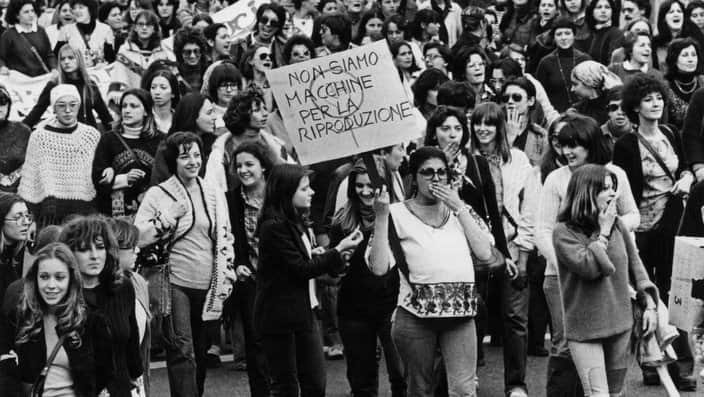
On the other hand, Italy certainly has the tools to counter such regression, as seen in recent protests.
"Large organised groups of women have increasingly mobilised, and fortunately they are also supported by many men."
It is something that, according to Senator Valente, has not happened in a long time in Italy, at least on this scale.
"Italian women have opened their eyes and realised how great the danger is."