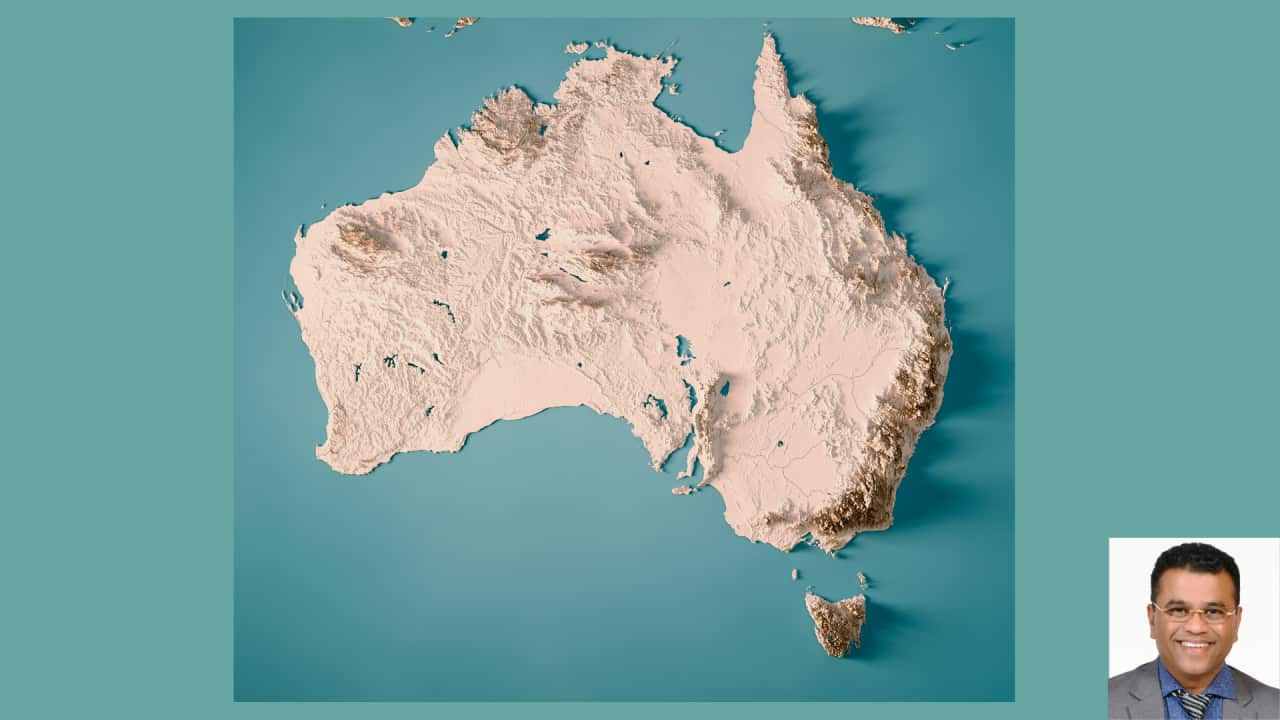


ഓസ്ട്രേലിയയുടെ ദേശീയ ദിനമായി കണക്കാക്കുന്ന ജനുവരി 26, രാജ്യത്തെ പല ജനവിഭാഗങ്ങൾക്കും വ്യത്യസ്ത വികാരങ്ങളാണ് പകരുന്നത്. ആദിമവർഗ്ഗ വിഭാഗങ്ങൾ ഇത് അധിനിവേശ ദിനമായാണ് കണക്കാക്കുന്നത്. ആദ്യ ബ്രിട്ടീഷ് കപ്പൽവ്യൂഹമെത്തിയ ദിവസമോ, കോളനിവത്കരണം ഔദ്യോഗികമായി തുടങ്ങിയ ദിവസമോ അല്ലാതിരുന്നിട്ടും എന്തുകൊണ്ട് ജനുവരി 26ന് ഇത്ര പ്രാധാന്യം കിട്ടി. അതിന്റെ ചരിത്രമാണ് ഇന്ന് ഓസ്ട്രേലിയൻ വഴികാട്ടിയിൽ വിശദീകരിക്കുന്നത്.
Read this story in English:
This article, based on an NITV video presented by John-Paul Janke, the National Indigenous Affairs Editor at the SBS and co-host of The Point on NITV. He traces how January 26 became Australia Day and why it continues to hold very different meanings for people across the country.
- What happened on January 26 in Australia?
- Did the First Fleet arrive on January 26?
- When was Australia officially founded?
- How did the landing impact First Nations?
- Why did January 26 become Australia Day?
- Does Australia Day mark federation?
- When did the name Australia Day come into use?
- Why is January 26 a Day of Mourning for First Nations peoples?
- When did Australia Day become a national public holiday?
- Why does January 26 still matter today?
What happened on January 26 in Australia?
January 26 marks the day in 1788 when Captain Arthur Phillip raised the British flag at Sydney Cove. By that evening, the full First Fleet of eleven ships had anchored in Port Jackson, more than eight months after leaving England.
While this moment is often framed as the start of the nation, it was neither the beginning of British arrival nor the formal establishment of the colony.

Did the First Fleet arrive on January 26?
No. The First Fleet began arriving at Botany Bay on 18 January 1788. After assessing the area, Phillip determined it was unsuitable for settlement due to poor soil and limited fresh water.
Strong winds delayed the fleet’s departure, and on 25 January two French ships, led by Captain Jean-François de La Pérouse, appeared offshore. Early the next morning, Phillip and a small party moved to Sydney Cove, where a brief ceremony took place on January 26.
When was Australia officially founded?
The colony of New South Wales was formally proclaimed on 7 February 1788, when Arthur Phillip’s governorship was officially declared.
The colony’s boundaries extended east from the 135th meridian, covering more than half the continent. These borders were based on European treaties, despite the fact the land was already home to First Nations peoples.

How did the landing impact First Nations?
The First Fleet arrived on Country belonging to at least 29 First Nations clan groups across the Sydney Basin. The land was not vacant.
For First Nations peoples, January 26 marks the beginning of dispossession, violence, and resistance. These impacts continue to be felt today.
Why did January 26 become Australia Day?
January 26 was first gazetted as a public holiday in New South Wales in 1818 by Governor Lachlan Macquarie. It was known then as First Landing Day or Foundation Day.
By 1888, most colonies were marking January 26 as Foundation Day or Anniversary Day, though each colony observed different founding dates.
In the late nineteenth century, the Australian Natives Association became a strong advocate for a national holiday on January 26. The organisation promoted federation but restricted membership to white, Australian-born men.
Does Australia Day mark Federation?
No. The Commonwealth of Australia came into being on New Year’s Day 1901. The first sitting of the federal parliament took place later, on 9 May 1901.
January 26 does not mark either event. Instead, it commemorates the 1788 landing at Sydney Cove.
When did the name Australia Day come into use?
The idea of a national Australia Day emerged during the First World War as part of fundraising efforts for the war. For several years, events were held in July rather than January.
By 1918, some organisations had begun referring to January 26 as Australia Day. In 1930, the Australian Natives Association formally adopted the name, and by 1935 most states followed, though New South Wales continued to call it Anniversary Day for several more years.
Why is January 26 a Day of Mourning for First Nations peoples?
On the 150th anniversary of the landing in 1938, First Nations leaders organised the Day of Mourning. It was one of the earliest national Aboriginal civil rights protests, calling attention to injustice, exclusion, and dispossession.
Since then, January 26 has remained a powerful day of protest, remembrance, and survival for many First Nations communities.
When did January 26 become a national public holiday?
Public holiday arrangements differed between states for decades. Some marked January 26 itself, while others observed the holiday on the nearest Monday.
After the 1988 bicentenary, all states gradually aligned their public holidays. January 26 became a nationally uniform public holiday in 1994.

Why does January 26 still matter today?
January 26 carries multiple meanings. For some, it represents national identity and celebration. For many First Nations peoples, it symbolises invasion, loss, and resilience.
As conversations continue across Australia, understanding the full history of the date is central to truth-telling and to building a more informed and inclusive future.
This Australia Explained story was produced in collaboration with NITV. Audio from John-Paul Janke is extracted from an NITV video explainer.