On Thursday, 7th December 2017 Nepal, which was previously a Hindu kingdom, held second phase of its first ever federal and provincial elections since moving away from a constitutional monarchy system in 2006.
Prior to that, the 10-year armed conflict that began in 1996 between the government forces and Maoist rebels, saw both sides blamed for human rights violations and enforced disappearances. Thousands of victims or their families are still seeking justice for what happened to their loved ones.
Due to the delay in the justice process, many members of the victims’ families have now passed away, never knowing what happened to their loved ones.
This is also something that worries Nepali-speaking French man Arnaud Galent. Galent works for the International Committee of the Red Cross ICRC and is currently based in Fiji.
He started his work in Nepal with the ICRC as a translator in 2005, a year before the Maoist conflict ended and was there until 2016.
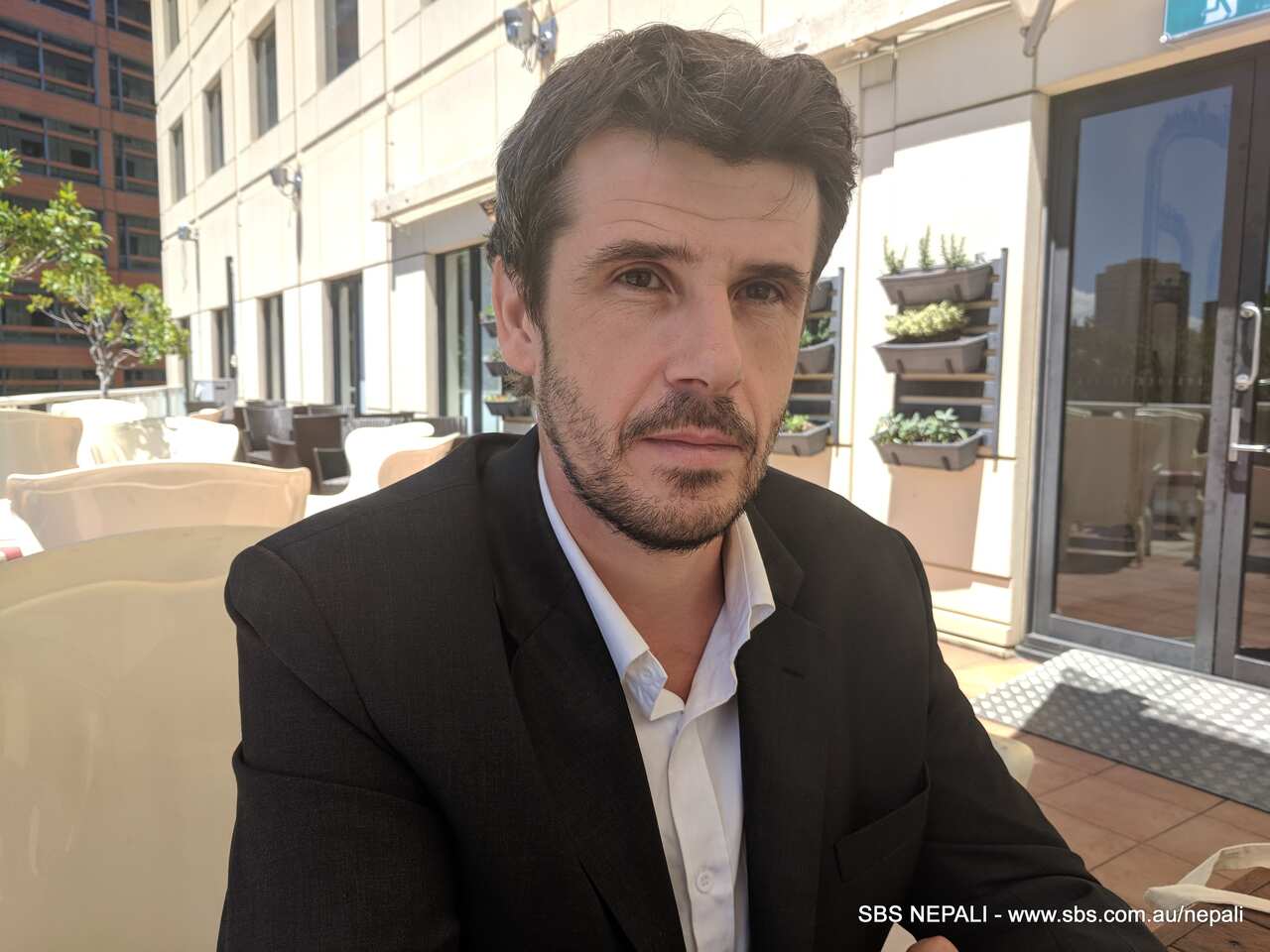
During the ten years of armed conflict in Nepal, Galent and his team collected more than 3,800 requests to find missing people.
"ICRC managed to solve about 65 per cent of those cases by meeting people detained by the Maoist and the government forces," says Galent.
"However, the fate of over 1,300 of those reported missing has still not been resolved," he says.The ICRC conducted research about what the families of those missing hoped for, and the overwhelming response, Galent says, was about wanting to know the fate of their loved ones, to find out if the person reported as missing was still alive or not.
Immediate family members of the missing are also reported to have high level of psychological distress and faced administrative and legal difficulties as well.
The families of the missing were also discriminated against by the society. For example, wives of the missing were supposed to dress as widows.
To highlight this problem, Arnaud Galent has produced a short film titled "The Doll’s Funeral."
The film tells the story of a woman whose daughter went missing during the conflict.
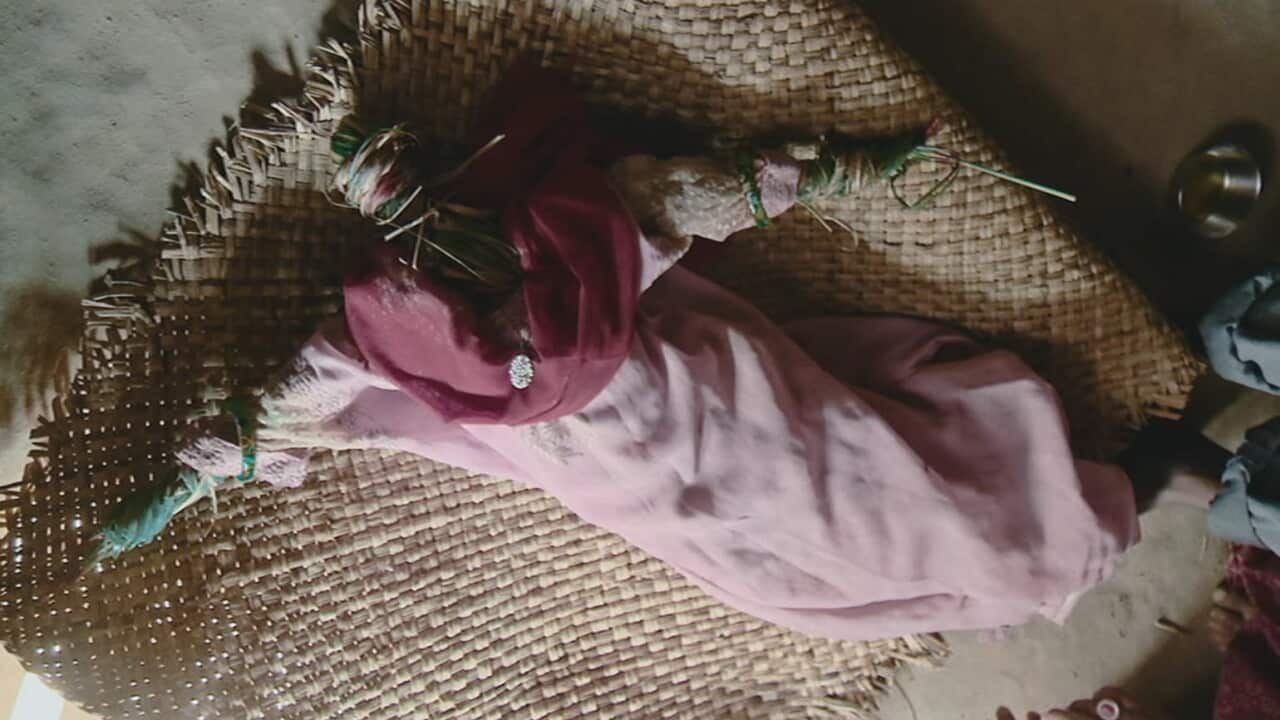
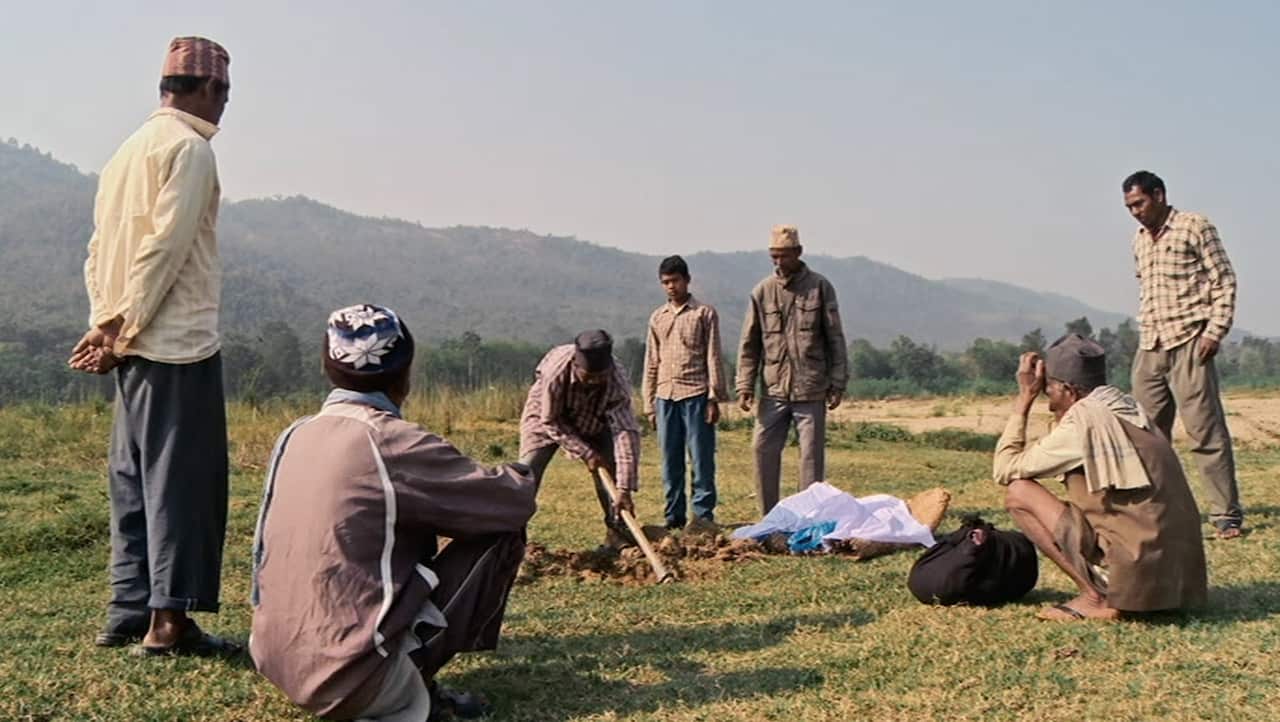
After learning about what happened to her missing daughter, the woman and members of her family perform the last rite by burying a doll – the doll represents the deceased daughter.
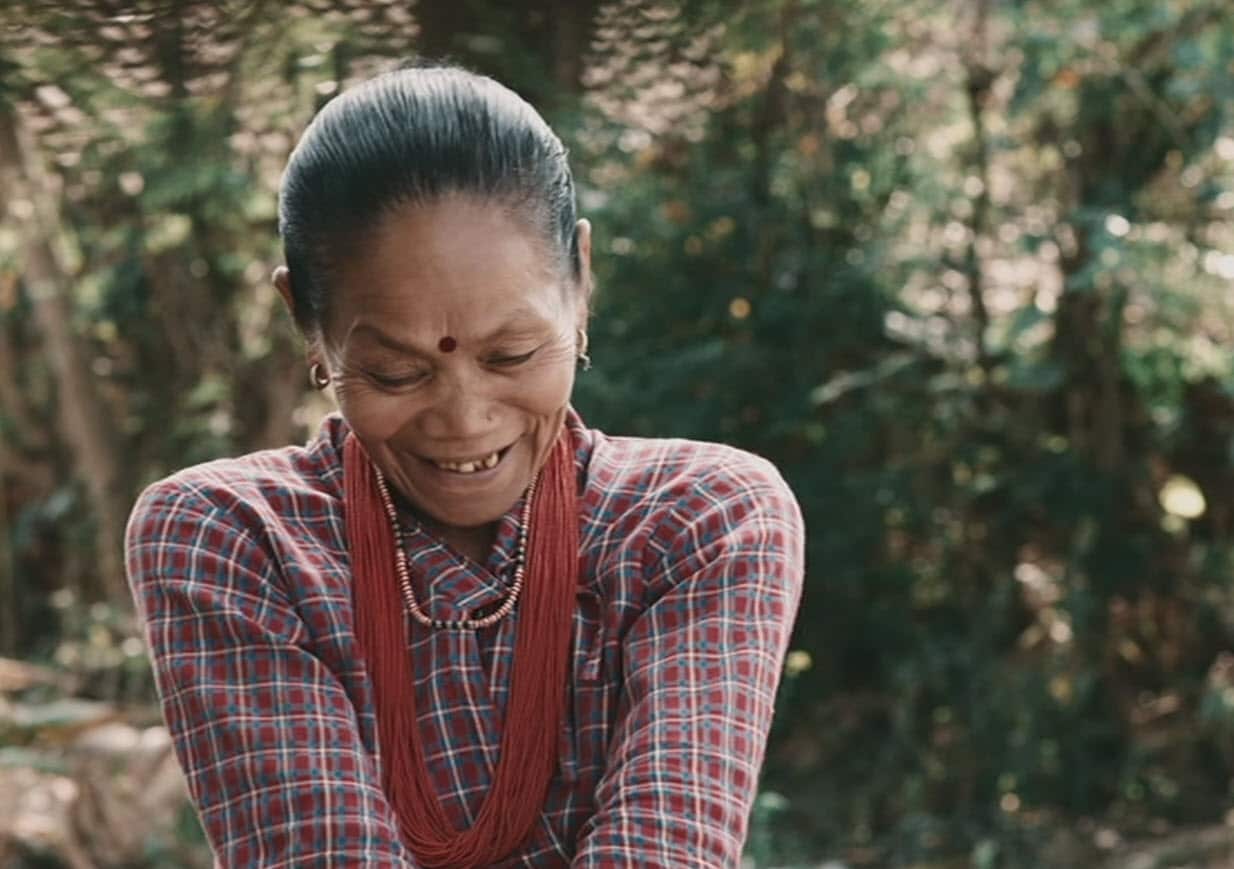
After the funeral, the mother describes how the situation changed for her.
"After the final rites, our suffering has decreased. We feel so much relief. Now everything is easy, I can talk to my relatives and go wherever I want freely, without any worries," she says.
For Galent, providing answers to the families of the missing is very important. He also stresses the need for strong political will from all sides to help provide justice to victims of the conflict and their loved ones.
Despite the delay though, he is still optimistic.
"It’s very late but it’s never too late for the families to get some answer."
According to the ICRC, 90 per cent of those missing in Nepal were men from poor families.
The Bardia district was the most affected, with 200 people were reported missing, followed by Banke and Rolpa.
The first election
On Thursday, 7th December 2017, Nepal concluded its first ever federal and provincial elections. The country’s new constitution was enacted in 2015 with three levels of governance structure – federal, provincial and local.
This was the second and final phase of the elections held in 75 districts and 7 provinces around the country. The first round of voting took place on 26th of November 2017.
In May, June and September of this year, local government elections were also held in Nepal for the first time in 20 years. The last time local government representatives were elected in the country was in 1997, when Nepal was officially a Hindu kingdom, under a system of constitutional monarchy.
In 2006, the then-King Gyanendra was stripped of all his powers and an interim constitution was in place until the new constitution took over in 2015.
2006 is also the year when the decade-long Maoist conflict ended, and a peace agreement was signed between the Maoist and the government of Nepal. More than 15,000 people were killed during the conflict, with thousands displaced and more than 1,300 people still reported missing.
Since then. the country had been in transition, which the politicians say, was to "bring the peace process to its logical conclusion."
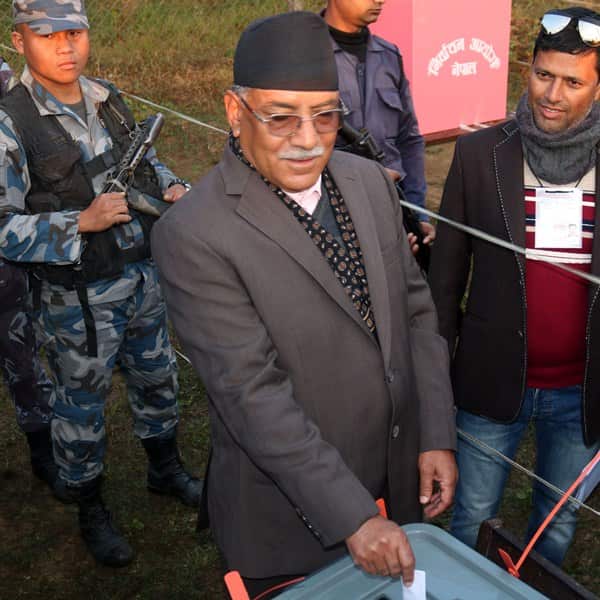
Election and peace process
After casting his ballot during the second phase of elections at his electorate in the south - western district of Chitwan, Maoist leader Pushpa Kamal Dahal said the elections brings the peace process to conclusion.
He said the elections has brought an end to their “political struggle and sacrifice” and set a course for “prosperity and development” in the country.
Speaking to reporters, he said, “I led the rebellion to get to this stage, led the peace agreement process alongside former Prime Minster and Nepali Congress leader Girija Prasad Koirala”.
For the federal and provincial elections, Dahal’s party had formed an alliance with another major Communist party of Nepal, the UML with talks of unification between the two parties.
The election results now indicate a landslide victory for the communist alliance.
With this result, Maoist and UML members will be forming a government for the next five years.
Human rights concerns
The day after the elections, on 8th December, Nepal’s National Human Rights Commission handed its annual report to President Bidhya Devi Bhandari. In the report, the commission raised numerous concerns, including that of impunity and delays in resolving right violations committed during Maoist conflict.
The commission’s chairman Anup Raj Sharma says the two bodies set up by the government to deal with conflict era violations have been rendered "ineffective."
After agreement with the Maoist and other political parties of the country, Nepal government setup Truth and Reconciliation Commission and Commission of Investigation on Enforced Disappeared Person in February 2015, almost a decade after the conflict ended.
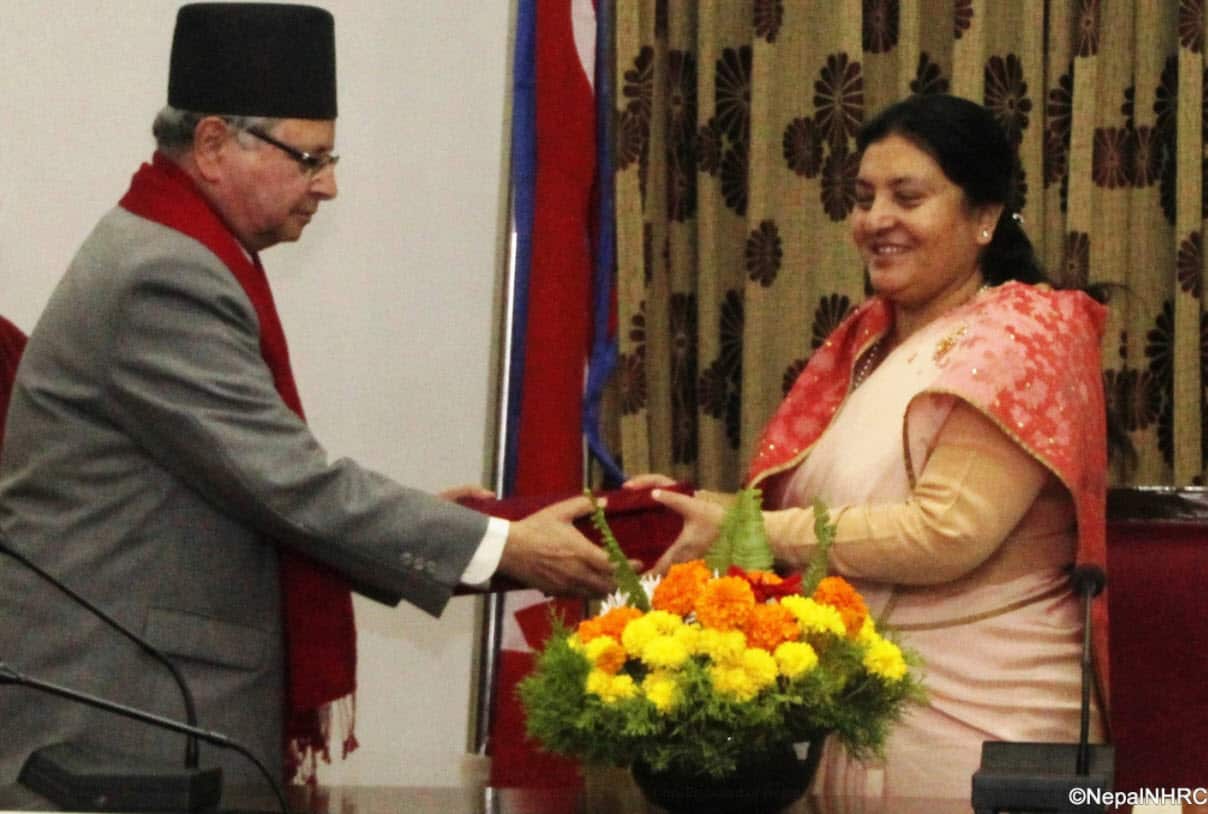
Successive Nepali governments, including Maoist-led ones, have been accused of providing less power and resources to both commission to carry out their work effectively.
The extended mandate of both commissions expire in February 2018 and so far there have been no confirmation as to whether they will be given a new mandate.
Conflict resolution expert Dr Bishnu Raj Upreti blames lack of political will to resolve the problem.
He says the issue of “transitional justice” was largely ignored by Nepali politicians during the election campaign.
According to Dr Upreti, if the issue is not taken up by the new government then the fate of about sixty thousand complaints registered with the Truth and Reconciliation Commission and thousands of cases of enforced disappearances may remain unresolved.



