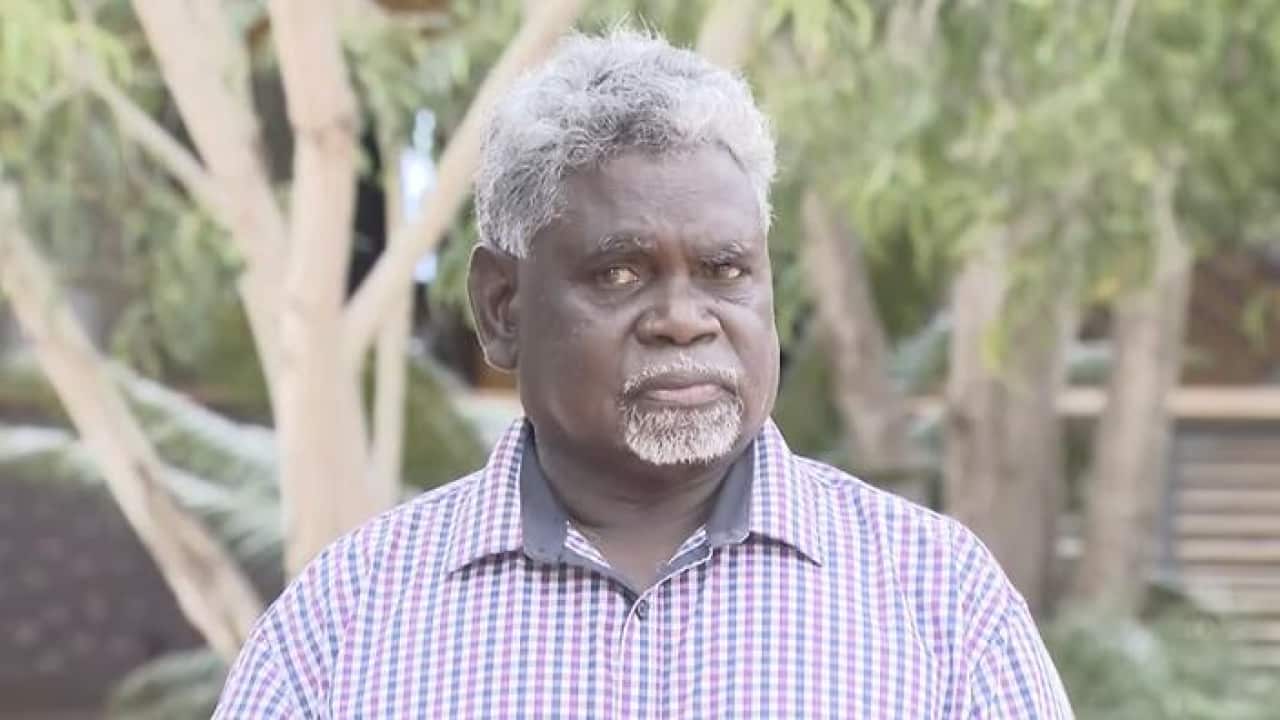


Lawyers Matthew Karakoulakis and Daniel Dalli, a family law expert, talk about Indigenous Australians and the Family Law System.
In episode 5 of Tell me law Mathew Karakoulakis, founder of a 100% Aboriginal owned and Aboriginal run law firm based in Melbourne and Daniel Dalli, a Melbourne based family law expert, dissect the intricacies of family law and specific aspects to Aboriginal and Torres Strait Islander peoples.
Most people get to grips with family law when things go wrong, when there is a divorce, a separation, dealing with children…
“Family law is a huge challenge for anybody who has to deal with family law because it arises after separation, breakdown in relationships; it is very emotional; there are a lot of things to deal with and it can be quiet overwhelming,” Daniel Dalli said in our yarn.
The legal system is tough for everyone especially if you are Indigenous Australian
It is difficult often because there aren’t adequate resources and when you are in remote or rural areas it is hard to find or hard to access family law advice.
In those areas it is hard to access dispute resolution services. Hence parties or parents fall into one of two categories when they can’t get access to systems
In the first category you have families who can’t access family law. In this category the issue is resolved without any legal assistance whatsoever.
This is problematic because people need to be aware of what they are entitled to and what generally occurs.
Advice is always important and beneficial to whoever receives it especially when we are dealing with children. That guidance of what is in the best interest for the children is paramount in these discussions.
In the second category you find parties who do find access to the family law system without the proper legal support.
What happens next is that the parties are self-represented. They are often not quite aware of what their entitlements are and how best to represent their case.
What generally happens is that the matter is highly likely to proceed to a trial. During trial parties are subjected to further conflict. They’ve got to give evidence against each other which creates a situation that isn’t able to carry in the future.
For example, if you have a 3-year-old and you separate; you are going to have to speak to each other and accommodate each other for the next fifteen years or until the child turns 18.