
The COVID-19 pandemic doesn’t mean that emergencies have stopped. We’ve just had to adjust and apply social distancing measures; carry less crew members in our rescue trucks; sanitize the vehicles and equipment more frequently; also most of our training has shifted to the internet. – Kevin O’Callaghan veteran SES volunteer.
In the context of the 2020 National Volunteer Week (May 18-May 24) Kevin O’Callaghan opened up to NITV Radio, sharing his insights in the life of a volunteer.
He’s been a volunteer with the State Emergency Service (SES) for close to four decades and is one of the founding members of the SES Unit in Craigieburn (Melbourne) in 1981.
During this period, Kevin has been involved in all sorts of rescues from car crashes, to derailed trains, floods, bushfires, trees fallen on roofs… and now the COVID-19 pandemic.
Backed by 39 years real life experience carrying out rescue operations in all capacities, Kevin is one of the trainers and assessors at the SES Unit in Craigieburn .
Previously, he’d been a key player in peer support programs responsible amongst other tasks in debriefing crews when they came back from difficult operations.
In almost 40 years volunteering with the SES, Kevin has witnessed tremendous changes especially on the technological side. In a bygone era, it was the norm for volunteers to use salvaged and refurbished equipment that they'd' fix themselves.
“When we first started, we had to raise money to purchase our equipment and uniforms. Now we have first rate equipment provided through governments and councils.”
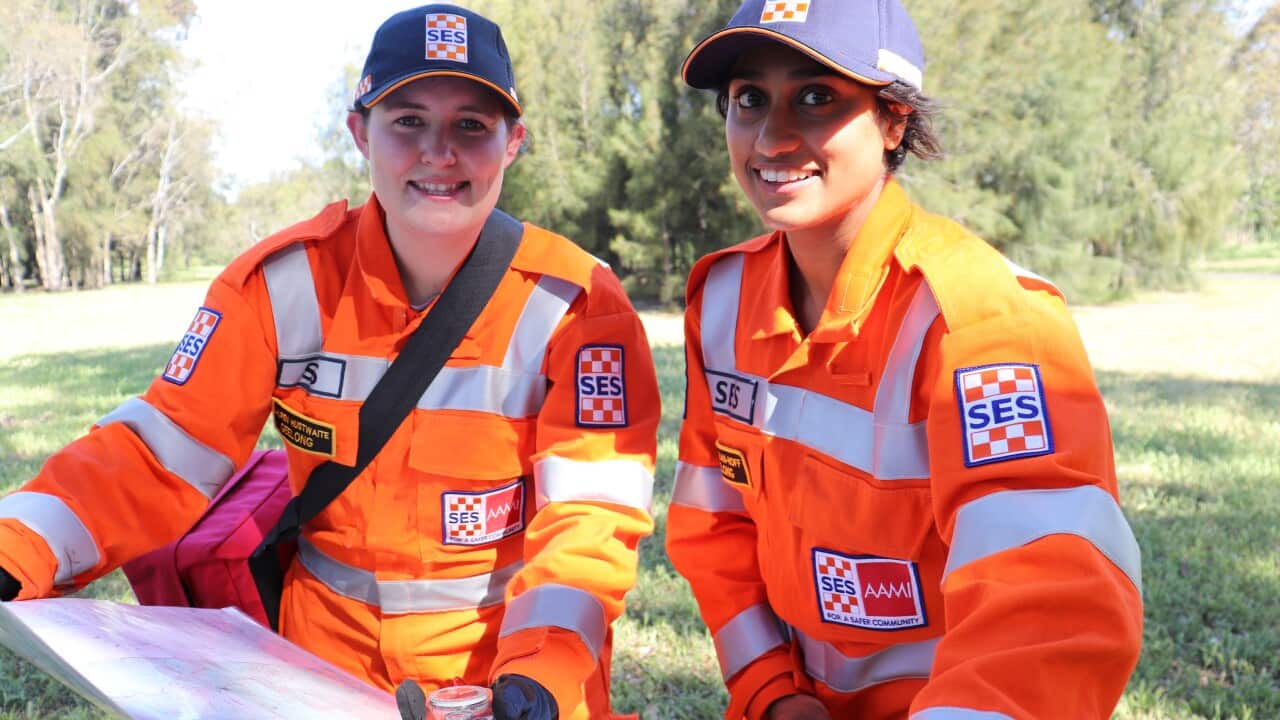
His Unit in Craigieburn has gone through a big demographic change reflective of the rest of the country. “Back in the eighties, crews were mostly of Anglo-Celtic-Saxon or of European backgrounds. Now, we have more than 14 ethnicities; people coming from 20 different countries are represented and many of our volunteers were born overseas.”
Also, these SES volunteers come from all walks of life from office-workers to tradespeople and retirees. “We train them to the highest standards. When I’m out rescuing someone, I don’t have to worry about the gender or the ethnicity of the person working next to me; I know that that person is doing what is necessary for us to do the rescue.”
Kevin also highlighted that volunteering provides valuable skill-sets including leadership skills as well as the knowledge on how to use specialised equipment. They gain and hone attributes that are highly valued by employers.
Kevin O’Callaghan says that throughout the COVID-19 pandemic the SES has continued to run rescue operations; albeit with some adjustments implementing social distancing measures. Now they carry fewer crew members per rescue truck, they have to sanitise vehicles and equipment more frequently and most of their training is now being carried out on line.