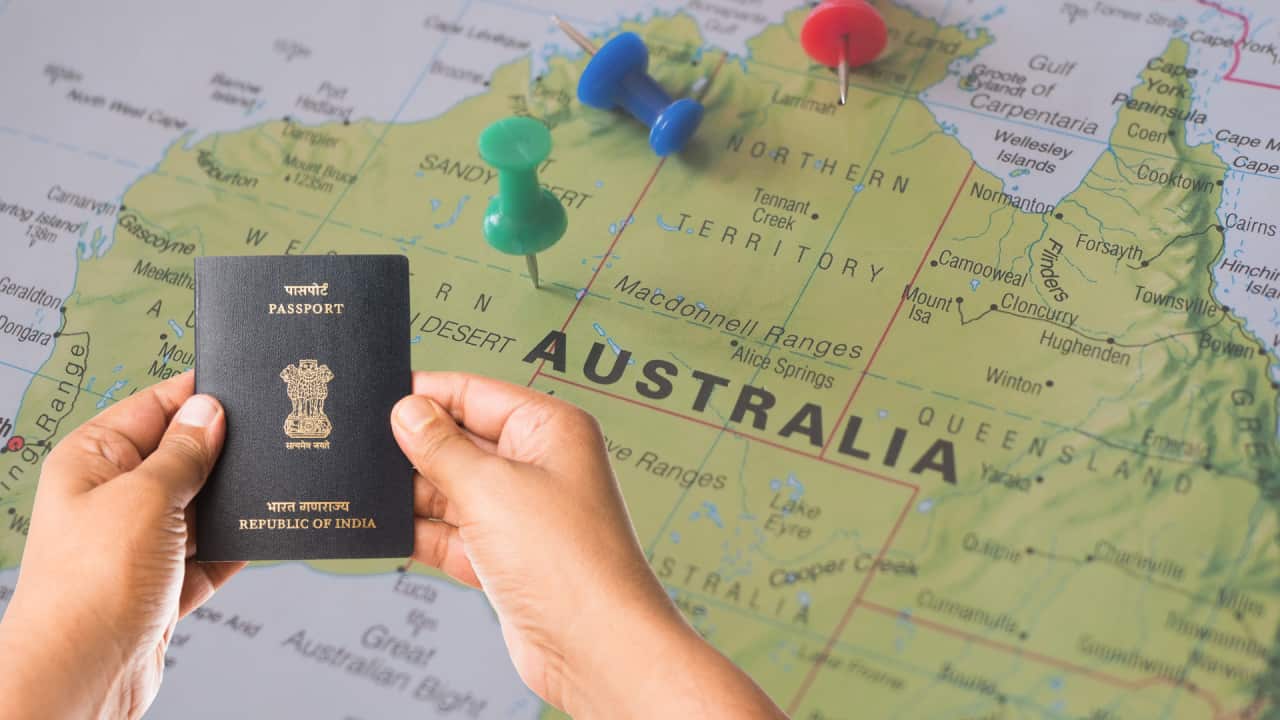

After years of waiting for an Aged Parent visa, some families are facing refusals when the primary applicant dies before a decision is made. Affected applicants and migration experts are calling for greater consistency, transparency and compassion, while the Department of Home Affairs says all applicants must meet the legal criteria both when they apply and when their case is decided.
Key Points
- Some elderly widowed parents are having Aged Parent visas refused after years of waiting over a technical eligibility requirement
- Families and migration experts are calling for greater consistency and clarity in the visa process
- Home Affairs says decisions follow migration law and eligibility rules
Dr Roli Vatss, who migrated to Australia from India in 2014 and now works as a doctor in Wollongong, lodged an Aged Parent (subclass 804) visa application for her parents in January 2021.
"At the time, my father was around 70 years old and was listed as the primary applicant because he met the age requirement for the visa. My mother, approximately 10 years younger, was included as the secondary applicant.
"In October 2023, my father passed away while the application remained in the queue. We continued waiting, expecting the application to progress for her mother. Instead, in May 2026, we received a refusal," Vatss told SBS Punjabi

We were waiting for a visa. Instead, we received a refusal. The decision came as a complete shockDr Roli Vatss
After seeking advice, the family learned that because her mother had not met the 'aged parent' requirement at the time the original application was lodged, she was no longer eligible to continue as the sole applicant following her husband's death—even though she has now reached pension age.
Dr Vatss says the experience has taken a significant emotional toll on her family.
"We've lost sleep over this. It has affected our work, our mental wellbeing and our family. I still haven't had the heart to tell my elderly mother that her visa has been refused."
She also questions why her family was never informed about policy changes or available options during the years their application was waiting to be processed.
"If my mother ultimately has to leave Australia because the appeal is unsuccessful, our family would seriously consider leaving Australia with her," she says.
Experts point to inconsistent outcomes
Migration agent Rajwant Singh, who specialises in parent, family and partner visas, says the issue is not entirely new.
He says the Department of Home Affairs had previously acknowledged that some applicants could be disadvantaged when circumstances changed during long processing times.
"Some affected families were previously allowed to withdraw and re-lodge their applications while retaining their original queue date—effectively preserving their place in the waiting line," he told SBS Punjabi.
However, he says that option has not been offered consistently.

The concern is that families in very similar circumstances have received different treatment.Rajwant Singh, Migration agent
"Where relief has been provided to some applicants, there should be a consistent, fair and compassionate approach for others facing the same situation," he says.
Singh further says that Migration Institute of Australia has also written to the Department of Home Affairs seeking clarification on whether that withdrawal and relodgement pathway remains available and whether applicants whose visas have already been refused, have any avenue for review.
"Migration professionals have called for greater policy clarity, arguing that affected families should receive consistent advice and that decisions made after many years of waiting should take changed personal circumstances into account where possible."
What Home Affairs says
A spokesperson for the Department of Home Affairs told SBS Punjabi that Australia's migration laws require applicants to satisfy visa criteria both when the application is lodged and when a decision is made.
Under the Migration Regulations, where a joint application is made for an Aged Parent (subclass 804) visa, at least one applicant must have met the definition of an "aged parent" at the time the application was lodged.
If the primary applicant dies before a decision is made, the surviving spouse must then independently satisfy the primary applicant requirements—including having been of qualifying pension age when the original application was submitted.
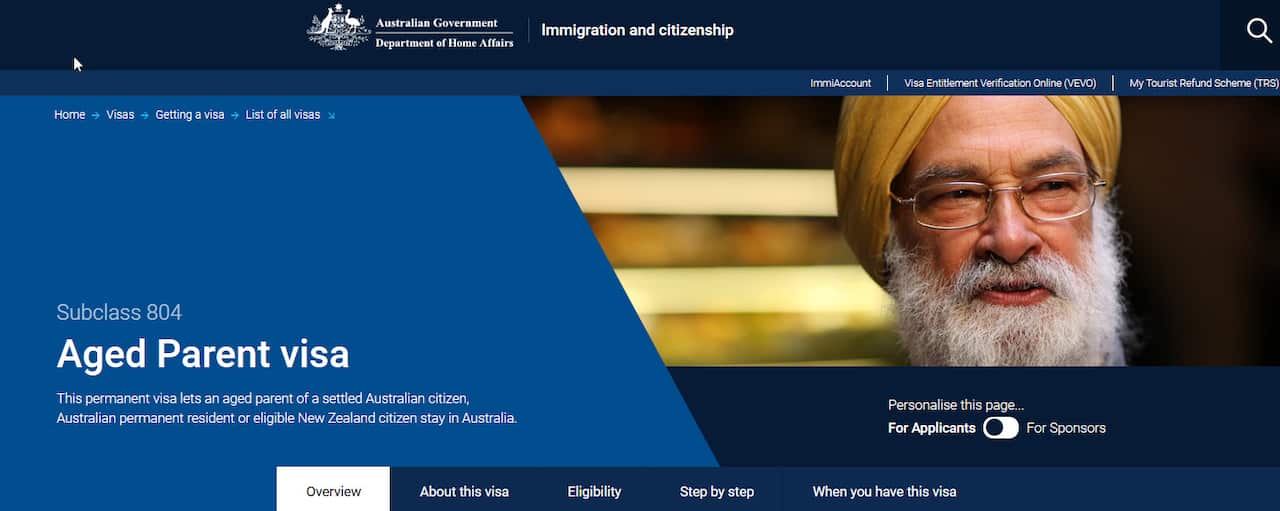
If they were not an 'aged parent' at that point in time, they cannot meet the legislative requirements, even if they have since reached the qualifying age.
The department said when it becomes aware that a primary applicant has died before a decision is made, an officer contacts the remaining applicant to discuss available options while considering their personal circumstances.
It added that every application is assessed individually and in accordance with Australia's migration legislation.
A broader challenge for the migration system
The issue also highlights the pressures created by Australia's long parent visa queues, where applicants could wait many years before receiving a decision.
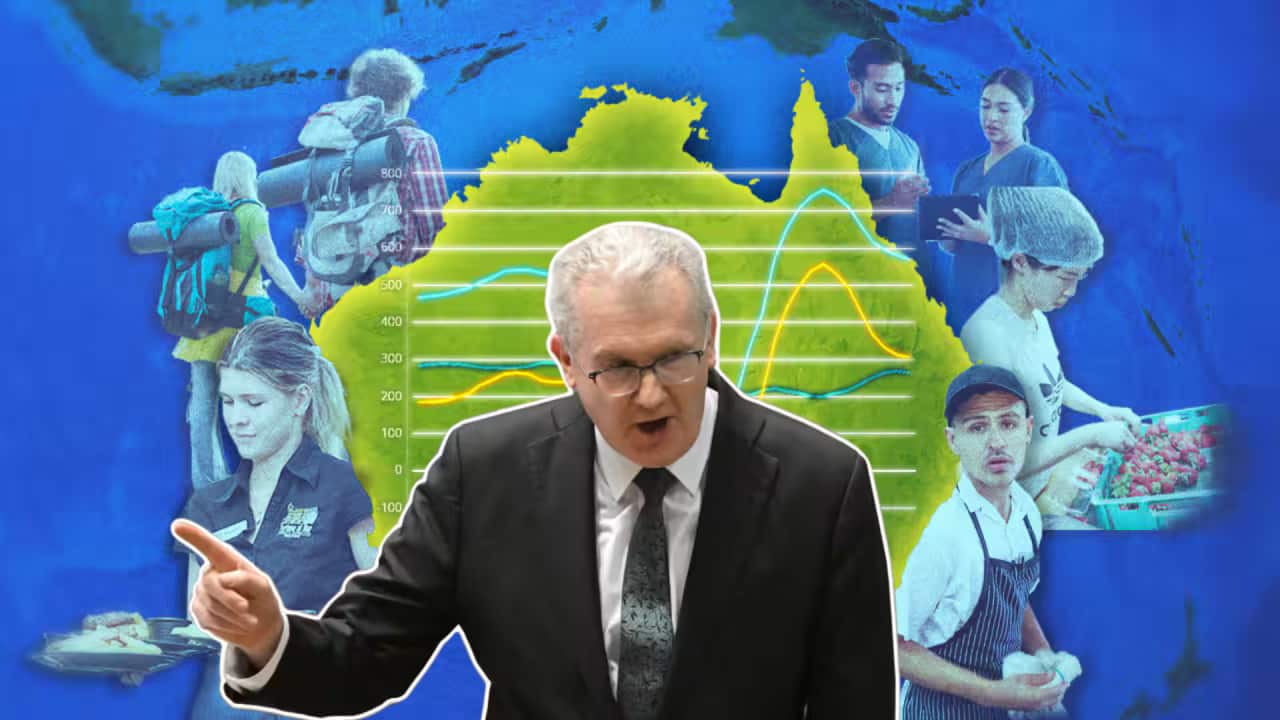
When asked about lengthy processing times in a recent interview by SBS Nepali, Home Affairs Minister Tony Burke acknowledged the competing demands facing Australia's migration program.
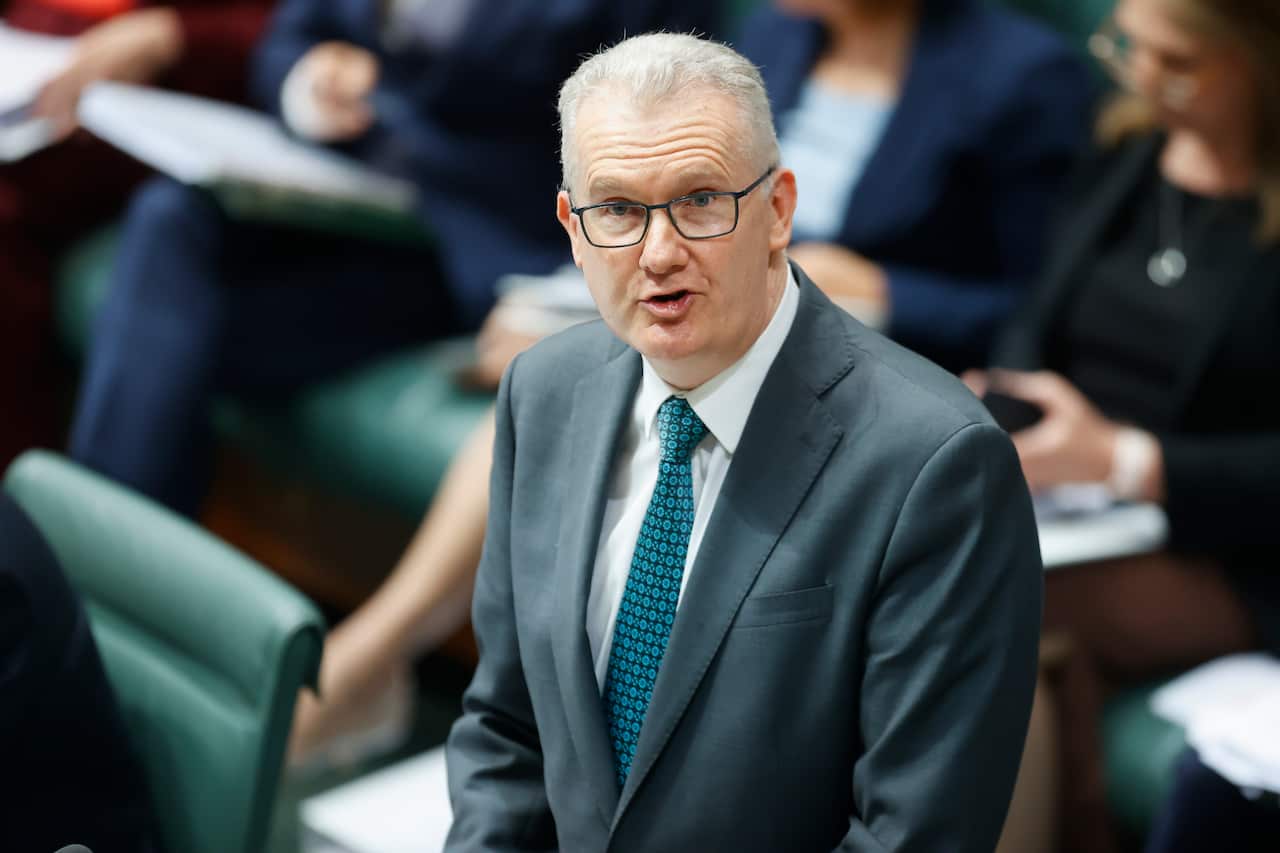
"You can run a very compassionate case about parent visas," Mr Burke said.
"But you can also run a very compassionate case about partner visas... and work visas."
"Every visa category exists because there are benefits to Australia and the sort of country we are if we can fill those positions."
He said the government must balance those competing priorities within limited resources.
While migration experts are calling for clearer guidance and more consistent treatment of similar cases, there has been no announced policy change addressing applicants whose circumstances change during extended processing periods.
🎧 Find all our podcasts and stories that matter here at SBS Punjabi Podcast Collection.
💻 For news, information and interviews in Punjabi from across Australia and the homeland, you can tune in to SBS Punjabi live from Monday to Friday at 4pm on SBS South Asian on digital radio, on channel 305 on your television, via the SBS Audio app or stream from our website.